The entertainment industry and global audiences are reeling from the passing of Sir Patrick Stewart, an actor whose career spanned over six decades and left an indelible mark on both the Royal Shakespeare Company and the landscape of science fiction television. Stewart, who died at the age of 86, was widely regarded as a master of his craft, known for his resonant voice, commanding stage presence, and the profound gravitas he brought to iconic roles ranging from Jean-Luc Picard to Professor Charles Xavier.
A Life Defined by Artistic Excellence
Born in Mirfield, Yorkshire, in 1940, Stewart’s path to international stardom was paved through the rigorous tradition of British theater. His early years were defined by a relentless dedication to classical performance. He joined the Royal Shakespeare Company (RSC) in 1966, where he spent years refining his craft. His tenure with the RSC saw him take on some of the most challenging roles in the literary canon, including Shylock, King John, and Prospero. These formative years established the technical foundation that would later make his transition to Hollywood and television seamless and impactful.

While Stewart enjoyed a distinguished career in theater, it was his 1987 casting as Captain Jean-Luc Picard in "Star Trek: The Next Generation" (TNG) that catapulted him into the global spotlight. At the time, the casting of a classically trained, bald, middle-aged British actor as the lead of a science fiction series was considered a risk by network executives. However, Stewart’s portrayal of Picard—a diplomat-captain who prioritized intellect and moral clarity over brute force—redefined the archetype of the science fiction hero.
Chronology of a Stellar Career
The trajectory of Stewart’s career can be categorized into three primary phases: his theatrical emergence, his sci-fi dominance, and his later-career resurgence as a pop-culture icon.
- 1966–1980: The RSC Years. Stewart cements his reputation as a formidable stage actor, performing in numerous Shakespearean productions and gaining critical acclaim in the United Kingdom.
- 1984: The Hollywood Breakthrough. Stewart appears in David Lynch’s "Dune," signaling his arrival in American cinema.
- 1987–1994: The TNG Era. Stewart anchors seven seasons of "Star Trek: The Next Generation," turning the franchise into a cultural juggernaut.
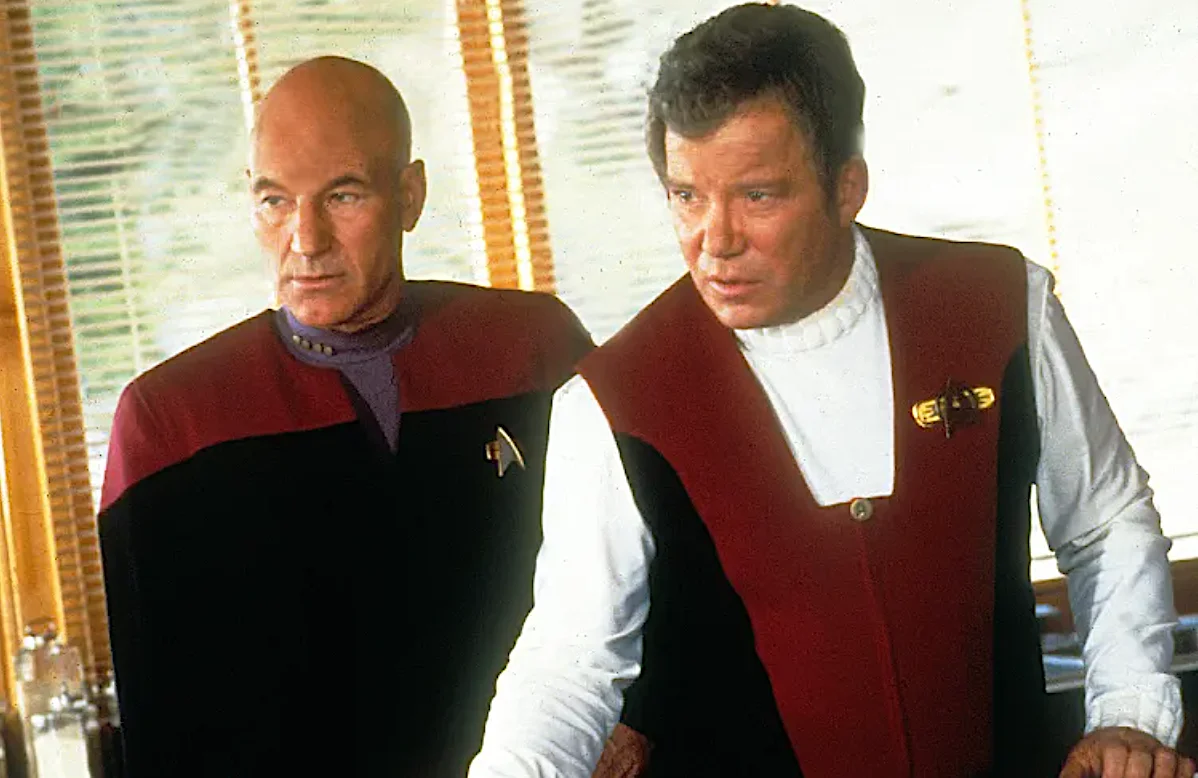
- 1994–2002: The Trek Films. Stewart reprises his role as Picard in four feature films, starting with "Star Trek: Generations," where he famously crossed paths with William Shatner’s Captain James T. Kirk.
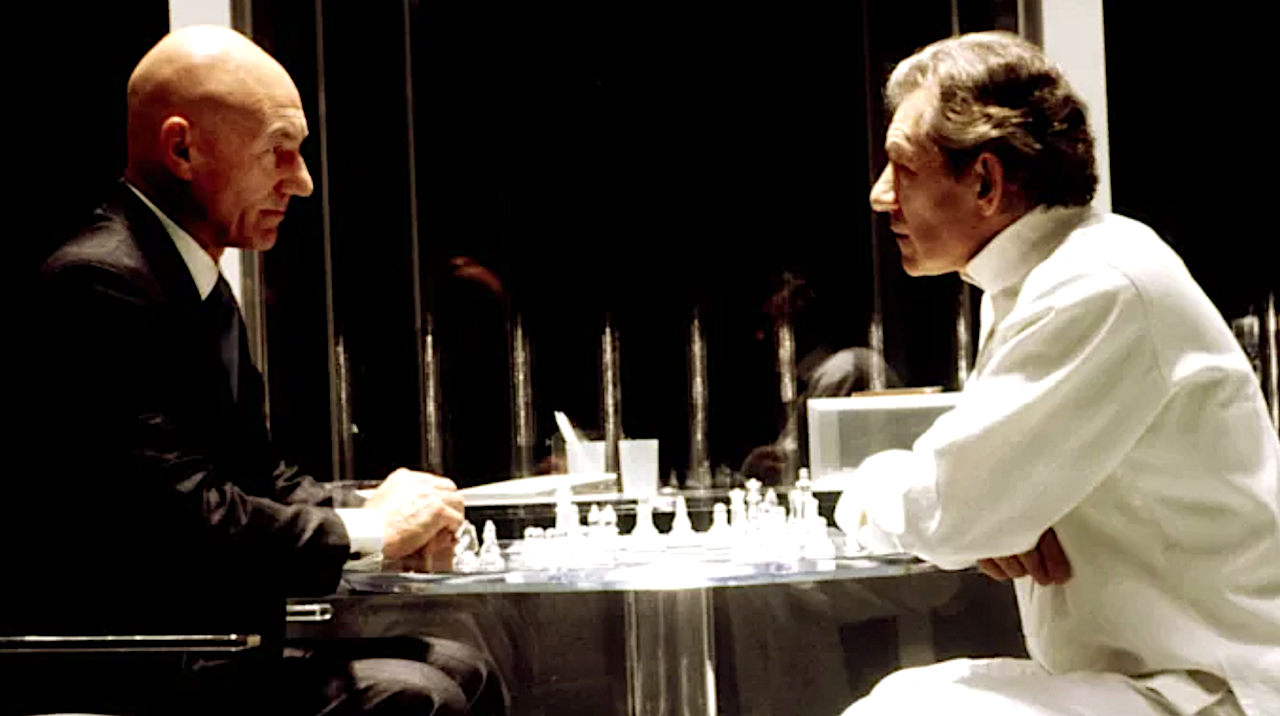
- 2000–2022: The X-Men Franchise. Stewart brings a sense of quiet authority to Professor Charles Xavier, appearing in multiple entries of the X-Men film series, a role that endeared him to a new generation of comic book fans.
- 2020–2023: The Picard Revival. Stewart returns to the role that defined his television career in the Paramount+ series "Star Trek: Picard," which focused on the character’s later years and internal evolution.
- 2024: Final Projects. Stewart’s final performance in the Marvel Cinematic Universe, reprising his role as Charles Xavier in "Avengers: Doomsday," serves as a capstone to his cinematic legacy.
Professional Data and Cultural Impact
Stewart’s impact on the science fiction genre cannot be overstated. According to industry analytics, "Star Trek: The Next Generation" was the highest-rated syndicated television program of its time, reaching millions of viewers weekly during its prime. Stewart’s portrayal of Picard influenced the trajectory of the entire franchise, leading to multiple spinoffs and keeping the brand viable for over three decades.

Beyond his professional success, Stewart was a vocal advocate for various humanitarian and social causes, including his work with domestic violence charities and his public support for various social justice movements. His ability to bridge the gap between "high art" theater and popular entertainment made him a unique figure in modern culture—a man who could recite a sonnet as easily as he could command a starship bridge.
Industry Tributes and Official Responses
The news of his death has triggered a cascade of tributes from peers who worked alongside him. Sir Ian McKellen, his long-time friend and X-Men co-star, noted the profound impact of Stewart’s Northern English roots on his personality. "Before everything else, Patrick was defined by being born and bred in Yorkshire," McKellen wrote. "You could hear it in his accented voice and in the stern honesty with which he told you what he thought and felt."
William Shatner, who shared the screen with Stewart in the 1994 film "Star Trek: Generations," reflected on the camaraderie shared by the two actors. "From the stage to the bridge of the Enterprise, he brought intelligence, grace, and a deep sense of humanity to everything he did," Shatner stated. "Captain Picard stood for the best of us, and so did the man who played him."
Jonathan Frakes, who played Commander Will Riker under Stewart’s command for over 35 years, highlighted the personal depth of their partnership. "There’s no one on this planet that I have acted with or directed more often than my late great friend Patrick Stewart," Frakes remarked, emphasizing the enduring nature of their connection.
Akiva Goldsman, the writer and producer who worked closely with Stewart on the Picard series, described him as an "alchemist" capable of transforming scripts into living, breathing characters. "Patrick was not only a true lion of the profession, he was the rarest of alchemists," Goldsman noted.
Implications for the Entertainment Landscape
The passing of Sir Patrick Stewart leaves a significant void in the industry, particularly regarding the standard of performance expected in speculative fiction. His career demonstrated that genre storytelling could hold the same weight and emotional complexity as the works of the classical dramatists he performed in his youth.
The implications for the Star Trek franchise and the Marvel Cinematic Universe are notable. As a legacy actor, Stewart provided a tether to the past for these massive franchises, offering a sense of continuity that resonated with multi-generational audiences. Moving forward, the industry faces the challenge of honoring his legacy while continuing to evolve the characters he helped define.
A Legacy of Integrity
Beyond the accolades and the box office records, the legacy of Patrick Stewart is one of integrity. Whether he was portraying a Starfleet captain navigating the moral complexities of the galaxy or a mutant leader advocating for peace, Stewart approached his roles with an earnestness that demanded respect. His life was, as many of his colleagues noted, a testament to the idea that one can reach the heights of fame without sacrificing one’s humanity or the core values of honesty and professional excellence.
As fans across the globe revisit his extensive filmography, they are reminded not just of the roles he played, but of the dignity he brought to the profession of acting. In the words of those who knew him best, he was a man who stood for the best in all of us—a sentiment that will likely ensure his influence is felt for generations to come. Sir Patrick Stewart’s journey, which began in the humble towns of Yorkshire, concluded having touched the stars, leaving behind a body of work that will remain a cornerstone of modern culture.