The history of science fiction cinema and literature is replete with vessels that serve not as vehicles of exploration or commerce, but as theaters of psychological trauma and biological catastrophe. While the romanticized notion of space travel often emphasizes the grandeur of discovery, a specific sub-genre of sci-fi focuses on the "derelict ship" trope—a narrative device where a spacecraft, having been abandoned or compromised, becomes a death trap for those who dare to cross its threshold. From a logistical and safety standpoint, these vessels represent total system failures, yet they remain central to the genre’s exploration of human curiosity and corporate negligence.
The anatomy of a derelict spacecraft usually follows a predictable trajectory: a distress signal is detected, a salvage or research crew is dispatched, and upon entry, the visitors discover that the ship’s internal systems have been compromised by either extraterrestrial contagion, supernatural phenomenon, or human madness. Below is an examination of nine of the most significant and hazardous vessels in science fiction, evaluated by their historical impact on the genre and the specific threats they harbor.
USG Ishimura: The Industrial Failure of the Concordance Extraction Corporation
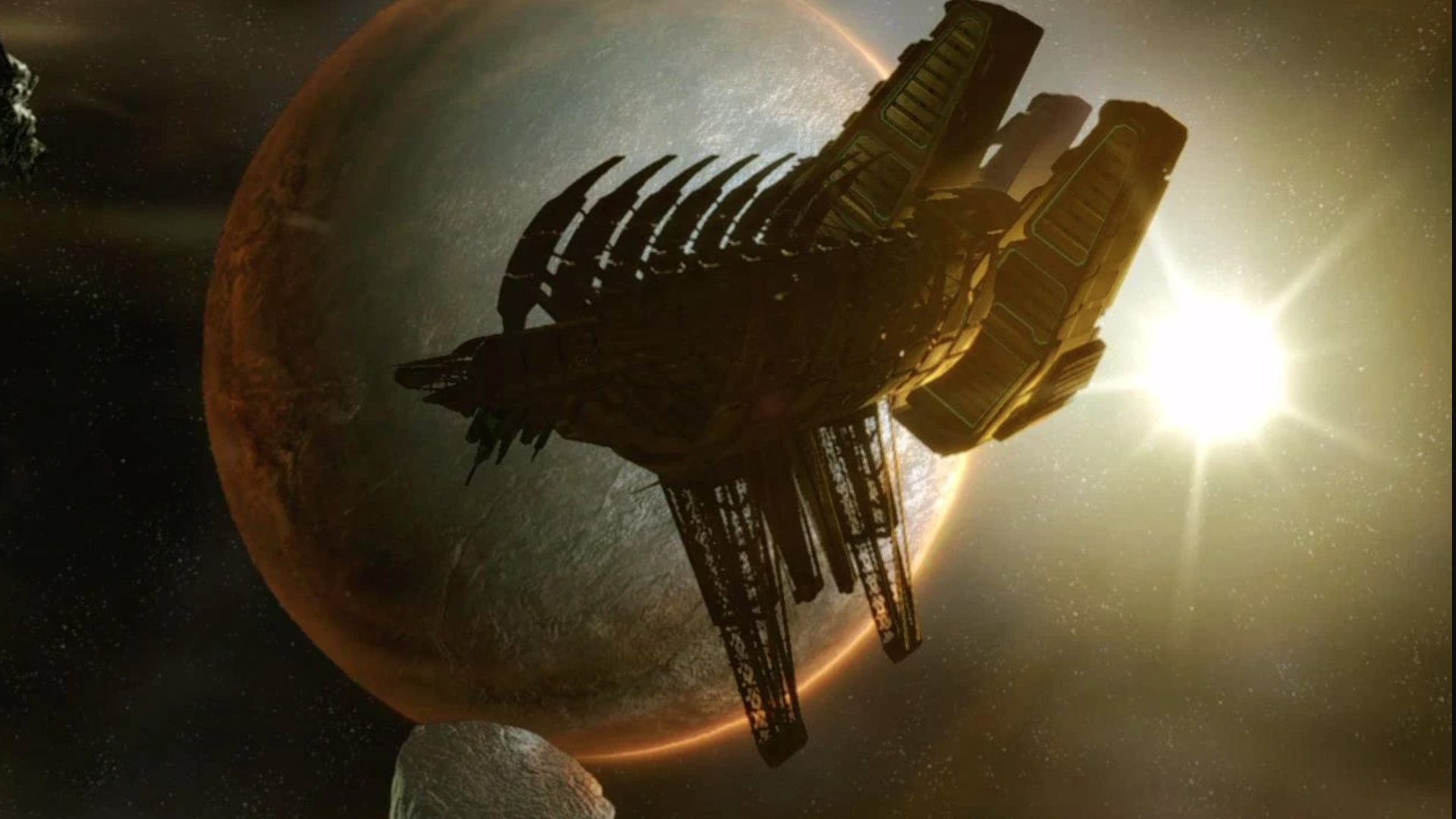
The USG Ishimura, featured in the 2008 video game Dead Space, stands as a primary example of corporate overreach. As a Planet Cracker-class mining vessel, the Ishimura was designed to dismantle entire celestial bodies for resources. However, the ship’s history is defined by the discovery of an alien artifact known as the Marker. The subsequent outbreak of Necromorphs—reanimated biological tissue synthesized into aggressive, multi-limbed predators—turned the ship into a mobile slaughterhouse.
From an analytical perspective, the Ishimura represents the dangers of unregulated industrial extraction. The Concordance Extraction Corporation (CEC) prioritized the acquisition of the Marker over the safety of its 1,332 crew members. The resulting incident serves as a cautionary tale regarding the containment of unknown biological hazards in isolated environments. The ship remains a benchmark in horror design, utilizing its claustrophobic, labyrinthine corridors to emphasize the vulnerability of human occupants against mutated organic threats.
The Grendel: Medical Research and the Failure of Containment
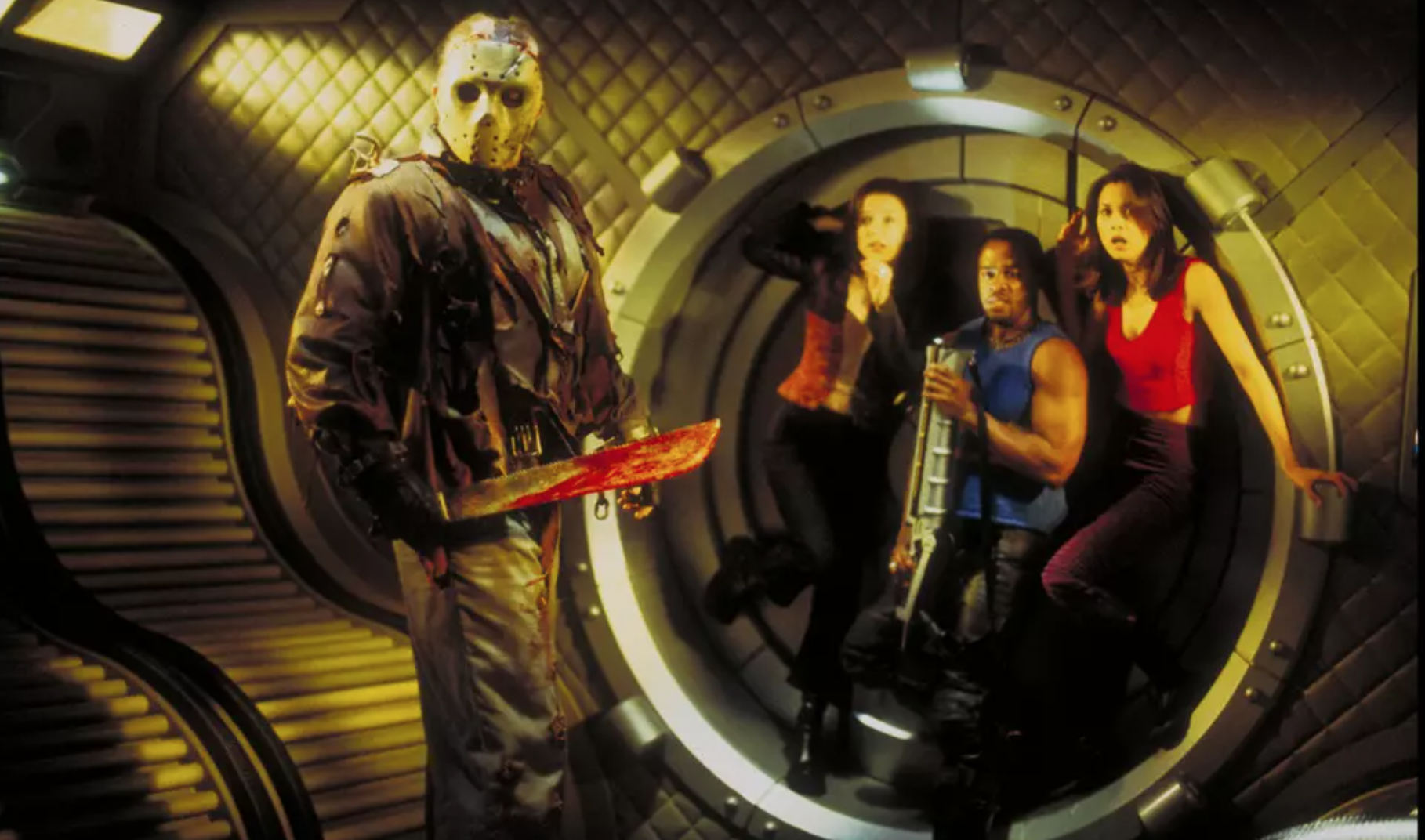
In the 2002 film Jason X, the Grendel functions as a high-tech medical research facility, symbolizing the arrogance of 25th-century science. Tasked with transporting the cryogenically frozen serial killer Jason Voorhees to Earth 2 for cellular analysis, the crew of the Grendel committed a fundamental tactical error: they underestimated the resilience of their subject. The chronological progression of the film tracks the rapid decomposition of the ship’s safety protocols once the subject is thawed. The Grendel’s destruction serves as a narrative endpoint for the Friday the 13th franchise’s venture into space, illustrating the risks of transporting volatile entities without adequate fail-safes.
The Rama Spacecraft: The Mystery of Non-Human Engineering
Arthur C. Clarke’s 1973 novel Rendezvous with Rama introduced a different kind of threat: the existential uncertainty of alien architecture. Unlike the infested vessels of horror-focused sci-fi, the 31-mile-long cylindrical craft known as Rama was a testament to advanced, incomprehensible engineering. The implications of its arrival in Earth’s solar system were profound; for humanity, it represented a first-contact scenario where the "ship" itself was an autonomous, programmed entity. The mission to intercept and board Rama revealed that human explorers were essentially intruders in a facility that did not acknowledge their existence, highlighting the theme of human insignificance in the face of superior, ancient technology.
The Scopuli: Protomolecular Contagion in The Expanse
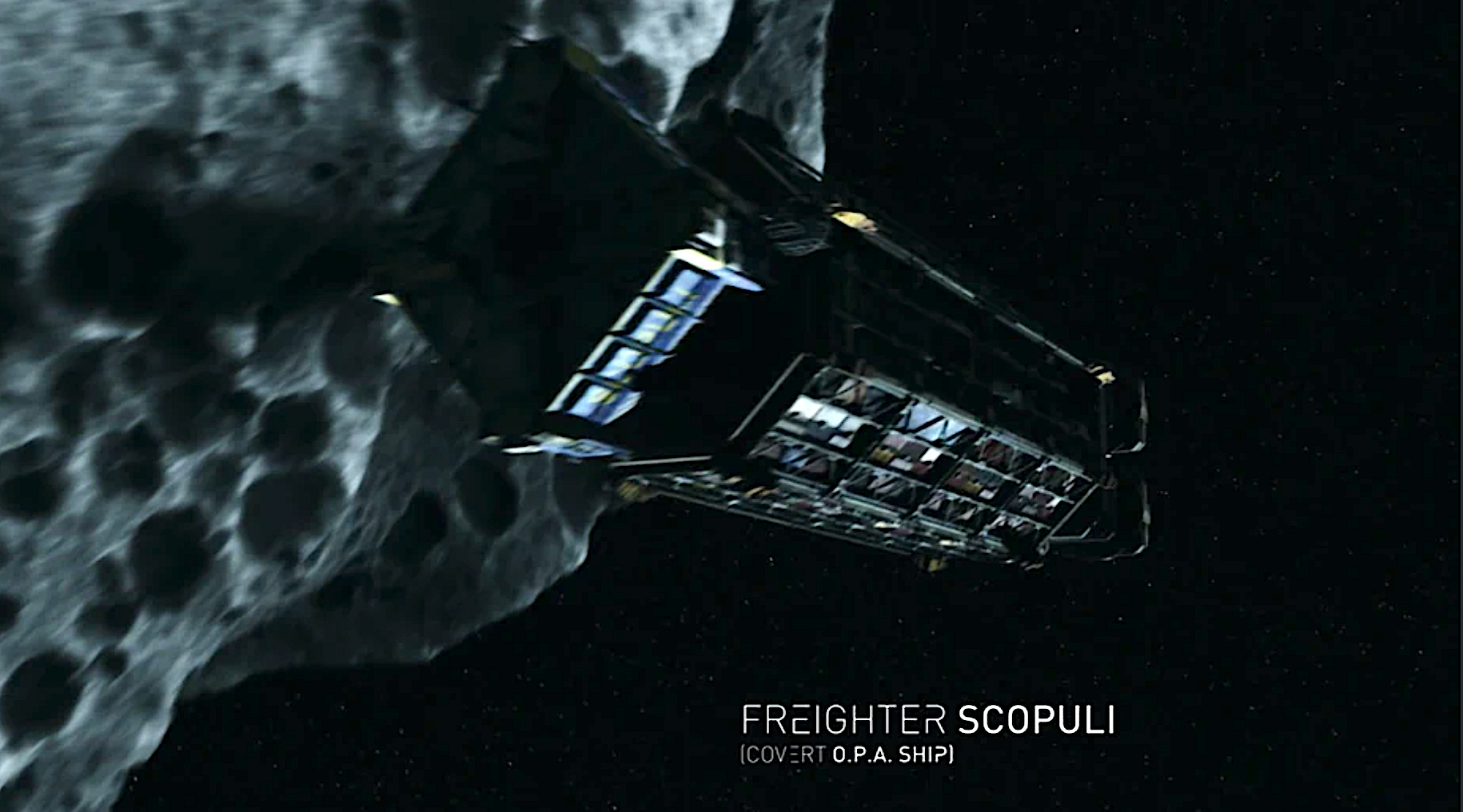
James S.A. Corey’s Leviathan Wakes (2011) chronicles the disappearance of the light freighter Scopuli. Used by the Outer Planets Alliance (OPA) for clandestine operations, the ship became a focal point for the conflict between Earth, Mars, and the Belt. The Scopuli was the first vessel to be exposed to the Protomolecule, an alien substance capable of re-engineering biological and inorganic matter. The ship’s condition upon discovery—abandoned and rigged with a beacon to lure unsuspecting salvage crews—demonstrated how advanced technology can be weaponized in the pursuit of political and corporate hegemony. The vessel represents the geopolitical volatility that defines the Expanse universe.
The Derelict: The Blueprint for Biological Horror
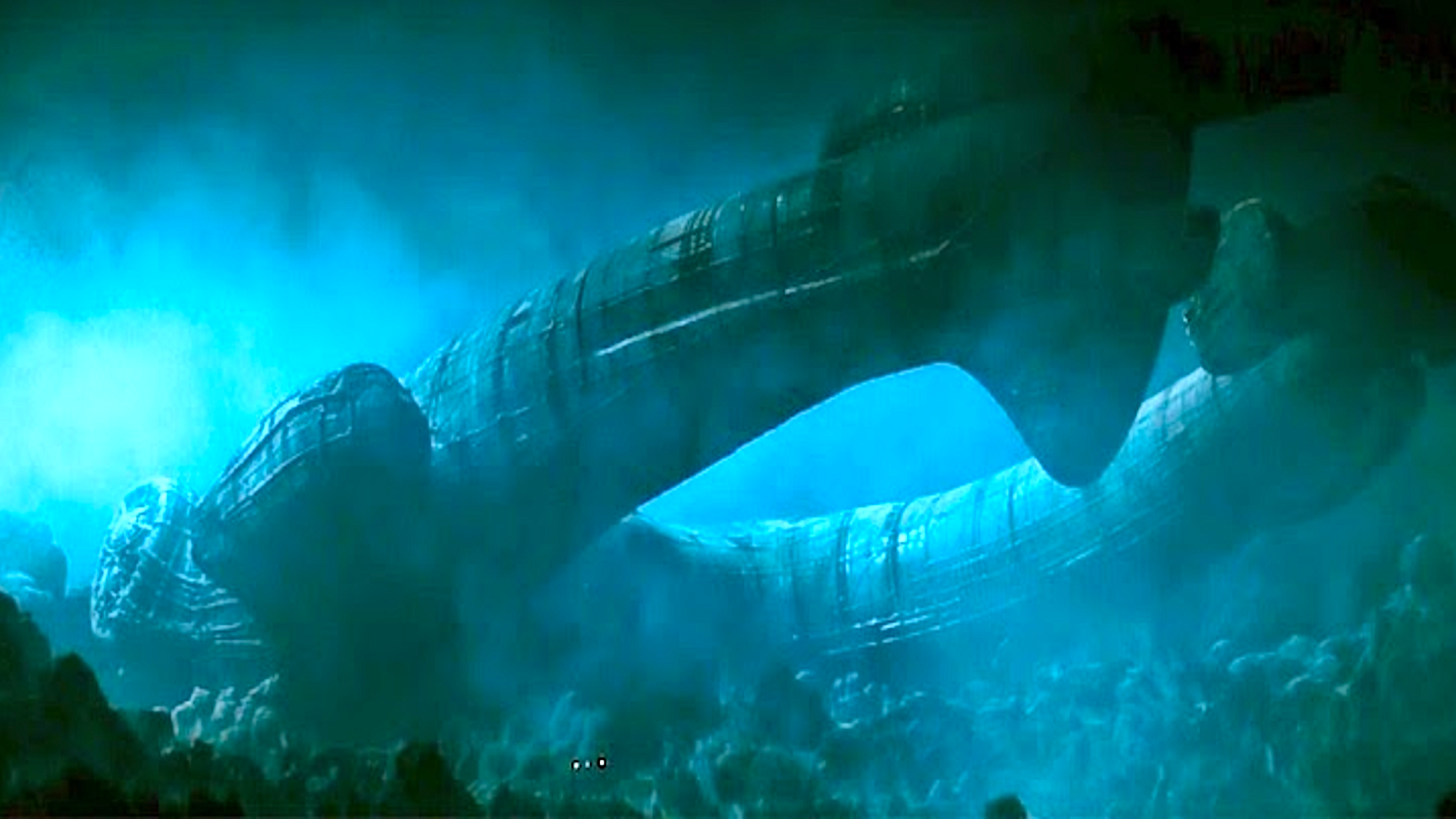
Perhaps the most iconic vessel in science fiction is the "Derelict" from Ridley Scott’s 1979 film Alien. Found on the desolate planetoid LV-426, this horseshoe-shaped craft serves as the source of the Xenomorph organism. Its importance cannot be overstated; it established the standard for the "haunted house in space" sub-genre. The Derelict is an architectural anomaly, featuring a pilot’s chair fused to a massive, long-dead entity. The vessel acts as a biological time bomb, housing thousands of eggs waiting for a host. It remains the definitive example of how atmospheric dread and isolation can elevate a setting to the status of a primary antagonist.
Challenge 142: The Precursor to Space-Age Suspense
The 1956 film It, The Terror from Beyond Space provided the foundational framework for the later Alien franchise. The Challenge 142 was a rescue vessel sent to Mars to retrieve the survivors of a previous expedition. The threat, however, was not the environment, but a stowaway—a reptilian, telepathic, and physically indestructible creature. The narrative implications of the Challenge 142 are clear: a confined space, a singular predator, and the impossibility of escape. This vessel solidified the trope of the "stowaway menace," a staple of space-themed survival horror.
Icarus 1: The Psychological Toll of Isolation
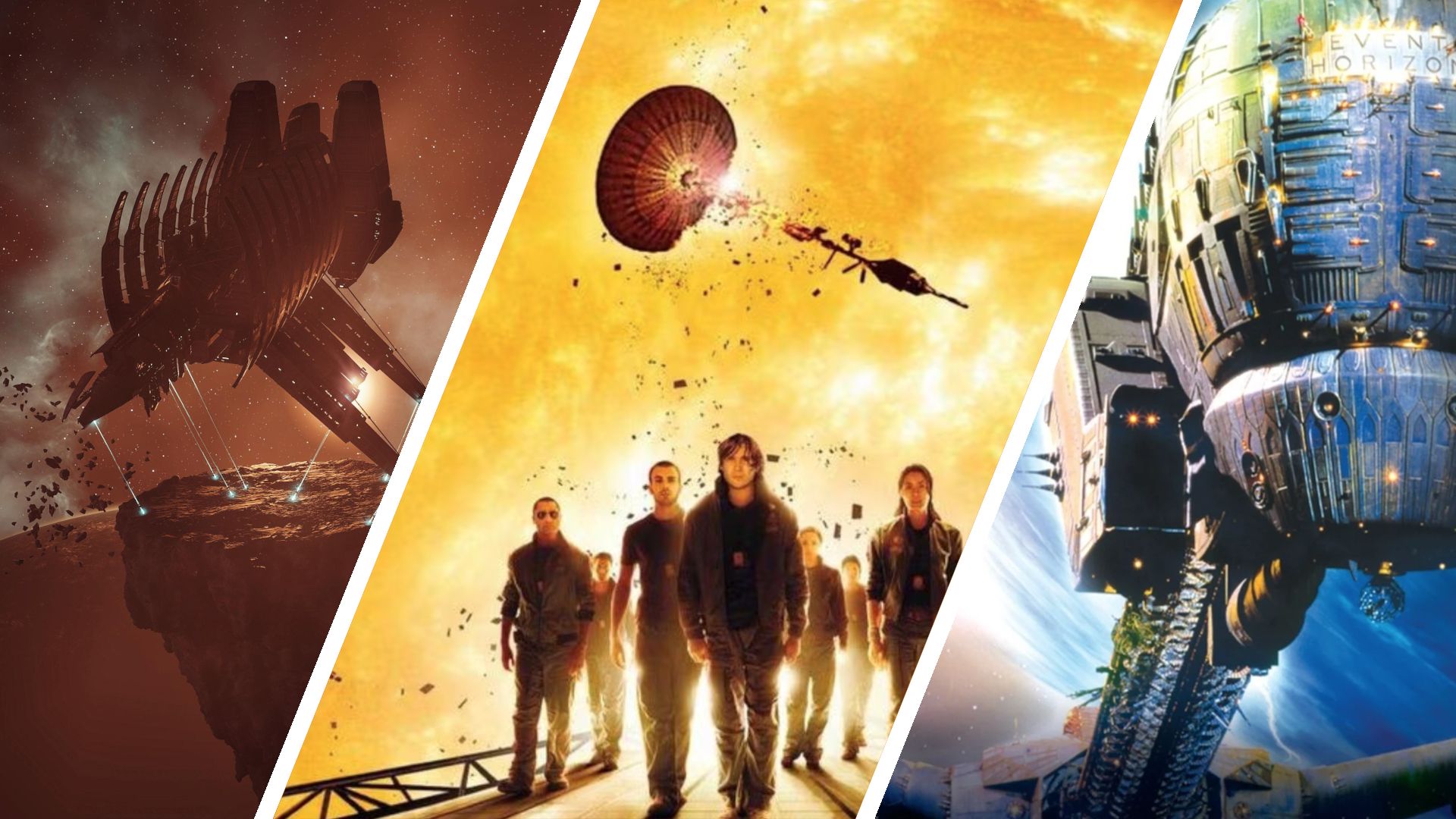
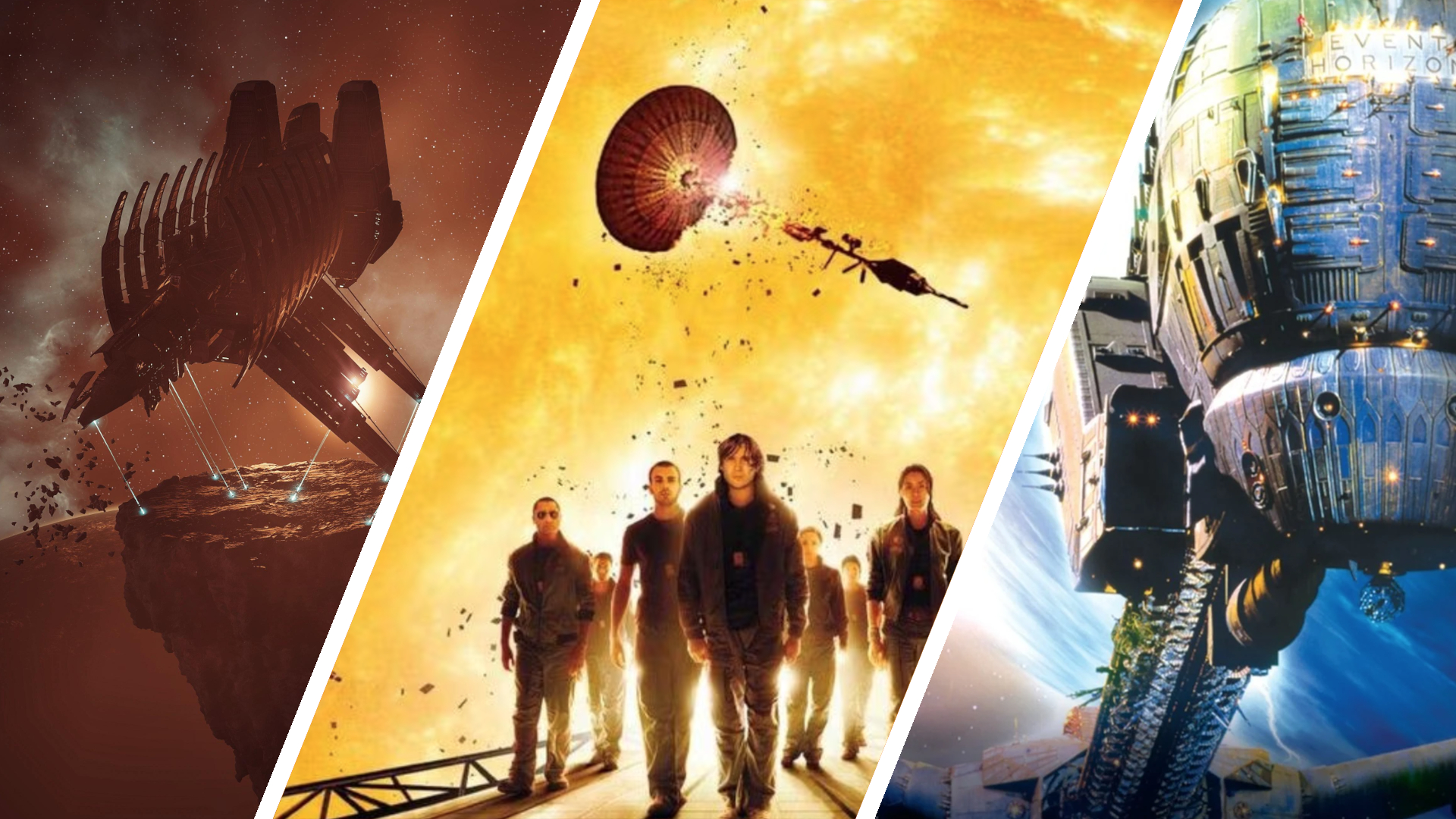
In the 2007 film Sunshine, the Icarus 1 represents the failure of a mission critical to the survival of the human species. Sent to reignite the dying sun, the vessel went dark, leaving a successor, the Icarus 2, to investigate its disappearance. The finding that the captain of the Icarus 1 had succumbed to religious mania and isolation highlights the psychological fragility of crews on long-term interstellar voyages. The ship is not just a derelict; it is a monument to the failure of human resolve under the crushing weight of existential stakes.
The Event Horizon: Supernatural Transgression
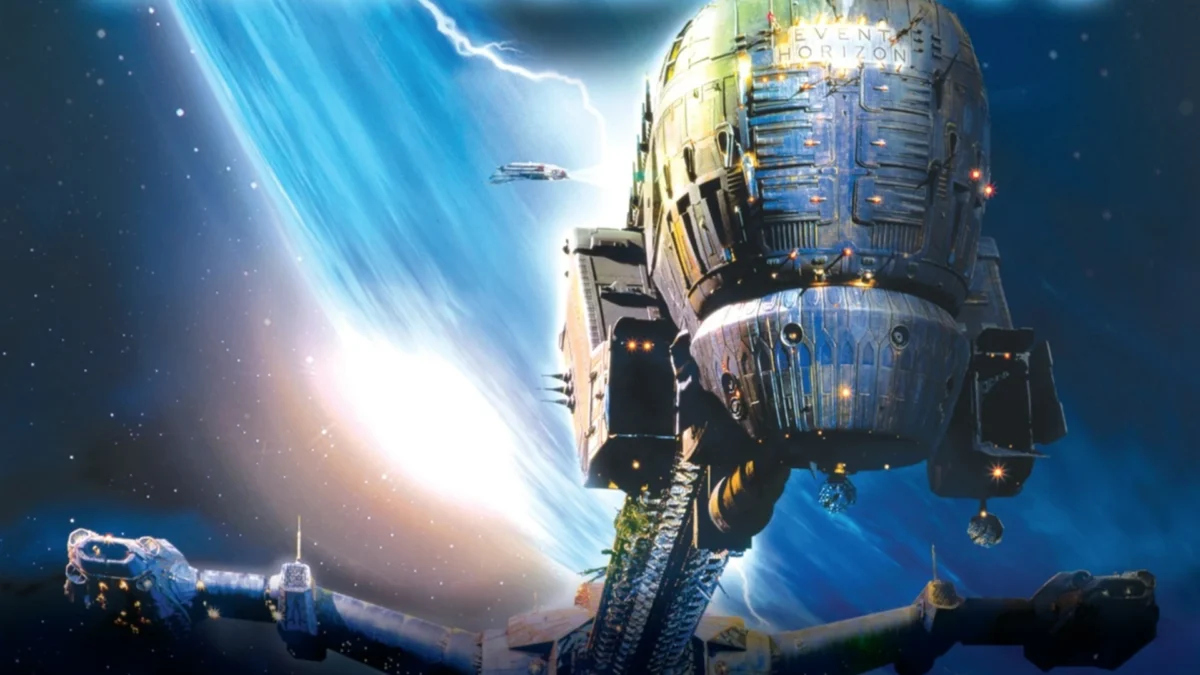
Released in 1997, Event Horizon introduced a radical concept: the fusion of science and the occult. The ship, designed to generate artificial gravity wells for faster-than-light travel, accidentally opened a gateway to a dimension of pure chaos. When the rescue ship Lewis and Clark boarded the Event Horizon, they were not just entering a derelict; they were entering a sentient vessel that had been "changed" by its experience in another realm. This ship serves as a warning against the transgression of natural laws, posing the question of what happens when technology ventures beyond the bounds of human morality and physical reality.
The Shenandoah: A Legacy of Industrial Exploitation
Finally, the Shenandoah, appearing in the 1985 film Creature (also known as Titan Find), mirrors the Alien narrative but focuses on the dangers of corporate prospecting. Sent to claim an archaeological site on Titan, the crew falls victim to a predatory organism that had been kept in stasis. The Shenandoah functions as a secondary setting for the film’s climax, emphasizing the theme that human greed—represented by the corporate mandate to secure resources at any cost—is often the catalyst for the catastrophic events that follow.
Analysis of Implications
The persistence of the derelict ship in science fiction highlights a consistent human anxiety regarding the unknown. These vessels are invariably portrayed as symbols of failure—whether through the lens of corporate negligence (as in Dead Space or The Expanse), psychological breakdown (Sunshine), or the hubris of exploration (Event Horizon).
The common thread across these nine examples is the breakdown of the "safe zone." A spacecraft, by definition, is a controlled environment designed to keep the vacuum of space at bay. When that environment is breached—either by a pathogen, a monster, or a malevolent force—the safety provided by the vessel evaporates. For viewers and readers alike, these stories serve as a reminder that in the vastness of the cosmos, the most dangerous threats are often those that we invite on board ourselves. As we continue to advance in real-world space exploration, the narrative warnings provided by these fictional disasters remain relevant: the necessity of rigorous safety protocols, the danger of underestimating the unknown, and the catastrophic potential of prioritizing corporate objectives over the sanctity of human life.