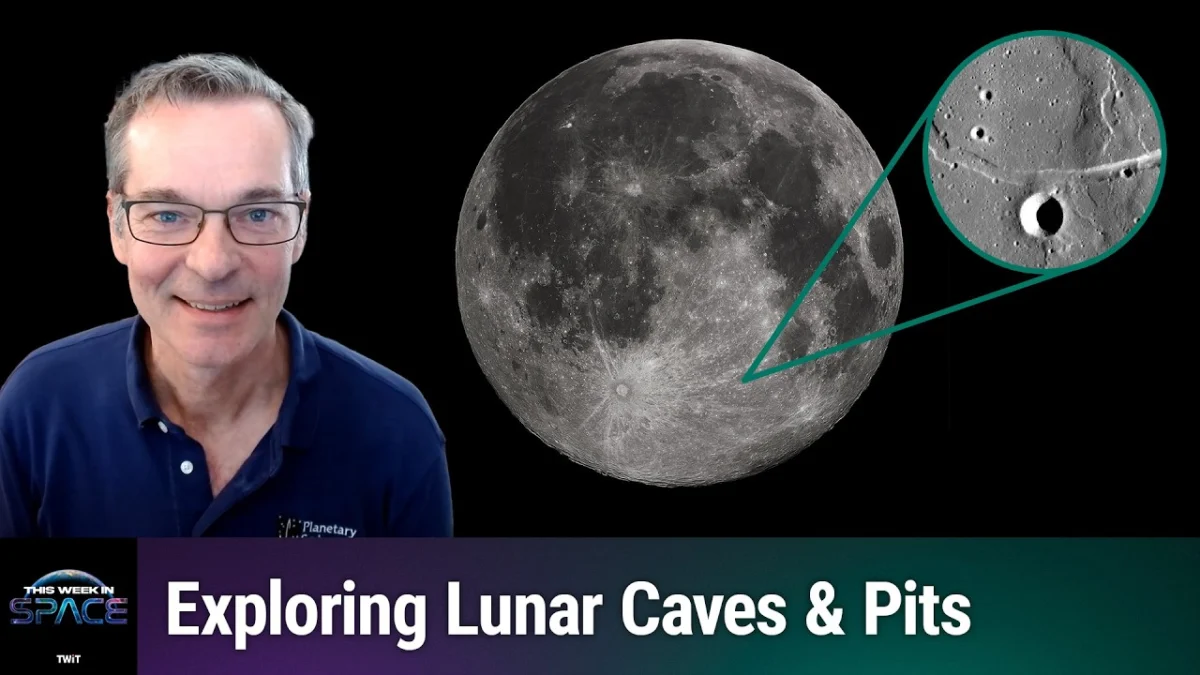
As humanity prepares for a sustained return to the lunar surface, space agencies and private contractors are increasingly looking beyond traditional surface habitats to solve the myriad challenges of lunar living. Among the most promising concepts is the potential for utilizing subterranean lunar lava tubes—natural, cavernous structures that could provide the ideal environment for a permanent human settlement. This concept takes center stage in the latest episode of "This Week in Space," where hosts Tariq Malik and Mike Wall, alongside guest expert Dr. Than Putzig of the Planetary Science Institute, explore the feasibility of inhabiting these geological relics.
The Geological Foundation of Lunar Lava Tubes
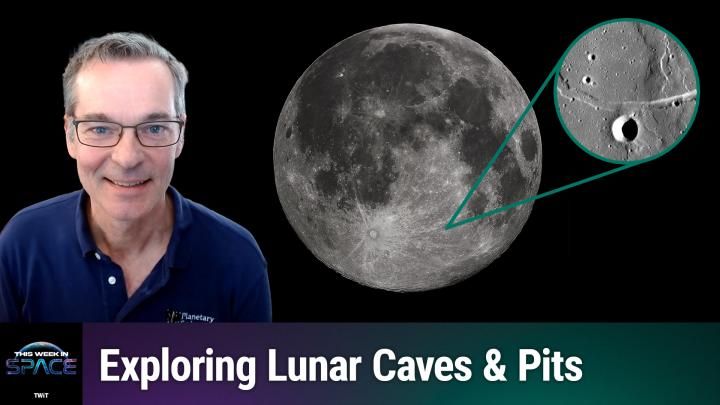
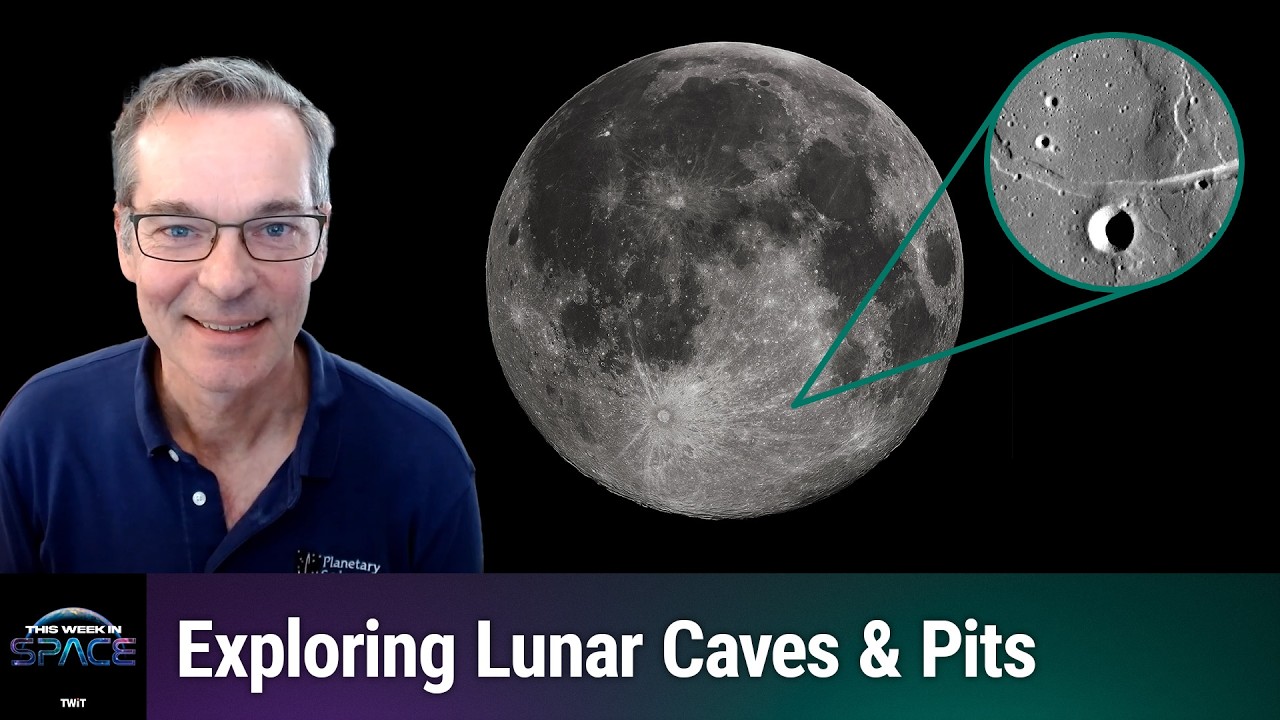
Lava tubes are volcanic conduits formed billions of years ago during the Moon’s geologically active past. As vast rivers of molten basalt flowed across the surface, the outer layers of these lava flows cooled and solidified, forming a hardened crust. Beneath this crust, the molten material continued to drain away, leaving behind hollow, pipe-like tunnels. Over eons, portions of the ceilings of these tubes have collapsed, creating "skylights" or pits, such as the Marius Hills Pit, which serves as a primary point of interest for current research.
The Marius Hills region, located in the Oceanus Procellarum, contains a series of these skylights that measure approximately 50 meters in diameter. Scientists believe these openings serve as gateways to extensive, shielded environments that have remained largely untouched by the harsh lunar conditions that ravage the surface.
The Rationale for Subterranean Habitation
Living on the Moon’s surface presents a series of extreme environmental hazards that complicate long-term human residency. Foremost among these are ionizing radiation, micrometeoroid impacts, and the extreme thermal fluctuations that occur between the lunar day and night.
- Radiation Protection: Lunar surface inhabitants would be exposed to high levels of galactic cosmic rays and solar particle events. A natural rock ceiling of several meters of basalt provides a significant barrier, potentially offering radiation shielding equivalent to that of Earth’s atmosphere.
- Thermal Stability: The lunar surface experiences temperature swings ranging from roughly 127 degrees Celsius during the day to -173 degrees Celsius at night. Within a lava tube, the thick rock walls provide a thermal mass that could maintain a relatively stable, moderate temperature, drastically reducing the energy required for climate control systems.
- Structural Integrity: Beyond environmental shielding, these caverns offer protection from the constant rain of micrometeoroids that threaten pressurized habitats and solar arrays on the surface.
Technological Advancements and Exploration Missions
Detecting and mapping these voids is a significant technological hurdle. Current orbital imagery is limited by resolution, making it difficult to determine the extent and stability of the tubes. Dr. Than Putzig emphasizes that the next generation of lunar exploration must prioritize geophysical instrumentation.
Proposed missions involve the deployment of specialized rovers equipped with ground-penetrating radar (GPR) and seismic sensors. These instruments can "ping" the subsurface, creating a high-resolution map of the voids beneath the lunar crust. By analyzing the echoes of these radar waves, researchers can estimate the height, width, and structural integrity of the tubes, ensuring that they are safe for human entry.
The evolution of these mission concepts is part of a broader trajectory:
- Orbital Reconnaissance: Utilizing high-resolution cameras (such as the Lunar Reconnaissance Orbiter’s NAC) to identify candidate pits.
- Robotic Scouting: Sending small, autonomous rovers to descend into the pits and map the interior environments.
- Human Pre-positioning: Delivering automated infrastructure to the site to establish power, life support, and airlocks before human arrival.
- Habitation: Establishing pressurized modules within the stable, protected cavern environment.
Synergy with NASA’s Artemis Program
The research into lava tubes fits strategically within NASA’s Artemis program, which aims to establish a permanent presence at the Moon’s South Pole. While the South Pole is favored for its "peaks of eternal light" and potential water ice deposits, the broader goal of lunar expansion requires secondary sites for diversified research and long-term settlement.
If the Marius Hills or similar lava tubes are confirmed to be structurally sound, they could function as logistical hubs. The scientific community posits that these sites could act as radiation-hardened storage facilities, command centers, or even industrial hubs for processing lunar resources like regolith into building materials. By anchoring a habitat within a lava tube, NASA could reduce the mass of shielding material required to be launched from Earth—a critical factor in the economics of space exploration.
Challenges to Implementation
Despite the clear benefits, significant engineering challenges remain. Accessing a 50-meter-deep pit requires advanced descent technologies. Conventional rover designs are ill-suited for the vertical navigation required to enter a lava tube. Engineers are currently exploring tethered robotic explorers, multi-legged "spider" bots, and even micro-drone swarms capable of scouting the cavernous interiors.
Furthermore, there is the issue of atmospheric sealing. While the lava tubes are natural "caves," they are not airtight. Sealing a cavernous space of such magnitude presents a monumental construction task. It is more likely that early missions will focus on placing modular, pressurized habitats within the tube rather than attempting to pressurize the entire natural structure.
Economic and Industrial Perspectives
The conversation regarding lunar living is no longer confined to government agencies. The private sector, driven by companies like SpaceX, Blue Origin, and various robotics startups, is creating a new ecosystem for space infrastructure. The availability of the Estes model of the SpaceX Falcon 9, while a consumer-grade product, highlights the growing cultural and commercial interest in space flight, which continues to drive investment into the sector.
The economic reality of the "New Space Age" is that sustainable exploration requires a reduction in launch costs and an increase in on-site resource utilization (ISRU). If lava tubes can provide the necessary protection for hardware and personnel, the cost-to-benefit ratio of establishing a lunar base improves dramatically. By leveraging the natural topography of the Moon, agencies can focus their limited budgets on complex science and exploration rather than basic survival.
Future Outlook and Research Implications
As we look toward the 2030s and beyond, the study of lunar lava tubes represents a pivot from "flag and footprint" exploration to permanent, sustainable habitation. The work being discussed by experts like Dr. Putzig is foundational; before a human can safely descend into a dark, subterranean lunar vault, the digital mapping of these structures must be completed.
The implications extend beyond the Moon. Lessons learned in navigating and utilizing volcanic subterranean environments are directly applicable to future Mars missions. The Red Planet, which also features extensive lava tube systems, will likely require similar strategies for sheltering crews from its thin atmosphere and intense radiation environment.
In conclusion, the prospect of living inside the Moon is shifting from the realm of science fiction into the category of serious engineering study. Through the collaboration of planetary scientists, robotics engineers, and international space agencies, the cavernous lava tubes of the Moon may eventually transition from mysterious geological curiosities to the primary homes of the first lunar colonists. As we continue to refine our robotic eyes and ears, the secrets of these hidden, subterranean worlds are destined to be unveiled, paving the way for a permanent human presence in the final frontier.