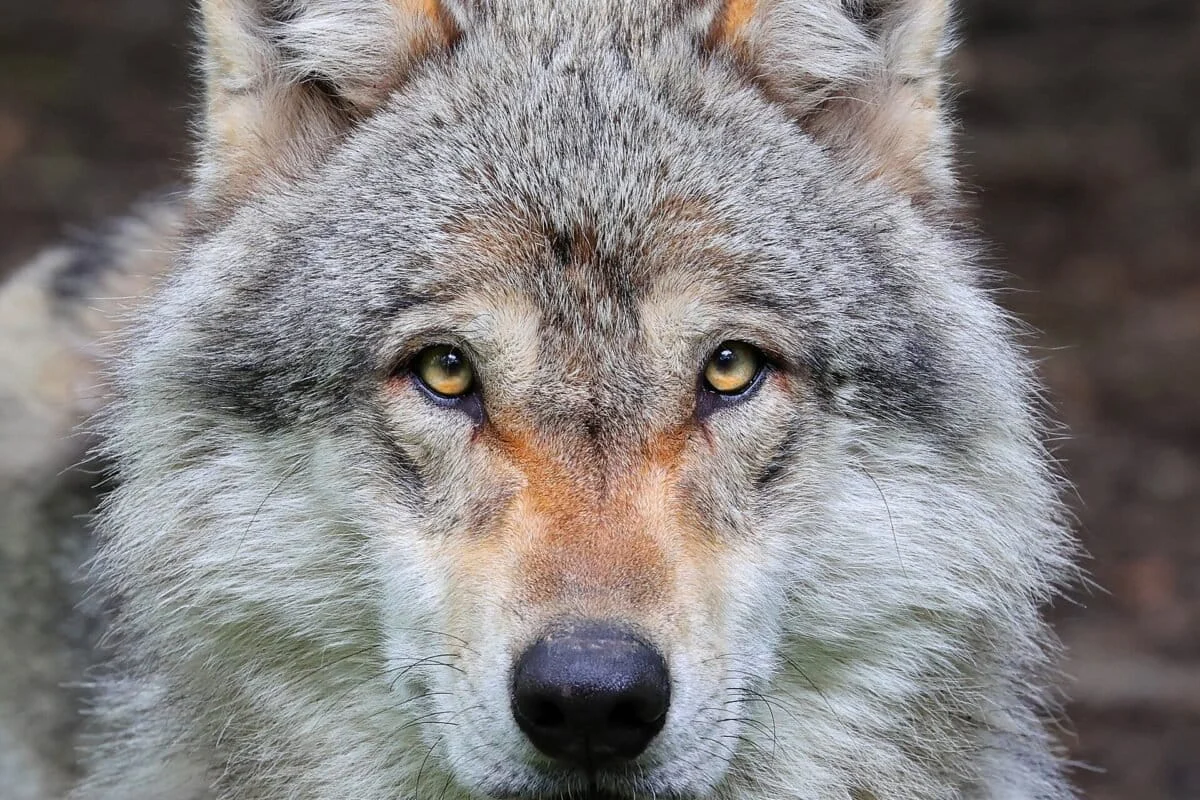
The landscape of Western and Central Europe is undergoing a profound ecological transformation as Eurasian gray wolves (Canis lupus lupus) stage a remarkable comeback across the continent. Once driven to near-extinction by systematic eradication campaigns spanning the Middle Ages to the mid-20th century, wolf populations have rebounded dramatically over the past two decades. Fueled by stringent international legal protections, most notably the 1979 Bern Convention on the Conservation of European Wildlife and Natural Habitats, the continent’s wolf population surged by an estimated 58% between 2012 and 2022, reaching approximately 21,500 individuals.
While conservationists celebrate this trend as a landmark success for biodiversity, the rapid return of large carnivores has intensified long-standing socioeconomic conflicts. The resurgence has reopened deep fractures between conservation mandates and rural livelihoods, particularly within the agricultural sector. As wolves reclaim ancestral habitats in human-dominated landscapes, livestock predation has emerged as a central flashpoint, prompting the European Union to recalibrate its long-standing protection frameworks and igniting a fierce continental debate over the future of wildlife management.
Historical Context and the Mechanics of the Rebound
To understand the current dynamics of Europe’s wolf populations, researchers emphasize the necessity of examining the historical timeline of eradication and recovery. From the early modern period through the mid-1900s, state-sponsored bounties, poisoning, and widespread deforestation decimated wolf numbers across Central and Western Europe. By the mid-20th century, wolves had been entirely eliminated from vast regions, persisting primarily in Eastern Europe and isolated pockets of the Mediterranean.
The turning point for the species arrived with the implementation of robust conservation legislation in the late 1970s and 1980s. Strict legal protections prohibited intentional killing, capture, and the destruction of breeding sites. Relieved of human persecution, wolf populations in source populations began expanding outward, naturally recolonizing neighboring countries where they had been absent for generations.
Germany serves as a primary case study for this ecological shift. Following decades of absence, the country documented its first successful wolf reproduction in the year 2000. Over the ensuing quarter-century, populations expanded steadily, particularly in the northeastern federal states, which now host some of the highest wolf densities on the planet. Conversely, countries such as the Netherlands and Belgium have experienced the return of wolves only within the past decade, creating a fragmented distribution map where national population statuses vary wildly.
Uneven Distribution and the Loss of Coexistence Knowledge
This uneven geographical recovery has introduced significant systemic complications. Countries with continuous, uninterrupted wolf populations—such as those in parts of Southern and Eastern Europe—have maintained traditional husbandry methods, such as night-time enclosures, sturdy fencing, and the use of livestock guardian dogs. This accumulated generational knowledge has allowed farmers to adapt continuously to the presence of large carnivores.
In contrast, nations that experienced a century or more of absolute wolf absence lost these protective practices. When wolves naturally recolonized open agricultural landscapes in countries like Germany and the Netherlands, local livestock was largely unprotected against apex predators. Sheep and cattle grazing in expansive pastures became vulnerable targets. Consequently, livestock predation incidents spiked, resulting in severe financial and emotional stress for farmers who lacked the contemporary infrastructure, technical expertise, or financial backing to safeguard their herds.
The Policy Pivot: EU Relaxes Protection Status
As population numbers climbed past biological thresholds previously established for species recovery, political pressure from agricultural lobbies mounted significantly. Farming unions argued that strict protection measures prioritized wildlife over rural economies and the preservation of traditional cultural landscapes, such as historic shepherding practices used for open-habitat maintenance.
Responding to these pressures, the European Union voted in 2024 to downgrade the protected status of Eurasian gray wolves under the Bern Convention, shifting the species from "strictly protected" to "protected." This regulatory adjustment empowers national and regional governments to implement more flexible management strategies, including the potential use of culling and lethal control to mitigate agricultural damage.
The policy shift has triggered a sharp division among stakeholders. Farming communities and rural representatives largely welcomed the decision, viewing it as a necessary acknowledgment of the socioeconomic realities of living alongside large carnivores. However, environmental organizations and conservation groups have strongly condemned the move. The World Wide Fund for Nature (WWF) issued a formal statement warning that wolf populations have only recently begun to recover from historical extinction, and that weakening their legal safeguards could jeopardize a fragile ecological recovery.
Scientific Perspectives on Management and Mitigation
Social and ecological scientists studying human-wildlife interactions argue that the debate surrounding wolf management is frequently oversimplified by media narratives portraying a rigid dichotomy between absolute wolf protection and unmitigated eradication.
Research conducted by social scientists, including studies focusing on public perceptions in Germany, suggests that public attitudes toward wolves are far more nuanced than prevailing political rhetoric implies. Surveys consistently indicate that the general populace often holds moderate views, typically opposing lethal control unless human safety is directly threatened, while still acknowledging the validity of farmers’ economic concerns.
Experts emphasize that effective future management requires moving beyond polarized arguments of "wolves versus livestock" toward a holistic framework characterized by "livestock with wolves." Achieving this paradigm requires substantial structural and financial support from governments to equip farmers with effective, non-lethal protection measures. Data consistently shows that preventive measures, such as electric fencing and guardian animals, are significantly more effective at reducing predation than lethal culling, which can destabilize wolf pack social structures and inadvertently increase predation rates by younger, inexperienced animals.
Furthermore, researchers advocate for three core evidence-based strategies to navigate future coexistence:
- Standardized cross-border ecological data collection and monitoring to accurately assess population movements and dynamics across human geopolitical boundaries.
- Collaborative assessments of management tools, allowing newly recolonized countries to adopt proven practices from nations with decades of coexistence experience.
- Dedicated attention to the human dimensions of the conflict, ensuring that administrative burdens for financial compensation and protective subsidies are minimized for agricultural workers.
Implications for the Future of European Ecosystems
The ongoing evolution of wolf management in Europe highlights broader philosophical questions regarding humanity’s relationship with the natural world. Traditional European conservation models have often operated under a Western-centric paradigm that views nature as a resource requiring strict human control or separation.
As policymakers, scientists, and rural communities grapple with the complexities of managing recovering apex predators, many experts argue that long-term sustainability will depend on integrating diverse perspectives and fostering greater societal acceptance of ecological risk. Whether the European Union’s recent downgrading of wolf protections will successfully alleviate rural tensions or merely undermine decades of conservation progress remains one of the most pressing and contentious environmental questions facing the continent today.