For 15 years, Toronto served as the preeminent North American model for sustainable urban planning, demonstrating how a municipal green roof mandate could systematically transform a skyline. Its 2009 bylaw—the first of its kind on the continent to enforce both the inclusion of green roofs and rigorous construction standards—resulted in the successful installation of more than 1,200 living roof systems across the city. However, on November 3, 2025, the Ontario provincial government abruptly revoked the specific provision within the City of Toronto Act that empowered this mandate. The decision, executed without a phase-out period or advance notice, marks a significant pivot in regional environmental policy and highlights a broader, emerging tension between housing development pressures and sustainability requirements.
This reversal is emblematic of the state of green roof policy as of early 2026. While the environmental benefits of vegetation-covered rooftops are well-documented, the political and economic appetite for mandatory installation is increasingly fragmented. In many jurisdictions, the urgent need to address housing affordability has led governments to scrutinize or eliminate “green” mandates that add to construction costs. Conversely, other municipalities are doubling down, integrating green roofs into broader climate resilience strategies. As the policy environment shifts, building owners, developers, and homeowners are forced to navigate a complex landscape of incentives, mandates, and economic trade-offs to determine which roofing solution provides the most long-term value.
Understanding the Mechanics and Economics of Living Roofs
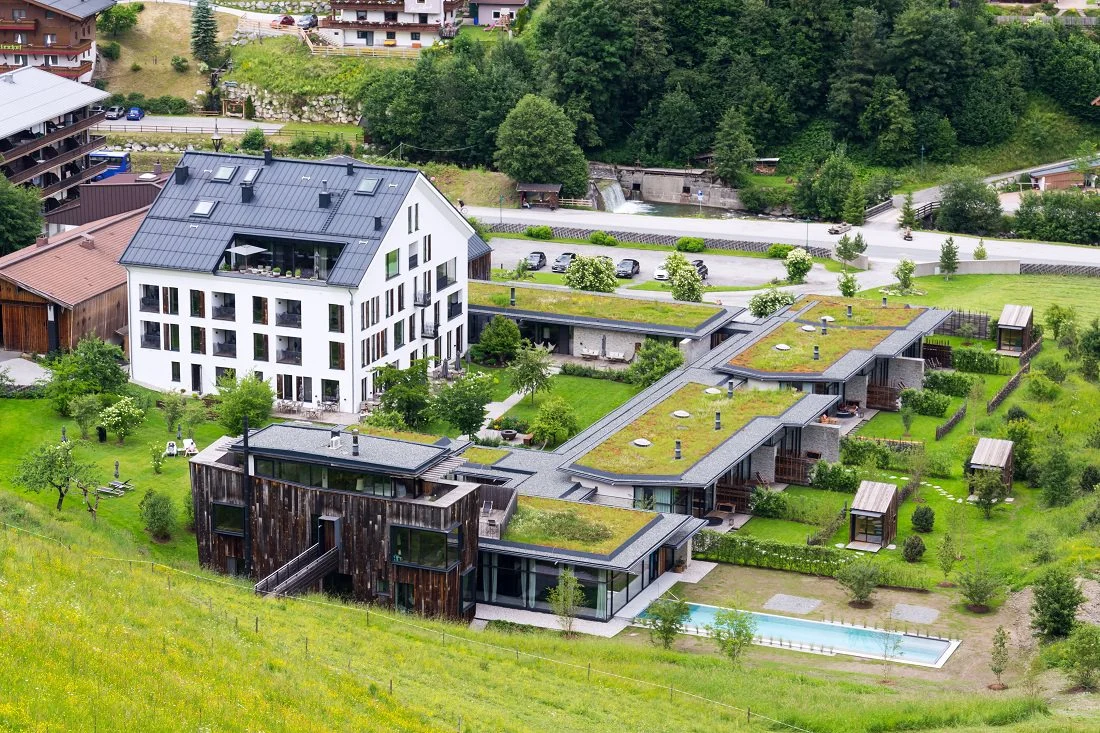
At their core, green roofs—also known as living roofs or ecoroofs—are sophisticated engineered systems that support vegetation atop a building’s structural framework. Modern iterations are far removed from traditional, rudimentary sod roofs. A contemporary installation typically requires a multi-layered assembly: a high-quality, root-repellent waterproof membrane, a specialized drainage layer, a filter cloth, and a carefully calculated growing medium.
These systems generally fall into two categories: extensive and intensive. Extensive roofs utilize a shallow layer of lightweight soil (often only a few inches) and prioritize hardy, drought-tolerant flora like sedums, requiring minimal maintenance. Intensive roofs feature deeper soil profiles capable of supporting larger shrubs, grasses, and occasionally small trees, often designed for human recreation and public access. The economic disparity is significant; data from the Environmental Protection Agency indicates that simple, non-accessible extensive roofs can cost between 10% and 33% of the price of an intensive, public-use garden roof.

Beyond aesthetics and insulation, these systems are a critical component of climate mitigation. Project Drawdown, a leading authority on climate solutions, ranks green and cool roofs as the 73rd most effective method for reducing global warming, with the potential to sequester or avoid 0.77 gigatons of carbon dioxide by 2050. Achieving this would require green roofs to cover 30% of global roof space, alongside 60% coverage for cool roofs, resulting in approximately 407 billion square feet of high-efficiency roofing.
Environmental Performance and Scientific Validation
The scientific consensus regarding the efficacy of green roofs has only strengthened in recent years. A 2024 study published in Nature Cities demonstrated that wide-scale implementation of green roofs in Seoul could reduce building energy use intensity by as much as 7.7%. Furthermore, research published in Nature Urban Sustainability projected that by 2100, the combination of green and cool roofs could reduce HVAC energy consumption by nearly 72% across six major international cities.
Temperature regulation remains a primary benefit. A 2023 meta-analysis confirmed that during summer months, green roofs reduce rooftop surface temperatures by an average of 30°C (54°F). This thermal mass effect provides substantial relief for the "urban heat island" effect, where cities experience significantly higher temperatures than surrounding rural areas due to dense concentrations of pavement and buildings. Despite the removal of certain federal resources under the previous U.S. administration, historical data from the U.S. General Services Administration previously estimated that energy savings from green roofs on commercial and public buildings effectively pay for the initial installation costs within approximately 6.2 years.
The Toronto Precedent: A Case Study in Policy Volatility
Toronto’s 2009 bylaw was a landmark in urban policy, applying to new commercial, institutional, and multi-unit residential developments exceeding 2,000 square meters. The city provided flexibility for developers who could not meet the criteria, allowing a payment of $200 CAD per square meter into a city fund. This revenue was often redirected toward green infrastructure projects elsewhere in the city.
The repeal of this mandate followed the passage of Bill 17, the Protect Ontario by Building Faster and Smarter Act, which cleared the legislature on June 3, 2025. The provincial government argued that the city’s green roof requirements exceeded the scope of the Ontario Building Code, creating unnecessary regulatory burdens. While the city challenged this interpretation, the provincial government moved forward with the repeal. Steven Peck, founder of Green Roofs for Healthy Cities, noted that the cost of these roofs added roughly $1 to $2.50 CAD per square foot of condo space—a negligible amount compared to unit prices ranging from $800 to $1,200 CAD per square foot. While the mandate is gone, the city continues to promote green roofs through the Eco-Roof Incentive Program for existing buildings, signaling a transition from enforcement to voluntary adoption.

Regional Divergence: A 2026 Policy Snapshot
The North American approach to green roofing has split into three distinct paths: the "Menu" approach, the "Hard Mandate" approach, and the "Voluntary/Incentive" approach.
New York City and San Francisco have largely embraced the "Menu" or "Choice" model. NYC’s Local Laws 92 and 94 (2019) require a "sustainable roofing zone" that allows developers to choose between green roofs, solar arrays, or a hybrid of both. This approach acknowledges that solar power and vegetation offer different, yet complementary, sustainability benefits. San Francisco’s "Better Roofs Ordinance" follows a similar logic, requiring 15% solar coverage or 30% living roof coverage, with specific requirements for certain districts.
In contrast, Massachusetts cities such as Cambridge and Somerville have tightened their requirements. Cambridge currently mandates that new buildings over 25,000 square feet dedicate 80% of available roof area to green or solar systems, with a significant financial penalty for those who choose not to build. Somerville enacted even stricter regulations in late 2023, effectively mandating vegetation on 80% of roof space for new mid-to-high-rise projects.
Internationally, the debate remains contentious. France, which recently increased its solar or green roof mandate requirements to 40% as of July 2026, is currently debating legislation that would prioritize solar to the exclusion of vegetation. This move highlights the friction between biodiversity goals and renewable energy targets.
The Role of Financial Incentives and Barriers to Adoption
The disparity between policy and practice often comes down to economics. In New York City, property tax abatements for green roofs were extended in June 2026, yet uptake remains low. A 2024 analysis revealed that only a handful of buildings had successfully claimed the tax break, suggesting that the complexity of the application process or the high initial capital expenditure continues to deter private owners. Conversely, Chicago’s floor-area-ratio bonus—which allows developers to build more square footage in exchange for installing a green roof—has proven to be a highly effective, market-based tool that avoids the "stick" of a strict mandate.

Despite the proven environmental and energy-saving benefits, three primary barriers persist:
- High Initial Capital Expenditure: The upfront cost of installing a robust green roof remains high, particularly for retrofits where structural reinforcement of the building may be necessary.
- Lack of Public Awareness: Many private developers and homeowners are unaware of the long-term ROI provided by green roofs, often viewing them strictly as an aesthetic luxury rather than an infrastructure asset.
- Fragmented Government Support: Inconsistent policy signals—such as the sudden repeal in Ontario—create uncertainty for investors and developers who require long-term stability to justify the integration of green systems into their project life cycles.
Future Outlook and Strategic Planning
As 2026 progresses, the focus for policymakers is likely to shift toward "Performance-Based" models. Rather than prescribing specific materials, cities are increasingly looking toward tools like the Living Architecture Performance Tool, which allows for the assessment of various green infrastructure components based on their contribution to storm-water management, energy efficiency, and biodiversity.
For developers and homeowners, the current reality requires a nuanced approach to building design. Before embarking on a green roof project, it is essential to conduct a full structural analysis, research local tax credits, and evaluate the specific climate conditions of the site. While the legislative environment may fluctuate, the fundamental physics of the urban environment remains unchanged: cities are getting hotter, rainfall patterns are becoming more erratic, and the demand for climate-resilient buildings is at an all-time high. Whether through a legislative mandate or an internal sustainability strategy, the integration of living architecture into the urban fabric is no longer just an environmental ideal—it is a practical necessity for the long-term viability of the modern metropolis.