The traditional Friday night lights of autumn usually signal the roar of high school football crowds, the marching bands, and the timeless rituals of American suburban life. But on a crisp October weekend at Takoma Academy in Takoma Park, Maryland, the Friday night lights illuminated a very different kind of gathering. Instead of cheering fans packing the stadium bleachers, the school’s gymnasium, hallways, and sprawling parking lots were jammed to capacity with hundreds of people desperate for a commodity that has increasingly felt out of reach: basic healthcare.
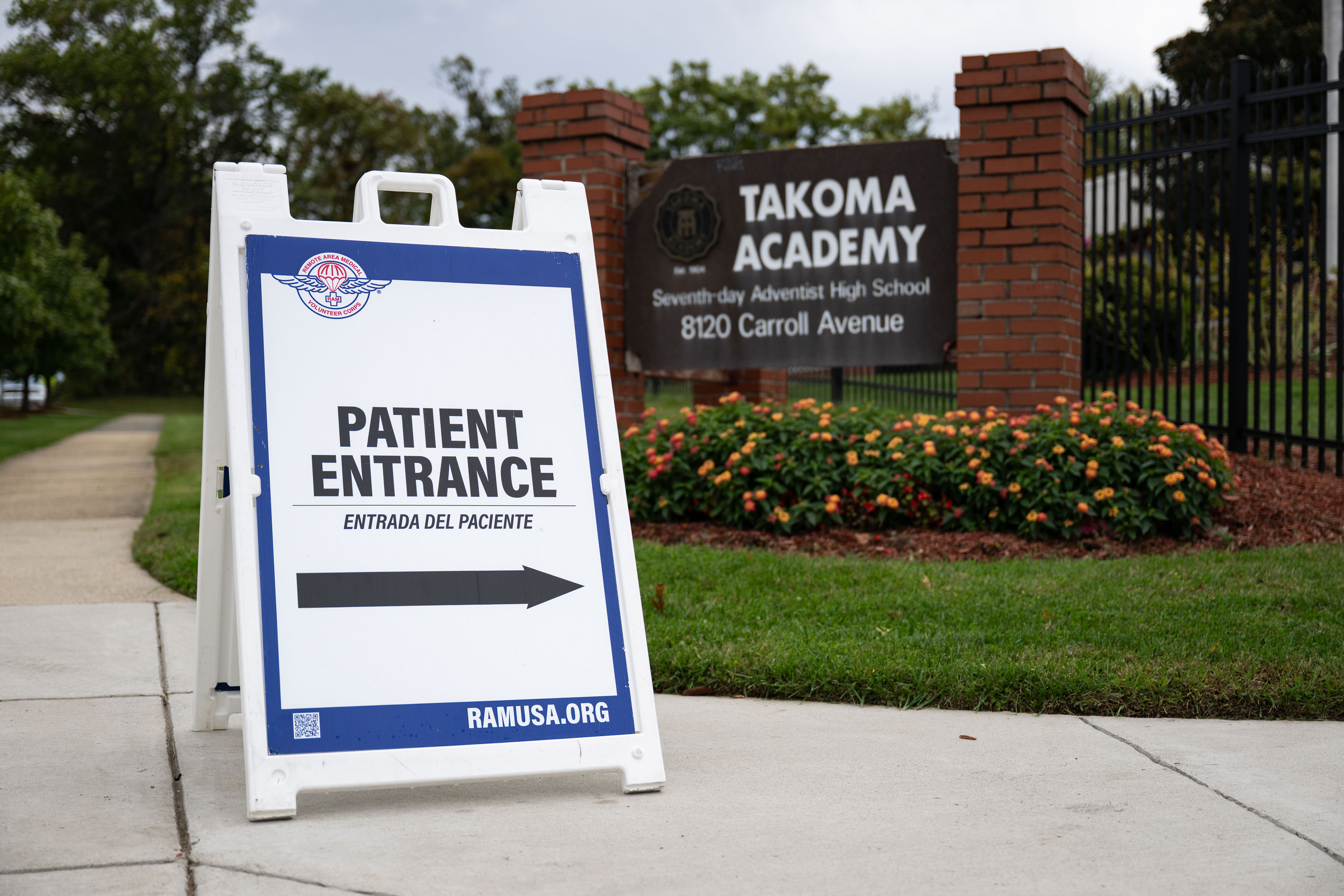
Long before the sun rose on Saturday, October 17, the scene outside the suburban Washington, D.C., private school resembled a disaster relief staging ground rather than an educational institution. By 4 a.m., roughly three hours before the official 6 a.m. opening time, approximately 80 cars lined the perimeter. Dozens of patients had spent the entire night sleeping in their vehicles, enduring cramped conditions and October chill simply to secure a numbered ticket guaranteeing them a spot in line.
This stark tableau unfolded just eight miles northeast of the U.S. Capitol. On paper, Takoma Park and the surrounding Montgomery County represent an image of American prosperity. According to U.S. Census Bureau data, the median household income in the area tops $108,000, and roughly 94% of the population carries some form of health insurance. Yet, as the 2026 election season accelerates, affordability has emerged as the defining issue for voters, with national polling consistently showing that high healthcare costs are a primary concern for households across the political spectrum. The pop-up clinic served as a visceral reminder that having insurance and living in an affluent region does not necessarily equate to having access to affordable, comprehensive medical care.
A Chronology of Desperation: The Overnight Wait
The logistics of the weekend clinic orchestrated by Remote Area Medical (RAM), a prominent Tennessee-based nonprofit health clinic provider, highlight the extraordinary lengths to which patients must go to receive treatment. Clinic coordinators established a systematic intake process to manage the overwhelming demand: as vehicles arrived in the parking lot, patients were assigned sequential numbers denoting their place in line. Rather than standing outside for hours, patients were required to remain on site and monitor their phones, receiving text message notifications when it was finally their turn to enter the facility.
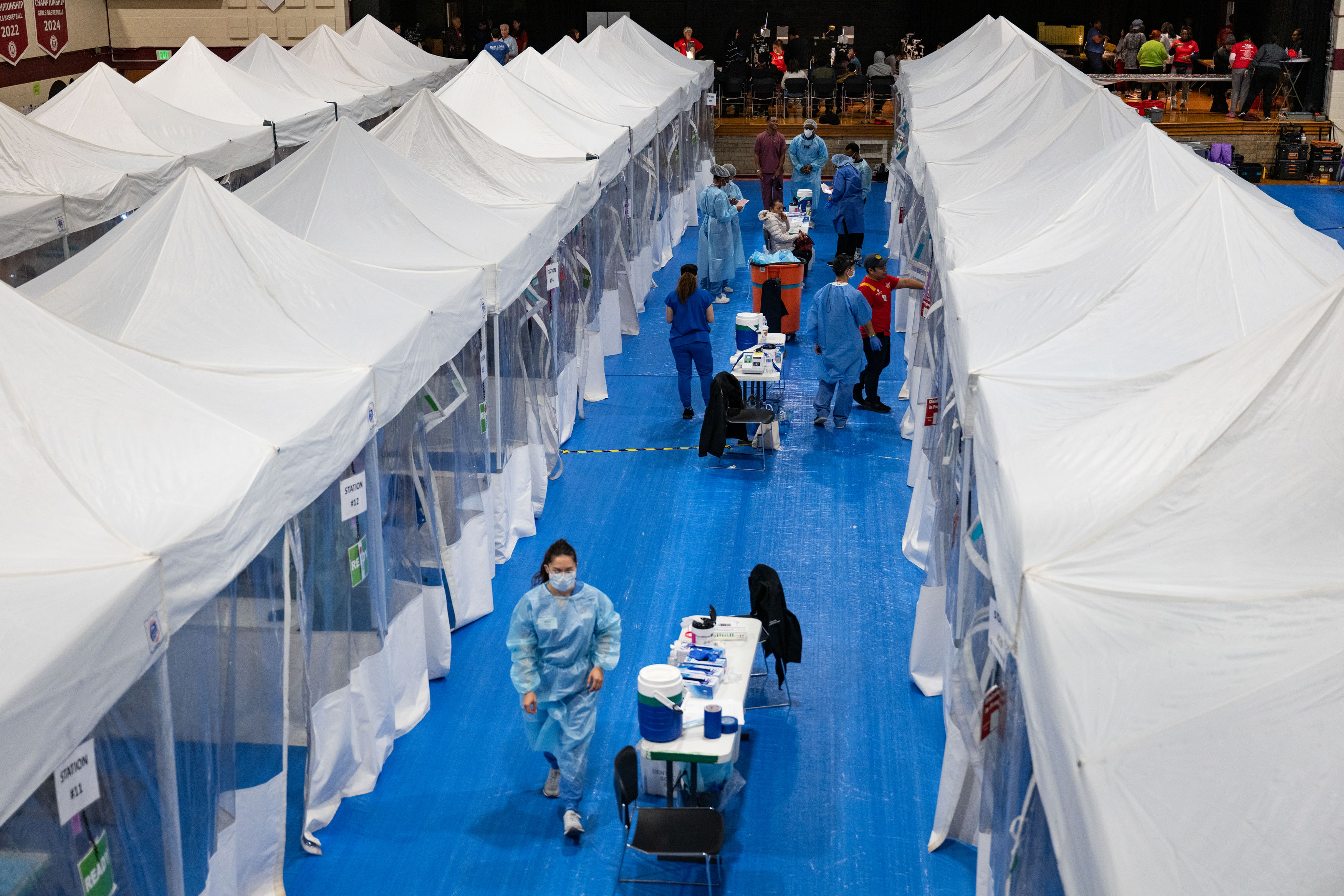
For Kenys Bautista, the waiting began before midnight. Having driven 20 minutes from her home in Wheaton, Maryland, she arrived at the school late Friday evening to ensure she did not miss out. Bautista, who works as a payroll specialist for a small local business, has spent the past three years forgoing essential medical and dental checkups. Her employer offers no health benefits, and out-of-pocket costs on the open market are prohibitive.
"It’s really sad that a lot of people like me had to sleep in their car just to see a doctor or dentist because we do not have health insurance," Bautista said, reflecting on the systemic gaps that forced her into a gymnasium line in the middle of the night.
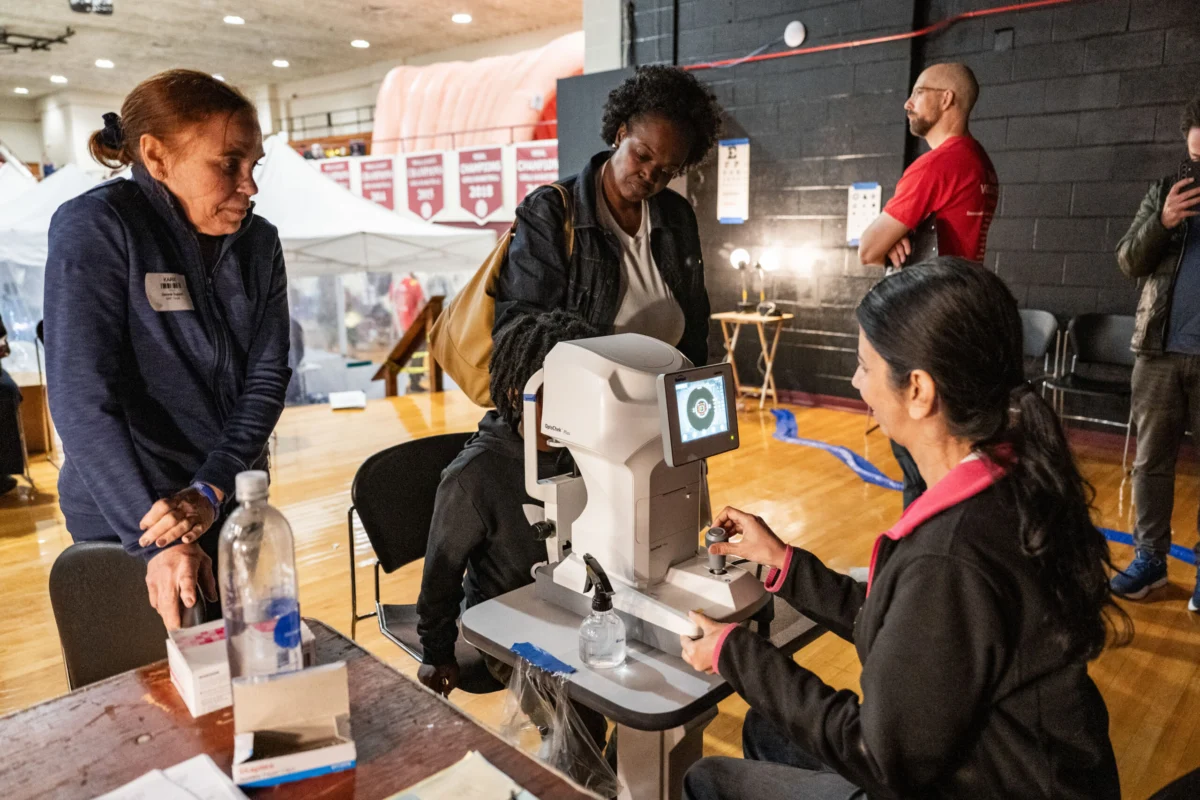
Bautista was far from alone. Over the course of the weekend, the clinic served 467 patients. The vast majority received critical medical and dental treatments, while 99 individuals underwent comprehensive vision exams, many walking out into the autumn daylight with brand-new pairs of custom-fitted eyeglasses.
The Underinsured Epidemic: When Coverage Is Not Enough
While the uninsured made up a significant portion of the crowd, clinic organizers and health policy experts pointed out a troubling modern trend: roughly one in four patients at the Takoma Park event actually possessed health insurance, including coverage through employer-sponsored plans or Medicare. For these individuals, the barrier was not a lack of insurance cards, but rather the crushing weight of high deductibles, excessive copayments, and glaring omissions in standard benefit packages.
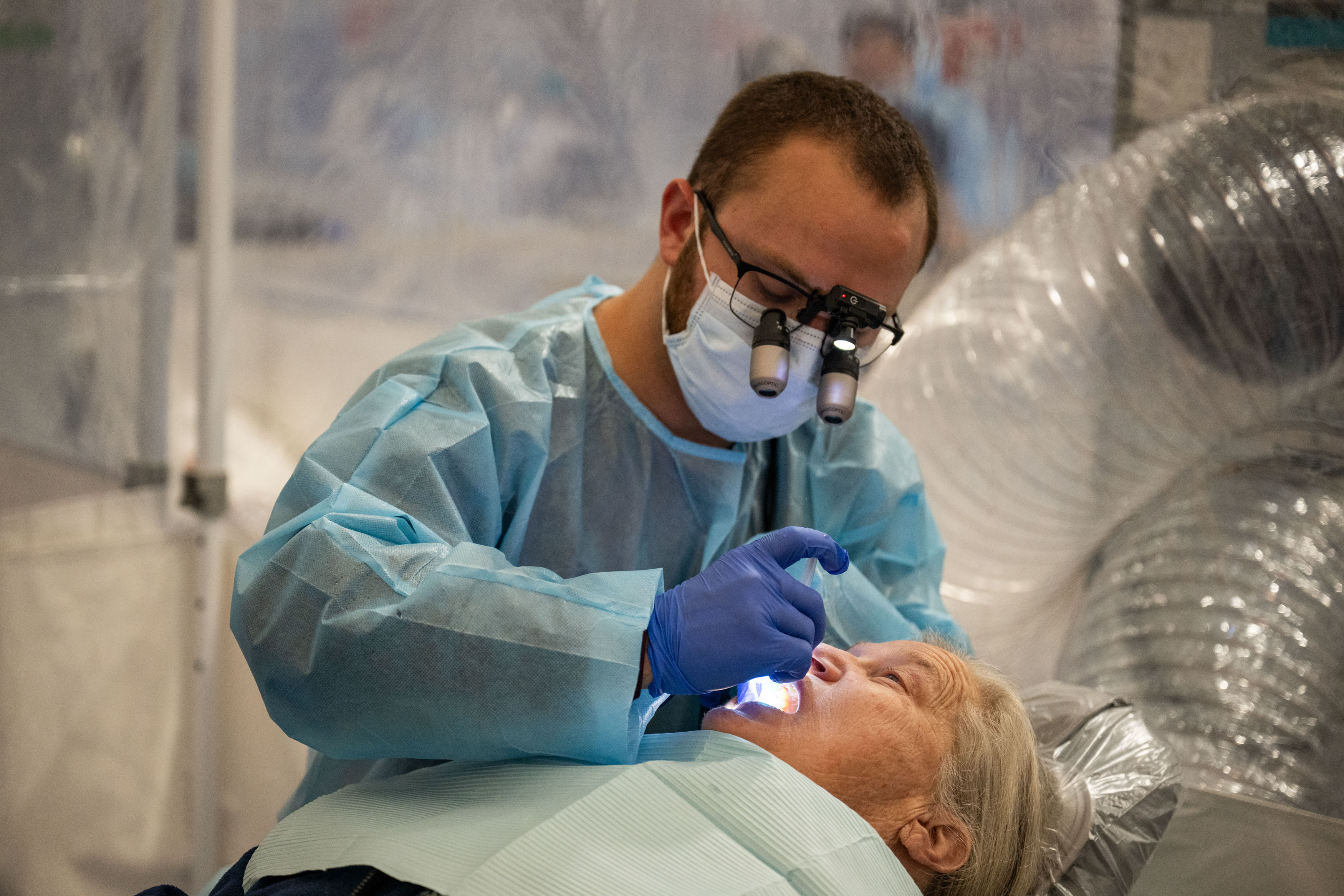
Alma Walton, a 59-year-old resident of Camp Springs, Maryland, embodies this demographic. Walton relies on Medicare for her healthcare needs, but standard Medicare does not cover routine dental care. Over the summer, one of her dental fillings cracked, but she postponed seeking treatment because she could not afford out-of-pocket dental fees. Arriving at the clinic around 1:30 a.m., Walton secured the 59th spot in line.
By 11 a.m., Walton was reclined in a dental chair inside one of 30 specialized treatment tents erected across the gymnasium floor. Volunteer dentist John Renzi leaned over her, shining a high-intensity clinical light into her open mouth as he prepared to replace the compromised filling.
"You got here just in time," Renzi told her moments before beginning the procedure. "Any longer and this tooth would have been a goner."
Walton admitted she never imagined she would need to rely on a charitable pop-up clinic. "I never thought I would need a clinic like this, but it’s gotten so expensive in the world," she said.
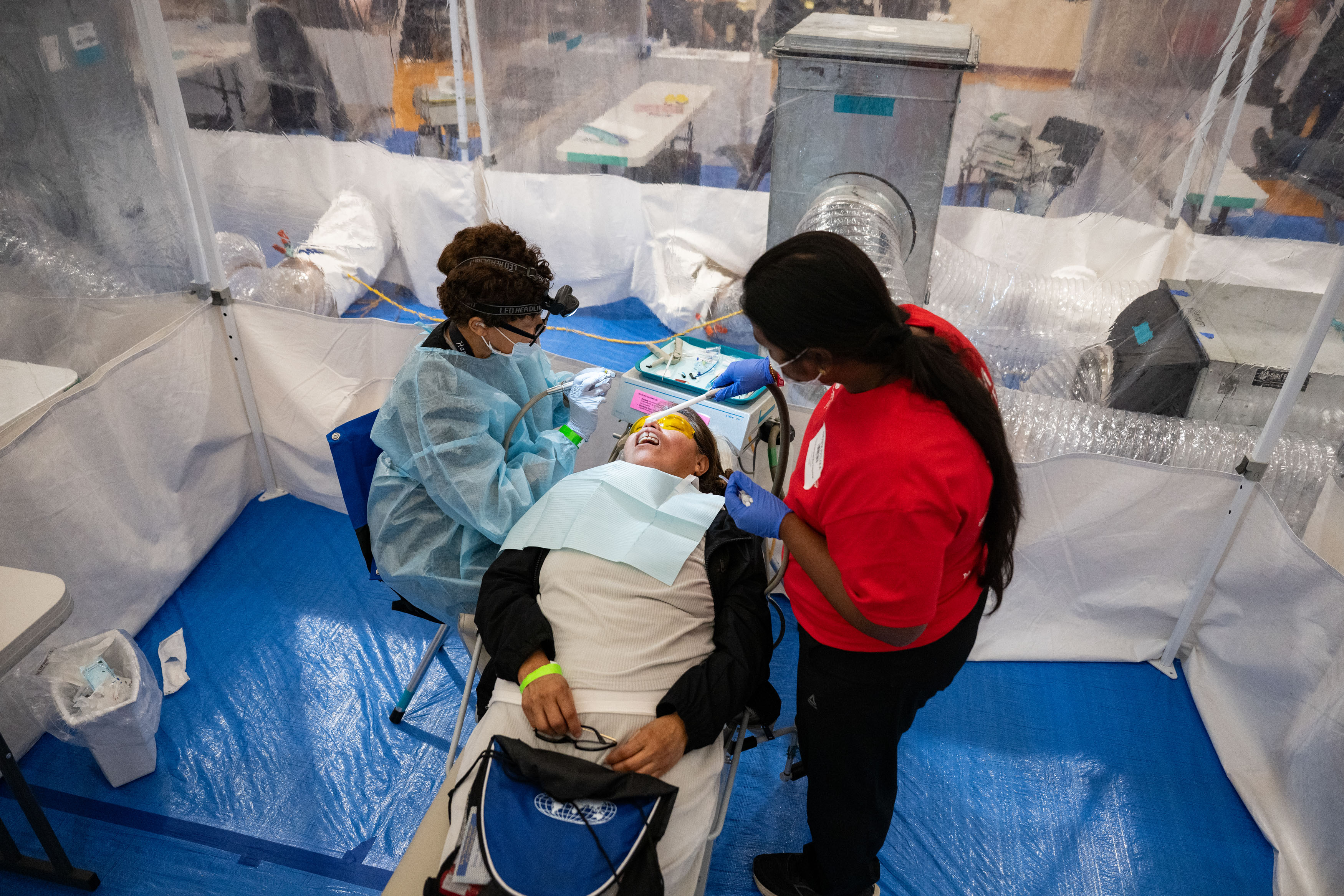
The financial squeeze has also impacted public sector workers—a demographic traditionally viewed as immune to escalating medical expenses due to stable employment and comprehensive benefits. Cheromie Johnson, an employee for the District of Columbia government, arrived at the clinic alongside her 6-year-old son, Cairo. Despite her government job, a recent series of dental procedures left Johnson facing a staggering $12,000 out-of-pocket bill.
Seeking relief, Johnson brought Cairo to the clinic for eye exams and new eyeglasses. She estimated that the free vision care provided by RAM volunteers saved their household more than $1,000.
"This is very important, especially for him in school, and I drive, so we both need to see clearly," Johnson said. When asked what the crowded gymnasium says about the broader state of the American healthcare system, she did not hesitate: "It’s poor, and it needs to be revamped. But we all know that."
The Evolution of Remote Area Medical: Moving from Appalachia to Suburbia
Founded four decades ago, Remote Area Medical initially carved out its mission serving isolated, impoverished rural communities—most notably in the Appalachian region—where medical infrastructure was virtually nonexistent. Over its 40-year history, the nonprofit has delivered free care to more than a million patients.
However, in recent years, the organization has increasingly deployed its mobile units to urban and suburban centers surrounding major metropolitan areas, including Baltimore, Philadelphia, and now the nation’s capital. These events rely heavily on the altruism of licensed professionals, drawing more than 300 volunteer doctors, dentists, nurses, and optometrists to the Takoma Park site, alongside personnel from the U.S. Public Health Service.
Data collected via RAM patient surveys underscores the chronic neglect many attendees face. Nearly 40% of patients at the Takoma Park clinic reported that they had not seen a dental provider in at least two years, outside of care received at previous RAM pop-up events. Furthermore, nearly two-thirds stated they had no designated primary care provider or medical home, relying instead on hospital emergency rooms as their primary safety net for acute health crises.
Inside the medical care division, nurse specialist Dana Bensinger observed patients grappling with poorly managed chronic conditions such as hypertension and diabetes. Clinicians provided immediate evaluations, prescribed 90-day supplies of essential maintenance medications, and urged patients to establish long-term care plans with local community health centers and free clinics.
"We have seen a lot of folks who lose insurance or are not able to keep it, and so they can’t get their prescriptions renewed," Bensinger explained.
In the dental section, the sheer volume of need dictated a rapid, triage-based approach. Tom Ritter, a retired dentist volunteering at the intake station, described the atmosphere as "point-and-pull dentistry."
"You point to the tooth you want out, and we take it out," Ritter said, highlighting the sobering reality that many patients arrive with multiple compromised teeth but limited time for complex restorative procedures. "We have to spread the love around because we have a busy schedule."
Expert Analysis: A Disheartening Indicator
Academic researchers tracking health policy view the proliferation of suburban pop-up clinics not as a local anomaly, but as a symptom of a systemic breakdown. Michel Boudreaux, an associate professor in the Department of Health Policy and Management at the University of Maryland—located just five miles from the Takoma Park school—emphasized that the high turnout validates mounting economic anxieties.
"Even in this suburban county there are a lot of uninsured people struggling with affordability and insured people struggling with high deductibles and copays," Boudreaux said. Characterizing the necessity for patients to sleep overnight in cars as "disheartening," he noted that the event exposes the profound fragility of the nation’s healthcare financing structures.
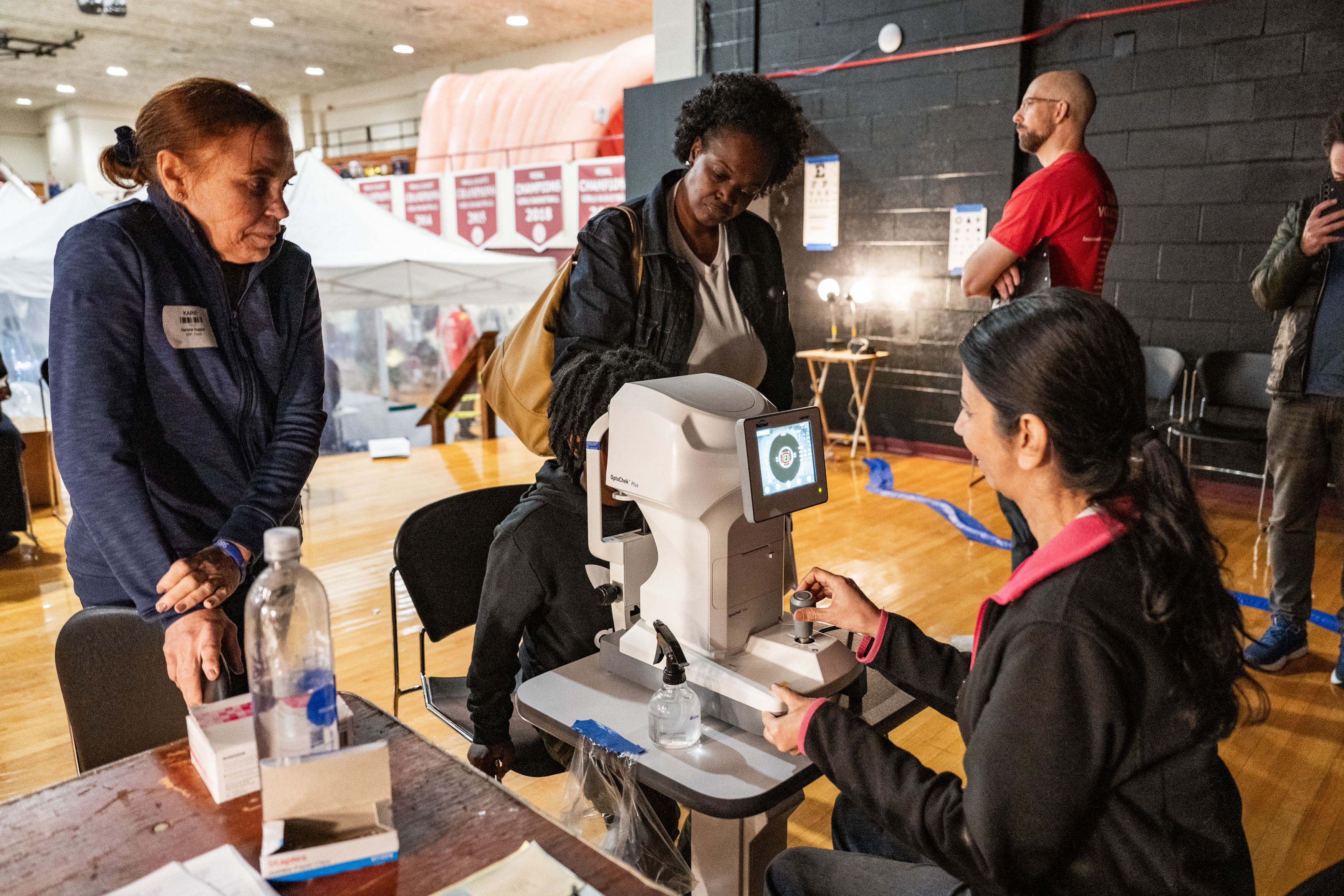
High above the gymnasium floor, John Osborn, RAM’s dental director, surveyed the scene from a balcony overlooking the sea of treatment tents and mobile diagnostic gear. To Osborn, whose career with the organization spans decades, the transformation of a high school gym into a makeshift medical triage center—reminiscent of the mobile field hospitals depicted in the television classic MASH*—is a familiar sight.
Yet, familiarity has not dulled the urgency of his critique. Taking a brief respite from the fast-paced clinical operations, Osborn expressed a singular wish that federal lawmakers would step away from Capitol Hill and witness firsthand the human toll of legislative inaction.
"It would have been nice for them to see what people have to do to get healthcare," Osborn said.