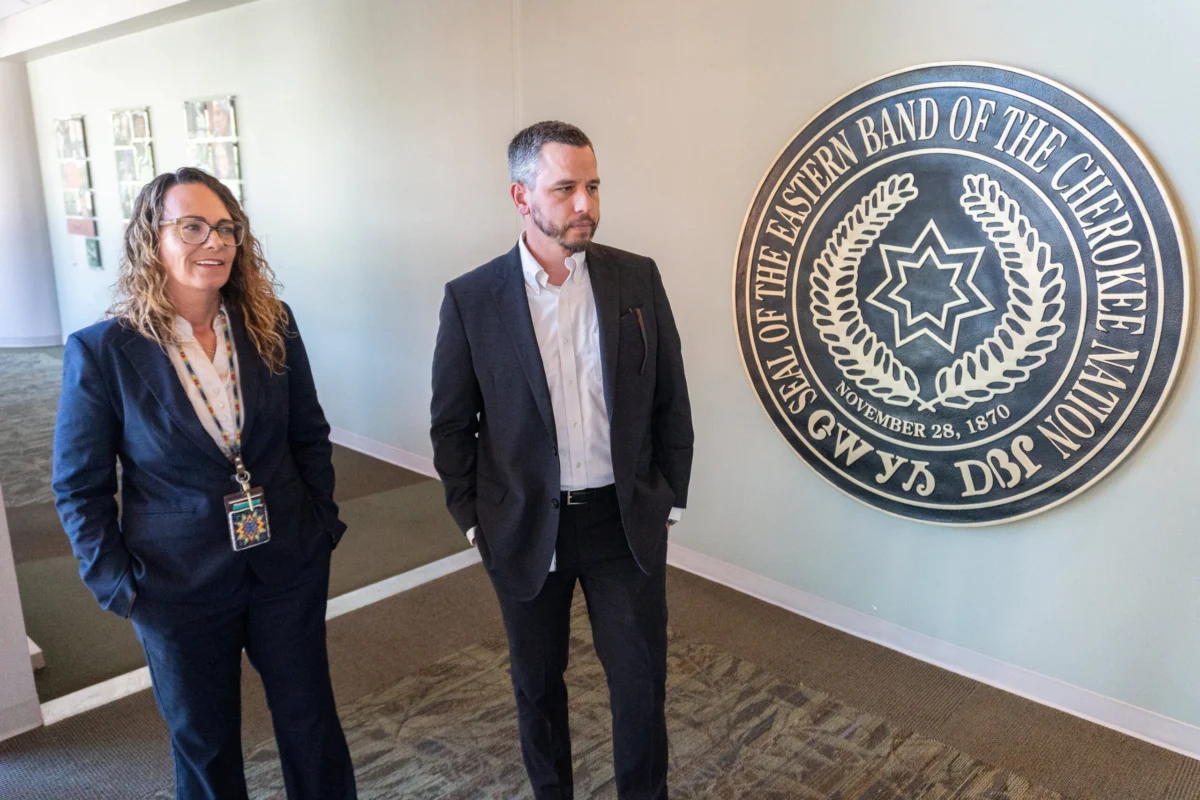
CHEROKEE, N.C. — With the absolute federal implementation deadline fast approaching, state and tribal health administrators are navigating a fragmented landscape of eligibility verifications. Just two months before newly mandated Medicaid work requirements take effect nationwide, federal health officials have failed to issue standardized, comprehensive guidance on how states should properly execute exemptions for Native Americans. This vacuum of central oversight has forced individual states to design their own ad-hoc administrative processes, setting off widespread alarm among tribal leaders and healthcare advocates who fear a devastating repeat of the coverage losses seen during the recent pandemic-era Medicaid "unwinding."
The core policy shift stems from President Donald Trump’s One Big Beautiful Bill Act, legislative action that explicitly carved out exemptions for American Indians and Alaska Natives (AI/AN), freeing them from mandatory community engagement and employment rules required to maintain their health coverage. However, the subsequent administrative framework issued by the Centers for Medicare & Medicaid Services (CMS) neglected to establish a uniform, national mechanism to identify and exempt qualifying Indigenous enrollees. Consequently, states have been left to interpret federal directives independently, creating a high-stakes patchwork of bureaucracy that threatens to strip vulnerable individuals of essential healthcare coverage due to administrative hurdles and systemic miscommunication.
The Anatomy of a Regulatory Vacuum
Under the rules released by CMS in June, states were instructed to exhaust existing administrative data before demanding supplemental documentation from Native enrollees regarding their tribal status. Yet, the regulatory text stopped short of mandating a standardized proof threshold, enabling individual states to set evidentiary standards that often exceed baseline federal requirements. Furthermore, the framework omitted vital mandates compelling states to share real-time eligibility data with sovereign tribal nations, coordinate directly with Indian Health Service (IHS) facilities, or integrate smoothly with tribally operated managed-care programs.
This lack of standardized federal protocol has triggered acute anxiety across tribal territories. James Burns, who oversees the Medicaid managed-care program for the Eastern Band of Cherokee Indians on the sovereign Qualla Boundary in western North Carolina, voiced deep apprehension regarding the rollout. When previous states implemented isolated Medicaid work requirements, the unintended consequences routinely resulted in catastrophic coverage losses for low-income populations. Tribal officials argue that without stringent federal guardrails, administrative complexities will disproportionately harm Indigenous communities.
Echoing these concerns, A.C. Locklear, chief executive officer of the National Indian Health Board (NIHB), emphasized that over 30 states are independently overhauling their administrative apparatuses in complete isolation. Without explicit, binding directives from CMS, states are inventing disparate definitions of compliance, leaving eligible enrollees at the mercy of bureaucratic roulette.
A Precarious Precedent: Lessons From the Medicaid Unwinding
The urgency driving tribal opposition is informed by recent history. Following the expiration of the federal continuous enrollment provision enacted during the covid-19 public health emergency, states resumed routine eligibility renewals in a process commonly referred to as the Medicaid unwinding. Between the resumption of checks and May 2024, an estimated 850,000 Native Americans lost their healthcare coverage. The vast majority of these disenrollments were attributed not to actual ineligibility, but to bureaucratic attrition—missed notices, outdated contact information, and complex paperwork barriers.
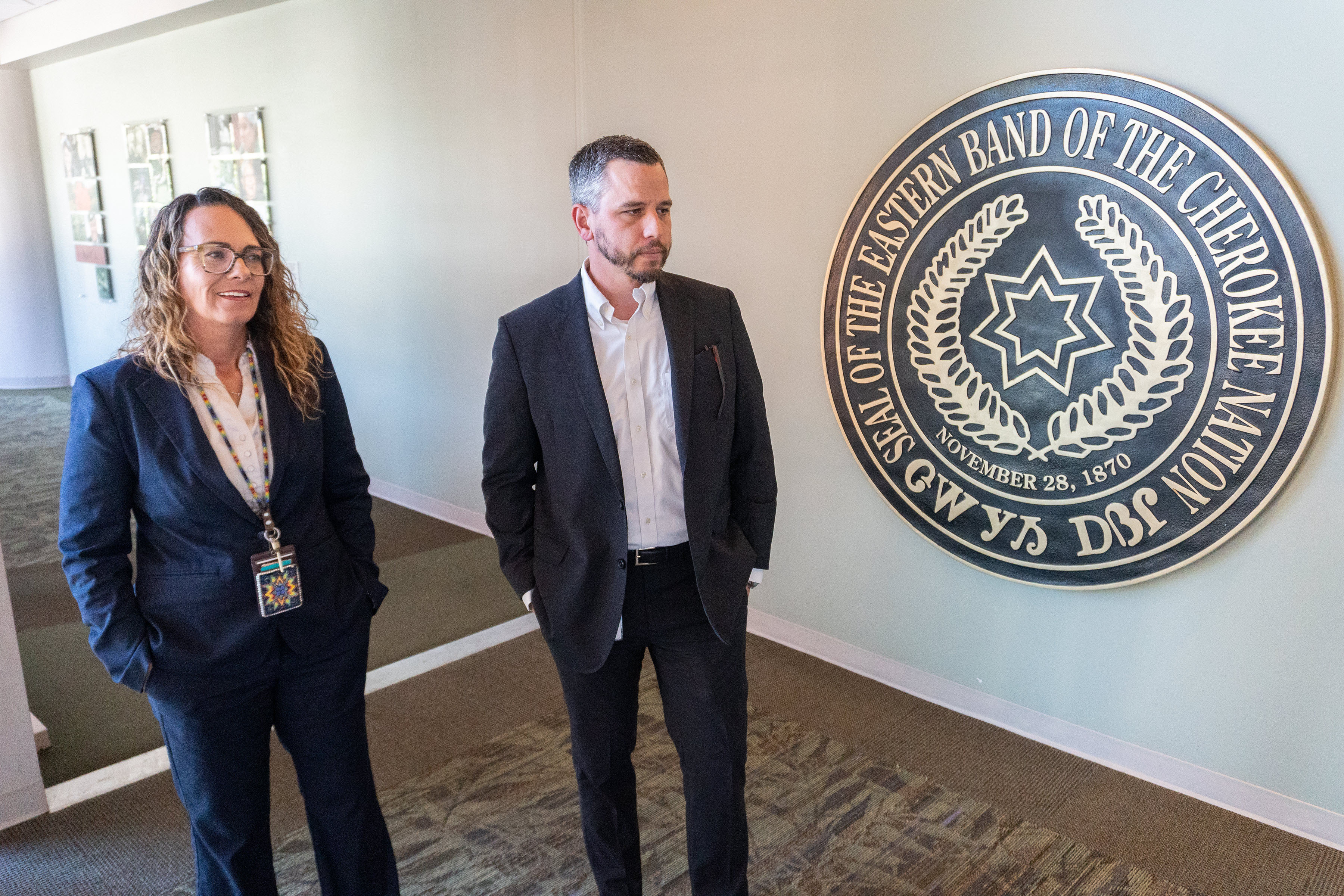
Compounding the problem, the federal carve-out strictly applies to American Indians and Alaska Natives recognized under specific federal guidelines, entirely excluding other Indigenous populations, such as Native Hawaiians, from the statutory exemption.
In July, the CMS Tribal Technical Advisory Group (TTAG) formally recommended that federal health officials mandate self-attestation as the universal standard for verifying tribal status, coupled with mandatory data-sharing agreements between state agencies and tribal health programs to intercept wrongful disenrollments. Similar petitions were submitted by the National Council of Urban Indian Health (NCUIH). Despite these recommendations, CMS has declined to clarify whether supplemental guidance will be issued ahead of the January deadline, leaving state and tribal leaders to brace for administrative turbulence.
State-by-State Divergence and the Urban Indian Dilemma
An empirical review of state-level implementation plans reveals a chaotic mosaic of compliance requirements. While some states have established streamlined verification pipelines, others impose cumbersome procedural hurdles.
States including Arizona, Colorado, Montana, Nevada, New Mexico, and Washington have adopted policies allowing applicants to self-identify their tribal status on initial application forms. In Arizona, the state’s Medicaid agency cross-references self-attestation data against existing state records documenting care received through the Indian Health Service or tribally operated healthcare centers. Similarly, South Dakota has integrated its claims databases with IHS systems, while Oklahoma relies on bilateral data-sharing agreements established with tribal nations in 2022.
In stark contrast, North Carolina enforces stricter documentation standards, requiring enrollees to present an official tribal enrollment card, a tribal census record, or direct verification from the Eastern Band of Cherokee Indians’ specialized managed-care program. According to state health department figures, roughly 3,400 Native Medicaid enrollees have been successfully verified and automatically exempted in North Carolina. However, state officials concede they possess no reliable metrics for determining the total universe of eligible tribal citizens residing within state borders.
The challenges are magnified exponentially for the roughly 87% of Native Americans who live outside of federally designated tribal statistical areas, such as reservations, according to U.S. Census Bureau data. Urban Indians and dispersed tribal members frequently find themselves untethered from regional health infrastructure. For instance, a citizen of the Navajo Nation residing in Connecticut faces substantial obstacles in proving their tribal affiliation to state agencies that maintain no historical or operational relationship with southwestern tribes, notes Liz Malerba, director of policy and legislative affairs for the United South and Eastern Tribes (USET). Furthermore, many state Medicaid agencies do not systematically track tribal affiliation because demographic questions regarding race and ethnicity on application forms remain strictly optional.
Early Implementers Face Operational Strain
While the statutory deadline for nationwide compliance is January, a handful of jurisdictions accelerated their timelines. Montana, Nebraska, Arkansas, and Georgia initiated their work requirement scans ahead of schedule, with Montana launching evaluations in July and Iowa scheduled to follow on December 1.
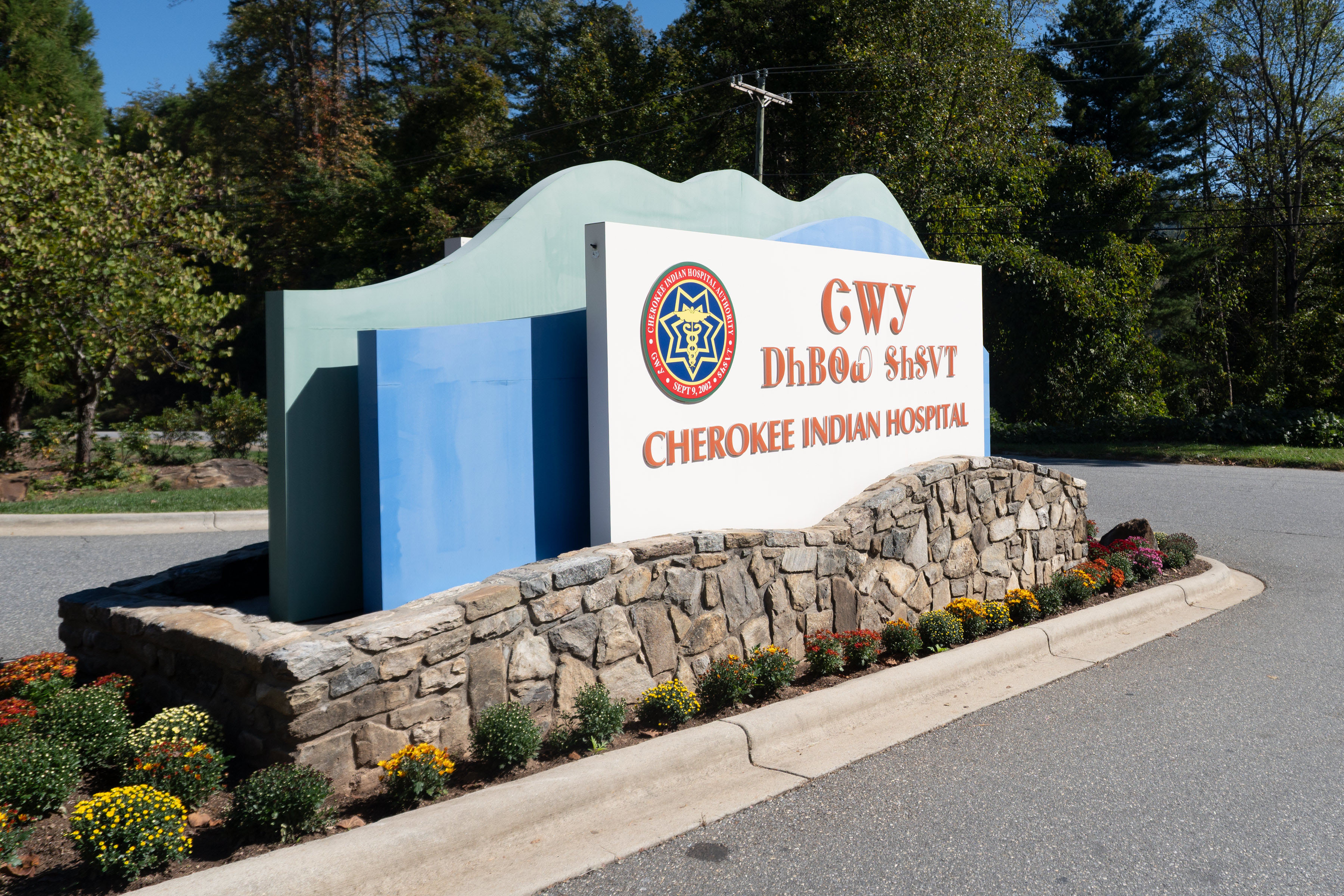
Montana, home to one of the largest per-capita American Indian and Alaska Native populations in the nation, permitted enrollees to self-declare tribal status without demanding supplemental documentation. Nevertheless, tribal leaders contend that state outreach has been profoundly deficient. Jason Smith, a citizen of the Confederated Salish and Kootenai Tribes and leader of the Montana Consortium for Urban Indian Health, noted that regional clinics are still actively struggling to reenroll patients who were erroneously dropped from the rolls during the pandemic unwinding.
Operational readiness remains a severe vulnerability. As of September, Montana state agencies had reportedly failed to recruit the full complement of administrative personnel deemed necessary by state projections to manage the surging workload of compliance monitoring and exemption processing. Federal performance data indicates that Montanans routinely experience protracted wait times when attempting to reach state assistance helplines—a bottleneck that threatens to lock eligible individuals out of the system as enforcement intensifies.
A Model of Integration on the Qualla Boundary
Amid widespread systemic friction, isolated pockets of success highlight the efficacy of localized, integrated models. The Eastern Band of Cherokee Indians operates the nation’s sole tribal-run Medicaid managed-care program, developed over a five-year collaborative effort with federal and state authorities.
Gwynneth Wildcatt, a director with the Cherokee Indian Hospital Authority and member of North Carolina’s Medicaid Beneficiary Advisory Council, noted that deep institutional integration has insulated the tribe’s members from the immediate administrative chaos facing other populations. Because the tribe’s managed-care apparatus is structurally interwoven with the state’s Medicaid data architecture, local verification was executed seamlessly, ensuring that all qualifying tribal enrollees secured their work requirement exemptions without friction.
Broader Implications for Public Health and Administrative Equity
The collision between federal work mandates and decentralized state execution underscores persistent structural vulnerabilities in the American social safety net. Public health analysts warn that when federal statutes delegate discretionary implementation power to states without robust enforcement mechanisms, marginalized populations invariably absorb the systemic shocks.
As the implementation window narrows, the central question is no longer whether the statutory exemption exists, but whether the administrative machinery can deliver it equitably. Without decisive late-stage intervention or clear federal oversight from CMS, thousands of qualified Native Americans risk falling through administrative cracks, facing sudden lapses in healthcare access for administrative infractions entirely divorced from statutory intent. For tribal leaders and healthcare advocates, the coming months will test whether institutional agility can prevent a recurrence of the coverage losses that continue to destabilize Indigenous health systems nationwide.