LANSING, Mich. — After fifteen grueling years working as an emergency room nurse at Sparrow Hospital in Lansing, Kim Bogan has arrived at a radical conclusion: the American healthcare system cannot be repaired through incremental reforms. In her view, the entire framework must be systematically dismantled and rebuilt from the ground up.
Every day, Bogan witnesses the devastating human toll of systemic failures. Patients arrive at triage sicker and more advanced in their disease progressions than ever before, often having deliberately delayed seeking medical attention due to financial constraints. Many are completely unable to afford the critical prescriptions dispensed upon their discharge. On her darkest shifts, when managing five or six critically ill patients simultaneously, Bogan is haunted by a persistent question: could she have saved a patient’s life had her attention not been dangerously divided?
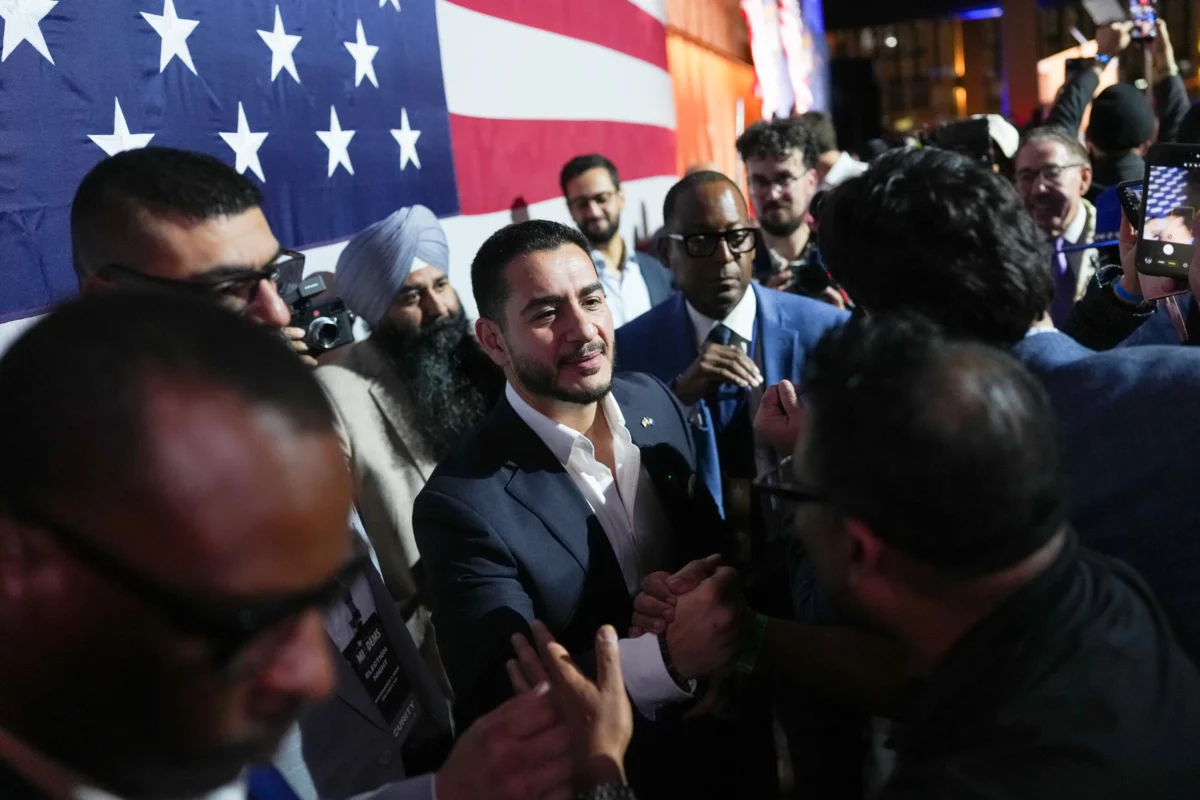
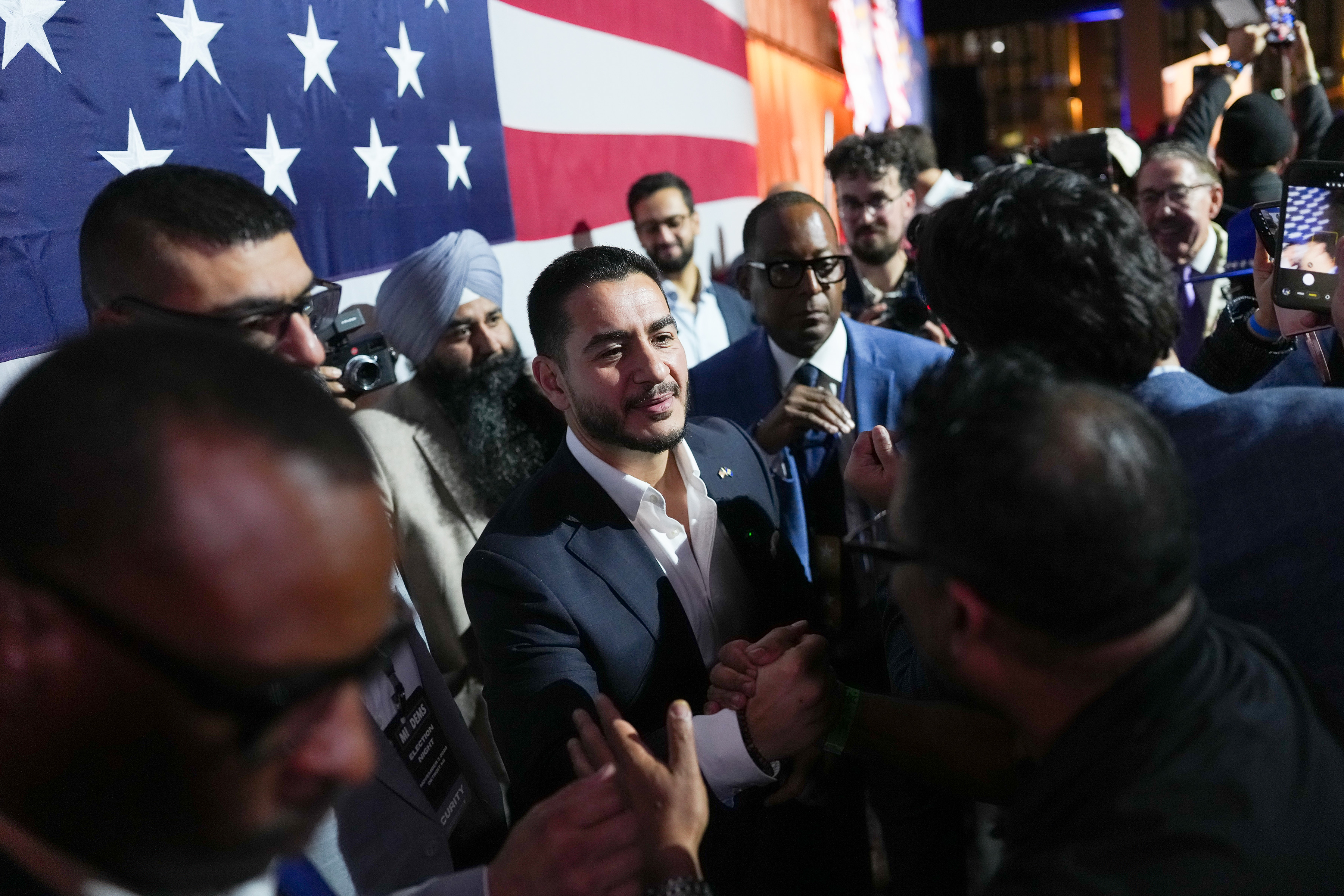
Driven by this profound disillusionment, Bogan spent the past year balancing grueling 12-hour hospital shifts with grassroots political activism, campaigning relentlessly for Abdul El-Sayed. El-Sayed, a progressive Democrat who made "Medicare for All" the cornerstone of his congressional and subsequent senatorial campaigns, successfully secured a seat in the United States Senate following the seismic political shifts of the 2026 midterm elections.
Yet, as progressive champions celebrate historic victories across key states—including Texas, Iowa, Maine, and Michigan—healthcare advocates and political analysts alike acknowledge that translating campaign rhetoric into legislative reality will present an extraordinary political challenge.
The Political Landscape: A Mandate for Change or a Partisan Trap?
The 2026 midterms delivered a sweeping blue wave, driven heavily by voter anxiety surrounding inflation, economic inequality, and escalating living costs. Within this broader landscape of economic discontent, the affordability crisis in American healthcare emerged as a primary driver at the ballot box.
However, political scientists and policy experts caution that sweeping electoral victories do not automatically translate into a clear public mandate for single-payer healthcare. Jonathan Oberlander, a professor and healthcare reform expert at the University of North Carolina-Chapel Hill, notes that the most vocal proponents of Medicare for All generally secured narrower victory margins compared to their more moderate Democratic counterparts.
"Whatever else people voted for in this midterm election—anger about inflation, anger about corruption, anger about foreign conflicts—they by and large didn’t vote to have the government take over health insurance," Oberlander observed.
This tension creates a complex legislative dilemma for the Democratic majority. While progressive lawmakers view the current economic climate as a once-in-a-generation opportunity to overhaul the system, moderate Democrats representing swing districts or red-leaning states view the aggressive pursuit of single-payer healthcare as an immense political vulnerability. Protecting seats in competitive regions requires cautious policymaking, meaning that a Democratic congressional majority does not inherently equate to a legislative majority for Medicare for All.
Voices from the Frontlines and the Burden of Cost
The debate over nationalized healthcare is not merely an abstract ideological exercise; it is deeply personal for millions of Americans buckling under soaring medical expenses.
Jaime Bardenhagen, a former nurse residing in rural Leelanau County, Michigan, grapples daily with the complexities of chronic illness. Diagnosed with Parkinson’s disease and sialidosis—a rare and debilitating genetic disorder capable of triggering severe seizures—Bardenhagen finds herself navigating a system that has grown increasingly hostile to patients.
Despite her lifetime of hard work, Bardenhagen faces the prospect of qualifying for disability benefits next year—a reality that triggers deep-seated internal conflict. Raised on a farm with traditional values emphasizing self-reliance, she initially rejected the notion of government assistance. Yet, the harsh economic realities of the modern healthcare market shattered her traditional safety net.
Following the expiration of enhanced subsidies provided under the Affordable Care Act (ACA), Bardenhagen and her husband watched their monthly health insurance premiums skyrocket from $700 to $1,300, accompanied by a staggering $7,500 deductible. Faced with these prohibitive costs, the couple was forced to forgo essential medical diagnostics recommended by her physicians.
"We couldn’t afford that," Bardenhagen said, encapsulating the financial desperation felt by households nationwide. Her disillusionment extends beyond policy to the political establishment itself; her husband sat out the 2026 midterms after voting for Donald Trump in 2016, while Bardenhagen herself seriously considered abstaining from voting due to a profound loss of trust in both major political parties.
Despite her political skepticism, Bardenhagen unreservedly supports Medicare for All. Her professional background exposed her to the frustrating reality of corporate-driven healthcare, where insurance executives rather than licensed physicians dictate patient treatments, medication approvals, and procedural access. For Bardenhagen, transferring operational control of the healthcare system to the federal government represents a rational step toward equity.
Economic Critique and Industry Opposition
Conversely, conservative economists and free-market advocates warn that federalizing healthcare would precipitate a catastrophic systemic collapse.
Michael Cannon, a healthcare economist at the libertarian Cato Institute and a vocal opponent of single-payer models, argues that expanding government control over the medical sector would leave patients in unprecedented vulnerability. According to Cannon, proponents of Medicare for All severely underestimate the immense political and financial pushback from the entrenched healthcare industry, which generates trillions of revenue annually.
"If Medicare for All actually had the price levels that Bernie Sanders and Abdul El-Sayed envision, the industry would tear it to shreds," Cannon stated. He contends that the federal government lacks the leverage and fiscal sustainability required to effectively negotiate lower prescription drug and medical service costs across the board, ultimately arguing that private enterprise and market competition remain the most viable mechanisms for cost containment.
Public opinion polling conducted by KFF reveals a nuanced public sentiment: while baseline support for Medicare for All has hovered near historic highs over the past decade, that support drops precipitously when respondents are confronted with standard counter-arguments, such as the likelihood of increased federal taxation or extended patient wait times for specialized treatments.
Legislative Realities and Bipartisan Compromises
As the dust settles from the 2026 midterms, political strategists emphasize that both political parties face intense, mounting pressure from the electorate to implement tangible solutions to the ongoing healthcare affordability crisis.
Sara Collins, a senior scholar at the Commonwealth Fund, notes that public frustration creates a compelling incentive for lawmakers to pursue legislative action. While a comprehensive single-payer overhaul faces steep legislative hurdles, Washington may instead pivot toward targeted, bipartisan reforms previously considered unattainable.
Among the most probable legislative interventions are:
- Subsidies Extension: Permanently reinstating or extending the enhanced ACA marketplace subsidies that expired at the end of the previous year.
- Prior Authorization Reform: Introducing bipartisan measures to curb insurance companies’ reliance on "prior authorizations," a widespread practice requiring patients to secure administrative approval before proceeding with covered treatments.
Political strategist Patricia Votava characterizes these targeted adjustments as the "lowest-hanging fruit" for lawmakers eager to demonstrate responsiveness to voters without triggering explosive ideological warfare.
Future Outlook: The Path Ahead for Healthcare Reform
The urgency for comprehensive reform is expected to intensify significantly in the coming months. Projections indicate that ACA marketplace premiums will experience another round of double-digit percentage increases, corporate employers will continue shifting escalating insurance expenses directly onto their workforces, and looming reductions in federal Medicaid funding threaten to strip insurance coverage from an estimated 7.5 million Americans by the year 2034.
These compounding pressures could fundamentally reshape the Democratic Party’s legislative strategy. According to Professor Oberlander, the 2026 election results may pull the party’s platform further to the left, prompting lawmakers to explore alternative models. While some legislators will champion a government-backed public option, others may rally around modified frameworks inspired by Senator-elect El-Sayed’s campaign platform—establishing a guaranteed baseline public health insurance program that coexists with, rather than entirely eliminates, private employer-sponsored or union-negotiated plans.
As policymakers weigh their options, the overarching message from healthcare workers and patients alike remains direct and uncompromising. For individuals like Kim Bogan and Jaime Bardenhagen, the window for meaningful legislative action is narrow, and the human cost of inaction is too high to ignore.
"If the window opens," Oberlander warned, "you better jump right through."