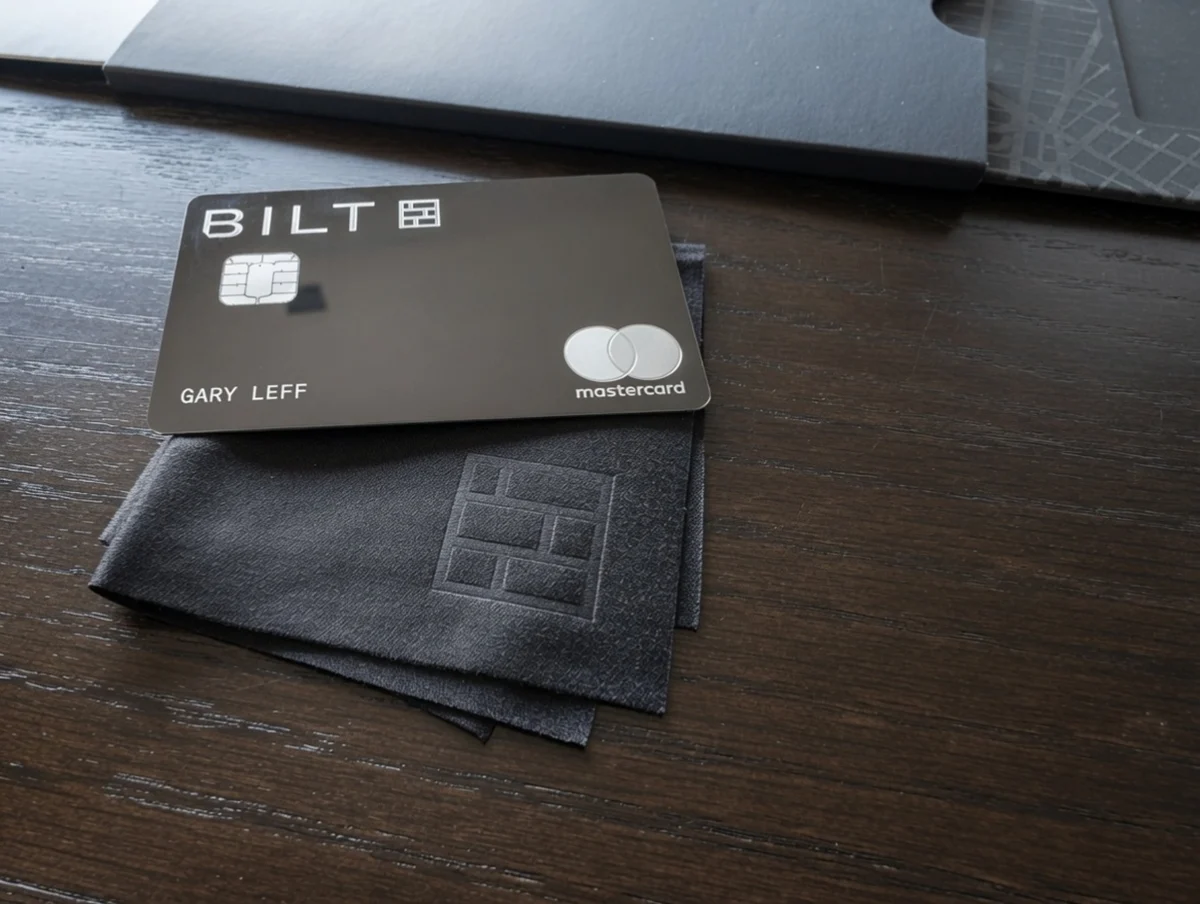
Bilt Rewards is implementing a significant overhaul of its credit card rewards architecture, fundamentally altering how cardholders accrue value on everyday spending. As the company transitions to a new rewards framework in 2027, the primary point of contention for existing and prospective customers centers on the "Flexible Bilt Cash" earning option. To maintain the current 4% Bilt Cash earning structure on everyday purchases, users must take affirmative action within specific, rigid timeframes. This transition represents a shift in the loyalty program’s long-term strategy, moving away from high-yield cash-back structures toward a more consolidated points-based ecosystem.
The Timeline for Compliance and Enrollment
The window for securing the existing rewards structure is limited. For new applicants, the deadline is December 31, 2026. Prospective cardholders must not only apply but also receive approval and formally accept their credit card offer by this date to retain the option of earning 4% Bilt Cash.
For existing cardmembers, the transition is managed on an individual basis tied to their specific account anniversaries. All current cardholders have until their first card anniversary in 2027 to log into their accounts and proactively select the "Flexible Bilt Cash" option. It is a critical distinction that Bilt has set the new, more restrictive rewards structure as the default setting. Consequently, cardholders who fail to navigate the interface to confirm their preference for the existing 4% earning model will be automatically migrated to the new, less lucrative reward structure upon their 2027 anniversary date. Once this migration occurs, the decision is irreversible; users cannot revert to the previous earning model.
Understanding the 4% Bilt Cash Mechanism
The 4% Bilt Cash program has served as a cornerstone of the Bilt Palladium and broader Bilt credit card portfolio. Under this model, cardholders earn a 4% return on everyday spending, which can be deployed to fund "points accelerators." These accelerators are designed to boost the earning capacity of the card, allowing users to move from standard point valuations to higher multipliers on up to $5,000 of eligible spending per instance.
The math behind this incentive structure is designed to encourage high-volume usage. For instance, by spending $200 in Bilt Cash to activate an accelerator, a cardholder increases their earning rate by an additional point per dollar for the next $5,000 in spending. That same $5,000 of spending then generates another $200 in Bilt Cash, effectively creating a self-sustaining cycle of rewards. For power users who leverage both housing payments and high-frequency everyday spending, this model provides a significantly higher effective return than traditional flat-rate cash-back or travel rewards cards.

Impact on Authorized Users and Household Strategy
Bilt’s policy regarding authorized users provides a unique layer of complexity and potential benefit. An authorized user on a Bilt Palladium account—which carries a $95 annual fee—is eligible to manage their own rewards account. This allows households to bifurcate their spending to maximize specific transfer bonuses.
Because transfer bonuses are often capped per member, having two distinct accounts allows for a doubling of the total potential bonus capacity. Furthermore, because each authorized user manages their own "accelerator" fund independently of the primary account holder, a household can effectively double the volume of accelerated spend allowed per calendar year. This strategy requires active management, as authorized users must fund their own accelerators using their own accumulated Bilt Cash, but for high-spending households, it represents a sophisticated method of maximizing the card’s utility.

Shifts in the Broader Rewards Landscape
The decision to modify the rewards structure reflects a broader trend among credit card issuers to recalibrate the cost of loyalty programs. As interest rates fluctuate and the competitive landscape for "premium" credit cards intensifies, issuers are moving toward structures that prioritize long-term retention over high-yield, short-term incentives.
The new rewards model, set to take effect in 2027, will maintain access to accelerators for Palladium and Obsidian cardholders, but with reduced flexibility. Specifically, the annual hotel credit and standard Bilt Cash rewards are being consolidated into a single $600 annual Bilt Cash deposit provided at the card anniversary. While this provides a guaranteed lump sum, it removes the ability for users to generate that cash incrementally through everyday 4% earning. Additionally, the tightening of expiration policies—where Bilt Cash will now expire 12 months from the month of accrual—further signals a shift toward a more controlled and predictable liability profile for the issuer.

Strategic Implications for Consumers
For consumers, the primary takeaway is the necessity of active management. The transition to a "default-to-new" system means that passivity will result in a reduction of earned rewards. Experts in the loyalty space suggest that cardholders should conduct a thorough audit of their spending habits before the 2027 deadline.
If a user primarily uses the card for rent payments and has little interest in the complexities of point accelerators or transfer bonuses, the new default structure may be sufficient. However, for those who treat their Bilt card as a primary "daily driver" for all purchases, the 4% Bilt Cash structure remains the superior value proposition.

Analyzing the "Housing Multiplier" Relationship
A key factor in deciding whether to retain the 4% model is the interplay between housing payments and everyday spending. Bilt’s current structure allows for a scenario where, at a specific threshold—often cited at 25% of total spend—the combination of housing-based points and everyday spending creates an effective return that exceeds 4 points per dollar.
As the issuer moves to the 2027 model, this synergy is being diluted. For individuals whose spending habits do not hit the specific thresholds required to maximize the housing multiplier, the traditional 4% model remains the only way to ensure that additional spending consistently yields rewards. Without this, the return on investment for high-spend users drops significantly, as additional volume no longer triggers proportional increases in rewards.

Conclusion and Future Outlook
The upcoming changes to the Bilt Rewards program highlight the importance of understanding the fine print of credit card loyalty agreements. As the company prepares for its 2027 transition, the primary directive for users is to evaluate their current earning strategy.
Those who have integrated the Bilt Palladium or associated cards into their daily financial routine should view the current window as a vital period for account maintenance. By proactively selecting the "Flexible Bilt Cash" option, cardholders can lock in their preferred rewards structure. For those currently on the sidelines, the December 31, 2026, deadline serves as the final opportunity to enter the ecosystem under the current, more flexible terms. While the rewards landscape remains competitive, Bilt’s shift underscores a move toward a more rigid, managed, and predictable rewards architecture that will define the user experience for the coming years. Whether this move will maintain customer loyalty or prompt a migration to alternative products remains to be seen, but for the present, the responsibility lies with the cardholder to preserve their current benefits.