Lawmakers on Capitol Hill are intensifying their oversight of the Trump administration’s management of a massive federal healthcare initiative, demanding immediate answers regarding a recent administrative delay and transparency issues tied to the $50 billion Rural Health Transformation Program.
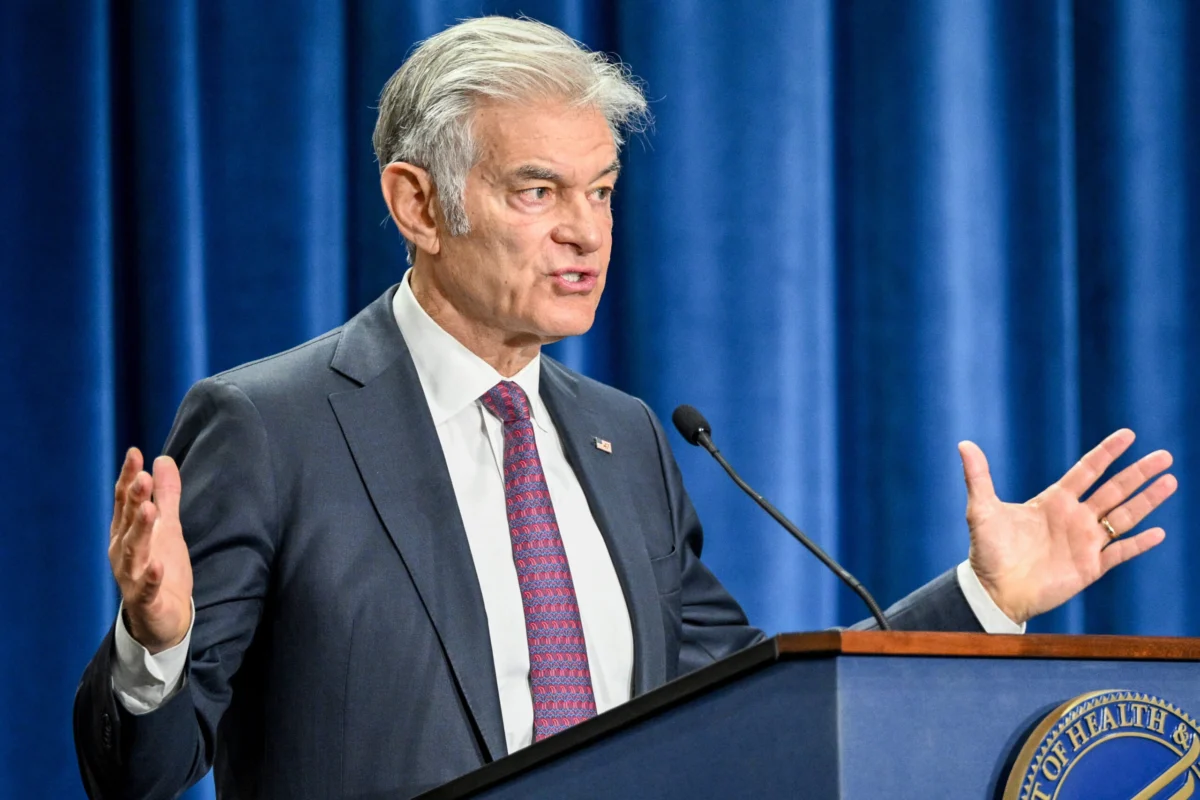
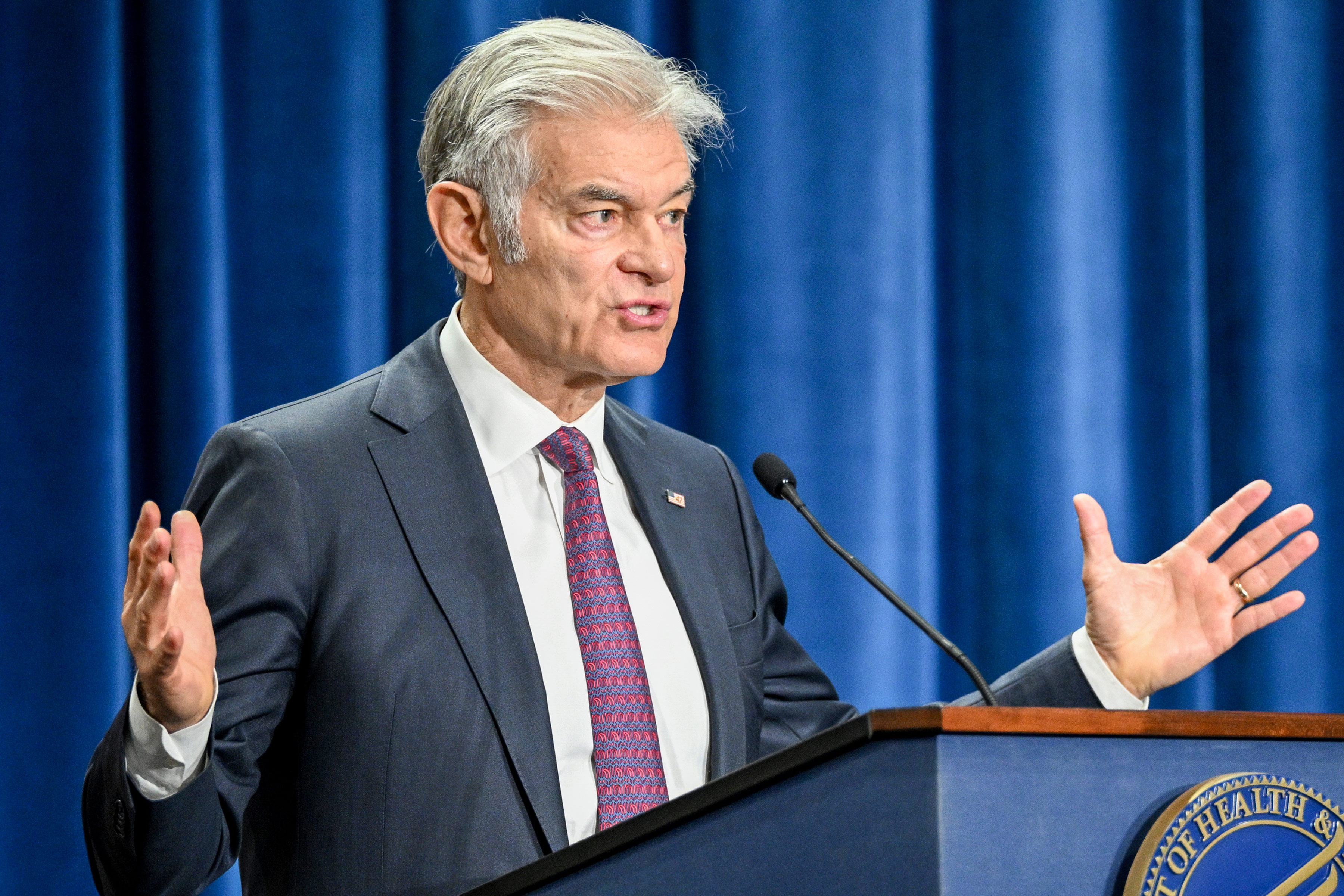
Led by an 18-member bicameral coalition of congressional Democrats, lawmakers dispatched a formal oversight letter to Centers for Medicare & Medicaid Services (CMS) Administrator Mehmet Oz. The communication underscores deep anxieties surrounding what signatories describe as an "alarming lack of public transparency" governing the multi-billion-dollar fund. Furthermore, the letter raises concerns that the program currently lacks the structural guardrails necessary to protect rural healthcare facilities hovering on the brink of closure.
The latest friction stems from an unexpected nine-day delay in the distribution of the program’s second-year funding allocations. Originally slated for release by October 31, the announcement was stalled after CMS officials cited the discovery of an unforeseen administrative process requirement. The $10 billion installment for the second operational year was ultimately published on November 9. However, for lawmakers representing districts where rural health infrastructure is already strained, the brief hiatus exacerbated underlying frustrations regarding how federal dollars are calculated, distributed, and monitored.
The Origin and Legislative Context of the Rural Health Transformation Program
The Rural Health Transformation Program was established last summer as a key component of President Donald Trump’s signature budget and tax reconciliation package. Designed as a financial buffer, the $50 billion initiative is distributed at a rate of $10 billion annually across a five-year lifecycle. The program was initially conceived and passed by congressional Republicans as a legislative sweetener to offset broader, contentious elements of the budget bill—most notably, an estimated $137 billion in federal Medicaid spending cuts projected to impact rural America over a decade.
When the legislation passed, states were thrust into an intensive timeline, given a mere seven weeks to draft competitive applications for their initial share of the funding. In the inaugural year, all 50 states secured allocations ranging from $147 million to $281 million, determined by a complex federal scoring matrix overseen by CMS and its newly established Office of Rural Health Transformation.
Despite the influx of federal capital, public health advocates and independent analysts have questioned whether the program can truly counteract the sweeping fiscal contraction caused by concurrent cuts to Medicaid, supplemental nutrition assistance, and other safety-net grants. Cara James, president and chief executive of Grantmakers in Health, characterized the fund during a recent Milken Institute event as "retail therapy for Congress," arguing that short-term funding infusions cannot fully sustain vulnerable rural populations when foundational health programs are simultaneously scaled back.
The Scope of Funding Cuts and Regional Disparities
While all 50 states successfully qualified for second-year awards, the updated funding distributions revealed notable fluctuations. Year-two allocations showed that most states experienced adjustments of less than 2% in their baseline funding. North Dakota and Iowa emerged as the largest beneficiaries of funding increases, whereas states such as New Jersey, Florida, and Vermont absorbed the most significant reductions.
The arbitrary nature of these adjustments has triggered direct pushback from state leaders who received less than anticipated without receiving clear methodological justifications. Representative Nikki Budzinski of Illinois highlighted that her state received approximately $3 million less in its second-year allocation—representing a roughly 1.5% reduction from its $193.4 million initial award. According to Budzinski, state officials received no advance explanation from CMS regarding the reduction, nor were they provided with information regarding a formalized appeals process.
Similar frustrations were echoed by other leaders spearheading the congressional oversight effort. Representative Terri Sewell of Alabama noted a $4.1 million drop in her state’s allocation, while Senator Michael Bennet of Colorado pointed to a nearly $3 million decrease. Lawmakers argue that any unexpected reduction in base funding complicates state-level budgeting, particularly as local healthcare providers attempt to absorb the acute downstream impacts of broader federal spending reductions.
Concerns Over Administrative Overhead and Consultant Utilization
A central grievance outlined in the congressional letter is the potential diversion of federal healthcare dollars away from frontline providers and into the hands of third-party entities. Lawmakers explicitly questioned Administrator Oz regarding whether adequate mechanisms exist to prevent administrative bloat and ensure that money reaches community hospitals and clinics.
"We want to make sure that the money isn’t going to consultants, that it’s actually getting to the rural providers that it is supposed to be getting to," Budzinski stated.
The Cecil G. Sheps Center for Health Services Research at the University of North Carolina tracks rural hospital viability and reports that at least five rural hospitals have closed or been forced to convert into lower-level emergency facilities since the creation of the rural fund. Among them, a Michigan facility notably shuttered its inpatient beds to transition exclusively to emergency services in an effort to maintain solvency.
Industry groups share these misgivings. Alan Morgan, CEO of the National Rural Health Association (NRHA), noted that while state leaders are generally attempting to channel funds toward local hospitals to meet pressing community needs, the lack of transparency makes it difficult to verify the precise proportion of funding that directly supports patient care versus administrative overhead. On November 9, the NRHA released its own comprehensive analysis and accompanying letter to federal regulators, urging CMS to establish clearer, replicable guidelines for state performance evaluations and funding distribution models.
A Timeline of Congressional Oversight and Unanswered Inquiries
The latest letter from Capitol Hill is part of a sustained, multi-partisan pattern of congressional engagement with federal health agencies regarding the implementation of the Rural Health Transformation Program. Oversight efforts have spanned multiple legislative sessions and involved inquiries sent to various executive branch officials:
-
August 2025: Shortly after the passage of the legislation, House Democrats formally wrote
to Health and Human Services (HHS) Secretary Robert F. Kennedy Jr. to raise early alarms regarding the rollout timeline and application metrics.
- November 2025: Representative Budzinski initiated direct communications with CMS Administrator Mehmet Oz on behalf of Illinois stakeholders seeking clarity on funding formulas.
- June 2026: A bipartisan coalition—including Senator Michael Bennet, Republican Senator Susan Collins of Maine, and Senator Alex Padilla of California—petitioned CMS to explicitly target the fund toward the rescue of at-risk rural hospitals and outpatient clinics.
- November 2026: Eighteen bicameral lawmakers issued their latest ultimatum, setting a deadline of November 25 for CMS to respond to detailed inquiries regarding the nine-day funding delay, the lack of an appeals process, and the absence of a public-facing tracking database.
Despite these repeated congressional interventions, lawmakers report that federal responsiveness has been minimal. "We haven’t gotten full responses to any of these inquiries," Budzinski noted.
Broader Implications for Rural Healthcare Infrastructure
As Congress prepares for shifts in legislative leadership—with Budzinski slated to chair the New Democrat Coalition—the pressure on CMS to reform its oversight practices is expected to intensify. Public health experts emphasize that the long-term viability of rural medicine depends heavily on predictability, transparency, and accountability in federal grant administration.
Without a centralized, searchable database to track how states deploy their multi-million-dollar awards, measuring the true efficacy of the Rural Health Transformation Program remains an uphill battle. For rural communities where the loss of a single hospital can mean the difference between life and death during a medical emergency, lawmakers argue that administrative opacity is a risk the healthcare system can ill afford. CMS has yet to issue a formal public response to the November 25 deadline, leaving the future oversight of the $50 billion fund a focal point of ongoing legislative debate.