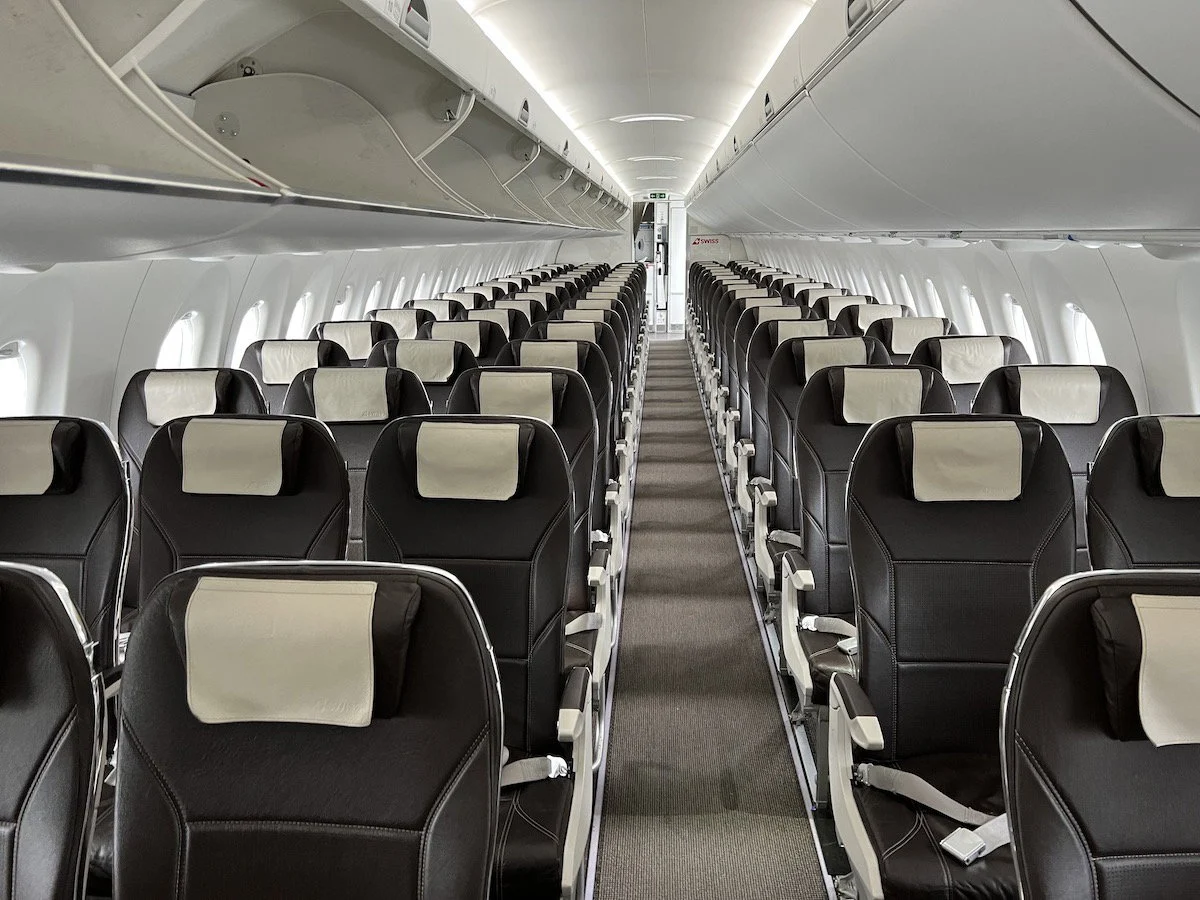
A routine morning departure from Zurich Airport took an extraordinary turn when a SWISS International Air Lines flight was forced to abort its takeoff sequence three consecutive times before finally returning to the gate. The incident, involving an Airbus A220-300 operating flight LX2110 from Zurich (ZRH) to Malaga (AGP), highlights the intricate intersection between modern commercial aircraft automation and real-time cockpit troubleshooting. While multiple aborted takeoffs are exceedingly rare in commercial aviation, the sequence of events at Zurich underscored standard operational safety protocols, where flight crews prioritize risk mitigation and systematic evaluation over schedule adherence.
The scheduled departure time for flight LX2110 on Tuesday, November 17, 2026, was 9:35 AM. The aircraft assigned to the route was an Airbus A220-300 registered under the code HB-JCM, a modern narrow-body twinjet known for its efficiency and advanced flight deck systems. The pushback and taxi phases proceeded normally, with the aircraft lining up on the active runway precisely on schedule. As the flight crew advanced the throttles to initiate the takeoff roll, the automated systems disengaged unexpectedly, prompting the captain to immediately apply the brakes and bring the aircraft to a controlled stop at a low taxi speed.
Following the initial aborted takeoff, standard aviation protocol requires the flight crew to pause, verify aircraft configuration, and consult procedural checklists. Believing the event to be an isolated anomaly, the pilots taxied back into position or initiated a second takeoff roll from the runway threshold. As the aircraft accelerated for the second time, the exact same mechanical reaction occurred: the automated thrust control system disengaged abruptly, forcing the crew to abort the takeoff once more at a low speed of approximately 50 kilometers per hour (30 miles per hour).
During the subsequent evaluation on the tarmac, the captain addressed the passengers over the public address system, explaining that the thrust levers had seemingly slipped or "popped out" during the acceleration phase. Despite having experienced two successive aborts, the crew elected to attempt a third takeoff run. Predictably, the automated protection mechanisms triggered a third rejection of the takeoff. Recognizing the persistence of the anomaly, the captain reportedly informed passengers that nothing of this nature had occurred during his 12-year professional flying career, prompting a definitive decision to abandon further departure attempts and return to the terminal gate for comprehensive maintenance inspections.
Upon returning to the gate, SWISS operations enacted a contingency plan by swapping the aircraft to ensure passenger transport with minimal extended delay. A replacement Airbus A220-300, bearing registration code HB-JCO, was assigned to operate flight LX2110. The substitute aircraft successfully departed Zurich at 1:29 PM and touched down safely at Malaga Airport at 3:52 PM, resulting in a total arrival delay of approximately three and a half hours.
Technical Investigation and Mechanics of the Airbus A220 Auto-Thrust System

To understand the rarity and rationale behind the triple aborted takeoff, aviation experts have examined the specific design architecture of the Airbus A220 auto-thrust system. Unlike traditional mechanical linkage throttles, modern fly-by-wire aircraft utilize sophisticated automated thrust management systems designed to optimize engine performance, fuel burn, and mechanical wear throughout all phases of flight.
On the Airbus A220, when the auto-thrust system is armed and the crew advances the thrust levers for takeoff, the automated system assumes control of the throttles, physically moving the levers forward without requiring continuous manual pressure from the pilots. Standard cockpit procedure dictates that the pilot monitoring or flying maintains a light hand-following position on the levers to monitor travel without applying opposing force. Built-in pressure sensors are calibrated to detect manual interference; if the system senses resistance or an attempt by the pilot to manually override the automated travel, it instantly disengages the auto-thrust to grant the human crew full manual control.
In the case of flight LX2110, the real-time diagnostic systems onboard the aircraft failed to flag an active fault code during the initial phases of the incident, leaving the flight crew with ambiguous feedback. Ground-based technicians subsequently inspected the aircraft and identified the underlying root cause: a physically stuck pressure switch within the automatic thrust control disabling mechanism. This localized hardware fault incorrectly signaled to the flight computer that the pilots were actively resisting or overriding the throttle movement, prompting the system to disengage automatically as a safety precaution. Because the aircraft registered an unexpected throttle disengagement during high-demand acceleration phases, the automated logic or pilot discretion dictated an immediate abort to preserve operational parameters.
Safety Implications and Industry Perspectives
Although consecutive aborted takeoffs can induce significant anxiety among passengers unaccustomed to abrupt deceleration on the runway, aviation safety analysts emphasize that low-speed aborted takeoffs are fundamentally routine exercises designed to safeguard the flight. An aborted takeoff is categorized by speed thresholds; high-speed aborts—executed near V1 speed, the critical decision speed where stopping the aircraft on remaining runway becomes complex—carry inherent risks of brake overheating, tire deflation, and runway excursions. Conversely, low-speed aborts, occurring at around 30 miles per hour as documented in this incident, present minimal physical risk to the structural integrity of the aircraft.
Aviation safety experts note that the SWISS flight crew adhered strictly to established CRM (Crew Resource Management) and standard operating procedures. While the pilot elected to attempt subsequent takeoffs based on the absence of diagnostic warning flags, the ultimate decision to return to the gate after the third anomaly demonstrated sound risk management. Operating an aircraft with a known, intermittent hardware fault—even one that does not compromise primary aerodynamic safety—violates the conservative best practices required in commercial aviation maintenance guidelines.
Official Response from SWISS International Air Lines
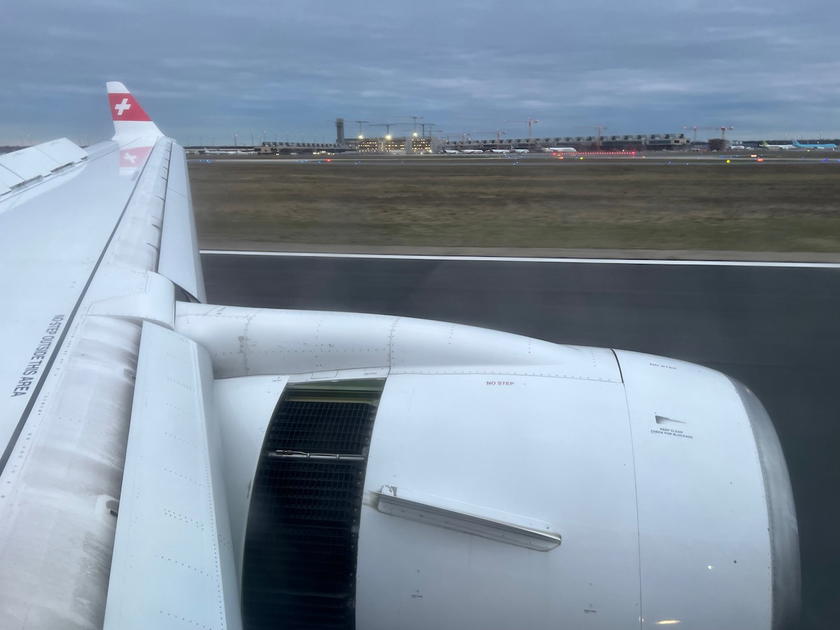
SWISS International Air Lines issued a formal confirmation of the events surrounding flight LX2110, corroborating that the takeoffs were aborted strictly at low speeds in accordance with safety margins. Representatives for the airline emphasized that at no point was the structural or operational safety of the passengers compromised. The airline highlighted the precision of the A220’s safety architecture, which defaults to disengaging automation when unexpected physical feedback is detected in the flight control levers.
Furthermore, SWISS logistics teams coordinated swiftly to minimize passenger disruption by deploying a replacement airframe (HB-JCO) within hours of the incident. Ground services at Zurich Airport provided assistance to affected travelers during the transition period, ensuring that baggage and passenger manifests were transferred smoothly to the substitute aircraft.
Broader Operational Context for the Airbus A220 Fleet
The Airbus A220 family, originally developed by Bombardier as the CSeries before being integrated into Airbus’s commercial lineup, has established a strong reputation for fuel efficiency, passenger comfort, and advanced avionics since entering service in 2016. SWISS operates an extensive fleet of both A220-100 and A220-300 variants across its European network. Incidents involving specific switch failures or sensor miscommunications within fly-by-wire systems are occasionally documented across global fleets but rarely manifest in a sequence of three consecutive aborted departures.
Maintenance logs for the affected airframe (HB-JCM) were transferred to specialized engineering teams at Zurich Airport following the incident. Technicians initiated corrective maintenance to replace or repair the faulty pressure switch within the throttle quadrant assembly, ensuring the aircraft would meet stringent airworthiness directives before returning to active commercial rotation.
Conclusion and Operational Summary
The triple aborted takeoff of SWISS flight LX2110 serves as a compelling case study in the complexities of modern aircraft automation. While unsettling for the passengers on board, the event underscores the redundancy, sensitivity, and safety-first philosophy embedded in commercial aviation operations. Through systematic adherence to checklists, prudent decision-making by the flight crew, and efficient ground support intervention, an unusual mechanical quirk was successfully isolated and resolved without compromising passenger safety.