

The first rays of dawn were just beginning to paint the Nebraska horizon as Mark Pieper, a cattle rancher from near Hay Springs, prepared for his day. It was a crisp February morning, and while early starts are routine for him, tending to his livestock was not his immediate priority. For the past three and a half years, three days a week, Pieper has embarked on an early-morning commute, not to his ranch, but to Chadron for life-sustaining dialysis treatment. His home, situated outside the small town of Hay Springs, with its population of just 599 residents, meant a half-hour drive to reach the nearest hospital offering the critical service. Before setting off, he made sure to grab his signature chocolate-brown cowboy hat, a familiar sight as he climbed into his pickup truck.
This particular February morning, however, marked one of Pieper’s final dialysis sessions at Chadron Hospital. The facility announced it would be shuttering its dialysis service at the end of March, leaving its patients in a precarious position. "I guess I’ll just bloat up and die in a month," Pieper recounted his grim thoughts upon hearing the news, reflecting the sheer desperation felt by those who relied on the now-closed unit. Pieper’s need for dialysis stems from kidney damage sustained during cancer treatment, making the service an absolute necessity for his survival. He was one of 17 patients who depended on Chadron Hospital for the vital therapy that filters waste and excess fluid from their blood, a task their failing kidneys could no longer perform. Each treatment session typically lasted about four hours.
The closure of the dialysis unit at Chadron Hospital is not an isolated incident. It serves as a stark illustration of a broader, troubling trend: the steady decline of healthcare services in rural America. This region, despite often having higher rates of chronic conditions, faces significant challenges in accessing adequate medical care compared to its urban counterparts. The situation is particularly concerning given the federal government’s recent initiatives aimed at bolstering rural healthcare.
A Looming Crisis in Rural Healthcare
The Trump administration, in an effort to address these growing disparities, launched the $50 billion federal Rural Health Transformation Program in September. While the program represents a substantial financial commitment, its effectiveness in reversing the trend of declining rural healthcare services remains to be seen, particularly for existing, struggling facilities. Mark Pieper expressed his frustration, noting, "President Donald Trump says he is going to help the rural health care. Dialysis is one thing that we really need here." The program’s structure, designed to foster innovation and new models of care, may not directly provide the immediate financial relief needed to keep essential services like dialysis operational.
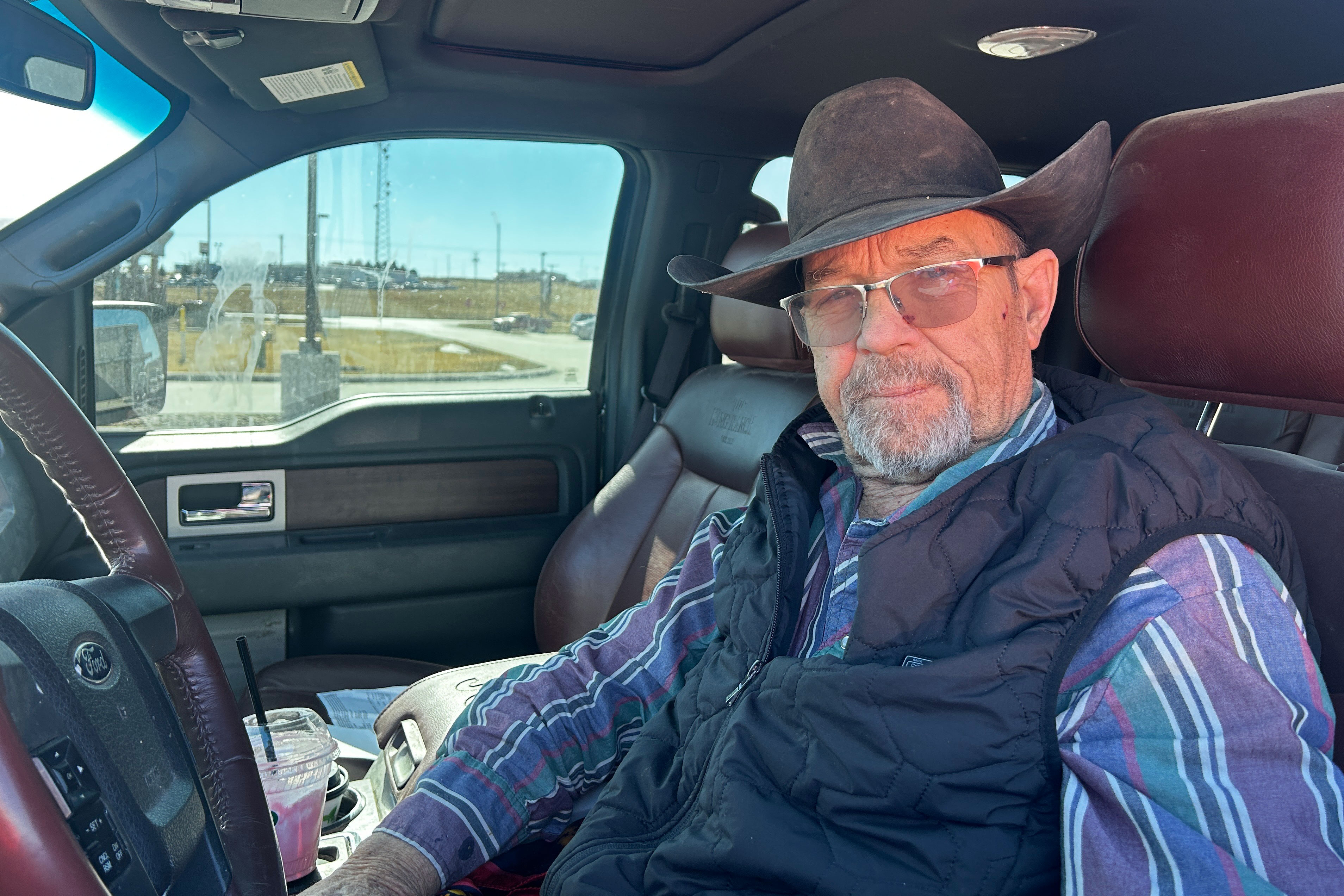
The implications of the Chadron closure have been profound for the affected patients. Some have been forced to relocate to be closer to alternative treatment centers, a difficult decision that often means leaving their homes and communities. Several nursing home residents who relied on the service had to move to new facilities, potentially increasing their distance from family and familiar surroundings.
For others, the solution involves extensive travel. Mark Pieper ultimately found a new dialysis center in Scottsbluff, the largest city in western Nebraska’s rural Panhandle region, boasting a population of approximately 14,000. This new arrangement will triple his weekly travel time, extending his commute to over nine hours each week, a significant burden on top of his regular responsibilities.
Jim and Carol Wright, another couple impacted by the closure, have adopted a different strategy. They have reduced their travel time by renting a small home near Rapid City, South Dakota, where Jim can receive his dialysis treatments during the week. While this arrangement shortens his commute, it comes with increased financial strain. Jim Wright acknowledged the financial challenges faced by rural hospitals but emphasized the life-or-death nature of dialysis. "But we’re talking about something that’s lifesaving. It’s not a matter of, ‘Oh, I would like to be there’ getting treatment," he stated. "It’s a case that if you don’t, you die."
The Financial Strain on Rural Hospitals
Jon Reiners, CEO of Chadron Hospital, a nonprofit independent facility, revealed the difficult decision-making process behind discontinuing dialysis services. He indicated that the closure was announced around the time Nebraska officials celebrated receiving $219 million in first-year funding from the Rural Health Transformation Program. However, Reiners explained that the five-year program is primarily aimed at exploring new and creative approaches to rural health improvement, rather than directly subsidizing existing services to keep them afloat. A significant portion of the allocated funds, up to 15%, can be used by states to compensate providers for patient care, but this may not be sufficient to cover the operational deficits of specialized services.
A review of state applications for the program by KFF Health News indicated that at least 11 states, though not Nebraska, have expressed intentions to utilize funding for rural dialysis programs. Their proposed solutions include the implementation of mobile dialysis units and the development of home-based or long-term care facility treatment options.
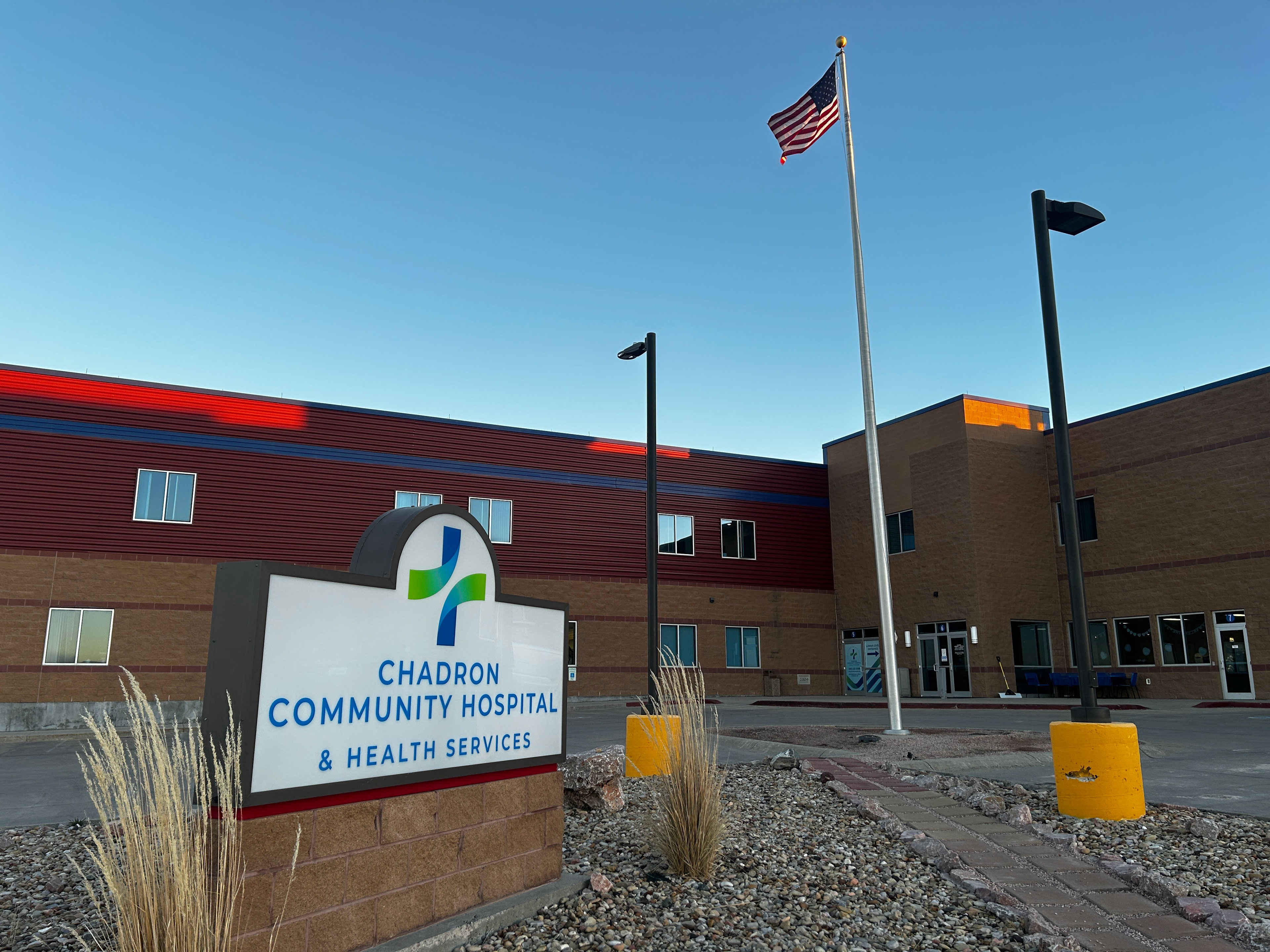
Reiners stated that Chadron Hospital incurred an annual loss of $1 million on its dialysis service. This financial deficit was largely attributed to low reimbursement rates, particularly from Medicare, which failed to cover the operational costs of providing the treatment. While Chadron Hospital operates as a critical access hospital, a designation intended to provide enhanced Medicare reimbursement for small, rural facilities, this program does not extend to outpatient dialysis services, Reiners explained.
The hospital leadership made concerted efforts to find alternative solutions for over a year, including approaching four private companies about potentially taking over the dialysis center. However, all these inquiries were met with refusal after the companies determined that the service would not be financially viable.
Broader Implications and Potential Solutions
The closure in Chadron is indicative of a wider issue of staffing and funding challenges plaguing rural healthcare providers. Nephrologist Mark Unruh, chair of the Internal Medicine Department at the University of New Mexico, described these situations as "sad," where individuals are displaced due to the unavailability of essential medical services.
Data from a 2024 study published in the American Journal of Nephrology highlights significant disparities in kidney health and treatment for individuals in rural America. They are more prone to developing end-stage kidney disease and experience higher mortality rates after diagnosis, according to data from the National Institutes of Health (NIH).
Unruh emphasized that prevention is the most effective strategy for addressing these disparities. He pointed to Project ECHO, a tele-education program that assists primary care physicians in rural and underserved areas with preventing end-stage renal failure. Another potential avenue, he suggested, is to increase the rate of kidney transplantation for rural patients. Unruh is involved in a study examining the feasibility of "fast-tracking" transplant approval tests by consolidating them over a few days to minimize travel time for patients.

Furthermore, Unruh stressed the need for the U.S. health system to recruit and train more staff who can support patients and their caregivers in administering dialysis at home.
Exploring Home Dialysis Options
National Institutes of Health data indicates that rural dialysis patients are more likely to utilize home dialysis compared to their urban counterparts. In 2023, approximately 18% of rural patients opted for home dialysis, against about 14% of urban patients.
One form of home dialysis involves surgically placing a catheter in the abdomen, followed by up to 15 days of training. The alternative requires a more extensive training period, potentially up to eight weeks. For patients near Chadron, the nearest facility offering training for the abdominal catheter method is in Scottsbluff. Training for the longer-duration home dialysis is three hours away in Cheyenne, Wyoming.
Mark Pieper, unfortunately, has been informed by his doctors that he is not a candidate for home dialysis or a kidney transplant. While a nonprofit rural transit system exists in the Panhandle, its schedule does not align with Pieper’s treatment needs, leaving him with no alternative but to travel to Scottsbluff for his treatments, a 200-mile round trip.
Linda Simonson describes an even more demanding journey for her husband, Alan. They travel over four hours round-trip from their ranch to his dialysis treatments in Scottsbluff. Sitting in the waiting room during one of Alan’s final treatments in Chadron, Linda clutched a yellow legal pad filled with contact information for politicians and driving distances to various regional dialysis centers. She noted that facilities closer to their ranch either have no openings for new patients or lack convenient stopping points for breaks during bad weather. "It’s just unreal," she commented, expressing the profound difficulty of their situation. She added that even if Alan were to take a bus, she would need to accompany him to provide support during the long journey and his treatment.
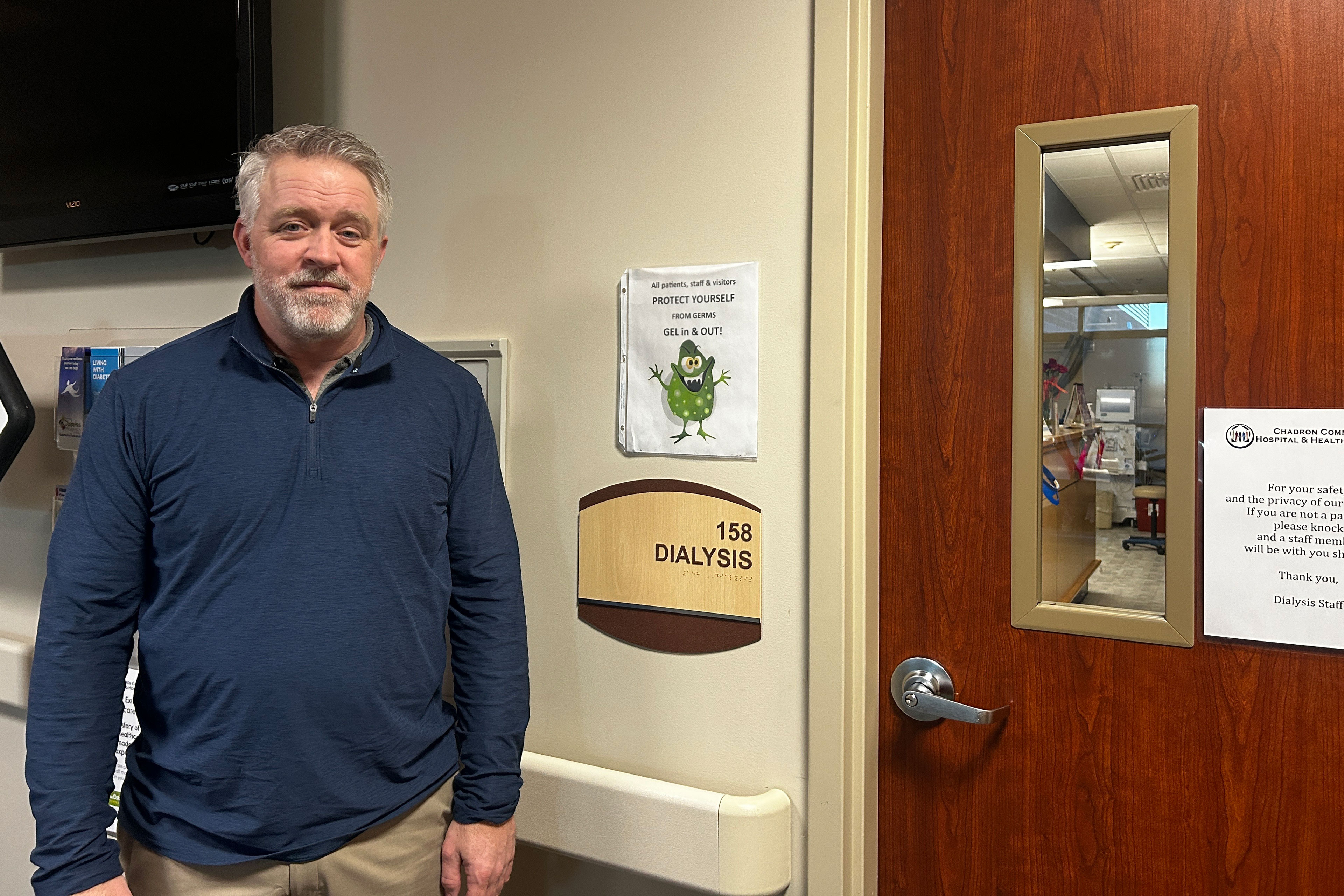
The Wrights, who are temporarily residing near Rapid City, acknowledge that they cannot afford to maintain a second home indefinitely. Their weekly commute is taking a significant physical and emotional toll. They anticipate eventually having to sell their beloved home in the scenic Nebraska National Forest and relocate to a larger city to be closer to consistent medical care. Carol Wright expressed her sympathy for the dedicated dialysis staff in Chadron, whom she described as "wonderful." "It just doesn’t seem right to sacrifice one unit that’s so vital," she stated, standing beside a stack of moving boxes in their rental accommodation.
The Wrights have reached out to politicians and hospital leaders through letters, sharing their concerns and proposing ideas, including the utilization of federal rural health funding to preserve the unit. Linda Simonson reported speaking with aides for the governor and her state representatives, but she stated that none of the leaders had contacted her back. "It feels like they don’t know that we exist at this end of the state," she lamented, highlighting the sense of being overlooked and forgotten in rural Nebraska.










Leave a Reply