
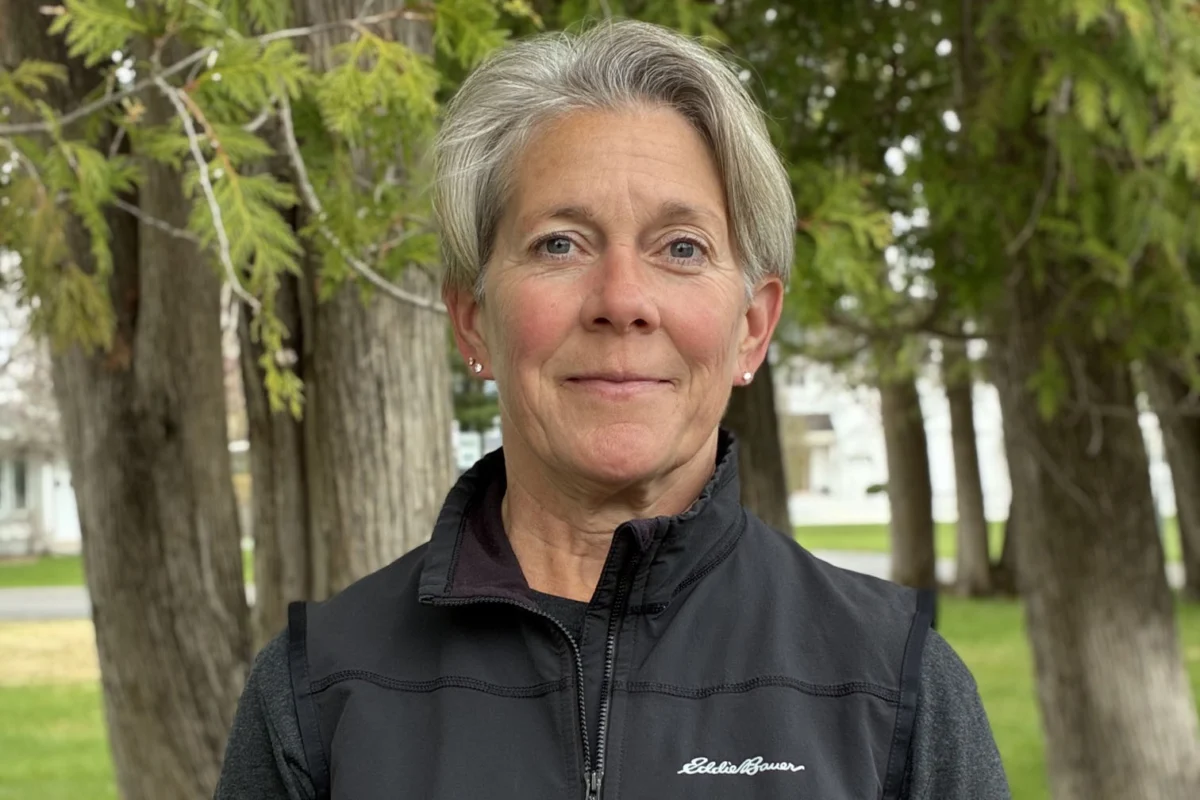
When Melanie Miller, a retired teacher in Michigan, received notice that her health insurance premium was slated to skyrocket from $341 to $914 per month, she made a swift and drastic decision: abandon the Affordable Care Act (ACA) marketplace altogether. This stark reality, faced by millions of Americans as enhanced marketplace tax credits expired, has propelled a surge in the popularity of alternative health insurance plans, often dubbed "junk insurance" by critics, which offer lower premiums at the significant risk of inadequate coverage and limited consumer protections.
Miller, now 59, found herself navigating a new landscape of healthcare financing. She opted for a dual-plan strategy: one policy covering routine and urgent care, and a separate one providing fixed payouts for hospital stays. The combined monthly cost now stands at $341, a fraction of the projected ACA premium, but neither plan meets the federal standards for comprehensive health coverage. Despite her current good health and a practice of yoga, Miller confesses to feeling "vulnerable." Her chosen plan offers a mere $2,000 flat payment for a hospital stay, a pittance compared to the average cost of $30,000 for such an event, according to the Health Cost Institute. "I don’t gamble," Miller stated, "but I may as well. This is gambling."
The expiration of enhanced ACA marketplace tax credits, a decision made by Congress late last year, has dramatically altered the affordability calculus for many. This legislative action has inadvertently amplified the allure of insurance alternatives that sidestep ACA mandates. These plans, often characterized by lower monthly premiums, come with a significant caveat: they do not adhere to ACA standards for coverage or consumer protections. Available from a range of providers, from major insurance companies to smaller firms and non-profits, these alternatives can deny claims with limited or no recourse for consumers to appeal. Crucially, they are not required to cover "essential health benefits" such as preventive care and can impose annual or lifetime caps on benefits, leaving individuals exposed to substantial out-of-pocket costs for significant medical needs.
The Two Sides of Alternative Insurance
The proliferation of these alternative plans has ignited a fierce debate about their impact on patient welfare. Consumer advocates decry them as "junk insurance," warning of the potential for devastating financial consequences when unexpected medical events occur. Conversely, proponents argue that restricting healthcare financing options to the often-pricey ACA marketplace risks increasing the number of uninsured Americans.
Several states, including Kansas and Florida, alongside federal initiatives, have moved to ease regulations on these alternative plans or introduced incentives for enrollment. In contrast, states like California and Massachusetts have implemented measures to discourage participation in such schemes. However, the current economic climate, marked by escalating insurance premiums, is putting these regulatory guardrails to the test.
A Spectrum of Non-ACA Compliant Options
Alternative insurance encompasses a diverse array of products, each with its own set of limitations. Short-term health insurance policies, originally conceived to bridge temporary gaps in coverage, frequently exclude pre-existing conditions and offer limited durations. Fixed-indemnity plans, designed as supplemental coverage, disburse a predetermined flat rate per service, irrespective of the actual cost incurred. Another popular avenue includes arrangements where individuals pool funds to cover each other’s medical bills. Faith-based "healthcare sharing ministries" fall into this category. These are not legally recognized as insurance under federal or state law, meaning they are not obligated to cover even eligible medical expenses.
Shifting Market Dynamics and Growing Concerns
While precise enrollment data for alternative plans remains largely confidential, several indicators suggest a significant shift in the market. Recent estimates point to a potential decline of approximately 20% in ACA marketplace enrollment from 2025 levels. A survey conducted by the Kaiser Family Foundation (KFF) last year found that 5% of individuals enrolled in ACA marketplaces switched to private, non-marketplace individual coverage, including plans that do not comply with the ACA. In response, Covered California, the state’s ACA marketplace, is planning to survey former enrollees to ascertain their current coverage choices.
Insurance industry insiders report an intensified marketing push for alternative plans following the expiration of ACA subsidies. Samantha Albritton, a Colorado-based insurance broker, noted an increase in marketing efforts from fixed-indemnity plan providers in the lead-up to the latest ACA open enrollment period. Zion HealthShare, a prominent healthcare sharing plan, reported a 50% increase in membership since June of the previous year, reaching over 75,000 members by February.
Critics of these alternative plans emphasize that the primary danger arises when individuals rely on them as their sole source of insurance, only to discover their inadequacy during a medical crisis. Amy Killelea, an assistant research professor at Georgetown University’s Center on Health Insurance Reforms, warns, "Humans have bodies that can fail them." She highlights the intricate fine print often present in these plans, making them difficult for consumers to fully understand. Furthermore, enrollees lack the robust protections afforded by traditional insurance. A 2023 peer-reviewed study revealed that even after reviewing a summary of a sample short-term policy and a disclosure stating it was not ACA-compliant, only half of the participants understood that prescription drugs were not covered.
Personal Stories of Financial Ruin and Resilience
The potential pitfalls of these plans are starkly illustrated by the experience of Jade Ramsey. At 24, Ramsey declined employer-sponsored insurance due to its high premiums. Shortly after experiencing fatigue and unexplained bruising, she sought low-cost coverage through Southern Guaranty Insurance Company with a policy similar to a fixed-indemnity plan. Just two weeks after enrollment, she became unable to walk. An emergency room visit led to a six-day hospital stay and a staggering bill of $143,823. Diagnosed with acute lymphoblastic leukemia, her insurer denied coverage for this and other bills, classifying the cancer as a pre-existing condition and offering no further recourse after rejecting her appeal.
The unpaid bills landed in collections, decimating her credit score. Ramsey recounted visiting the ER with chest pain, which she attributed to the immense stress of her six-figure debt. Eventually, she qualified for Medicaid, and her credit score has since recovered, despite the outstanding debt. Collection agencies continue to call, but she ignores them. Southern Guaranty Insurance Company did not respond to requests for comment.
The Case for Choice and Flexibility
Proponents of alternative insurance maintain that restricting these more affordable options will inevitably lead to a rise in the uninsured population. Brian Blase, president of the conservative think tank Paragon Health Institute, argues, "People should be able to spend their own money financing healthcare the way that works best for them." Paragon was instrumental in advocating for the termination of enhanced marketplace tax credits, contending that they incentivized improper enrollment by encouraging unscrupulous brokers to sign individuals up without their explicit consent.
Robert Godfrey, a 64-year-old hair salon owner in Clearwater, Florida, exemplifies the appreciation for expanded choices. When his monthly ACA marketplace premium was projected to increase from $879 to approximately $1,250, Godfrey switched to a $320-a-month membership with Zion HealthShare. Rarely requiring significant medical care, Godfrey viewed this shift as a pragmatic financial decision. "Thank God I’m healthy," he stated.
Regulatory Landscape: A Patchwork of Oversight
The Trump administration significantly relaxed regulations on certain alternative plans. Federal agencies ceased enforcing Biden-era rules concerning the duration and marketing of short-term plans. Additionally, states were offered a marginal advantage in competing for federal rural health funding if they adopted similar regulatory approaches. A spokesperson for the Centers for Medicare & Medicaid Services (CMS), Christopher Krepich, stated that the administration’s focus remains on ensuring "access to affordable coverage options, strengthening competition, and reducing unnecessary regulatory burdens, while maintaining appropriate consumer protections."
State oversight of alternative insurance varies widely. In many parts of the country, these plans face minimal restrictions. States like Florida, Arizona, and Indiana have relaxed limits on short-term plans, allowing for renewals of up to three years, following the federal government’s regulatory shifts.
In Kansas, lawmakers overrode the governor’s veto to pass a bill offering tax breaks for individuals enrolling in healthcare sharing ministries. Governor Laura Kelly, a Democrat, warned that these unregulated ministries "opens the door to all sorts of fraud and abuse." Conversely, Kansas House Speaker Daniel Hawkins asserted that "House Republicans believe families should have more flexibility and more control over their healthcare decisions, not fewer options and higher costs." Oklahoma considered a similar bill earlier this year, but it did not pass.
However, not all states are embracing alternative plans. Over a dozen states have banned short-term policies or have stringent rules that deter insurers from offering them. California and Massachusetts are at the forefront of this movement, prohibiting short-term plans and mandating clear warnings for those considering healthcare sharing ministries. Both states also impose taxes on adults who opt out of comprehensive coverage while offering subsidies for marketplace premiums to encourage enrollment.
Héctor Hernández-Delgado, a director at the National Health Law Program, which advocates for quality healthcare for low-income individuals, expressed concern that the rising premiums will strain existing regulatory frameworks. He worries that consumers drawn to the low prices of these alternative plans could ultimately "be worse off down the road," burdened by substantial medical debt.
Ramsey, now in remission, strongly advises those contemplating cheaper insurance options to conduct thorough research. "Make sure it’s covering what you need to be covered," she urged. "It could be too good to be true."
Are you struggling to afford your health insurance? Have you decided to forgo coverage? Click here to contact KFF Health News and share your story.










Leave a Reply