
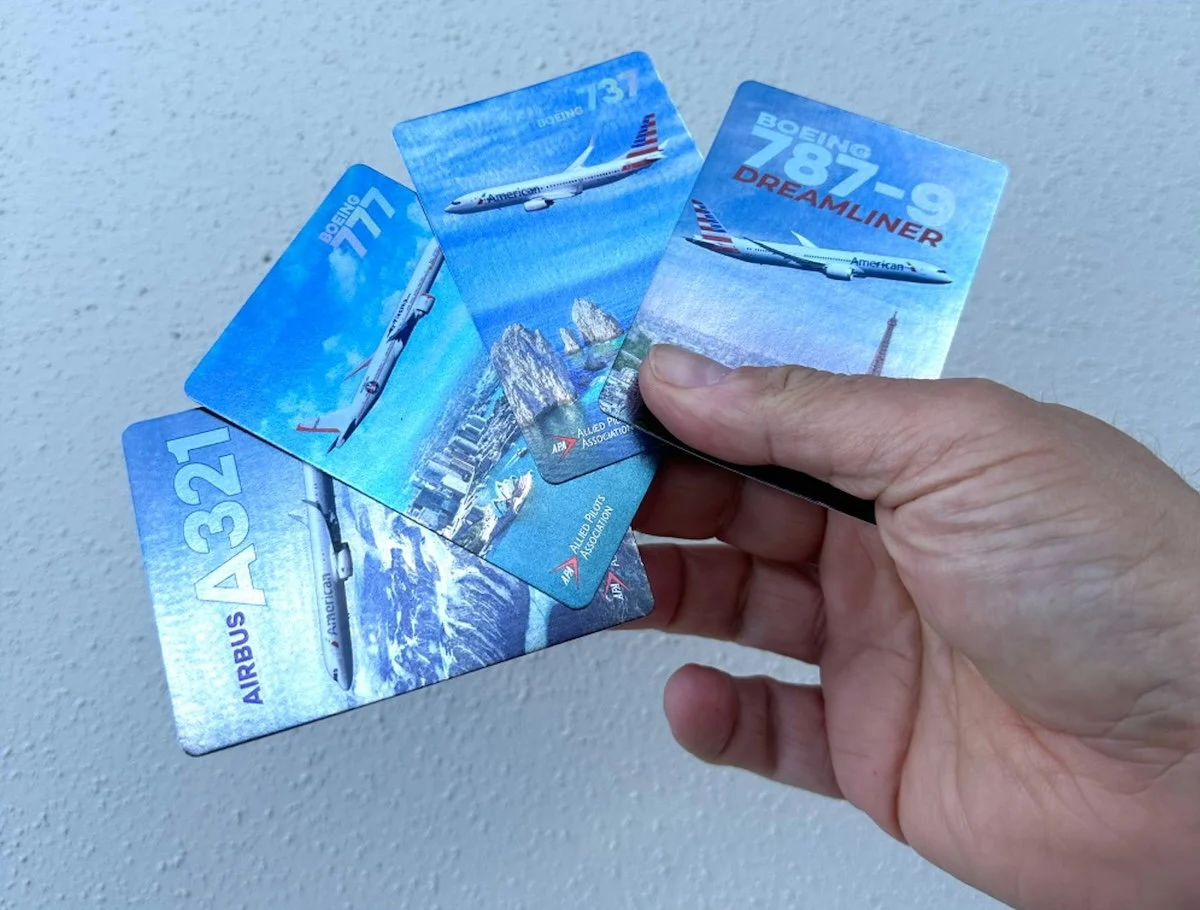
American Airlines has officially announced the launch of a new commemorative trading card program to celebrate its upcoming 100th anniversary, marking a significant move to engage with aviation enthusiasts and young travelers. The initiative, set to debut in early May 2026, will see the carrier distribute millions of collectible cards through its pilot workforce, joining a growing industry trend that leverages nostalgia and brand loyalty. According to official statements from the Fort Worth-based airline, the program is designed to honor the company’s century-long history, which traces its roots back to the early days of commercial aviation and airmail delivery.
The centennial-themed collection will be distributed by pilots of mainline aircraft on a first-come, first-served basis. While the program is expected to begin in limited quantities during the first weeks of May, American Airlines plans to ramp up production significantly as the peak summer travel season approaches. The airline has confirmed an initial printing run of more than seven million cards for the summer of 2026 alone, ensuring a broad reach across its domestic and international networks.
A Century of Aviation History in the Palm of Your Hand
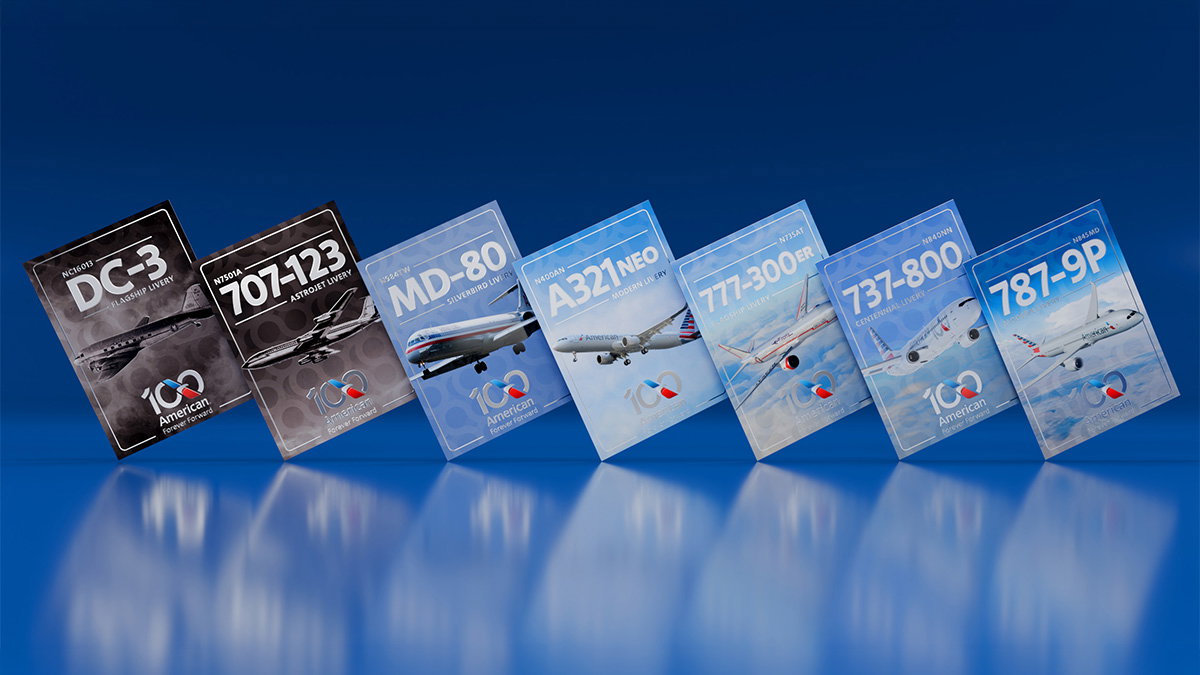
The introduction of the trading cards serves as a cornerstone of American Airlines’ centennial celebrations. Founded in 1926 as a conglomerate of dozens of smaller regional carriers, the airline has grown into one of the largest commercial carriers in the world. The trading card series is curated to reflect this evolution, featuring a blend of the modern fleet and iconic aircraft from the previous century.
The collection is divided into two primary categories: current operational aircraft and historical "legacy" aircraft. The four modern fleet types selected for the inaugural launch include the Airbus A321neo, the Boeing 737-800, the Boeing 777-300ER, and the Boeing 787-9. Observers in the aviation industry have noted the specific selection of these models as a reflection of American’s current operational strategy. The inclusion of the A321neo highlights the airline’s shift toward fuel-efficient, narrow-body transcontinental flying, while the 777-300ER and 787-9 represent the backbone of its long-haul international "Flagship" service.
To satisfy the demands of historians and collectors, American has also designated three "special edition" cards representing pivotal moments in its 100-year timeline. These cards will feature the Douglas DC-3, the Boeing 707-123, and the McDonnell Douglas MD-80. The DC-3 is widely credited as the aircraft that made passenger air travel profitable in the 1930s, while the 707-123 ushered American into the Jet Age in the late 1950s. The MD-80, affectionately known as the "Mad Dog," served as the workhorse of the airline’s domestic fleet for decades before its retirement in 2019.
Technical Specifications and Educational Value
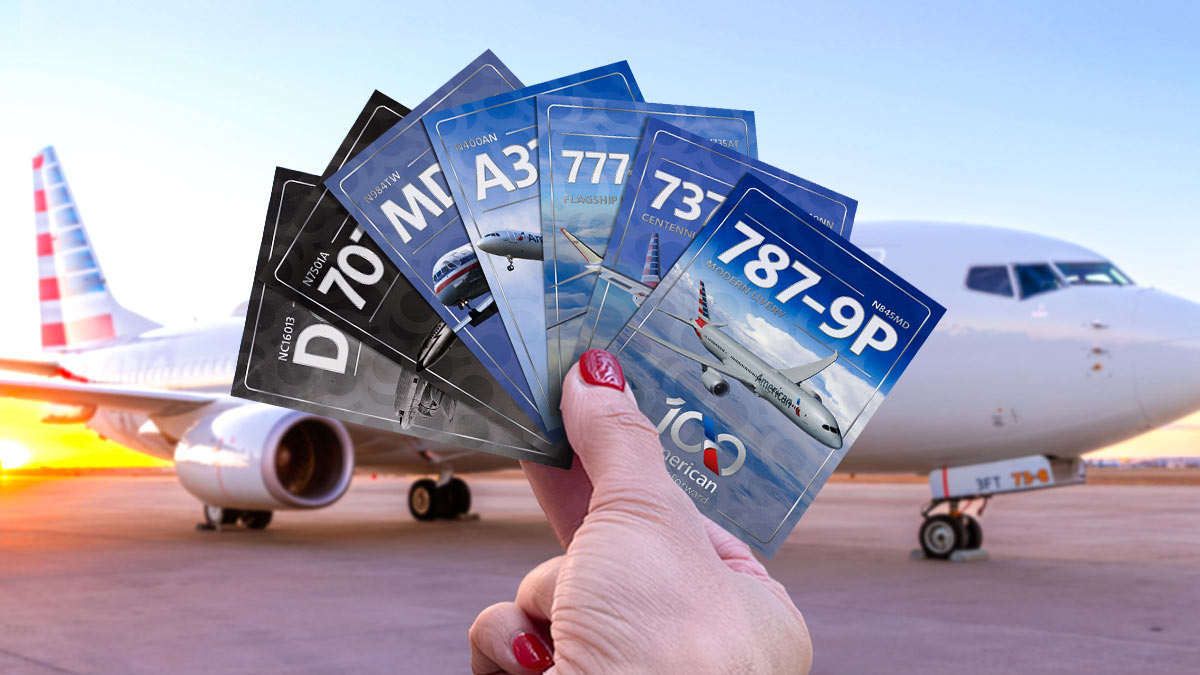
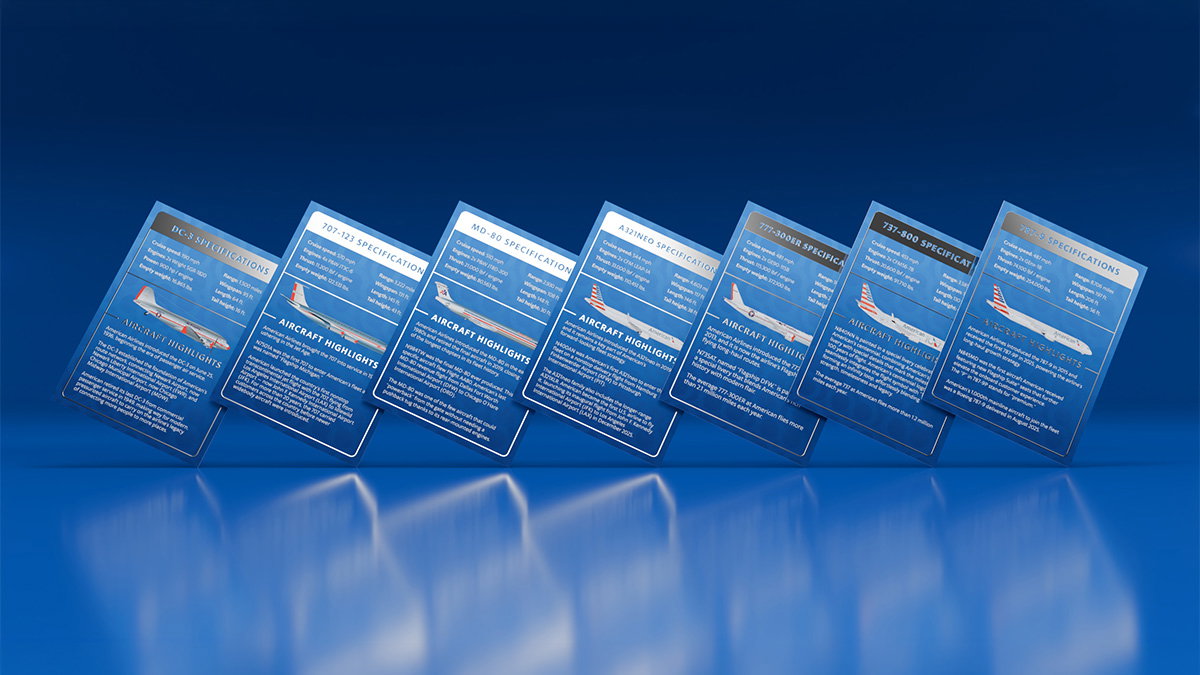
Each card in the centennial series is designed to be more than a simple souvenir. The airline has opted for a data-rich format that provides educational value to passengers. The front of each card will feature high-resolution imagery of the aircraft in American’s signature livery, while the reverse side will contain a wealth of technical information.
Key data points included on the cards consist of:
- Aircraft Specifications: Details regarding wingspan, fuselage length, and maximum takeoff weight.
- Performance Metrics: Information on cruising speeds, range, and engine configurations.
- Diagrams: Technical line drawings showing the profile and layout of the aircraft.
- Historical Context: Specific aircraft registration numbers (N-numbers) will be featured, allowing collectors to track the history of specific airframes that have served in the fleet.
Captain Alan Johnson, American Airlines’ Vice President of Flight Operations, emphasized the role of these cards in fostering a connection between the flight deck and the cabin. "These trading cards are a culmination of 100 years of special moments shared between pilots, planes, and passengers," Johnson stated. "Whether flying for the first time or the 100th, these cards give everyone the opportunity to connect with pilots, commemorate meaningful trips, and reflect on the progress of flight."
Contextualizing the Timing: The Union Factor
The timing of American’s announcement has drawn significant attention within the industry, particularly following a similar initiative launched by the Allied Pilots Association (APA), the union representing American’s 15,000 pilots. Just weeks prior to the airline’s official announcement, the APA rolled out its own independent set of trading cards.
The union-branded cards were funded by the pilots themselves and featured union logos alongside aircraft imagery. The APA stated that their initiative was born out of a desire to enhance the passenger experience at a time when the company had not yet provided such materials. Industry analysts suggest that the overwhelming positive response to the union’s cards, coupled with the "nudge" from the pilot group, likely accelerated American Airlines’ decision to formalize its own corporate program.
The transition from union-led to company-sanctioned cards marks a rare moment of alignment in the "passenger experience" domain, although it highlights the competitive nature of branding within the cockpit. By launching the official centennial cards in May, the airline management effectively reclaims control over a high-visibility marketing tool that has proven successful for its competitors.
Industry Trends and Competitive Landscape
American Airlines is not the first major carrier to utilize trading cards as a brand-building tool. Delta Air Lines has maintained a highly successful trading card program for nearly two decades, which has evolved into a significant subculture among aviation enthusiasts. Delta’s cards are often traded on secondary markets, and the pursuit of rare "limited edition" cards has become a hobby for frequent flyers.
United Airlines and several international carriers have also experimented with similar collectibles. For American, the 2026 centennial provides the perfect narrative framework to enter this space. By focusing on the 100th-anniversary theme, the airline creates a "limited time" aura around the cards, which is expected to drive demand among the "AvGeek" (aviation geek) community.
The decision to print seven million cards indicates that American is preparing for high volume. For comparison, most airline promotional materials are printed in much smaller batches. The scale of this rollout suggests that American intends for the cards to be a standard part of the boarding or deplaning experience throughout the summer of 2026.
Strategic Selection: The 737-800 vs. the MAX
A point of discussion among fleet analysts is the airline’s choice to feature the Boeing 737-800 in its current fleet lineup rather than the newer Boeing 737 MAX 8. While the A321neo (the modern successor to the A321ceo) is featured on the Airbus side, the 737-800—a "Next Generation" model that has been the backbone of the short-haul fleet for years—was chosen over its more modern "MAX" counterpart.
Speculation within aviation circles suggests this may be a branding decision intended to focus on the reliability and longevity of the -800 series during a milestone anniversary, rather than the more technologically advanced but historically scrutinized MAX. Conversely, the inclusion of the A321neo signals the airline’s commitment to its "sustainability" narrative, as the neo (New Engine Option) is a primary driver in American’s goal to reduce carbon emissions.
Chronology of the Centennial Rollout
The trading card program is part of a larger timeline of events scheduled for the 2026 centennial:
- April 2026: Official announcement of the "Cleared to Collect" campaign and reveal of the card designs.
- Early May 2026: Initial distribution begins on select mainline flights.
- June 2026: Full-scale rollout across the entire mainline fleet, coinciding with the start of the peak summer travel season.
- July – August 2026: Peak distribution phase, with the airline targeting the seven-million-card milestone.
- Late 2026: Potential expansion of the program to include regional partners (American Eagle) or additional historical aircraft, depending on passenger feedback.
Broader Impact on Brand Loyalty
The launch of the centennial trading cards is a low-cost, high-impact marketing strategy. In an era where many aspects of air travel have become commoditized or digital, the physical nature of a trading card offers a tangible connection to the brand. For children and young travelers, these cards often serve as the first spark of interest in a career in aviation, potentially aiding in long-term recruitment for an industry facing future pilot and mechanic shortages.
Furthermore, the program encourages direct interaction between the flight crew and the passengers. In a post-pandemic environment where cockpit doors remain reinforced and security is paramount, the act of a pilot handing a card to a passenger creates a brief but meaningful moment of human connection. This "soft product" enhancement is often cited by marketing experts as a key differentiator in the highly competitive US domestic market.
As American Airlines approaches its 100th year of operation, the trading card program serves as both a look back at a storied past and a marketing bridge to the next generation of flyers. With seven million cards set to enter circulation, the "Centennial Series" is poised to become one of the most widely distributed aviation collectibles in history.









Leave a Reply