
The modern landscape of high-end international travel is increasingly defined by a shift toward "slow travel" and sentimental itineraries, a trend exemplified by the upcoming summer journey of Ben Schlappig, founder of the prominent travel industry platform One Mile at a Time. As the global travel sector stabilizes in the post-pandemic era, affluent travelers are moving away from traditional high-traffic urban centers in favor of rural, nature-centric experiences that accommodate the complexities of multi-generational or young family logistics. Schlappig’s planned excursion through Greece, Northern Germany, and the Alpine regions of Central Europe serves as a case study in balancing professional obligations with the evolving demands of traveling with young children.
The Evolution of the Family Itinerary
The Schlappig family’s summer itinerary reflects a deliberate move toward extended stays and localized immersion. The journey is anchored by two week-long residential rentals: one in a secluded region of Greece and another on the island of Sylt in Northern Germany. This approach, which prioritizes private villas over traditional hotel suites, highlights a growing preference for controlled environments where families can maintain routines—a critical factor when traveling with an infant and a toddler.
Between these two bookends lies a "gap week" currently being evaluated for a road trip through the Alps. The transition from the Mediterranean climate of Greece to the maritime environment of the North Sea requires a strategic midpoint. For many luxury travelers, the Bavarian and Austrian Alps offer a logical solution, providing a temperate climate and an infrastructure that supports "outdoor-focused" relaxation. This shift in preference—from the bustling streets of Frankfurt or Munich to the quietude of the mountains—aligns with broader industry data suggesting a 15% increase in demand for nature-based luxury tourism since 2022.
Chronology of Planning and Sentimental Motivation
The planning of this trip is not merely logistical but deeply rooted in familial legacy. The inclusion of Sylt, a high-end resort island known as the "Hamptons of Germany," is a tribute to Schlappig’s late mother, for whom the island held significant meaning. This "legacy travel" trend has gained traction as travelers seek to share formative locations with the next generation.
The chronological development of the trip is as follows:
- Phase One: Greece. A week-long stay in a non-traditional, less-populated area of Greece, focusing on local culture and privacy.
- Phase Two: The Alpine Gap. A week-long transition period intended for a road trip starting from hubs such as Munich, Salzburg, or Innsbruck.
- Phase Three: Sylt. A concluding week on the North Frisian island, emphasizing coastal nature and family history.
The challenge currently facing the family is the selection of the Alpine midpoint. The criteria involve finding a balance between high-end design, child-friendly amenities, and a rural setting that allows for the "space to run around," a requirement that urban luxury hotels often struggle to meet.
The Hospitality Landscape in Germany and Austria
Finding suitable luxury accommodations in rural Germany and Austria presents a unique challenge for international travelers. Unlike the standardized luxury markets of London, Paris, or New York, the German hospitality sector is characterized by a high concentration of independent, family-owned boutique hotels. These properties often fly under the radar of traditional luxury consortia like Virtuoso or American Express Fine Hotels + Resorts.

Industry analysis reveals that while Germany is a powerhouse for domestic tourism, its inbound international luxury market is often concentrated in major cities. Consequently, the "hidden gems" of the Alps require a deeper level of research. Schlappig has identified several potential candidates that represent the current state of the market:
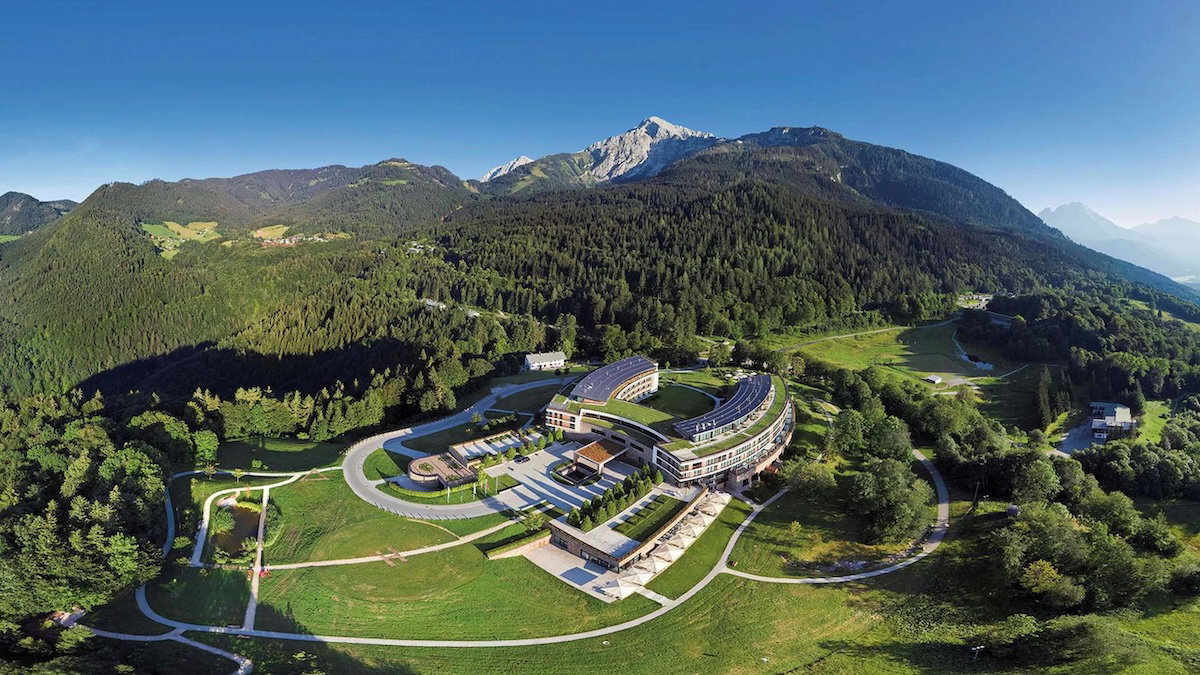
- Kempinski Hotel Berchtesgaden: Located in the Bavarian Alps, this property offers the traditional "Grand Hotel" experience with a modern twist. Its isolated location on the Eckerbichl provides the "outdoor-focused" environment sought by families, though its scale can sometimes detract from the intimate "inn" feel.
- Schloss Seefels: Situated on Lake Wörthersee in Austria, this property has recently gained visibility due to the partnership between Hilton and Small Luxury Hotels of the World (SLH). This alliance allows travelers to use loyalty points for stays at high-end boutique properties, a significant development for the "points and miles" community.
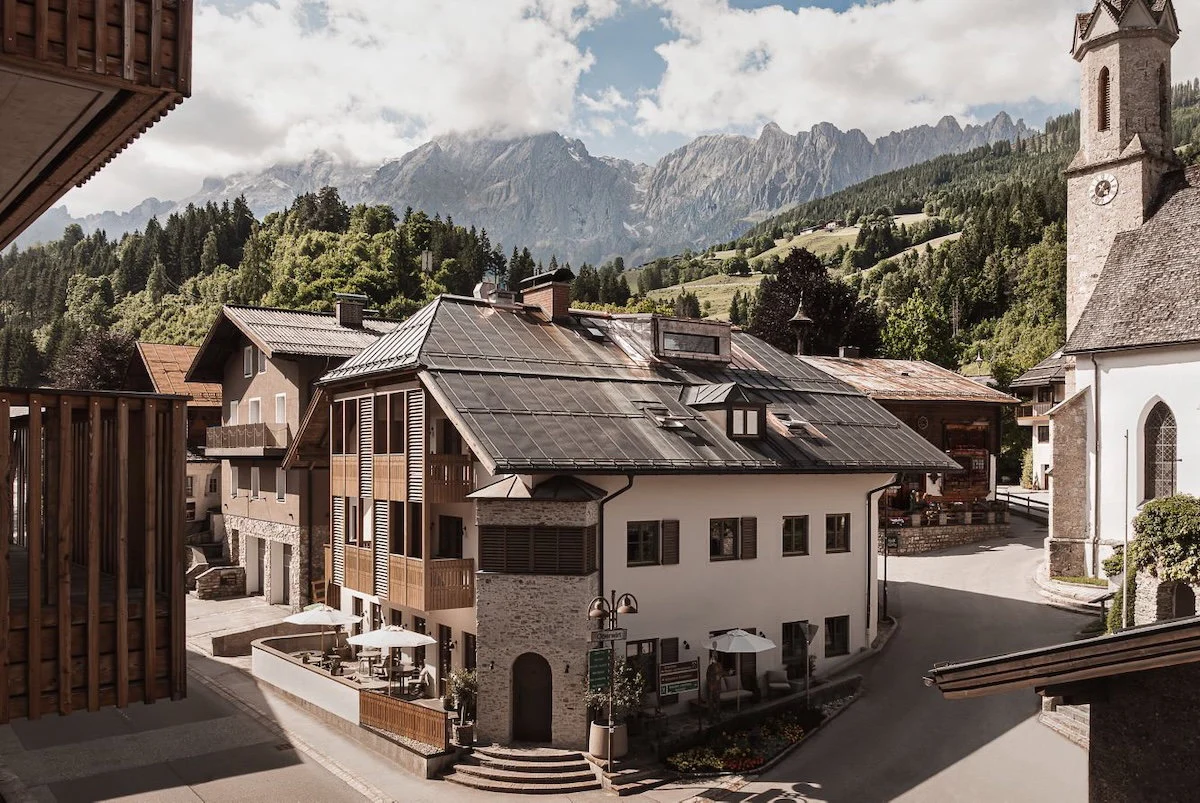
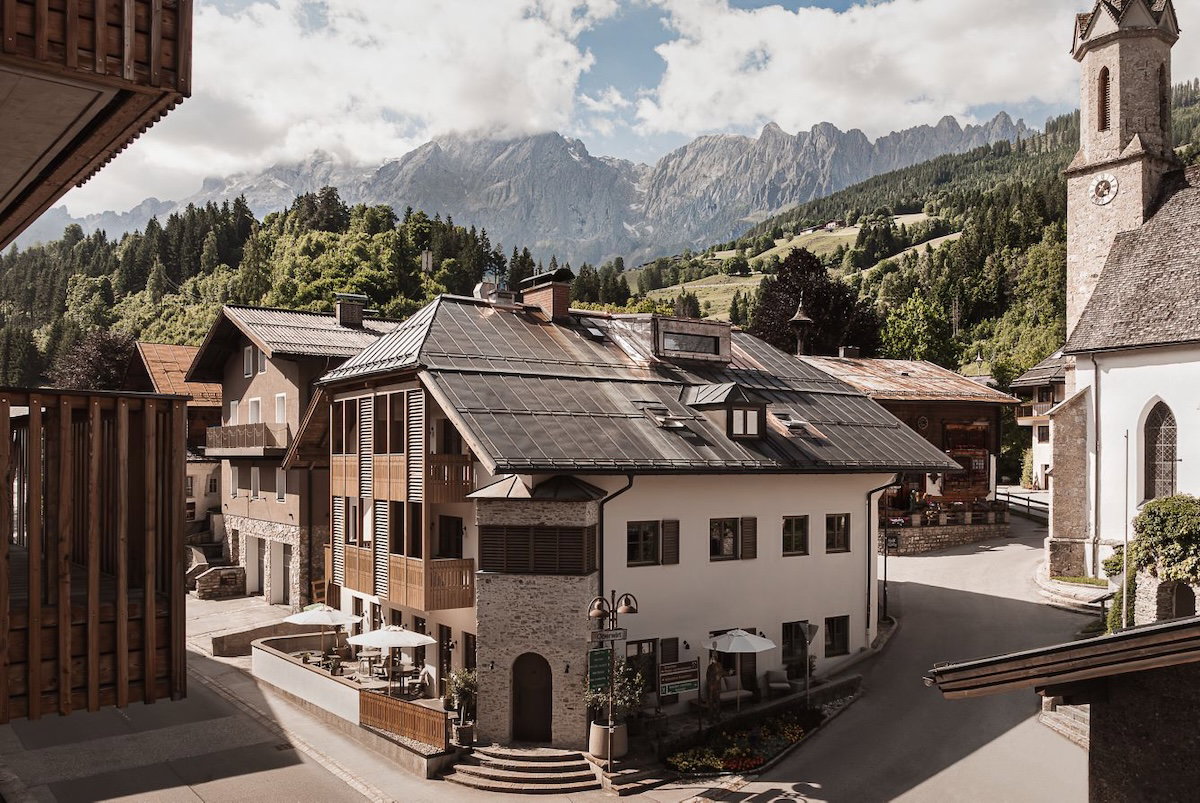
- Stieg’nhaus Mühlbach am Hochkönig: Representing the "Design Hotels" segment of the Marriott Bonvoy portfolio, this property caters to travelers seeking minimalist, modern aesthetics within a rugged mountain landscape.
Supporting Data: The Rise of the Alpine Summer
The Alps have traditionally been viewed as a winter destination, but summer tourism in the region is experiencing a renaissance. According to the Austrian National Tourist Office, summer overnight stays in regions like Tyrol and Salzburg have begun to rival winter figures. This is attributed to several factors:
- Climate Escape: As Southern Europe faces increasingly intense summer heatwaves, the cooler altitudes of the Alps offer a refuge for families with young children.
- Wellness Infrastructure: The region is a global leader in "wellness" tourism, with hotels offering sophisticated spa facilities alongside robust children’s programs.
- Accessibility: The proximity of Munich International Airport (MUC) to the Bavarian Alps (approximately a 90-minute drive) makes it one of the most accessible mountain ranges in the world for long-haul travelers.
Logistical Analysis of Multi-Generational Travel
Traveling with an infant (Jet, turning one) and a toddler (Miles, nearly four) requires a departure from the "fast-paced" travel style for which Schlappig was originally known. The "slow travel" philosophy utilized here—renting homes and staying in one place for a week—minimizes the "travel friction" associated with frequent packing and unpacking.
However, the "gap week" road trip introduces a variable of mobility. The objective is to recreate the "road trip through the Alps" experience of Schlappig’s youth, characterized by spontaneous stops at charming bed-and-breakfasts. In a modern context, this spontaneity is often replaced by curated boutique stays that offer the "inn" experience with the security of luxury standards. The ideal property, as described, is a "small inn in the Alps with a dozen rooms, nice design, and not a whole lot else around."
Industry Reactions and Implications
The travel community’s reaction to this itinerary highlights a common struggle among high-end travelers: the "loyalty program paradox." Many travelers prefer the personalized service of a 12-room boutique inn but are also incentivized to stay at chain-affiliated properties (Marriott, Hilton, Hyatt) to maximize elite benefits and point redemptions.
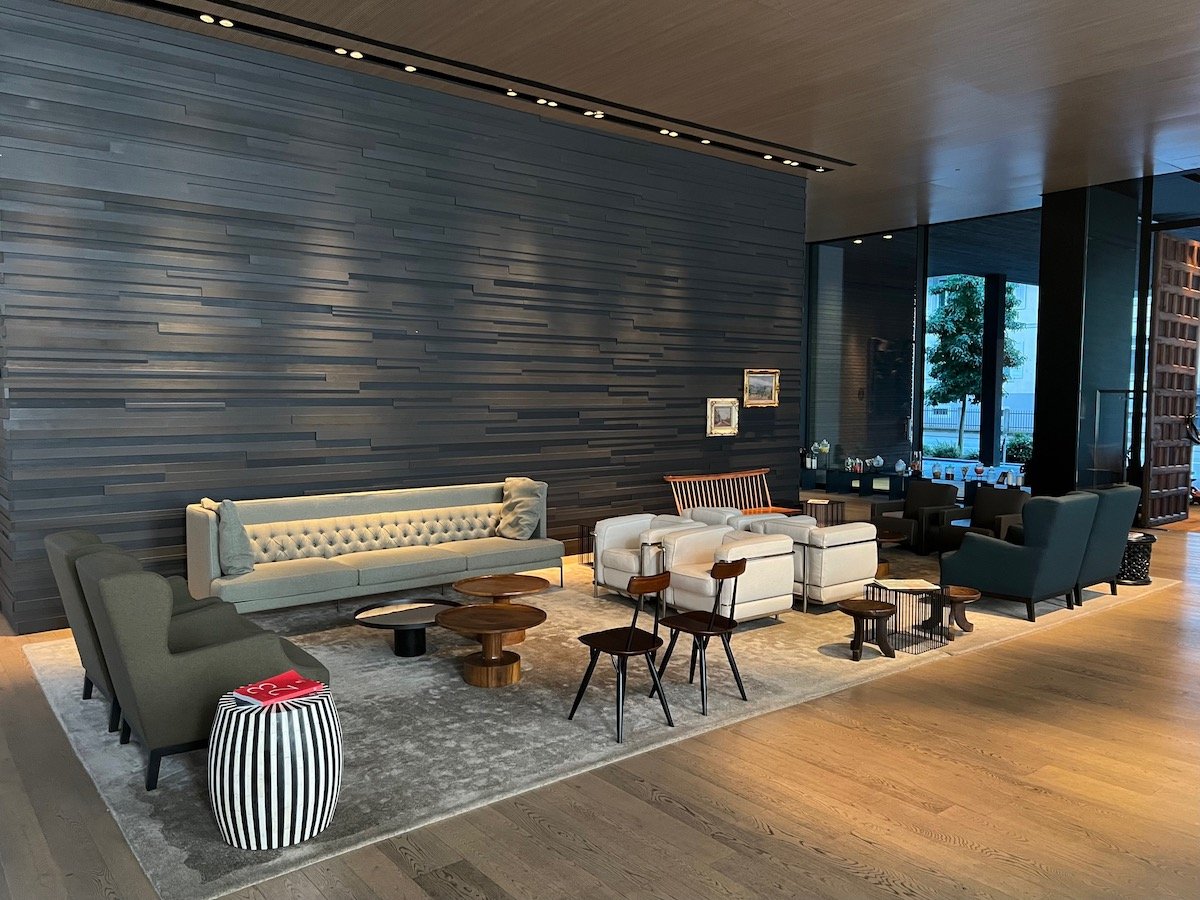
The recent integration of brands like Small Luxury Hotels of the World into the Hilton ecosystem and Design Hotels into Marriott Bonvoy is a direct response to this demand. It allows the "boutique" experience to be accessible via the "corporate" loyalty structure. Schlappig’s consideration of properties like Schloss Seefels (Hilton/SLH) and Stieg’nhaus (Marriott/Design Hotels) underscores the success of these partnerships in capturing the high-value family demographic.
Broader Impact on the Luxury Travel Sector
The Schlappig family’s summer plans reflect a broader shift in the luxury travel industry toward "purposeful wandering." The emphasis is no longer on checking off iconic landmarks but on creating environments where family bonds can be strengthened in nature.
This trend has significant implications for hotel developers in the Alpine region. There is a growing market for "hybrid" properties—those that offer the design and seclusion of a boutique hotel but with the professionalized childcare and amenities of a larger resort. As the "work-from-anywhere" culture persists, these properties are also seeing longer stay durations, as parents like Schlappig balance professional management of platforms like One Mile at a Time with family engagement.
In conclusion, the quest for the perfect Alpine retreat is emblematic of a new era of luxury travel. It is an era defined by a search for authenticity, a respect for legacy, and a strategic use of global loyalty programs to facilitate experiences that are both high-end and deeply personal. As the Schlappig family finalizes their plans, their choices will likely serve as a blueprint for other families navigating the complexities of long-haul travel with young children in an increasingly nature-centric tourism market.










Leave a Reply