
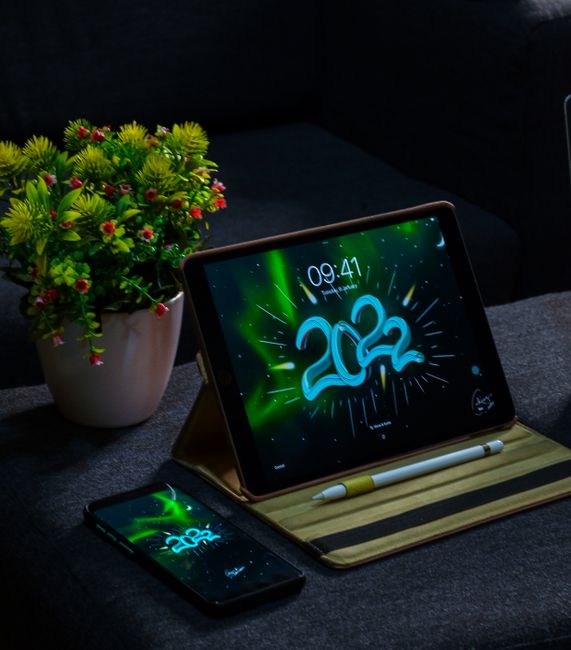
2023: The Year of the iPad, A Deep Dive into Apple’s Evolving Tablet Landscape
The year 2023 solidified the iPad’s position not merely as a tablet, but as a legitimate, powerful, and versatile computing device. While not marked by a singular, groundbreaking hardware revolution akin to the original iPad’s debut, 2023 was a year of significant refinement, strategic product segmentation, and a clear articulation of the iPad’s evolving role in both consumer and professional workflows. This year saw Apple further distinguish its offerings, catering to a wider array of needs and budgets, while simultaneously pushing the boundaries of what a tablet can accomplish. The Pro models continued their march towards desktop-like capabilities, the Air cemented its status as the "sweet spot" for many, and even the base iPad saw thoughtful updates, all contributing to a comprehensive and compelling tablet ecosystem. The underlying theme of 2023 was one of mature growth and targeted innovation, making it a pivotal year for the iPad’s ongoing journey from a consumption device to a creation hub.
The iPad Pro line, specifically the M2-powered models released in late 2022 but whose impact was deeply felt throughout 2023, continued to be the pinnacle of Apple’s tablet technology. These devices, available in 11-inch and 12.9-inch configurations, showcased the raw processing power of the M2 chip, a silicon powerhouse previously found in MacBook Pro and Mac mini machines. This meant that demanding professional applications, from video editing and 3D rendering to complex graphic design and music production, ran with unprecedented fluidity and speed on an iPad. The integration of the M2 chip wasn’t just about raw benchmarks; it translated into tangible real-world performance gains, enabling workflows that were previously unthinkable on a tablet. Features like ProRes video editing in Final Cut Pro for iPad, which arrived in 2023, underscored this shift. The ability to capture, edit, and export high-quality professional video directly on an iPad Pro redefined mobile content creation and solidified its appeal to a professional user base. Furthermore, the continued advancements in Apple Pencil 2 support, including hover functionality and low latency, provided an even more intuitive and precise drawing and writing experience, further blurring the lines between tablet and traditional creative tools. The tandem of the M2 chip and the refined Apple Pencil 2 on the iPad Pro truly positioned it as a powerful portable workstation for creatives and professionals.
Beyond the raw power, 2023 saw Apple refine the iPad Pro’s ecosystem and software support, making it an even more attractive proposition for those seeking a laptop alternative. The introduction and refinement of features within iPadOS, such as Stage Manager, while debated by some, represented Apple’s continued commitment to enabling more desktop-like multitasking. For the iPad Pro, Stage Manager, coupled with external display support, unlocked a new level of productivity, allowing users to run multiple apps side-by-side and resize windows for a more flexible workspace. This was particularly beneficial for users who relied on their iPads for a significant portion of their daily tasks, offering a more streamlined experience than simply switching between full-screen apps. The continued expansion of the App Store with more powerful, pro-oriented applications across various disciplines also played a crucial role in 2023. Developers increasingly recognized the iPad Pro’s potential and optimized their software accordingly, offering full-featured versions of their desktop counterparts. This ecosystem growth, fueled by the underlying hardware capabilities, made the iPad Pro a compelling choice for a wider range of professionals, from architects and engineers to musicians and developers, who could leverage its portability and power for on-the-go work.
The iPad Air, a perennial favorite for its balance of performance and price, also received significant attention in 2023. While it didn’t receive the M2 chip, the previous generation M1 chip remained incredibly capable, offering more than enough power for the vast majority of users. The true story for the iPad Air in 2023 was its strategic positioning and continued popularity as the "sweet spot" device. It offered a premium user experience, including a vibrant Liquid Retina display, Apple Pencil 2 compatibility, and a sleek, modern design, all at a more accessible price point than the Pro models. This made it an ideal choice for students, educators, casual users, and even many professionals who didn’t require the absolute bleeding edge of performance. The continued refinement of iPadOS further enhanced the Air’s usability, with features like improved Split View and Slide Over multitasking making it a competent device for both productivity and entertainment. The color options and the overall aesthetic of the iPad Air also contributed to its appeal, making it a device that users were happy to own and use daily. In 2023, the iPad Air cemented its reputation as the do-it-all tablet for the masses, offering a fantastic user experience without the premium price tag.
The base model iPad, often the entry point into the Apple ecosystem, also saw important updates in 2023. These updates, while perhaps less headline-grabbing than those for the Pro or Air, were crucial for maintaining the iPad’s broad appeal. The focus for the base iPad often lies in making powerful computing accessible to a wider audience. This typically involves processor upgrades that deliver tangible performance improvements for everyday tasks, such as web browsing, email, streaming media, and light productivity. Improvements in display quality, albeit still using older technologies compared to the higher-end models, and enhanced camera capabilities also contribute to a more polished user experience. Crucially, the base iPad remains the most affordable way to access the iPadOS ecosystem, making it an invaluable tool for education, family use, and basic computing needs. The 2023 iterations likely continued this trend, offering enhanced performance and features that justify its existence as the foundational iPad offering, ensuring that Apple’s tablet lineup remained competitive across all price segments and use cases.
A significant trend throughout 2023 was the continued maturation of iPadOS as a distinct operating system, moving away from its iOS roots to embrace more desktop-like functionality. While some users yearned for a full macOS experience on iPad, Apple’s approach with iPadOS was to create a powerful and intuitive tablet-first operating system that borrows the best elements of macOS for productivity. Features like the aforementioned Stage Manager, improved file management, enhanced cursor support, and the growing availability of powerful, multi-window applications were all key developments that underscored this evolution. This strategic direction in 2023 allowed the iPad to cater to a broader spectrum of users, from those who primarily consume content to those who use it as their primary device for work and creation. The ability to run professional-grade software, coupled with a refined multitasking experience, made the iPad a truly viable alternative to traditional laptops for many. The ongoing development of iPadOS in 2023 was not just about adding features; it was about intelligently designing an operating system that leverages the unique strengths of the iPad’s touch interface and hardware capabilities, creating a distinct and powerful computing platform.
The accessory ecosystem surrounding the iPad also played a vital role in 2023, significantly enhancing its functionality and appeal. The Apple Pencil, in its various iterations, continued to be a must-have accessory for many, especially artists, note-takers, and designers. The hover functionality on the M2 iPad Pro and the low latency of the Apple Pencil 2 provided an unparalleled drawing and writing experience. Beyond the stylus, keyboard attachments, such as the Magic Keyboard and the Smart Keyboard Folio, transformed the iPad into a highly capable laptop-like device, offering comfortable typing experiences and integrated trackpads. These accessories were crucial for users who relied on their iPads for extended typing sessions or for those looking for a more traditional computing setup. The continued innovation in third-party accessories, offering a wider range of protective cases, stands, and docking stations, further expanded the iPad’s versatility. In 2023, the iPad was increasingly viewed as a platform, and its rich accessory ecosystem was a critical component in unlocking its full potential, allowing users to customize their experience to suit their specific needs and workflows.
Looking ahead, 2023 set a clear trajectory for the iPad’s future. The focus on performance through Apple Silicon, the strategic segmentation of the product line to cater to diverse needs, and the continued evolution of iPadOS all point towards a tablet that will only become more powerful and versatile. The blurring lines between tablets and laptops will continue, with the iPad pushing the boundaries of what’s possible in a portable, touch-centric computing device. The success of the M-series chips in the Pro models has paved the way for increasingly demanding applications, while the Air and base models ensure accessibility. The ongoing development of iPadOS, with its unique blend of touch-first design and desktop-like capabilities, will be crucial in realizing the iPad’s full potential as a primary computing device for a growing number of users. 2023 was not a year of a single, revolutionary product, but rather a year of significant, deliberate progress, solidifying the iPad’s position as a dominant force in the personal computing landscape, poised for even greater achievements in the years to come. The consistent performance, user-centric design, and robust software ecosystem established in 2023 ensure the iPad’s continued relevance and growth.




Leave a Reply