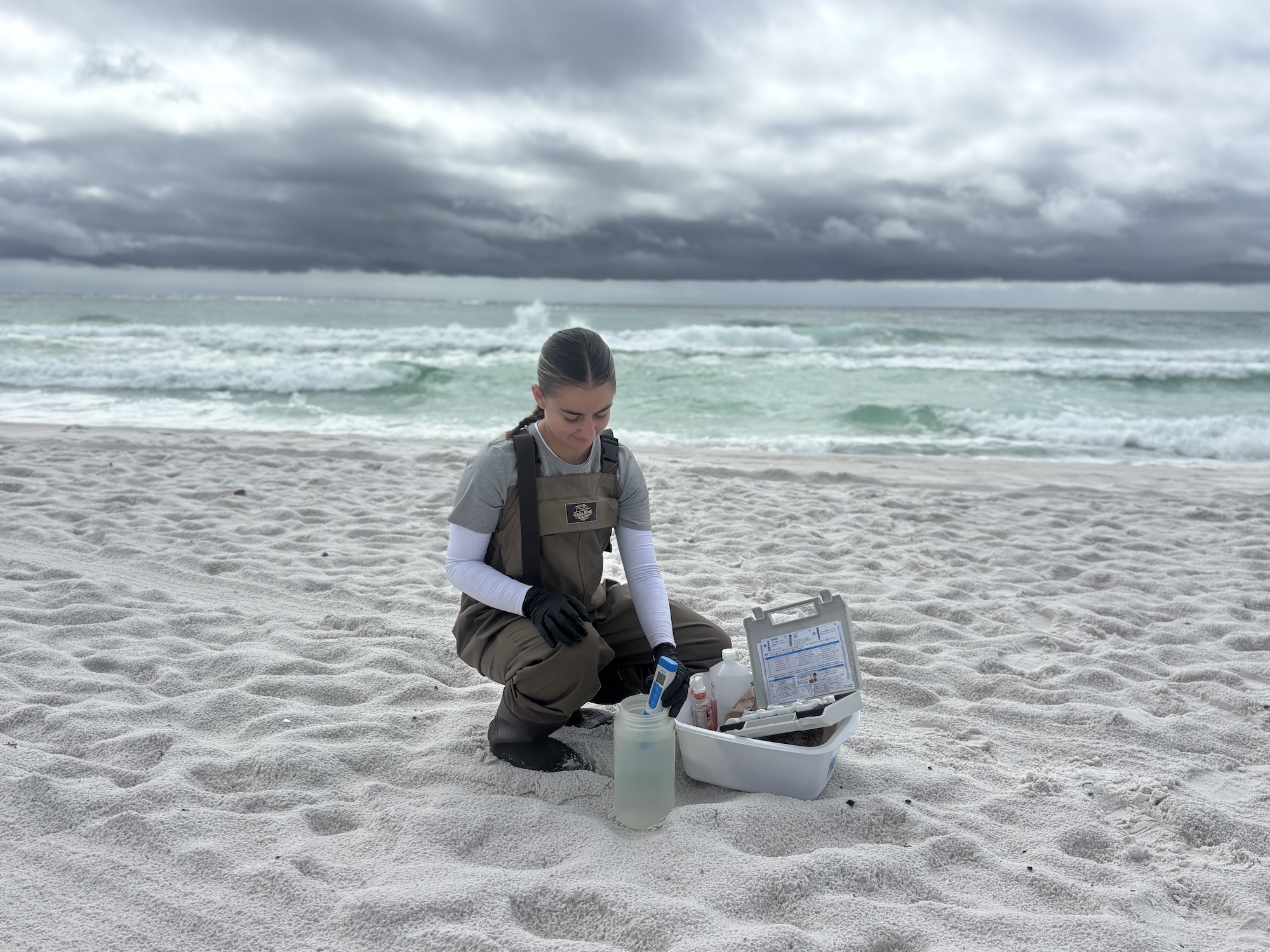
On a stretch of white sand at Pensacola Beach, Florida, researchers Bailey Magers and Sunil Kumar present a striking contrast to the typical summer crowd. Dressed in protective layers of rubber and plastic, surrounded by bags of disinfectant solution and test tubes, they work meticulously to collect seawater samples. Their presence often draws curiosity from beachgoers, such as an elderly woman who recently approached them to ask if they were searching for "flesh-eating bacteria." While they answered cautiously to avoid causing panic, the reality of their work is grounded in a serious public health mission. They are tracking the spread of Vibrio, a genus of bacteria that is becoming increasingly prevalent and dangerous as global temperatures rise.
Vibrio bacteria are part of an ancient lineage of marine species that likely emerged during the Paleozoic Era, hundreds of millions of years ago. Today, scientists recognize more than 70 species of Vibrio, which thrive in warm, brackish coastal waters. While most species are harmless to humans, a select few can cause severe illness and death. As climate change warms the world’s oceans—which have absorbed more than 90 percent of the excess heat trapped by greenhouse gas emissions—the environment is becoming significantly more hospitable to these pathogens.
The Biological Profile of a Silent Threat
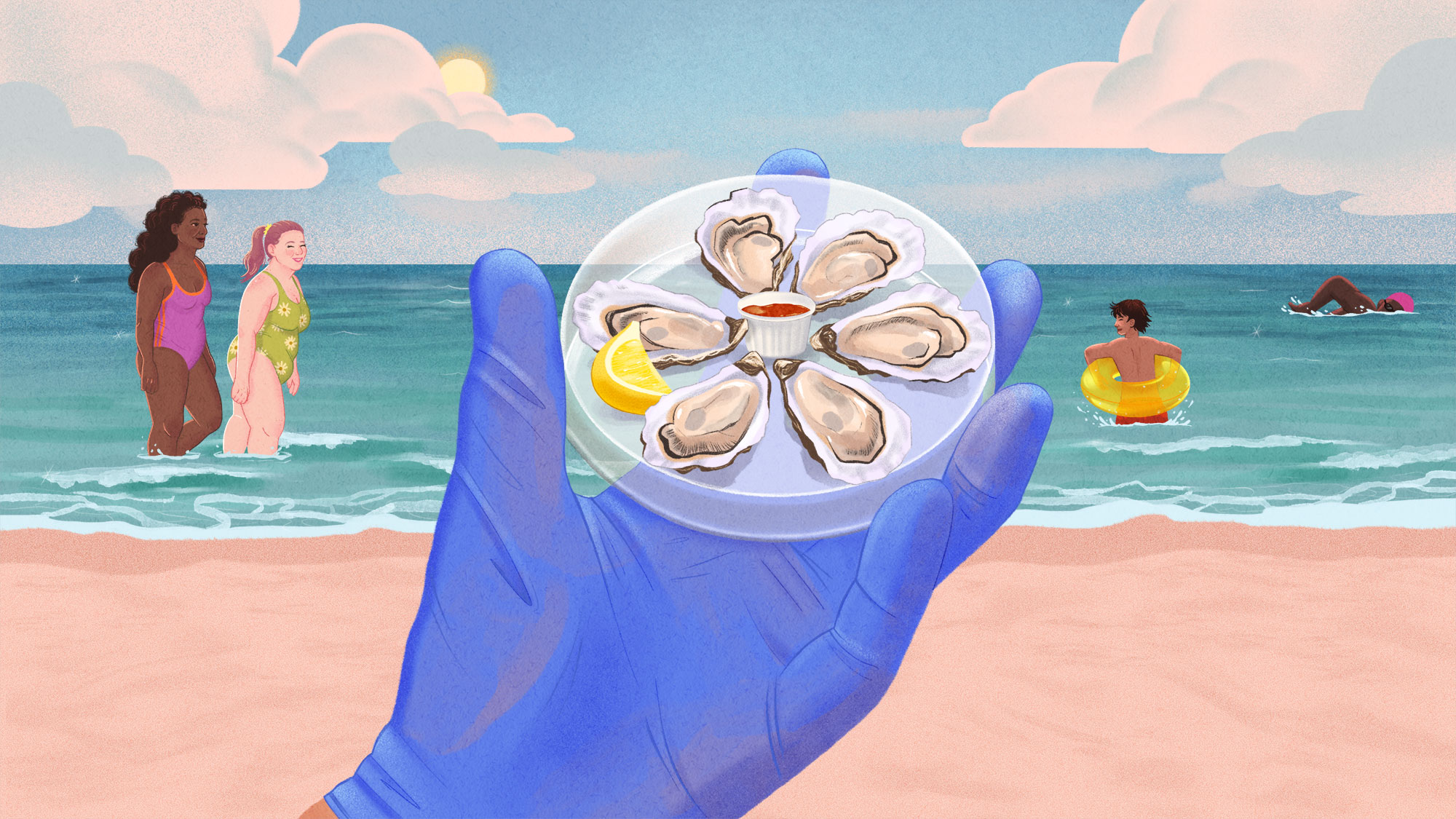
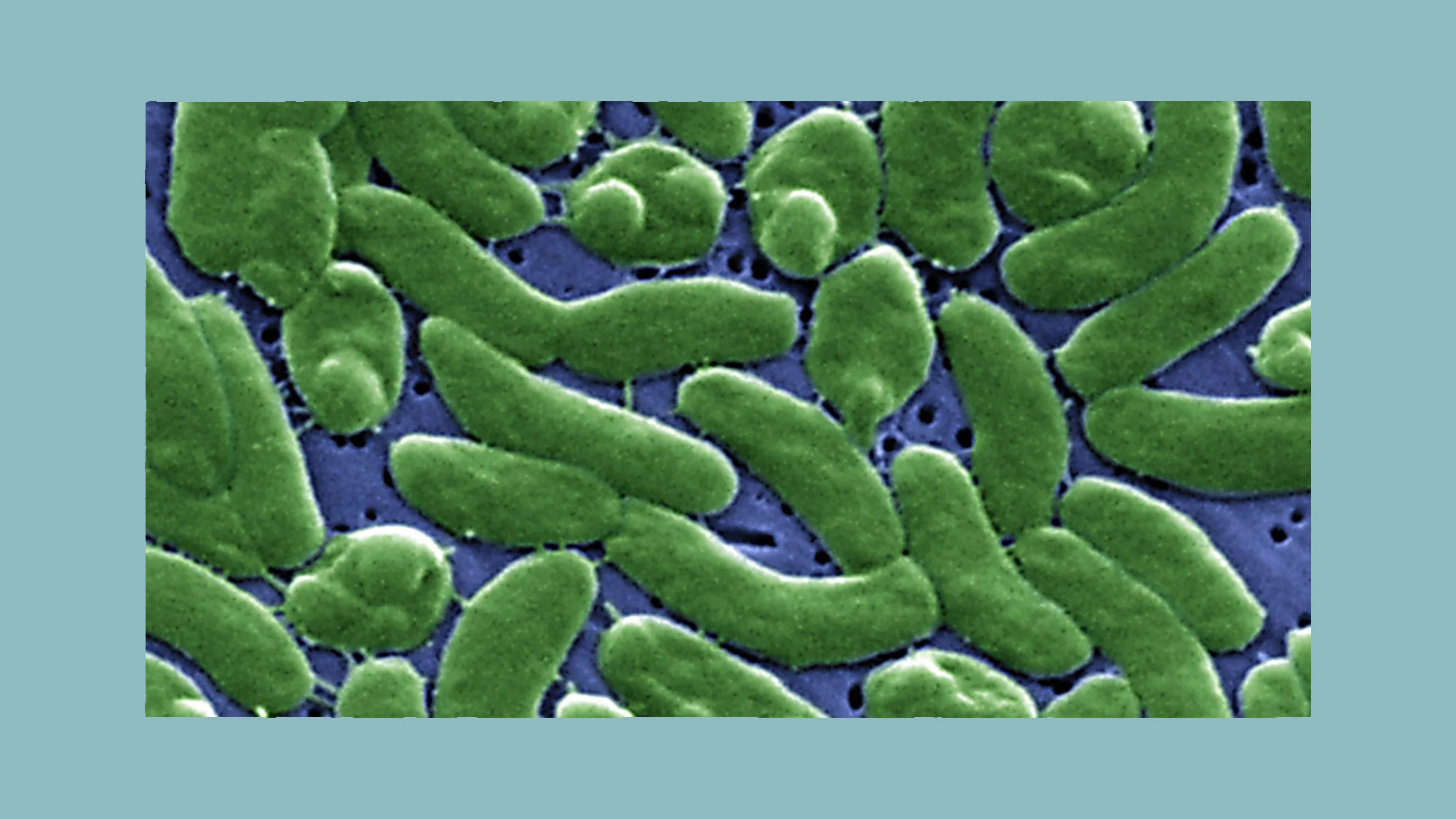
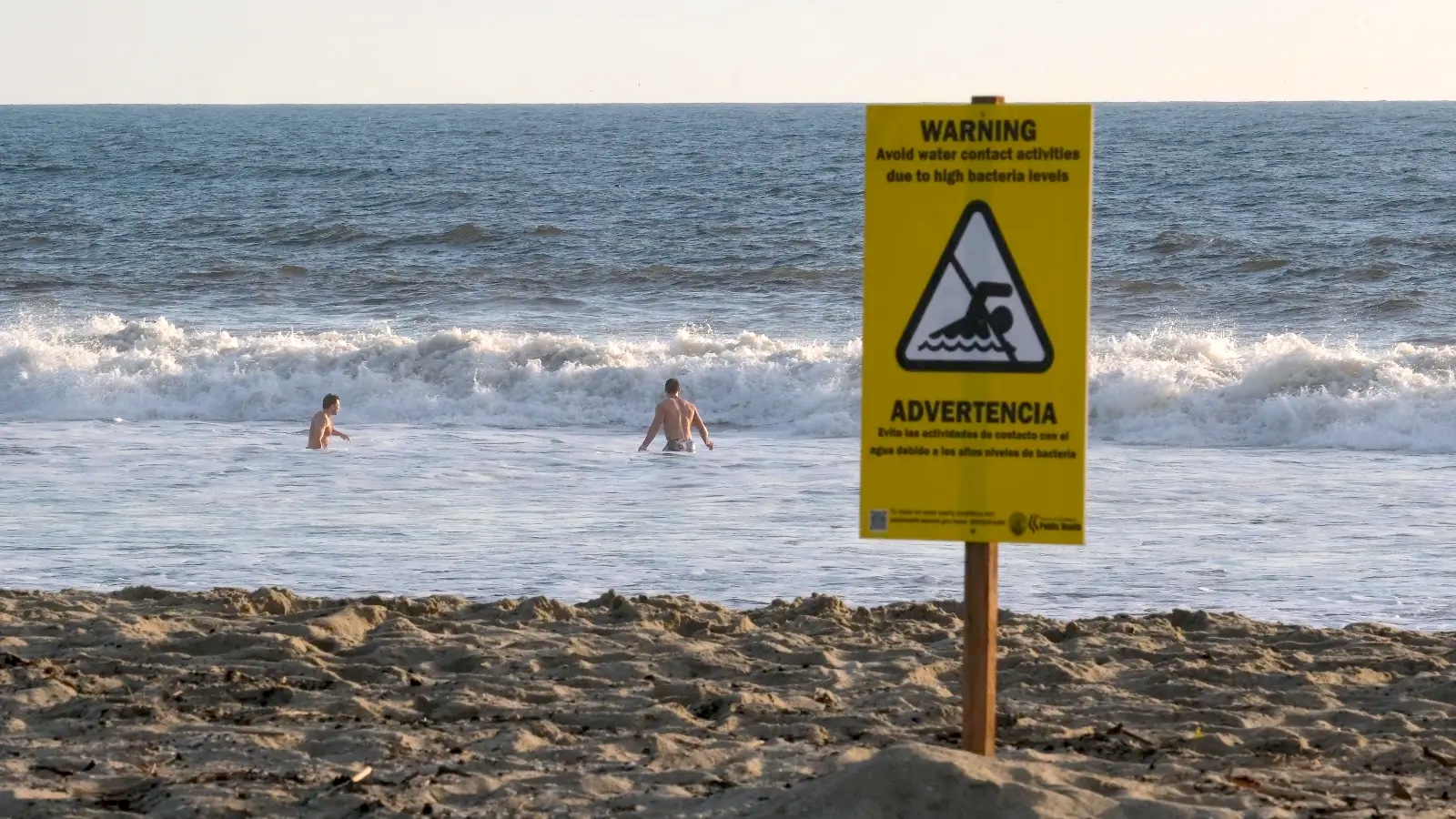
Vibrio infections, known as vibriosis, generally manifest in two ways: through the ingestion of contaminated, raw shellfish or through the exposure of open wounds to seawater. Among the various species, Vibrio parahaemolyticus is the most common cause of seafood-related food poisoning in the United States, typically resulting in gastrointestinal distress. However, it is Vibrio vulnificus—often referred to by the sensationalist but medically descriptive term "flesh-eating bacteria"—that presents the greatest risk to life and limb.
Vibrio vulnificus is an exceptionally potent pathogen. It can enter the body through a cut as small as a pinhole. Once inside, it can lead to necrotizing fasciitis, a condition where the flesh around the infection site decays rapidly. Without immediate treatment with powerful antibiotics, patients can descend into septic shock within 24 hours. The fatality rate for V. vulnificus is staggering, ranging from 15 to 50 percent depending on the patient’s underlying health and the speed of medical intervention. Those with liver disease, diabetes, or compromised immune systems are at the highest risk.
A Chronology of Geographic Expansion
For decades, Vibrio was largely confined to the warm waters of the Gulf of Mexico and the southern Atlantic coast. However, a clear trend of northward migration has emerged. According to a 2023 study published in Scientific Reports, the northern boundary of V. vulnificus infections has shifted north along the U.S. East Coast at a rate of approximately 30 miles per year since 1998. The bacteria have now been detected as far north as Maine.
This expansion is closely tied to rising sea surface temperatures and changes in salinity. Vibrio species typically become active when water temperatures exceed 60 degrees Fahrenheit and multiply rapidly as temperatures climb throughout the summer months.
Key milestones in this expansion include:
- July 2014: A heatwave in the Baltic Sea led to a significant spike in Vibrio infections in Northern Europe, serving as an early warning for scientists that temperate seas were no longer immune.
- 2022 and 2024: Following major hurricanes in Florida, which pushed brackish water far inland, the state reported 17 and 19 deaths, respectively, linked to V. vulnificus wound infections.
- Summer 2023: During a record-breaking marine heatwave, clusters of infections were reported in New York, Connecticut, and North Carolina, areas previously considered low-risk.
Predictive Modeling and Public Health Initiatives
At the University of Florida, Magers and Kumar are working to develop an early warning system designed to predict Vibrio outbreaks before they occur. By combining historical infection data from the Centers for Disease Control and Prevention (CDC) with satellite data on water temperature and salinity, the team has created a computer model that can flag high-risk coastal counties up to a month in advance.
While the model is still being refined, its performance during the 2024 hurricane season was promising. The tool correctly identified the counties that saw 80 percent of Florida’s vibriosis cases following Hurricanes Helene and Milton. The goal is to provide public health departments and emergency rooms with a "heads-up," allowing them to stock appropriate antibiotics and issue timely advisories to the public.
"How many limbs would be saved," Magers noted, "if doctors and nurses could be warned ahead of time that their emergency rooms would soon see an uptick in these infections?"
The Economic Conflict: Science vs. the Shellfish Industry
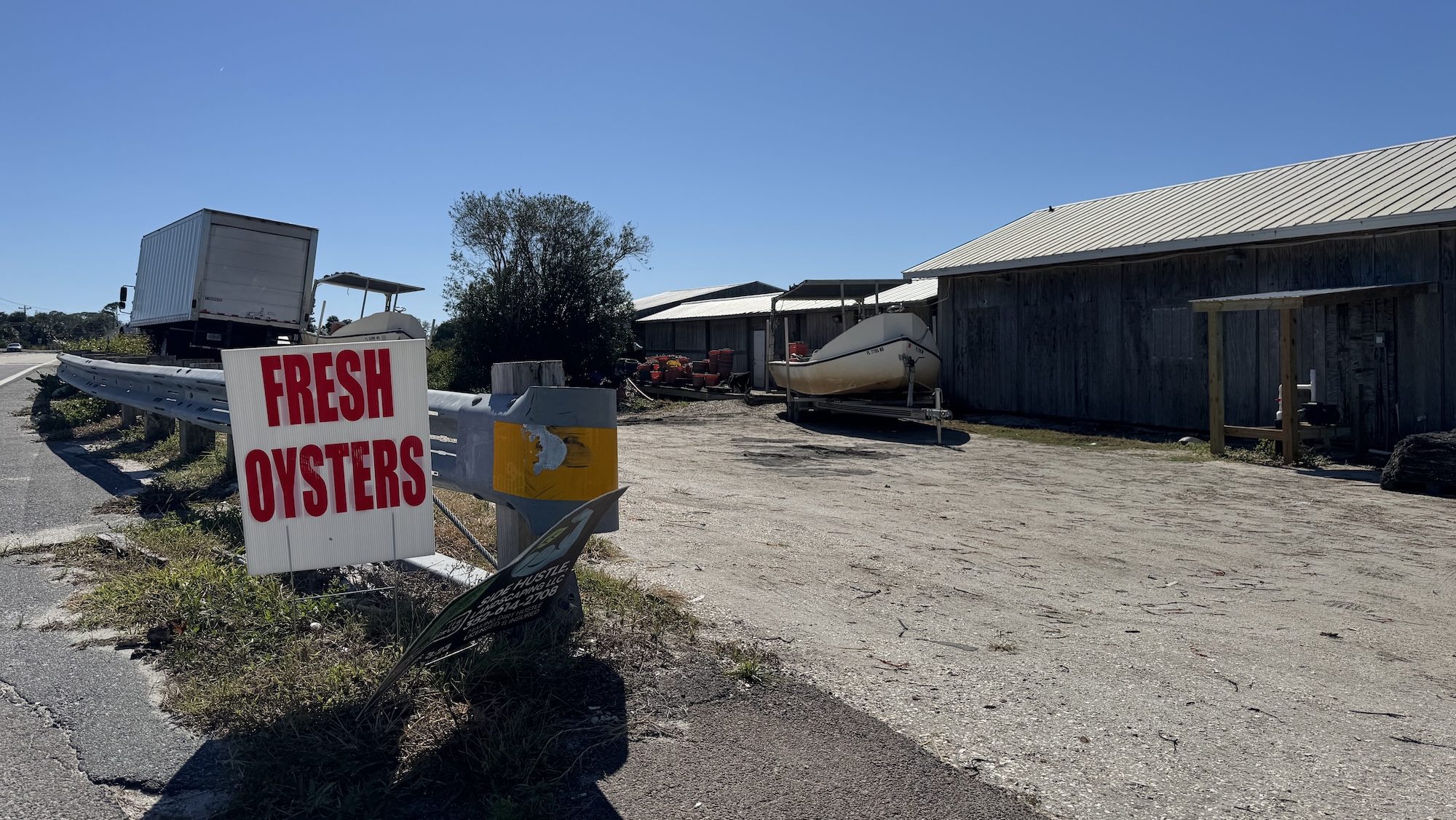
The rise of Vibrio and the accompanying media coverage have created a point of contention with the multi-billion-dollar shellfish industry. Americans consume approximately 2.5 billion oysters annually, many of them raw. Industry representatives argue that the focus on "flesh-eating bacteria" is disproportionate to the actual risk and unfairly damages the reputation of their products.
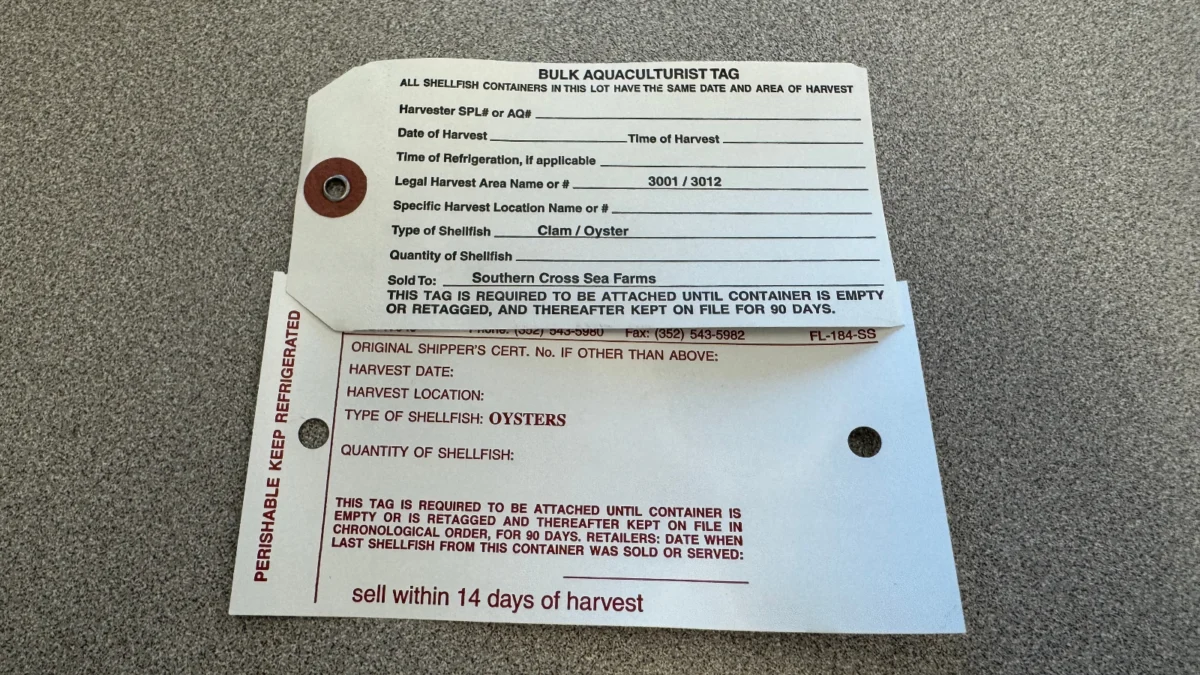
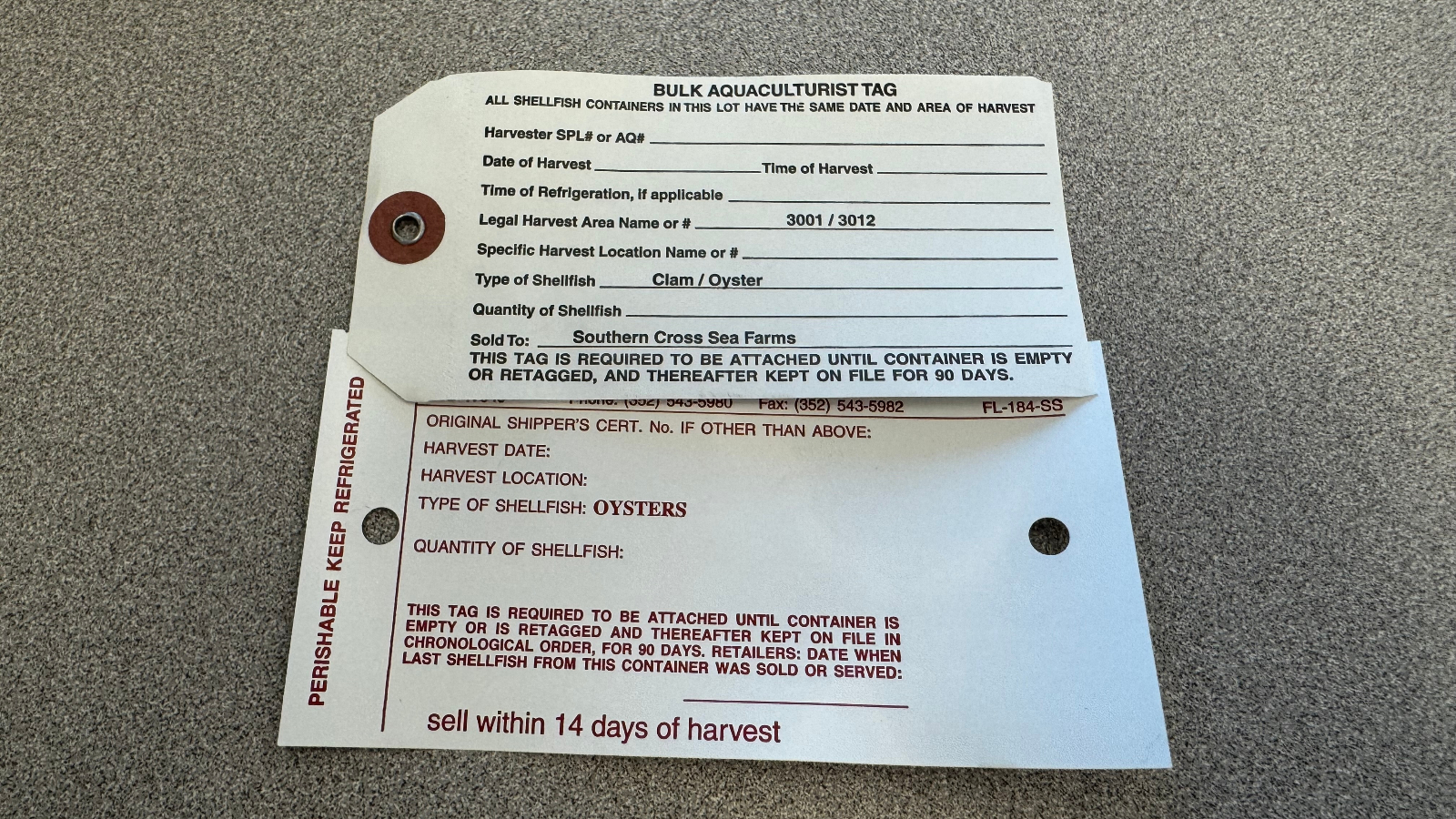
Since 2010, states have implemented strict "Vibrio control plans." These regulations require harvesters to rapidly cool shellfish. For example, during peak summer months in some regions, oysters must be placed in refrigeration or ice slurries within two hours of being pulled from the water. Industry advocates, such as Leslie Sturmer of the University of Florida’s shellfish aquaculture extension, emphasize that these protocols are highly effective. Sturmer argues that the risk often lies in "personal responsibility," noting that individuals with underlying health conditions should avoid raw shellfish regardless of the climate.
However, the industry remains wary of predictive models that might label certain areas as "high risk." At a New Jersey Shellfisheries Council meeting in 2024, the consensus among many harvesters was that such models could be "used against the industry," potentially leading to unnecessary beach closures or product recalls that erode consumer confidence.
Data-Driven Analysis of the Rising Risk
The CDC estimates that roughly 80,000 cases of vibriosis occur in the U.S. each year, leading to about 100 deaths. While these numbers are small compared to other foodborne pathogens like Salmonella or E. coli, the upward trend is undeniable. Since 1996, when the CDC began tracking the pathogen, vibriosis has increased more than any other illness caused by a foodborne pathogen.
The risk is compounded by two demographic and environmental factors:
- An Aging Population: As the U.S. population grows older, the number of individuals with pre-existing conditions that make them vulnerable to severe Vibrio infections is increasing.
- Extreme Weather Events: Hurricanes and heavy rainfall alter coastal salinity and push marine bacteria into human-populated areas. As the intensity of these storms increases due to climate change, the windows of exposure grow wider.
Microbiologists like Kyle Brumfield from the University of Maryland view Vibrio as a "proxy for water health." The presence of these bacteria serves as a biological barometer for ocean heatwaves. In Maryland, researchers have noted that while Vibrio used to disappear by mid-October, they are now detectable nearly year-round.
Broader Implications and Future Outlook
The challenge of managing Vibrio in a warming world highlights the complex intersection of environmental science, public health, and economic stability. While the shellfish industry maintains that its safety protocols are sufficient, the rapid shift in marine conditions suggests that historical data may no longer be a reliable guide for the future.
Current "rolling five-year averages" used by regulators to set cooling times for shellfish do not always account for sudden, extreme temperature anomalies. As veteran microbiologist Andy DePaola pointed out, an unseasonably warm week in February might allow for long harvest windows that do not match the actual bacterial activity in the water.
As the 21st century progresses, the "realms" of marine ecology and public health are becoming inseparable. If global greenhouse gas emissions continue at their current pace, the conditions for Vibrio outbreaks will become a permanent fixture of summer months across the entire Eastern Seaboard. For researchers like Magers and Kumar, the mission is no longer just about monitoring a rare bacteria; it is about preparing society for a new environmental reality where the sea holds ancient risks that are being reawakened by a modern climate.
The transition from "infection risk" modeling to "case number" modeling may be inevitable. In the coming decades, the success of public health responses will depend on whether the warnings provided by scientists are integrated into both the medical community and the industries that rely on the health of the ocean. For now, the work continues on the beaches of Florida and Maryland, one test tube at a time, tracking a pathogen that is moving as fast as the warming tides.