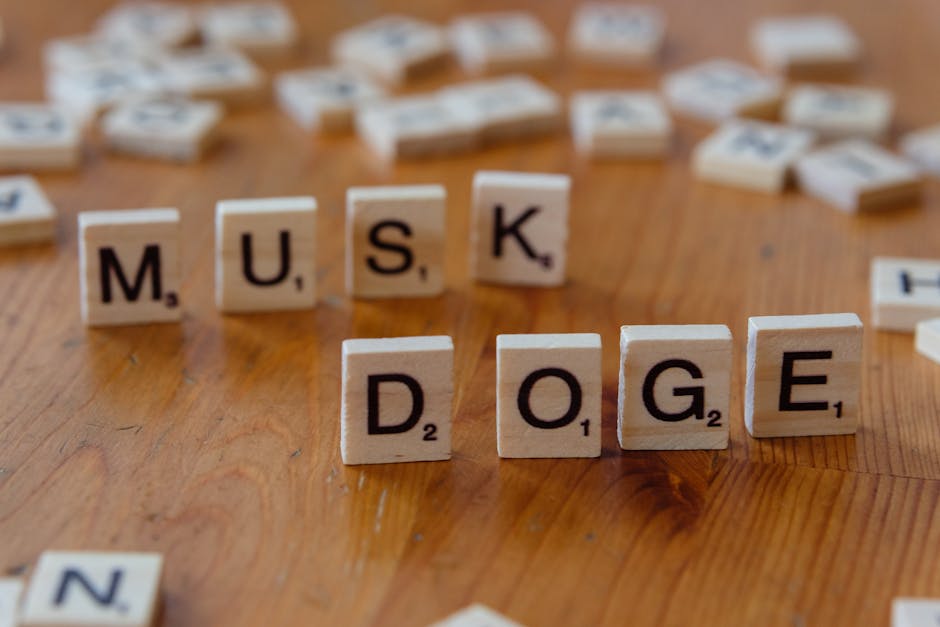
Elon Musk and Donald Trump: Titans of Disruption and Political Influence
Elon Musk and Donald Trump, two figures who have profoundly reshaped industries and political landscapes, represent distinct yet often parallel approaches to power, innovation, and public engagement. Their trajectories, while originating in different spheres, are characterized by audacious ambition, a willingness to challenge established norms, and an undeniable capacity to command attention. Musk, primarily a titan of technology and engineering, has revolutionized space exploration with SpaceX, electric vehicles with Tesla, and now, social media with X (formerly Twitter). Trump, a real estate mogul turned political phenomenon, leveraged his celebrity and populist appeal to ascend to the U.S. Presidency, fundamentally altering the Republican Party and the nature of political discourse. Analyzing their impact necessitates understanding their individual strengths, the symbiotic relationship between their public personas, and the broader societal shifts they exemplify.
Musk’s ascent is rooted in a relentless pursuit of technological advancement, often pushing the boundaries of what is considered feasible. SpaceX’s stated goal of making humanity a multi-planetary species, a dream once confined to science fiction, is being methodically pursued through reusable rocket technology and ambitious Mars colonization plans. Tesla’s disruption of the automotive industry, by popularizing electric vehicles and challenging the dominance of traditional manufacturers, has accelerated a global shift towards sustainable transportation. His ventures are not merely about profit; they are driven by a grand vision, a belief in humanity’s potential for extraordinary achievement. This vision is communicated through direct, often unfiltered, pronouncements, particularly on X, where he engages in real-time dialogue with millions, bypassing traditional media gatekeepers. His pronouncements, whether about technological breakthroughs, market speculation, or social commentary, invariably trigger widespread discussion and market fluctuations, demonstrating a unique form of influence that transcends his corporate holdings.
Donald Trump’s rise to political prominence was a testament to his ability to tap into a vein of public dissatisfaction and a yearning for a departure from conventional political rhetoric. His business background provided him with a persona of a dealmaker, someone who could ostensibly bring order and prosperity through decisive action. His campaign slogan, "Make America Great Again," resonated with a segment of the electorate feeling left behind by globalization and cultural shifts. Trump’s communication style, characterized by directness, hyperbole, and a consistent engagement with his base through rallies and social media, proved incredibly effective in cutting through the noise of political campaigns. He mastered the art of dominating the news cycle, often by making provocative statements that forced opponents to react. This ability to control the narrative, even when facing criticism, is a hallmark of his political strategy and a key factor in his enduring influence.
The intersection of Musk and Trump’s influence is most visibly demonstrated through their use of social media, particularly X. Musk’s acquisition of Twitter and its rebranding to X signifies a direct engagement with a platform that Trump himself used to powerful effect during his presidency. Both men have demonstrated an understanding that controlling the narrative in the digital age is paramount. They leverage these platforms not just for broadcasting messages but for shaping public opinion, rallying supporters, and directly engaging with or attacking perceived adversaries. This direct line of communication bypasses traditional media filters, allowing them to control their messaging and often frame debates on their own terms. Musk’s ownership of X grants him direct control over a powerful communication tool, and his pronouncements on the platform often mirror the kind of unfiltered, provocative style that characterized Trump’s engagement.
Musk’s ventures, while technologically driven, also carry significant societal and political implications. SpaceX’s reliance on government contracts, despite its private ownership, positions it as a key player in national security and space exploration policy. Tesla’s impact on the energy sector and its lobbying efforts for favorable regulations highlight the intertwined nature of innovation and political advocacy. Musk’s public pronouncements on environmental issues, artificial intelligence, and global politics, while often framed through a technological lens, carry weight and influence public discourse and policy debates. His willingness to weigh in on highly charged topics, often with controversial takes, mirrors Trump’s approach to political issues.
Trump’s political playbook, while distinct in its focus on governance, shares similarities with Musk’s disruption model. Both have demonstrated a remarkable ability to upend established institutions and challenge prevailing orthodoxies. Trump’s presidency saw a deliberate dismantling of traditional diplomatic norms, a renegotiation of trade agreements, and a focus on "America First" policies. This approach, while divisive, resonated with a significant portion of the electorate who felt that previous administrations had not adequately addressed their concerns. His ability to inspire fervent loyalty among his supporters, often referred to as "Trumpism," is a testament to his effectiveness in forging a direct emotional connection with a segment of the population.
The synergy between Musk and Trump, though not always overt, is undeniable in their shared appeal to a segment of the population that feels marginalized by mainstream institutions. Both figures project an image of strength, decisiveness, and a willingness to fight against perceived elites and established systems. Musk’s often contrarian views on issues like climate change and government regulation, while framed as logical deductions, can resonate with individuals skeptical of established scientific consensus or bureaucratic overreach. Similarly, Trump’s rhetoric often targets "swamp creatures" in Washington and globalist conspiracies, appealing to a distrust of established power structures. This shared anti-establishment sentiment forms a bedrock of their appeal.
Musk’s business strategies have also, at times, intersected with political considerations. His pursuit of ambitious projects often requires navigating complex regulatory environments and securing government support. While he often positions himself as a free-market advocate, his reliance on government contracts and subsidies for projects like SpaceX and the development of electric vehicle infrastructure reveals a more nuanced relationship with state power. This dynamic is not unlike how Trump, while campaigning on deregulation, also engaged in protectionist trade policies and intervened in specific industries to achieve his objectives.
The impact of both figures on democratic discourse is a subject of ongoing debate. Musk’s control over X raises questions about censorship, content moderation, and the amplification of misinformation. His personal biases and business interests can directly influence the platform’s policies and algorithms, potentially shaping what users see and how they perceive information. Trump, through his consistent use of hyperbole and personal attacks, has been criticized for degrading political discourse and eroding trust in institutions. His challenges to election results and his rhetoric surrounding the January 6th Capitol riot have raised profound questions about the stability of democratic norms.
The future trajectories of both Musk and Trump remain subjects of intense speculation. Musk’s continued expansion into new technological frontiers, from neural interfaces to AI, suggests a sustained ambition to shape the future. His influence on global markets and technological development is likely to persist, with his pronouncements continuing to command significant attention. Trump’s potential return to political office, a possibility he has openly entertained, would undoubtedly reignite the debates surrounding his presidency and his impact on American politics. His enduring ability to mobilize a devoted base suggests that his influence, even outside of elected office, will continue to be a significant factor in the political landscape.
In conclusion, Elon Musk and Donald Trump, while occupying different spheres, represent a potent force of disruption and influence in the 21st century. Their success is inextricably linked to their ability to bypass traditional gatekeepers, communicate directly with vast audiences, and tap into a deep-seated skepticism of established norms. Musk’s technological vision and Trump’s populist appeal, while manifesting differently, share a common thread of challenging the status quo. Understanding their individual impacts and the potential intersections of their influence is crucial for comprehending the evolving dynamics of industry, technology, and political power in the contemporary world. Their legacy is not yet fully written, but their profound impact on the way we innovate, communicate, and govern is undeniable.