
Methane, a colorless and odorless hydrocarbon, has emerged as a central focus of international climate policy due to its status as the second-most significant contributor to global warming, trailing only carbon dioxide (CO2). While CO2 remains the primary driver of long-term climate change, methane’s unique chemical properties—specifically its high heat-trapping potency and relatively short atmospheric lifespan—make it a critical lever for near-term temperature stabilization. As the primary component of natural gas, which currently accounts for approximately 25 percent of global electricity generation, methane is deeply embedded in the modern industrial economy. However, its uncontrolled release from agricultural, industrial, and natural sources presents a formidable challenge to the goals of the Paris Agreement.
The Chemistry and Measurement of a Potent Pollutant
Chemically, methane (CH4) consists of one carbon atom bonded to four hydrogen atoms. It is formed through two primary pathways: geological and biological. Geological methane is the product of intense heat and pressure applied to organic matter over millions of years, forming the fossil fuel deposits extracted today. Biological methane, or biogenic methane, is produced via methanogenesis—a process where specialized microorganisms known as archaea break down organic material in oxygen-poor environments, such as the digestive tracts of ruminant animals, waterlogged wetlands, and landfills.
The climate impact of methane is defined by its Global Warming Potential (GWP). While it persists in the atmosphere for only about 12 years—compared to the centuries-long residency of CO2—it is far more effective at absorbing infrared radiation. Over a 20-year horizon, methane is estimated to be 86 times more potent than CO2 on a mass-for-mass basis. Even over a 100-year period, it remains 28 times more powerful. Consequently, reducing methane emissions offers a "fast-acting" climate solution that can yield significant results within a single generation.

Accurately quantifying these emissions requires a dual-methodology approach. "Bottom-up" measurements involve calculating emissions based on localized data, such as counting livestock populations or measuring leak rates at specific industrial valves. Conversely, "top-down" measurements utilize aerial surveys and satellite technology to monitor atmospheric concentrations. Recent advancements in satellite imaging have revealed a significant "implementation gap" in reporting. For instance, studies have shown that direct measurements of U.S. oil and gas methane emissions are often 60% higher than estimates provided by the Environmental Protection Agency (EPA). This discrepancy is largely attributed to "super-emitters"—massive, localized leaks or venting incidents that standard inventory methods often fail to capture.
A Historical Chronology of Atmospheric Rise
The concentration of methane in the Earth’s atmosphere has undergone a dramatic shift since the dawn of the Industrial Revolution. In the pre-industrial era, atmospheric methane levels stood at approximately 722 parts per billion (ppb). By 2023, according to the World Meteorological Organization, that figure had soared to 1,934 ppb—a 265 percent increase.
The trajectory of this rise has been particularly alarming in the 21st century. After a period of relative stability in the early 2000s, methane concentrations began to accelerate again around 2007. Scientists have identified two main drivers for this recent surge: the expansion of the fossil fuel industry, particularly through hydraulic fracturing (fracking), and the intensification of tropical wetland emissions fueled by rising global temperatures. In 2020 and 2021, despite the global economic slowdown caused by the COVID-19 pandemic, methane saw "exceptional growth," marking some of the highest annual increases on record. This trend underscores a dangerous feedback loop where initial warming triggers natural releases that further accelerate the climate crisis.
Primary Drivers: Agriculture, Fossil Fuels, and Waste
Human activities are responsible for approximately 60 percent of global methane emissions, categorized into three dominant sectors.

The Agricultural Footprint
Agriculture is the largest anthropogenic source, accounting for roughly 40 percent of human-caused methane. Within this sector, livestock production is the primary culprit. Ruminant animals, including cows, sheep, and goats, produce methane through enteric fermentation as part of their digestive process. This single source accounts for about 32 percent of human-caused methane. Manure management, particularly in large-scale industrial operations where waste is stored in anaerobic lagoons, contributes further. Rice cultivation is another significant factor, responsible for 8 percent of emissions; the flooded paddies required for traditional rice farming create ideal conditions for methane-producing microbes.
Fossil Fuel Infrastructure
The extraction, processing, and distribution of coal, oil, and gas contribute approximately 35 percent of anthropogenic methane. In the oil and gas sector, methane is often intentionally vented or flared when infrastructure is lacking to capture it, or it escapes through accidental leaks in pipelines and storage tanks. Coal mining is equally problematic; methane trapped in coal seams is released during the mining process. Notably, abandoned coal mines and "orphaned" oil wells continue to leak methane long after they have ceased production, creating a legacy of pollution that requires active remediation.
The Waste Crisis
Landfills and wastewater treatment systems contribute approximately 20 percent of human-caused methane. As organic waste—such as food scraps and paper—decomposes in the oxygen-deprived environment of a landfill, it releases significant quantities of methane. With global solid waste production expected to rise by 73 percent by 2050, the waste sector represents the fastest-growing source of methane emissions, particularly in rapidly urbanizing developing nations.
Natural Sources and Destabilizing Feedback Loops
Natural sources account for the remaining 40 percent of methane emissions, with wetlands being the most significant contributor. Covering only six percent of the Earth’s surface, wetlands are responsible for nearly one-third of all methane emissions. While these emissions are part of a natural cycle, the climate crisis is disrupting this balance.

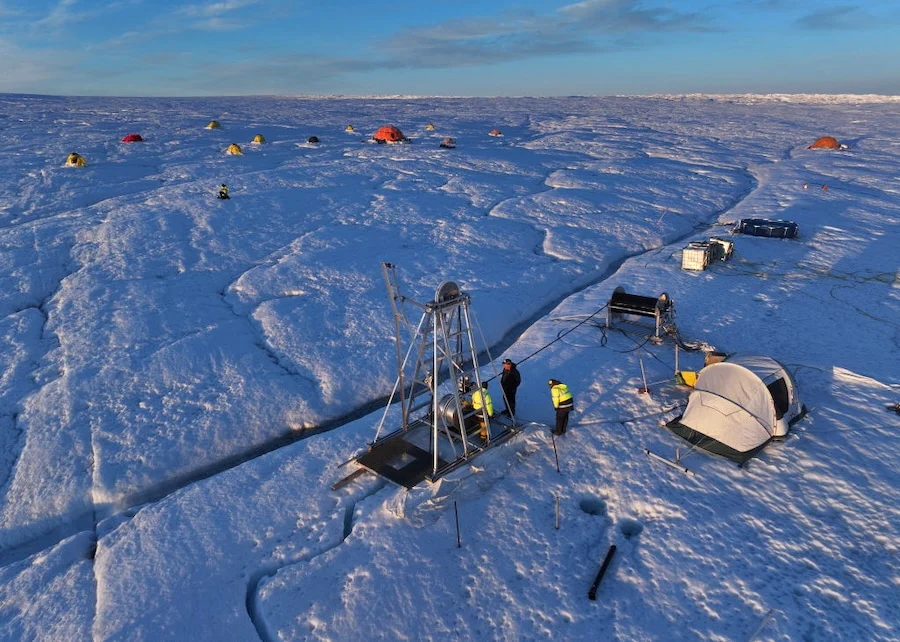
The "wetland methane feedback" is a major concern for climate scientists. As temperatures rise and rainfall patterns shift, tropical wetlands are expanding and becoming more biologically active, releasing more gas. Simultaneously, the Arctic permafrost—a vast reservoir of frozen organic matter—is beginning to thaw. The Arctic currently holds 2.5 times more carbon than is present in the atmosphere. As it thaws, microbes break down this long-frozen matter, releasing methane and CO2. Since 2002, methane emissions from Arctic and Boreal regions have increased by an estimated 9 percent, threatening to trigger a "tipping point" that could make global warming irreversible.
The "Bridge Fuel" Controversy and the LNG Expansion
For years, natural gas was promoted as a "bridge fuel" that could help transition the world away from coal. Proponents argued that because natural gas emits about half as much CO2 as coal when burned, it was a cleaner alternative. However, this narrative has come under intense scrutiny.
Research indicates that if as little as 0.2 percent of methane leaks during the lifecycle of natural gas—from extraction to end-use—its climate advantage over coal vanishes. Recent satellite data suggests that leak rates in many regions far exceed this threshold. Furthermore, the expansion of Liquefied Natural Gas (LNG) infrastructure introduces additional risks. The process of cooling, transporting, and regasifying LNG is energy-intensive and prone to leakage. A 2023 study suggested that LNG could have a 33% greater global warming potential than coal over a 20-year period. Environmental advocates, including Bill McKibben, have warned that the current "build-out" of LNG export terminals in the U.S., Canada, and Australia could lock in decades of high emissions, effectively canceling out progress made in the renewable energy sector.
Public Health and Ecological Implications
Beyond its role in climate change, methane has direct implications for public health. It is a primary precursor to the formation of ground-level ozone (smog). Unlike the protective ozone layer in the stratosphere, ground-level ozone is a toxic air pollutant. It triggers respiratory illnesses, exacerbates asthma, and is linked to approximately 500,000 premature deaths annually worldwide.

Ecologically, ozone damage reduces the ability of plants to photosynthesize, leading to significant agricultural losses. Estimates suggest that methane-induced ozone causes the loss of 145,000 metric tons of staple crops, including wheat and soy, every year. By reducing methane emissions, the international community could simultaneously combat global warming while improving food security and public health outcomes.
Strategic Pathways for Emission Reductions
The Intergovernmental Panel on Climate Change (IPCC) has stated that methane emissions must be reduced by 34 percent by 2030 to keep the 1.5°C warming target within reach. This is achievable through currently available technologies.
In the energy sector, the International Energy Agency (IEA) estimates that 70 percent of oil and gas methane emissions could be eliminated with existing technology, often at low or even zero net cost, as the captured gas can be sold. Strategies include mandatory leak detection and repair (LDAR) programs and the elimination of non-emergency flaring.
In agriculture, solutions range from technical to dietary. Adding seaweed or chemical inhibitors like 3-NOP to cattle feed has been shown to reduce enteric methane by over 50 percent. Improving rice paddy management through "alternative wetting and drying" can also significantly cut emissions. On a systemic level, reducing food waste and shifting toward plant-forward diets in high-income countries remain the most effective long-term strategies.

In the waste sector, diverting organic matter from landfills to composting facilities and installing methane-capture systems at existing landfills are proven methods. Many cities are now utilizing "manure digesters" to convert waste into biogas, though these systems must be strictly monitored for leaks to ensure they provide a net climate benefit.
International Policy and the Path Forward
The 2021 Global Methane Pledge, launched at COP26, represented a landmark moment in climate diplomacy. With 159 nations now committed to a 30 percent reduction in methane emissions by 2030, the framework for action exists. However, as of 2024, real-world emissions continue to trend upward.
The "implementation gap" remains the greatest hurdle. While 80 percent of the oil and gas sector is now covered by some form of reduction pledge, total emissions from the industry remained above 120 million metric tons in 2024. Closing this gap requires robust domestic regulations, transparent monitoring via satellite, and financial support for methane mitigation in developing economies.
Methane mitigation offers a unique opportunity to achieve rapid climate results. While the transition away from a CO2-heavy economy is a marathon, cutting methane is a sprint that can provide the necessary time to modernize global energy and food systems. The success of these efforts will depend on whether political will can match the technical capabilities already at our disposal.










Leave a Reply