

The United States currently faces a staggering waste management crisis regarding flexible plastic packaging, with approximately 5 million tons of film and flexible wraps discarded annually. Despite the technical recyclability of these materials, The Recycling Partnership reports that less than 1% is successfully processed and repurposed. This systemic failure is particularly acute in the food industry, where stringent safety regulations and technical hurdles have historically prevented the use of recycled content in direct contact with produce. However, Emerald Packaging, a third-generation family-owned business based in Union City, California, has recently demonstrated that a transition toward a circular economy is possible, even within the highly regulated sphere of food-grade plastics.
In a landmark achievement for the industry, Emerald Packaging announced in late 2025 that it had successfully eliminated more than 1 million pounds of virgin polyethylene from its supply chain over a 12-bit month period. This was achieved by replacing virgin resin with post-consumer recycled (PCR) material. Central to this milestone was the introduction of the first 30% PCR potato bag approved for direct food contact, developed in a multi-party collaboration with retail giant Walmart, Idaho Package, and Wada Farms. This initiative represents a significant shift in the technical landscape of American food packaging, signaling that the "green premium" and regulatory hurdles, while formidable, are not insurmountable for committed manufacturers.
The Technical Reality of Food-Grade PCR
The primary obstacle to incorporating recycled plastic into food packaging is the rigorous standard set by the U.S. Food and Drug Administration (FDA). Unlike the recycled plastic used in industrial milk crates or construction-grade trash bags, food-grade PCR must undergo intensive migration testing to ensure that no contaminants from the plastic’s previous life leach into the food. The FDA typically issues a "letter of no objection" only after a manufacturer proves that their recycling process can eliminate potential toxins to a level of safety indistinguishable from virgin plastic.
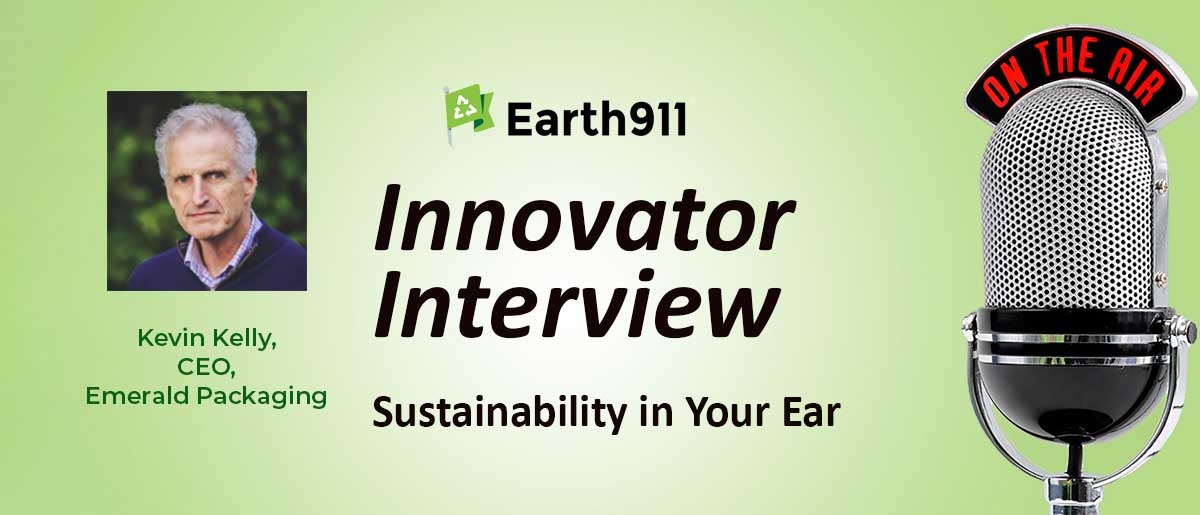
Kevin Kelly, CEO of Emerald Packaging, describes the process as a radical departure from traditional manufacturing. To meet these standards, Emerald sources its feedstock from known, food-adjacent origins, primarily pallet wrap collected from Walmart distribution centers. This material is then washed, dried, and repelletized by specialized suppliers such as Dow Chemical’s Circulus business and Canada’s Nova Chemicals.
The operational challenges, however, extend beyond sourcing. Recycled resin is inherently more variable than virgin material. According to Kelly, variation within a single load of PCR can cause significant carbon buildup on Emerald’s extrusion lines. This buildup necessitates a complete shutdown for cleaning every eight hours, a frequency that would be considered unacceptable in a traditional high-efficiency plastic plant. Furthermore, the waste rates for PCR-integrated films are notably higher than those for virgin resin, adding layers of cost and complexity to the production cycle.
A History of Industry Resistance and the Shift Toward Sustainability
The journey toward this 1-million-pound milestone began decades ago. The history of Emerald Packaging reflects the broader evolution of the American plastic industry. Founded in 1963 in Berkeley, California, the company originally focused on the regional bread industry, operating with only a handful of machines. Over six decades, it evolved into the largest supplier of retail flexible packaging for the U.S. produce industry, now operating 32 bag-making machines and seven printing presses with a workforce of 250 employees.
The company’s focus on sustainability intensified in the early 2000s following a study by the California Integrated Waste Management Board, which highlighted the massive volume of agricultural film and plastic packaging entering landfills. Early attempts by Kelly and other California-based manufacturers to establish a state-wide recycling system were met with stiff resistance from the American Chemistry Council (ACC). At the time, resin producers were largely opposed to any fee-based systems or mandates that would increase the cost of virgin plastic or require investment in recycling infrastructure.
For years, Emerald experimented with alternative materials, including potato-based films and polylactic acid (PLA) compostables. While technically functional, these materials often faced a "price wall," costing five to ten times more than conventional plastic. It was not until 2023 that Emerald pivoted fully toward PCR, betting that a 30% blend of recycled content could become economically viable if the company were willing to absorb some of the initial operational costs.
Strategic Partnerships and Project Gigaton
The successful deployment of PCR produce bags is largely attributed to the alignment of corporate sustainability goals across the supply chain. Emerald’s initiatives directly support Walmart’s Project Gigaton, an ambitious corporate social responsibility (CSR) goal aiming to eliminate 1 billion metric tons of greenhouse gas emissions from the retailer’s global supply chain by 2030.
In addition to the potato bag partnership with Wada Farms, Emerald collaborated with D’Arrigo, the producer of the Andy Boy brand, to introduce a 30% PCR bag for romaine lettuce hearts. Between June 2023 and 2025, this single partnership removed over 600,000 pounds of virgin plastic from the market. These collaborations serve as a proof-of-concept for other Consumer Packaged Goods (CPG) companies, many of which have been hesitant to adopt PCR due to the inability to pass on price increases to retailers under long-term fixed contracts.
The Policy Paradox: California’s SB 54 and EPR Laws
While private initiatives have shown progress, the regulatory environment remains a point of contention for industry leaders. California’s Senate Bill 54 (SB 54), the Plastic Pollution Prevention and Packaging Producer Responsibility Act, is currently the most ambitious Extended Producer Responsibility (EPR) law in the United States. It mandates a 65% recycling rate for all single-use plastic packaging and a 25% reduction in plastic source material by 2032.
However, Kelly argues that the current rulemaking process for SB 54 may inadvertently disincentivize the very innovation Emerald has pioneered. Originally, the law was expected to provide a pound-for-pound credit for manufacturers using PCR, effectively rewarding companies for replacing virgin resin. During the regulatory drafting phase, these credits were largely removed.
The current fee structure under SB 54 may allow producers to hit early reduction targets by focusing on "low-hanging fruit," such as collecting industrial agricultural film, rather than investing in the more difficult and expensive transition to food-grade PCR. Without strong financial incentives or specific mandates for food-contact recycled content, there is a risk that the industry will opt for the cheapest path to compliance rather than the most sustainable one.
The Role of Capital: Family-Owned vs. Private Equity
A critical theme in Emerald Packaging’s recent success is the nature of the capital funding the transition. Kelly posits that the circular economy is currently being driven by patient, family-owned capital rather than the broader venture capital or private equity (PE) markets.
The story of Circulus serves as a cautionary tale. Initially backed by private equity with the goal of scaling food-grade PCR production, Circulus built sophisticated facilities in California and Oklahoma. However, the PE model—which typically demands high returns within a five-to-seven-year window—struggled with the volatile end markets and high operational costs of recycling. Within 18 months, the company was sold to Dow Chemical, and its California facility was shuttered.
Kelly argues that family-owned businesses, which are not beholden to quarterly earnings reports for public shareholders, have the unique ability to de-emphasize short-term profit in favor of long-term social responsibility. This "patient capital" allows for the necessary experimentation and the absorption of higher "green premiums" required to stabilize new technologies.
Future Implications and the Path to Circularity
Looking forward, the technical limit for PCR in flexible food packaging is currently estimated to be around 50%. While 100% recycled content remains a distant goal due to material degradation and aesthetic issues, a 50% threshold would represent a monumental shift in the global plastic footprint.
The success of Emerald Packaging suggests three critical requirements for a truly circular plastic economy:
- Certification Infrastructure: The need for a transparent, third-party certification system that goes beyond the FDA’s "letter of no objection" to provide consumers and retailers with ironclad proof of safety and origin.
- Harmonized Policy: State and federal regulations must align their fee structures to reward the use of high-grade PCR, ensuring that it is not more expensive to do the right thing than it is to pay a fine.
- Consumer Engagement: Evidence from the market suggests that consumers are increasingly willing to pay a marginal premium—often as little as ten cents—for packaging that aligns with their environmental values.
As Emerald Packaging continues to act as a "canary in the coal mine," its efforts provide a blueprint for how mid-sized manufacturers can lead the way in sustainability. The transition of 1 million pounds of plastic is a significant start, but as the industry watches the implementation of EPR laws across states like Colorado, Maine, and Minnesota, the next few years will determine if food-grade recycled plastic remains a niche success or becomes the new global standard.










Leave a Reply