
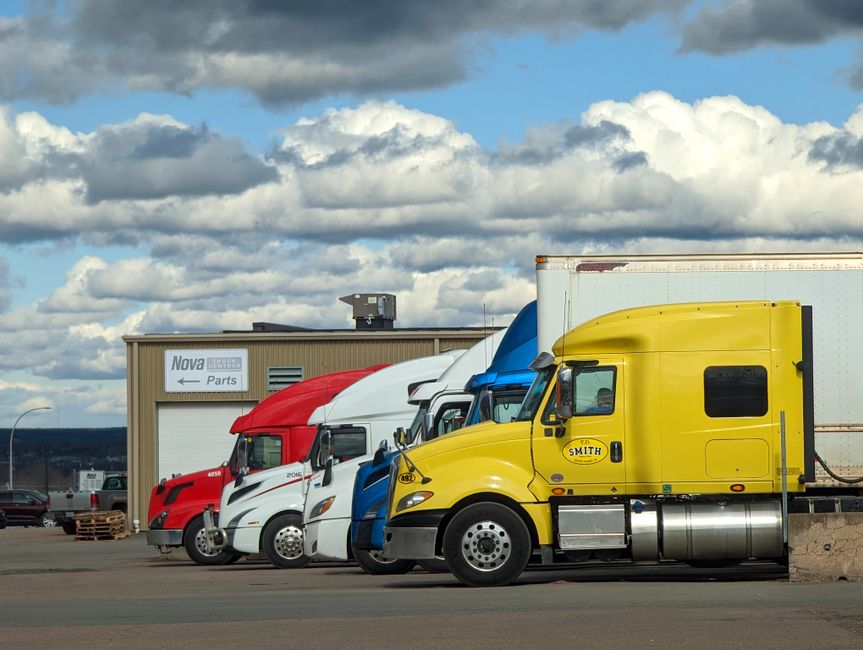
Nevoya Wants Break The Truck: A Deep Dive into the Phenomenon
The phrase "Nevoya wants break the truck" has become a potent meme, sparking widespread curiosity and a surge of online discussions. While its origins are somewhat obscure, its impact is undeniable, resonating across social media platforms and internet culture. This article aims to dissect the phenomenon, exploring its potential meanings, the cultural context that fosters its spread, and the underlying appeal that drives its virality. Understanding "Nevoya wants break the truck" requires delving into the nature of internet humor, the evolution of online language, and the ways in which seemingly nonsensical phrases can gain traction and significance within digital communities. We will examine the various interpretations that have emerged, from literal breakdowns to metaphorical expressions of frustration and desire for radical change. Furthermore, we will investigate the role of visual media, particularly video content, in disseminating the meme and solidifying its place in the collective online consciousness.
At its core, the meme likely stems from a piece of user-generated content, possibly a video or a series of images, where an individual, identified as "Nevoya," expresses a strong desire to "break the truck." The ambiguity of the phrase is a key factor in its virality. "Break the truck" can be interpreted in numerous ways, each contributing to its multifaceted appeal. Literally, it could refer to a physical act of destruction or damage to a vehicle. This interpretation, while straightforward, often carries an undercurrent of catharsis or rebellion, suggesting a desire to overcome obstacles or express pent-up frustration through an extreme action. In a more figurative sense, "breaking the truck" could symbolize a desire to disrupt the status quo, to shatter limitations, or to embark on a chaotic and unpredictable journey. This broader interpretation allows for a wider range of relatable emotions and scenarios to be associated with the meme.
The character of "Nevoya" is also central to the meme’s development. Without a clear biographical background or defined persona, Nevoya becomes a blank canvas onto which users project their own experiences and interpretations. This anonymity fosters a sense of universality, allowing individuals from diverse backgrounds to connect with the sentiment expressed in the meme. The name "Nevoya" itself, while potentially arbitrary, adds a unique identifier that distinguishes this particular expression of desire from similar sentiments. The capitalization and the specific phrasing "wants break the truck" contribute to its distinctiveness and memorability, making it easily shareable and recognizable within online communities.
The proliferation of "Nevoya wants break the truck" can be attributed to several interconnected factors within the digital landscape. Firstly, the inherent nature of meme culture favors concise, repeatable, and adaptable content. The phrase is short, punchy, and easily integrated into various contexts. Secondly, the visual component, if present, plays a crucial role. Short video clips, often set to trending audio or featuring distinctive visual cues, are highly effective at capturing attention and facilitating rapid dissemination. Platforms like TikTok, Instagram Reels, and YouTube Shorts are breeding grounds for such content, where a catchy phrase paired with engaging visuals can quickly go viral.
Moreover, the collective engagement of online communities fuels the meme’s longevity. As more people encounter the phrase, they are incentivized to engage with it, either by reinterpreting it, creating their own variations, or simply by acknowledging its existence. This creates a feedback loop where the meme’s visibility and relevance are constantly reinforced. The performative aspect of meme participation is also significant; by sharing and engaging with memes, individuals signal their belonging to a particular online subculture and their understanding of shared cultural references.
The underlying emotional resonance of "Nevoya wants break the truck" is a significant driver of its popularity. In a world often characterized by routine, predictability, and perceived limitations, the desire to "break" something, to deviate from the norm, and to embrace chaos holds a powerful appeal. This sentiment can manifest in various forms: a desire to escape a monotonous job, to rebel against societal expectations, or simply to experience something new and exciting, even if it involves destruction. The "truck" can be seen as a symbol of stability, of a burdensome responsibility, or of a fixed path that one wishes to abandon.
Furthermore, the meme can be interpreted as an expression of frustration with overwhelming or unmanageable situations. When faced with insurmountable challenges or a feeling of being stuck, the desire to "break the truck" can represent a wish for a dramatic and decisive action that will shatter the current circumstances. This cathartic element allows individuals to vicariously experience a release of tension and a sense of agency, even if the action itself is not literally performed. The humor associated with the meme often arises from the sheer absurdity of the desire or the outlandishness of its potential execution.
The evolution of language in the digital age plays a pivotal role in the rise of such memes. Internet slang and unconventional phrasing often emerge organically from online interactions, reflecting a playful and experimental approach to communication. "Nevoya wants break the truck" fits this pattern, representing a departure from standard grammatical structures and a reliance on shared understanding within online communities. The lack of explicit context forces users to infer meaning, fostering a collaborative process of interpretation and redefinition. This linguistic innovation is a hallmark of meme culture, where language is constantly being pushed and reshaped.
SEO considerations for an article on "Nevoya wants break the truck" would involve targeting relevant keywords that users are likely to search for. This includes the phrase itself, "Nevoya," "break the truck meme," "viral memes," "internet humor," "meme origins," "meaning of Nevoya wants break the truck," and related terms. Optimizing the content with these keywords throughout the article, particularly in headings, subheadings, and the body text, will improve its visibility in search engine results. Providing a comprehensive and informative analysis of the meme will also contribute to its search engine ranking, as users will find valuable content that addresses their queries.
The visual aspect, though not directly controllable in a text-based article, can be indirectly supported through descriptions that evoke imagery and by encouraging the use of relevant visuals in social media promotion. When discussing the meme’s origins, referencing the potential for video content and its impact is crucial. High-quality, engaging content that offers new perspectives and in-depth analysis is more likely to be shared and linked to, further enhancing its SEO value. Understanding user intent behind searches for this meme is paramount; users are likely looking for explanations, origins, and humorous interpretations.
In conclusion, "Nevoya wants break the truck" is a complex internet phenomenon that transcends simple linguistic curiosity. It embodies a desire for disruption, a release of frustration, and a embrace of the absurd that resonates deeply within online culture. Its virality is a testament to the power of ambiguous yet relatable phrases, the influence of user-generated content, and the collective engagement of digital communities. By exploring its potential meanings, its cultural context, and its linguistic characteristics, we gain a deeper appreciation for the intricate ways in which memes emerge, evolve, and capture the collective imagination of the internet. The enduring appeal of "Nevoya wants break the truck" lies in its ability to serve as a multifaceted expression of human emotion and a symbol of rebellion against the mundane, all wrapped in the delightful absurdity that defines modern internet humor. Its SEO impact is amplified by the very nature of its search queries, which indicate a strong desire for understanding and engagement with this peculiar cultural artifact.



Leave a Reply