
The National Oceanic and Atmospheric Administration (NOAA) has officially declared the commencement of El Niño, a potent oceanic phenomenon characterized by the warming of surface temperatures in the central and eastern Pacific Ocean. This development has sent ripples of concern through the scientific and agricultural communities, as forecasters warn that this iteration could emerge as the strongest El Niño recorded this century. With the potential to disrupt global weather patterns, the event is expected to trigger a cascade of extreme weather anomalies, ranging from devastating droughts in some regions to catastrophic flooding in others, further straining an already fragile global food supply chain.
As the world transitions into this phase of the El Niño-Southern Oscillation (ENSO) cycle, meteorologists are closely monitoring the rate of warming. Early data indicates a high probability of a "very strong" event, defined by sea surface temperature anomalies exceeding 2.0 degrees Celsius. While the World Meteorological Organization (WMO) remains cautious with its terminology, some climatologists are already labeling this a "super" El Niño, a term reserved for events that fundamentally reshape the global climate landscape for years.
The Mechanics of a Global Disruptor
El Niño is not an isolated weather event but a complex, naturally occurring climate pattern that involves the redistribution of heat and moisture across the tropics. Under normal conditions, trade winds blow from east to west across the Pacific, pushing warm surface water toward Asia and Australia. This process allows cooler, nutrient-rich water to well up along the coast of South America, supporting vast fisheries.
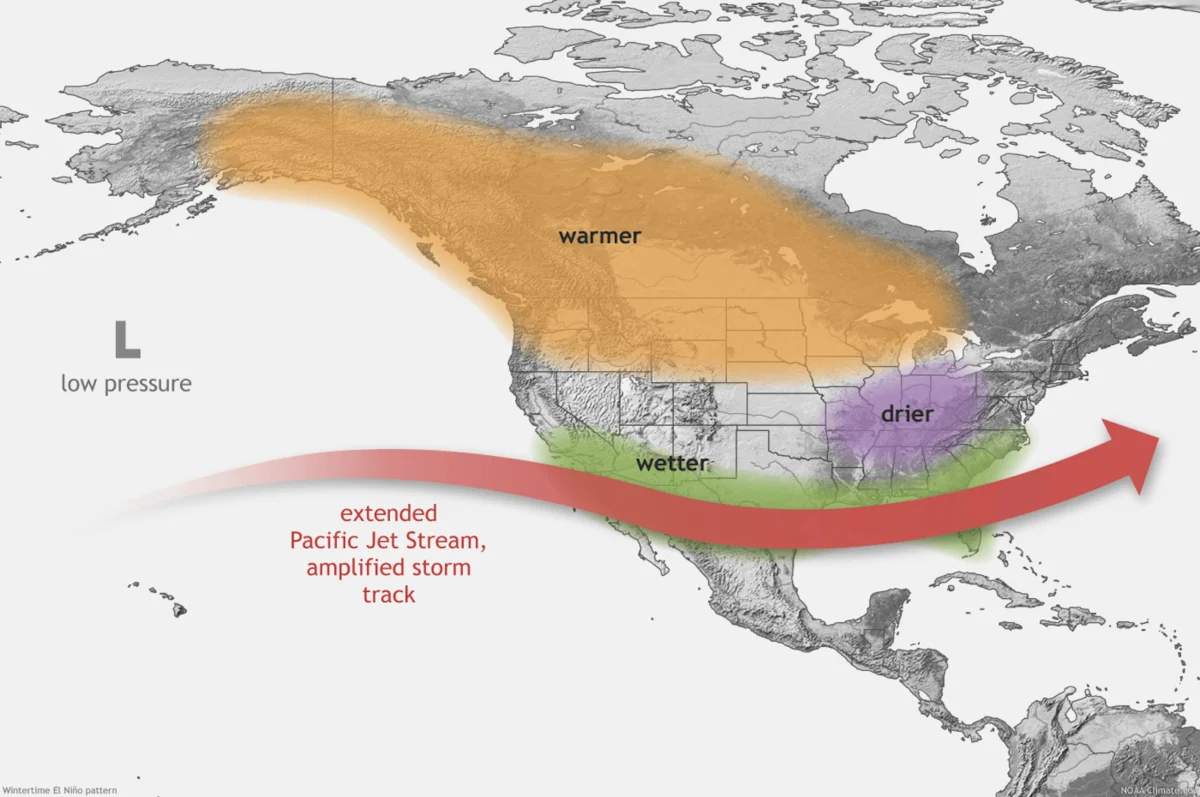
During an El Niño event, these trade winds weaken or, in extreme cases, reverse direction. This allows the reservoir of warm water to migrate eastward toward the Americas. The shift in heat source alters the position of the jet stream, the high-altitude air current that dictates weather patterns across the globe. By moving the jet stream, El Niño effectively rewires the planet’s "weather machine," leading to a predictable but devastating array of consequences.
Historically, the name "El Niño"—Spanish for "the little boy"—was coined by Peruvian fishermen in the 1600s. They noticed that every few years, the coastal waters became unusually warm around December, coinciding with the Christmas season. While the name evokes a sense of innocence, the reality of the phenomenon is often anything but, as it frequently brings the threat of famine and economic ruin to vulnerable populations.
A Century of Impact: From 1877 to the Present
To understand the gravity of the current forecast, scientists point to historical precedents. In 1877, one of the most powerful El Niño events on record occurred, coinciding with a period of massive global upheaval. That year, the failure of the Indian monsoon and severe droughts across Northern Africa and Brazil led to a series of famines. Deepti Singh, an associate professor at Washington State University, highlights that the combination of climate extremes and colonial-era policies resulted in an estimated 50 million deaths.
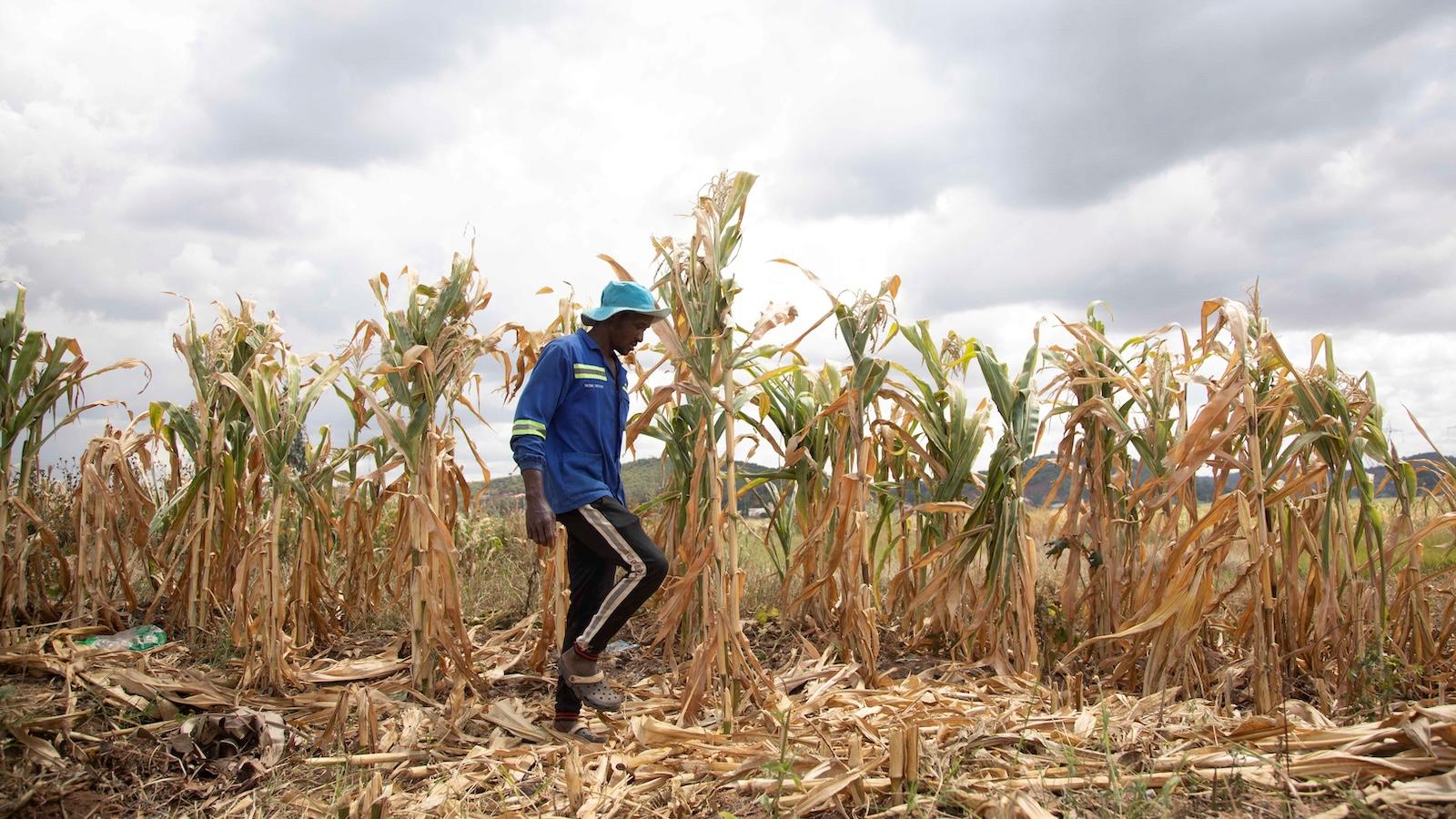
More recently, the El Niño of 2023-2024 left an indelible mark on the planet. It was ranked among the five strongest events in history and was a primary driver behind 2024 becoming the hottest year on record. The legacy of that event is still being felt today, particularly in Southern Africa, where prolonged dry spells decimated maize crops and left millions of people in need of food assistance.
The current cycle is beginning at a time when global temperatures are already at record highs due to anthropogenic climate change. This "double whammy" of natural variability and long-term warming creates a scenario that Jennifer Burney, a professor at Stanford’s Doerr School of Sustainability, describes as "open science." The interaction between a strong El Niño and a warmer, moister atmosphere is expected to produce weather extremes that are more intense than those seen in the 20th century.
Regional Forecasts: Winners and Losers in the Global Climate Lottery
The impacts of El Niño are never uniform. As Weston Anderson of the University of Maryland notes, there is no single set of consequences because the phenomenon affects diverse geographies differently. However, certain patterns are likely to emerge over the coming months:
The Asian Monsoon and Rice Production
India and Southeast Asia are particularly vulnerable. A strong El Niño typically correlates with a suppressed monsoon season. Since India is the world’s largest exporter of rice, any significant reduction in yields could lead to export bans and a spike in global grain prices. This is especially concerning for nations in Africa and the Middle East that rely on affordable Indian rice imports.
The Americas: Floods and Fires
In the United States, the southern tier of the country—from California to the Atlantic coast—is expected to see significantly higher-than-average rainfall. While this may provide temporary relief to drought-stricken areas in the Southwest, it also increases the risk of flash flooding and landslides. Conversely, the Pacific Northwest and parts of Canada often experience warmer, drier winters during El Niño, which can exacerbate wildfire risks in the following spring.
Southern Africa’s Arid Struggle
For countries like Zimbabwe, Zambia, and Malawi, El Niño is often a harbinger of agricultural disaster. The region relies heavily on rain-fed agriculture. A shift toward drier conditions could lead to a total failure of the maize harvest, necessitating massive humanitarian interventions.
Economic Pressures and the Geopolitical Context
The timing of this El Niño is particularly precarious due to ongoing geopolitical tensions. The global agricultural sector is already reeling from high input costs. Fertilizer prices, which spiked following the onset of the war in Ukraine, remain volatile. Recent disruptions in the Middle East, specifically involving the Iran War and the potential closure of the Strait of Hormuz, have added another layer of complexity.
The Strait of Hormuz is a vital artery for global energy, with a significant portion of the world’s oil and liquefied natural gas passing through it. While there are diplomatic efforts to ensure the passage remains open, the "spring passage closure" has already led to fertilizer shortages. Farmers, facing both unpredictable weather and skyrocketing costs for fuel and nutrients, are being forced to make difficult decisions about planting, which could further reduce global food availability.
Policy Responses and the Path to Resilience
Governments and international organizations are beginning to mobilize in response to the NOAA declaration. The Food and Agriculture Organization (FAO) of the United Nations has emphasized the need for "anticipatory action." This includes distributing drought-resistant seeds, improving water storage infrastructure, and providing cash transfers to vulnerable farmers before the worst of the weather hits.
However, Jennifer Burney warns that while national-level policies might ensure there is "enough food" in the global market, they often fail to protect the livelihoods of small-scale producers. "Certain policies may ensure there’s enough food through imports," Burney said, "but that’s not going to take care of the people whose livelihoods depend on agriculture."
In many developing nations, the economic setback of a single failed harvest can push families into a cycle of poverty that lasts for generations. Consequently, the focus is shifting toward "adaptive strategies," such as crop diversification and the use of satellite-based early warning systems to help farmers time their planting more effectively.
Scientific Uncertainty in a Warming World
The most daunting aspect of the current El Niño is the uncertainty regarding its interaction with climate change. As the planet warms, the atmosphere can hold more moisture, which means that when it does rain, the downpours are more intense. Simultaneously, higher temperatures increase evaporation, making droughts more severe.
Deepti Singh notes that while the historical "blueprint" of El Niño provides a guide, we are entering uncharted territory. The severity and extent of extreme events are likely to be higher in today’s climate than they were in the 19th or 20th centuries. Scientists are particularly concerned about the "tipping points" in the Pacific, where sustained warming could lead to more frequent and more intense El Niño events in the future.
Conclusion: A Season of Vigilance
As El Niño continues to strengthen through the summer, peaking in late 2024 and early 2025, the global community must prepare for a period of heightened volatility. The phenomenon serves as a stark reminder of the interconnectedness of the Earth’s systems—where a change in water temperature in the middle of the Pacific can dictate the price of bread in Cairo or the likelihood of a flood in Los Angeles.
With the threat of a "strongest of the century" event looming, the focus remains on monitoring and mitigation. For meteorologists, the coming months will be a critical period of data collection. For policymakers, it will be a test of their ability to protect the world’s most vulnerable populations from a climate disruptor that is as old as history but as unpredictable as the future. The onset of El Niño is no longer just a weather forecast; it is a global economic and humanitarian challenge that requires a coordinated, science-based response.










Leave a Reply