
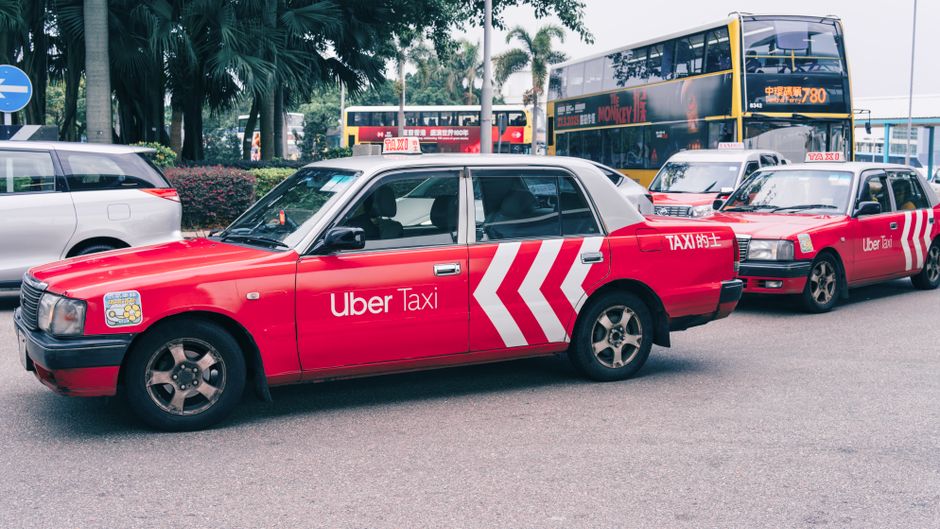
Uber’s Gig Economy Fleet: Building a Workforce of Independent Drivers
Uber’s business model is intrinsically linked to its ability to attract and retain a vast, flexible workforce of independent contractors, colloquially known as "gig workers," who operate their own vehicles to provide transportation services. This model, often referred to as the "gig economy," allows Uber to scale its operations rapidly without the significant overhead associated with employing a traditional, full-time workforce. The core of Uber’s operational success lies in its sophisticated approach to building, managing, and incentivizing this decentralized fleet. This article delves into the multifaceted strategies Uber employs to cultivate its driver network, examining the recruitment pipelines, onboarding processes, compensation structures, and ongoing engagement tactics that underpin its global reach. Understanding these mechanisms is crucial for comprehending the dynamics of the modern gig economy and the unique challenges and opportunities it presents for both platforms and workers.
The foundational element of Uber’s fleet building is its continuous recruitment engine. The company leverages a multi-channel approach to reach potential drivers, recognizing that its target demographic is broad and diverse. Online advertising plays a significant role, with targeted campaigns on social media platforms, search engines, and job boards specifically designed to attract individuals seeking flexible work. These advertisements often highlight key selling points such as setting one’s own hours, the potential for earning supplemental income, and the relative ease of entry into the driver pool. Beyond digital marketing, Uber also engages in offline recruitment efforts. Partnerships with community organizations, local businesses, and even driving schools can serve as effective channels to connect with individuals who may be actively seeking employment opportunities. Referral programs are another potent recruitment tool. Existing drivers are incentivized to bring new drivers onto the platform, creating a self-sustaining growth loop where satisfied drivers become brand ambassadors. This strategy taps into personal networks and social trust, often yielding high-quality candidates who are more likely to be committed to the platform. The accessibility of the application itself, designed for user-friendliness and straightforward navigation, further streamlines the initial interest phase, making it easy for potential drivers to learn more and begin the application process. Uber’s recruitment efforts are not static; they are continuously optimized based on data analytics, identifying the most effective channels and messaging to attract the desired driver demographic in specific geographic markets.
The onboarding process for Uber drivers is designed for speed and efficiency, reflecting the platform’s emphasis on rapid scalability. Prospective drivers typically begin by downloading the Uber Driver app and submitting an online application. This initial application gathers essential personal information, driving history, and vehicle details. A critical step in the onboarding process is the background check. Uber partners with third-party agencies to conduct comprehensive criminal background checks and driving record reviews, ensuring a baseline level of safety and trust for both drivers and passengers. This vetting process is crucial for maintaining public confidence in the platform and mitigating potential risks. Once the background check is cleared, drivers undergo a vehicle inspection. This can often be completed at designated Uber Greenlight Hubs or through partnerships with third-party inspection facilities. The inspection ensures that the vehicle meets Uber’s safety and operational standards, including aspects like age, condition, and basic equipment. The final stage typically involves an online orientation or training module, which familiarizes new drivers with Uber’s policies, safety guidelines, best practices for customer service, and how to effectively use the Driver app. This training, often delivered in a self-paced digital format, allows drivers to complete it at their convenience, further contributing to the platform’s flexibility. The aim is to get drivers on the road as quickly as possible while still adhering to essential safety and operational requirements.
Uber’s approach to compensating its gig worker fleet is a complex interplay of dynamic pricing, incentives, and performance-based bonuses. The base fare for each ride is determined by a combination of factors, including distance traveled, time taken, and Uber’s prevailing rates in a specific market. However, this base fare is often subject to surge pricing, a dynamic adjustment that increases fares during periods of high demand and low driver availability. Surge pricing is a powerful tool for Uber, as it incentivizes drivers to be active during peak hours and in high-demand areas, effectively managing supply and demand within its network. Beyond the standard fare, Uber offers a variety of bonuses and incentives designed to encourage drivers and influence their behavior. Quest promotions reward drivers for completing a certain number of rides within a specific timeframe, while streak bonuses are offered for completing consecutive rides without canceling. These incentives can significantly boost a driver’s earnings, making the platform more attractive. Furthermore, drivers can earn tips from passengers, which directly contribute to their overall income. Uber’s commission structure, where the company takes a percentage of each fare, is a consistent revenue stream. The exact commission rate can vary by market and the type of Uber service being utilized. The platform also provides drivers with detailed earnings summaries, allowing them to track their income, expenses, and the impact of various incentives on their net earnings. This transparency, coupled with the potential for significant earnings through bonuses and surge pricing, is a key factor in driver retention.
The ongoing engagement and retention of Uber’s gig worker fleet are paramount to maintaining a consistent and reliable service. Uber employs several strategies to keep drivers engaged and motivated. The Driver app itself serves as a central hub for communication and engagement. It provides drivers with real-time earnings information, access to promotions and incentives, and customer support channels. Uber also utilizes push notifications and in-app messages to inform drivers about new features, policy updates, and available earning opportunities. Regular communication about market demand and potential earning surges helps drivers make informed decisions about when and where to drive. Furthermore, Uber provides drivers with access to resources and support services. While direct employment benefits are absent, the company offers programs like discounted vehicle maintenance through partnerships with repair shops, fuel discounts, and access to financial services. The development of Driver Advisory Councils in various markets allows for direct feedback from drivers, providing insights into their challenges and suggestions for improvement. This can lead to policy adjustments and the introduction of new features that better address driver needs. Performance metrics, such as driver ratings and acceptance rates, are also utilized. While not directly punitive in most cases, maintaining a high rating is essential for accessing certain promotions and can influence passenger choices. Uber also invests in driver education and safety resources, providing tips and information to enhance the driving experience and promote safe practices. The continuous evolution of the Driver app with new features and functionalities, aimed at improving efficiency and earning potential, is also a key element in keeping drivers invested in the platform.
The challenges inherent in managing a gig worker fleet are substantial and multifaceted. One of the most prominent is driver churn. The flexibility and low barrier to entry that attract drivers also mean that they may leave the platform for competitors or alternative employment opportunities when market conditions change or personal circumstances evolve. Maintaining a consistent supply of drivers, especially during peak demand periods, requires continuous recruitment and effective retention strategies. Driver classification is another significant and ongoing debate. The legal status of Uber drivers as independent contractors versus employees has been a subject of numerous legal battles and regulatory scrutiny worldwide. This classification has profound implications for worker benefits, labor rights, and the cost structure for Uber. The platform’s reliance on an independent contractor model, while offering flexibility and cost advantages, exposes it to ongoing legal and regulatory risks. Income variability is also a concern for drivers. While surge pricing and bonuses can increase earnings, base rates and the unpredictability of ride volume can lead to fluctuating incomes, making financial planning challenging for drivers. Ensuring fair compensation that reflects the effort and expenses involved in driving, including fuel, vehicle maintenance, insurance, and depreciation, is a constant balancing act. Safety and security are also critical considerations. Uber faces the responsibility of ensuring the safety of both drivers and passengers, implementing robust background checks, providing safety features within the app, and responding effectively to incidents. The platform’s reputation and continued operation depend on its ability to maintain a safe environment. Finally, maintaining driver satisfaction and addressing concerns in a decentralized workforce requires constant effort and effective communication. Without the direct oversight of traditional employment, platforms like Uber must rely on technology, incentives, and carefully crafted communication strategies to foster a sense of community and address driver grievances.
Looking forward, Uber’s approach to building and managing its gig worker fleet is likely to continue evolving. The increasing competition within the ride-sharing and delivery sectors necessitates ongoing innovation in driver acquisition and retention strategies. This may involve the introduction of more sophisticated incentive structures, potentially tiered reward programs that recognize and reward long-term drivers, or personalized earning opportunities based on driver preferences and performance data. The company is also likely to continue exploring technological solutions to enhance the driver experience, such as improved navigation tools, more efficient dispatch algorithms, and better communication channels with passengers. The ongoing debate around driver classification will undoubtedly shape future strategies, potentially leading to hybrid models or increased investment in driver welfare programs, even within the independent contractor framework. The company’s ability to adapt to changing regulatory landscapes in different global markets will be crucial. Furthermore, as Uber diversifies its services beyond ride-sharing, such as Uber Eats and Uber Freight, the strategies for building and engaging its fleet will need to adapt to the specific demands and characteristics of these different service verticals. Data analytics will play an even more prominent role in optimizing driver operations, predicting demand patterns, and personalizing the driver experience. Ultimately, Uber’s continued success in building and sustaining its gig worker fleet will depend on its capacity to remain agile, responsive to driver needs, and innovative in its approach to managing one of the largest flexible workforces in the world. The long-term viability of its platform hinges on its ability to offer a compelling value proposition to drivers that balances flexibility with opportunities for sustainable earnings and a positive working experience.





Leave a Reply