
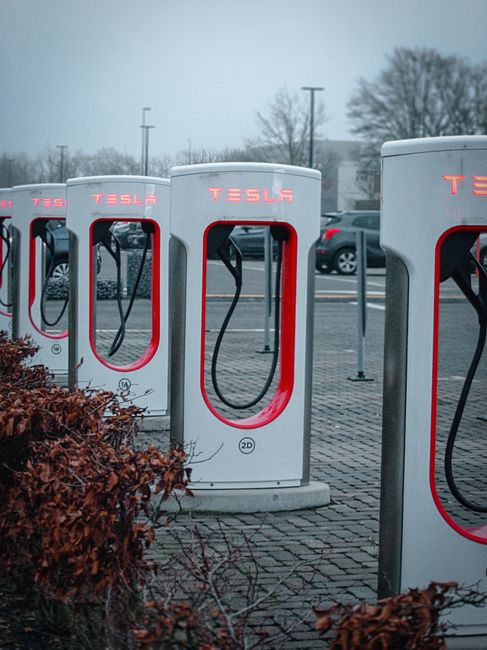
Tesla’s Supercharging Network: Unraveling the Unavailability Conundrum
The Tesla Supercharger network, a cornerstone of electric vehicle (EV) adoption and a significant competitive advantage for the company, has experienced periods of partial or localized unavailability, prompting concern and frustration among Tesla owners and the broader EV community. While Tesla consistently aims for high uptime and has invested heavily in expanding its infrastructure, various factors can contribute to temporary service disruptions. Understanding these underlying causes, their implications, and potential solutions is crucial for managing expectations and ensuring the continued growth of EV charging. This article delves into the multifaceted reasons behind Supercharger network unavailability, explores the impact on users, and examines Tesla’s ongoing efforts to maintain and enhance its charging infrastructure, all while being optimized for search engines seeking information on this critical topic.
Several primary factors contribute to the intermittent unavailability of Tesla’s Supercharging network. Firstly, peak demand and network saturation represent a significant challenge, particularly during holiday travel periods, weekends, and at popular charging locations. As EV adoption accelerates, especially with Tesla’s substantial market share, the number of vehicles seeking to charge simultaneously can exceed the available charging stalls. This can lead to queues, waiting times, and in extreme cases, a temporary inability to access a charger if all stalls are occupied and no new vehicles can be accommodated. The design of Supercharger sites, while generally robust, can be overwhelmed by sudden surges in demand, especially if site capacity was not meticulously planned for the exponential growth of EVs in a given region. Furthermore, Tesla’s dynamic pricing models, designed to incentivize off-peak charging, can sometimes exacerbate this issue if demand remains high even with premium pricing.
Secondly, technical malfunctions and hardware failures are an unavoidable aspect of any large-scale infrastructure. Superchargers, like any complex machinery, are susceptible to component failures. This can range from issues with the charging connector, internal power electronics, communication modules, or even the payment processing systems. While Tesla employs a network of technicians for rapid repairs, the sheer number of Supercharger stations globally means that localized outages due to hardware issues can and do occur. These failures can be triggered by extreme weather conditions, such as lightning strikes or extreme temperatures, or simply by the natural wear and tear of components operating under high power output. The diagnostic capabilities of the Supercharger network are advanced, allowing Tesla to remotely monitor station health, but immediate on-site intervention is often required for physical repairs, leading to downtime.
Thirdly, software glitches and network connectivity issues can also lead to Supercharger unavailability. The Supercharger network is heavily reliant on constant communication with Tesla’s central servers for authentication, billing, and charger status updates. If there are disruptions to the internet connectivity at a Supercharger site, or if there are bugs within the charging software itself, the chargers can become inaccessible. These software issues can arise from updates to the Tesla vehicle software or the Supercharger station software, and while typically minor and quickly resolved, they can temporarily disable charging functionality. Network latency or intermittent server access can also impact the user experience, even if the hardware is functional, leading to failed charging sessions or an inability to initiate charging.
Fourthly, planned maintenance and upgrades are essential for the long-term health and expansion of the Supercharger network, but they can also cause temporary unavailability. Tesla periodically undertakes maintenance to ensure optimal performance, upgrade hardware to newer, faster models, or expand existing sites. During these scheduled maintenance periods, specific chargers or entire stations may be taken offline. While Tesla typically provides advance notice of planned maintenance, and these are usually communicated through the Tesla app or in-car navigation, it’s still a contributing factor to localized unavailability. The need for constant improvement and adaptation to new charging standards and higher power outputs necessitates these planned interventions.
Fifthly, regional grid instability or power outages outside of Tesla’s direct control can also impact Supercharger functionality. Superchargers draw significant amounts of electricity, and in areas experiencing power grid issues, the charging stations may not be able to operate. While Tesla’s battery backup systems can mitigate short-term power interruptions, prolonged outages will render the chargers inoperable until grid power is restored. This is a common challenge for all large-scale EV charging infrastructure, not just Tesla’s. Furthermore, in some regions, the local electricity infrastructure may not be robust enough to consistently support the high power demands of multiple Superchargers operating simultaneously, leading to localized brownouts or voltage fluctuations that can disrupt charging.
The implications of Supercharger network unavailability for Tesla owners are significant. The primary concern is range anxiety and compromised travel plans. For many Tesla owners, especially those on long road trips, the Supercharger network is their lifeline, enabling them to recharge their vehicles conveniently and efficiently. Unforeseen unavailability can lead to stranded vehicles, requiring owners to seek alternative, potentially slower, and less convenient charging options, or even necessitating a costly tow. This directly impacts the perceived reliability of the Tesla ecosystem and can deter potential buyers who prioritize seamless long-distance travel.
Moreover, increased charging costs and inconvenience are direct consequences of Supercharger unavailability. If owners are forced to use third-party public chargers, they may encounter higher per-kilowatt-hour rates and slower charging speeds. The time spent searching for alternative charging stations and waiting for a charge also adds to the overall inconvenience, detracting from the intended ease of ownership that Tesla aims to provide. This can erode customer satisfaction and loyalty, as owners feel they are not receiving the premium experience they paid for.
The impact also extends to Tesla’s brand reputation and market perception. While Tesla has cultivated a strong brand image associated with innovation and reliability, persistent Supercharger issues can tarnish this reputation. Negative experiences shared on social media and in online forums can quickly spread, influencing public perception and potentially impacting sales. Competitors offering their own charging networks or partnering with existing infrastructure providers are also keenly observing these challenges, seeking to capitalize on any perceived weaknesses in Tesla’s offering.
Tesla is actively engaged in a multi-pronged approach to mitigate and address Supercharger network unavailability. A key strategy is continuous network expansion and densification. Tesla consistently adds new Supercharger stations and expands existing ones to accommodate growing demand. This involves strategically placing new stations along major travel corridors, in urban centers, and at popular destinations. The goal is to increase the overall capacity of the network and reduce the likelihood of saturation at individual sites. This expansion is fueled by ongoing investment and a data-driven approach to identifying areas with the highest demand and projected future growth.
Another crucial aspect is proactive maintenance and remote diagnostics. Tesla utilizes advanced telemetry to monitor the health of its Supercharger stations in real-time. This allows them to identify potential issues before they lead to full-blown outages and dispatch technicians for preventative maintenance or swift repairs. The ability to remotely diagnose problems helps in quickly identifying the root cause and ensuring that the correct parts and expertise are on hand when technicians arrive on-site. This proactive approach aims to minimize downtime by addressing issues before they impact users.
Furthermore, hardware improvements and increased reliability are central to Tesla’s strategy. As the technology matures, Tesla continues to develop more robust and efficient Supercharger hardware. This includes advancements in power electronics, cooling systems, and connectors designed to withstand the rigors of constant use and varying environmental conditions. The introduction of higher-power charging stations (e.g., V3 and V4 Superchargers) also aims to reduce charging times, which can indirectly alleviate pressure on the network by allowing more vehicles to charge in a given period.
Tesla is also leveraging software optimization and intelligent load balancing. The Tesla app and in-car navigation system provide real-time Supercharger availability information, guiding drivers to less crowded stations. Sophisticated algorithms are employed to manage the flow of vehicles to charging sites and to optimize charging speeds based on grid conditions and the needs of other charging vehicles at the same station. This intelligent management aims to distribute the load more effectively and prevent individual chargers from becoming overloaded.
Finally, opening the Supercharger network to other EV brands is a strategic move that, while seemingly counterintuitive to addressing unavailability, actually contributes to the long-term viability and sustainability of the charging infrastructure. By allowing non-Tesla EVs to use Superchargers, Tesla can generate additional revenue, which can then be reinvested into further expansion and maintenance. While this may initially increase demand at some stations, it also encourages a more collaborative approach to EV charging infrastructure development and can lead to greater overall utilization and efficiency of the network. This wider adoption also incentivizes Tesla to maintain and improve the network to meet the needs of a broader user base, ultimately benefiting all EV drivers.
In conclusion, while Tesla’s Supercharger network remains a world-leading charging solution, occasional periods of unavailability are a reality of operating such a vast and complex infrastructure. The challenges are multifaceted, stemming from high demand, technical issues, software complexities, planned maintenance, and external factors like grid instability. However, Tesla’s ongoing commitment to expansion, technological advancement, proactive maintenance, and intelligent network management is crucial for its continued success. Understanding these dynamics is vital for managing expectations and for appreciating the continuous efforts being made to ensure the Supercharger network remains a reliable and accessible asset for the growing EV community. The pursuit of seamless, reliable, and ubiquitous EV charging is an ongoing journey, and Tesla’s Supercharger network, despite its occasional hiccups, continues to be at the forefront of this transformative shift.


Leave a Reply