
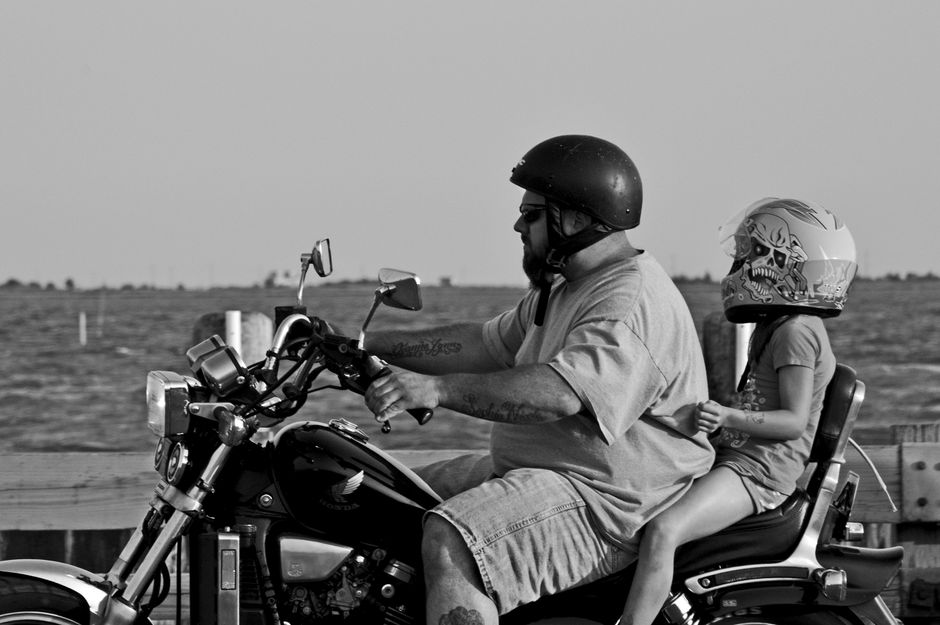
Taking a Child on a Motorcycle: Safety, Legality, and Best Practices
Transporting a child on a motorcycle is a decision that carries significant responsibility, demanding meticulous preparation and unwavering commitment to safety. Unlike adult passengers, children possess developing bodies, limited understanding of risk, and require specialized considerations to mitigate inherent dangers. This comprehensive guide outlines the critical aspects of safely and legally taking a child on a motorcycle, covering essential safety gear, proper riding techniques, legal requirements, and crucial preparatory steps. Prioritizing these elements is paramount to minimizing risk and ensuring a positive, albeit controlled, experience for both rider and young passenger.
The legal framework surrounding carrying passengers on motorcycles varies considerably by jurisdiction. It is imperative for every rider to thoroughly research and understand the specific laws applicable in their state, province, or country. These laws often dictate the minimum age for a motorcycle passenger, whether passengers must be able to reach the footpegs, and requirements for the use of helmets and other protective gear. Some regions may have specific licensing endorsements or restrictions for riders who transport passengers. Failure to comply with these legal mandates can result in substantial fines, license suspension, or even criminal charges. Beyond legal compliance, understanding these regulations underscores the inherent safety concerns the lawmakers aim to address, highlighting the importance of age-appropriate seating, secure footing, and adequate protection for child passengers. Always consult official government transportation websites or local law enforcement for the most current and accurate information regarding passenger laws.
Proper protective gear is non-negotiable when transporting a child on a motorcycle. This begins with a motorcycle-specific helmet that meets or exceeds federal safety standards (e.g., DOT in the United States, ECE in Europe). The helmet must fit snugly, with no excess movement, and the chin strap must be securely fastened. Child-sized helmets are essential; adult helmets will not provide adequate protection. Beyond the helmet, a full-coverage riding suit or jacket and pants made from abrasion-resistant materials like leather or heavy-duty textile are crucial. These garments should include integrated armor at the shoulders, elbows, and back for the jacket, and at the knees and hips for the pants. Gloves that cover the entire hand and wrist are also vital to protect against abrasions and provide a better grip. Footwear should consist of sturdy, over-the-ankle boots that will protect the feet and ankles from burns, abrasions, and impact. Finally, eye protection, typically integrated into the helmet or as separate goggles, is necessary to shield the eyes from wind, debris, and insects. Ensuring all gear fits correctly and is properly fastened is as important as the gear itself. Ill-fitting gear can be a distraction or even a hazard.
The motorcycle itself must be suitable for carrying a passenger, particularly a child. The motorcycle’s suspension and braking system should be in good working order and capable of handling the added weight. Passengers, especially children, can significantly alter the motorcycle’s handling characteristics, affecting braking distances, acceleration, and cornering. Riders must be aware of this and adjust their riding style accordingly. If the motorcycle has passenger footpegs, ensure they are accessible and secure for the child. If not, aftermarket solutions may exist, but their safety and stability must be thoroughly vetted. A comfortable and secure passenger seat is also vital. If the seat is too small or lacks adequate grip, it can lead to instability for the child. The rider should also ensure their own riding skills are honed to a level that can safely accommodate a passenger. This means being adept at smooth acceleration, braking, and cornering, and being able to anticipate the movements of the child.
Preparing the child for the ride is a critical, multi-faceted process that extends beyond simply placing them on the motorcycle. A clear and calm explanation of what to expect is essential. This includes explaining the importance of holding on securely, the need to remain still, and the fact that the motorcycle will lean into turns. The child should understand that their movements can affect the rider and the motorcycle’s balance. Practice sessions on a stationary motorcycle can be invaluable. Allow the child to sit on the motorcycle while it is not running, feel the seat, and practice holding onto the rider or designated grab handles. Explain the concept of braking and how they will feel it. Emphasize that they should never push or pull on the rider unnecessarily. For younger children, a gradual introduction to the experience is recommended, starting with short, slow rides in familiar, low-traffic areas. The goal is to build confidence and familiarity, not to overwhelm.
Riding with a child requires a significant adjustment in riding technique. Smoothness is paramount. Avoid abrupt acceleration or deceleration, as these movements can unbalance the child. Braking must be gradual and anticipatory, allowing the child to feel the slowing motion without sudden jolts. When cornering, the rider must communicate their intentions to the child. Lean into turns smoothly and deliberately, ensuring the child is prepared for the change in angle. The rider should also be mindful of the child’s potential movements. Many children, out of instinct or nervousness, will try to correct the motorcycle’s lean, which can be dangerous. The rider must gently reinforce the need to remain still and allow the rider to control the motorcycle. Communication, even non-verbal, is key. A gentle squeeze of the hand or a pre-arranged signal can alert the child to upcoming maneuvers. The rider should constantly monitor the child’s comfort and security, looking back frequently (when safe to do so) to check their posture and grip.
The method of securing the child to the rider is a subject of considerable debate and varied practice. For older, more experienced children, a secure grip around the rider’s waist or on designated grab handles on the motorcycle is often sufficient, provided they can maintain this grip throughout the ride. For younger children or those with less developed motor skills, specialized child motorcycle seats or harnesses are recommended. These systems are designed to provide a secure attachment between the child and the rider, preventing the child from falling off. When using such devices, it is crucial to ensure they are installed correctly and that the child is properly secured within them. The rider must be comfortable with the chosen method and understand how it affects their own movement and balance. The primary goal is to prevent the child from separating from the motorcycle and rider in any circumstance.
The physical and emotional readiness of the child is a critical factor that cannot be overlooked. A child who is fearful, anxious, or easily distracted is not a suitable candidate for motorcycle transport. Children with conditions that affect their balance, coordination, or ability to follow instructions should not be taken on a motorcycle. The child’s maturity level plays a significant role. A responsible child who understands and can follow instructions is more likely to be a safe passenger than a young, impulsive child. It is also important to consider the child’s physical size and strength. They must be able to reach the footpegs comfortably and have the upper body strength to hold on securely, even with assistance. If the child is too small to properly use the motorcycle’s existing passenger accommodations, it may be safer to postpone the ride until they are older and larger.
The rider’s own skill and experience are paramount. Attempting to carry a child for the first time on an unfamiliar motorcycle or in challenging riding conditions is an unacceptable risk. Riders should have significant experience operating a motorcycle independently before considering carrying a passenger, especially a child. This experience should include mastering emergency braking, evasive maneuvers, and riding in various weather and traffic conditions. A rider who is still developing their own skills should not be adding the complexity and responsibility of a child passenger. It is also important for the rider to be mentally prepared for the added stress and vigilance required when carrying a child. Distractions can be amplified, and the rider must remain focused on both operating the motorcycle and ensuring the child’s safety.
In conclusion, taking a child on a motorcycle is a high-stakes endeavor that demands an uncompromising approach to safety. It requires a thorough understanding of legal requirements, the meticulous selection and use of appropriate protective gear, and a motorcycle that is properly equipped and maintained. Equally important are the careful preparation of the child, the adoption of a smooth and anticipatory riding style, and the diligent assessment of both the child’s and the rider’s readiness. Never underestimate the inherent risks involved. Prioritize safety above all else, and when in doubt, err on the side of caution. Responsible motorcycle transport of children is achievable, but only through vigilant preparation, continuous learning, and an unwavering commitment to the well-being of the young passenger.


Leave a Reply