
Spain’s Exposure to Climate Change: Impacts and Adaptation Strategies
Spain’s geographical position on the Iberian Peninsula, a region particularly vulnerable to atmospheric shifts, places it at the forefront of climate change impacts. The country’s diverse landscapes, ranging from arid Mediterranean coastlines and vast agricultural plains to the towering Pyrenees mountains and the cooler Atlantic regions, each experience unique and amplified effects of a warming planet. This exposure manifests across multiple interconnected systems, affecting not only the environment but also the economy, society, and public health. The Mediterranean basin, where a significant portion of Spain lies, is recognized by the Intergovernmental Panel on Climate Change (IPCC) as a climate change hotspot, experiencing a faster rate of warming than the global average. This amplified warming leads to a cascade of consequences, including more frequent and intense heatwaves, altered precipitation patterns, sea-level rise, and increased desertification. Understanding the specific vulnerabilities and the complex interplay of these factors is crucial for developing effective and targeted adaptation and mitigation strategies for Spain.
Rising temperatures are a primary and pervasive impact of climate change across Spain. Projections indicate a continued upward trend in average annual temperatures, with a more pronounced increase in summer months. This exacerbates the frequency, duration, and intensity of heatwaves, particularly in southern and southeastern Spain. These extreme heat events pose significant risks to human health, leading to heatstroke, cardiovascular stress, and increased mortality, especially among vulnerable populations like the elderly, children, and individuals with pre-existing health conditions. The agricultural sector faces severe challenges as higher temperatures stress crops, reduce yields, and increase water demand for irrigation. For instance, staple crops like olives and grapes, economically vital to Spain, are highly sensitive to heat stress and altered growing seasons. Beyond agriculture, increased temperatures impact energy demand, with a greater need for cooling in buildings, putting pressure on electricity grids and potentially increasing reliance on fossil fuels if renewable energy sources cannot adequately meet the demand. Recreational tourism, a cornerstone of Spain’s economy, also suffers. Coastal resorts may experience discomfort due to prolonged heat, and mountain regions, reliant on snow cover for winter tourism, face declining snowfall and shorter ski seasons.
Changes in precipitation patterns represent another critical aspect of Spain’s climate change exposure. While overall annual precipitation may not show a uniform significant decrease across the entire country, the distribution and intensity of rainfall are projected to change drastically. This means fewer rainy days but more intense, short-duration downpours. These extreme rainfall events can lead to flash floods, soil erosion, and damage to infrastructure, particularly in urban areas and along riverbanks. Conversely, prolonged periods of drought are also anticipated, especially in the Mediterranean regions. These droughts, coupled with increased evaporation rates due to higher temperatures, severely strain water resources. The agricultural sector, heavily reliant on irrigation, faces significant water scarcity, leading to reduced harvests, land abandonment, and potential economic losses. Domestic water supplies can also be impacted, leading to water restrictions and increased competition for dwindling resources among different sectors. The natural environment is also affected, with increased risk of wildfires due to dry vegetation and prolonged drought conditions. These fires not only destroy ecosystems but also release significant amounts of carbon into the atmosphere, creating a feedback loop that further exacerbates climate change.
Sea-level rise poses a direct and immediate threat to Spain’s extensive coastline, which is a major tourist and economic hub. Coastal erosion is accelerating, threatening infrastructure, beaches, and coastal communities. Low-lying areas, particularly in regions like Andalusia and Catalonia, are vulnerable to permanent inundation. Salinization of freshwater resources, including coastal aquifers, is another significant consequence. As sea levels rise, saltwater intrudes into freshwater sources, rendering them unsuitable for drinking water and irrigation, further stressing already limited water resources. The economic implications are substantial. Many of Spain’s major cities, ports, and tourist destinations are located on the coast. Protecting these assets requires significant investment in coastal defense measures, such as seawalls, breakwaters, and beach nourishment programs. The loss of beaches not only impacts tourism but also natural ecosystems that rely on coastal environments. Furthermore, the increased frequency and intensity of storm surges, exacerbated by higher sea levels, amplify the destructive potential of coastal storms.
Desertification and land degradation are already pressing environmental issues in parts of Spain, and climate change is projected to worsen them. Increased temperatures, reduced rainfall, and more frequent droughts contribute to the loss of fertile topsoil and vegetation cover. This process is particularly evident in the semi-arid regions of southeastern Spain. Desertification leads to reduced agricultural productivity, decreased biodiversity, and increased susceptibility to soil erosion. The loss of vegetation cover also diminishes the land’s capacity to absorb carbon dioxide, further contributing to climate change. The social and economic consequences include rural depopulation as agricultural livelihoods become unsustainable, and increased pressure on urban areas. Restoring degraded land is a complex and long-term process, requiring significant investment in sustainable land management practices, afforestation, and water conservation.
The impacts of climate change on Spain’s biodiversity are multifaceted and alarming. Shifting climate zones are forcing species to migrate to cooler or wetter areas, if such habitats are available. However, many species are unable to adapt quickly enough, leading to population declines and increased extinction risk. Changes in temperature and precipitation patterns can disrupt ecosystems, affecting species interactions, breeding cycles, and food availability. For example, the timing of flowering and insect emergence may become mismatched, impacting pollination and food webs. Coastal ecosystems, such as seagrass meadows and salt marshes, are threatened by sea-level rise and increased water temperatures. Mountain ecosystems, which are particularly sensitive to warming, face the loss of their unique flora and fauna as temperatures rise and snow cover diminishes. This loss of biodiversity has ecological consequences, impacting ecosystem services such as water purification, pollination, and pest control, and also has implications for ecotourism and research.
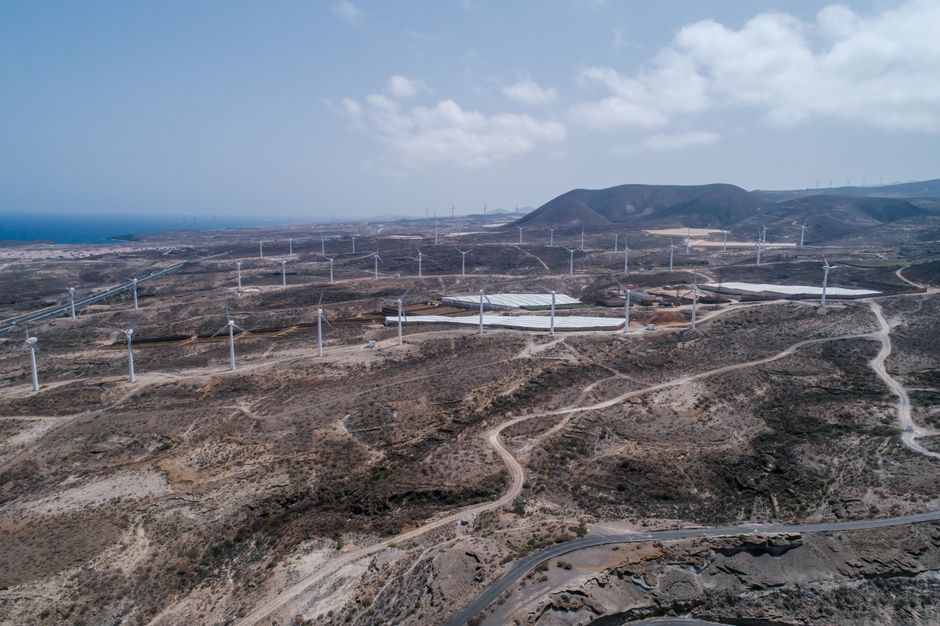
Spain’s energy sector faces a dual challenge: reducing its greenhouse gas emissions while adapting to the impacts of climate change. While Spain has made significant strides in renewable energy deployment, particularly solar and wind power, the transition is not yet complete. The increased demand for cooling due to heatwaves can strain the electricity grid. Furthermore, the availability of water resources, crucial for some forms of energy generation (e.g., hydropower), may be affected by drought. Adapting the energy infrastructure to be more resilient to extreme weather events, such as floods and storms, is also essential. Investing in grid modernization, energy storage solutions, and distributed renewable energy generation can enhance resilience and reduce reliance on fossil fuels.
The agricultural sector, a vital component of Spain’s economy and cultural identity, is highly vulnerable. Climate change threatens crop yields, livestock health, and the availability of water for irrigation. Farmers are already experiencing the effects of heat stress, altered rainfall patterns, and increased pest and disease outbreaks. Adapting to these challenges requires a shift towards more resilient agricultural practices. This includes the development and adoption of drought-resistant and heat-tolerant crop varieties, improved water management techniques such as drip irrigation, and precision agriculture technologies. Diversifying crops and livestock, as well as exploring alternative farming systems like agroforestry, can also enhance resilience. Supporting farmers through knowledge sharing, financial incentives, and access to research and innovation is crucial for facilitating this transition.
Spain’s tourism industry, a major economic driver, is significantly exposed to climate change. Coastal tourism, reliant on beaches and pleasant weather, is threatened by sea-level rise, coastal erosion, and extreme heat. Mountain tourism faces declining snow cover and shorter ski seasons. Changes in natural landscapes and biodiversity can also impact ecotourism. Adaptation strategies for the tourism sector include diversifying tourism offerings beyond traditional sun and beach holidays, promoting sustainable tourism practices that minimize environmental impact, and investing in climate-resilient infrastructure. Developing year-round tourism attractions and promoting cultural and rural tourism can help reduce reliance on climate-sensitive activities.
Water management in Spain is a critical issue, exacerbated by climate change. The country already faces water scarcity in many regions, and projected changes in precipitation and increased evaporation will intensify this challenge. Adaptation strategies must focus on integrated water resource management. This includes promoting water conservation measures across all sectors, improving the efficiency of irrigation systems, investing in wastewater treatment and reuse, and exploring desalination technologies where appropriate. Protecting and restoring natural water regulation services, such as wetlands and forests, is also vital. Addressing the competition for water resources between agriculture, urban areas, and ecosystems will require robust governance and collaborative planning.
Climate change poses significant risks to human health in Spain. Increased heatwaves lead to a rise in heat-related illnesses and mortality. Changes in precipitation patterns can affect the spread of vector-borne diseases and water-borne illnesses. Air quality can also be impacted by wildfires and increased dust storms in degraded areas. Public health adaptation strategies include developing early warning systems for heatwaves, improving healthcare infrastructure to cope with climate-related health impacts, and implementing public awareness campaigns on health risks and protective measures. Investing in urban planning that incorporates green spaces to mitigate urban heat island effects and improving water quality monitoring are also important.
Mitigation efforts are crucial to limit the extent of future climate change impacts. Spain has committed to reducing its greenhouse gas emissions through various policies and targets, including those outlined in the European Union’s climate framework. Key mitigation strategies include accelerating the transition to renewable energy sources, improving energy efficiency across all sectors, promoting sustainable transport, and implementing measures to reduce emissions from industry and agriculture. Carbon sequestration through forest conservation and restoration also plays a vital role. Public engagement and behavioral change are essential complements to policy interventions, encouraging more sustainable consumption patterns and lifestyles.
The interconnectedness of climate change impacts necessitates integrated and holistic adaptation planning. Climate change is not a series of isolated events but a systemic challenge that affects multiple sectors simultaneously. Therefore, adaptation strategies must be developed and implemented in a coordinated manner, involving all levels of government, the private sector, civil society, and individuals. Building resilience requires investing in research and innovation, fostering international cooperation, and ensuring that adaptation efforts are equitable and inclusive, protecting the most vulnerable populations and regions. Spain’s proactive approach to understanding and addressing its climate change exposure is crucial for its future prosperity and well-being.





Leave a Reply