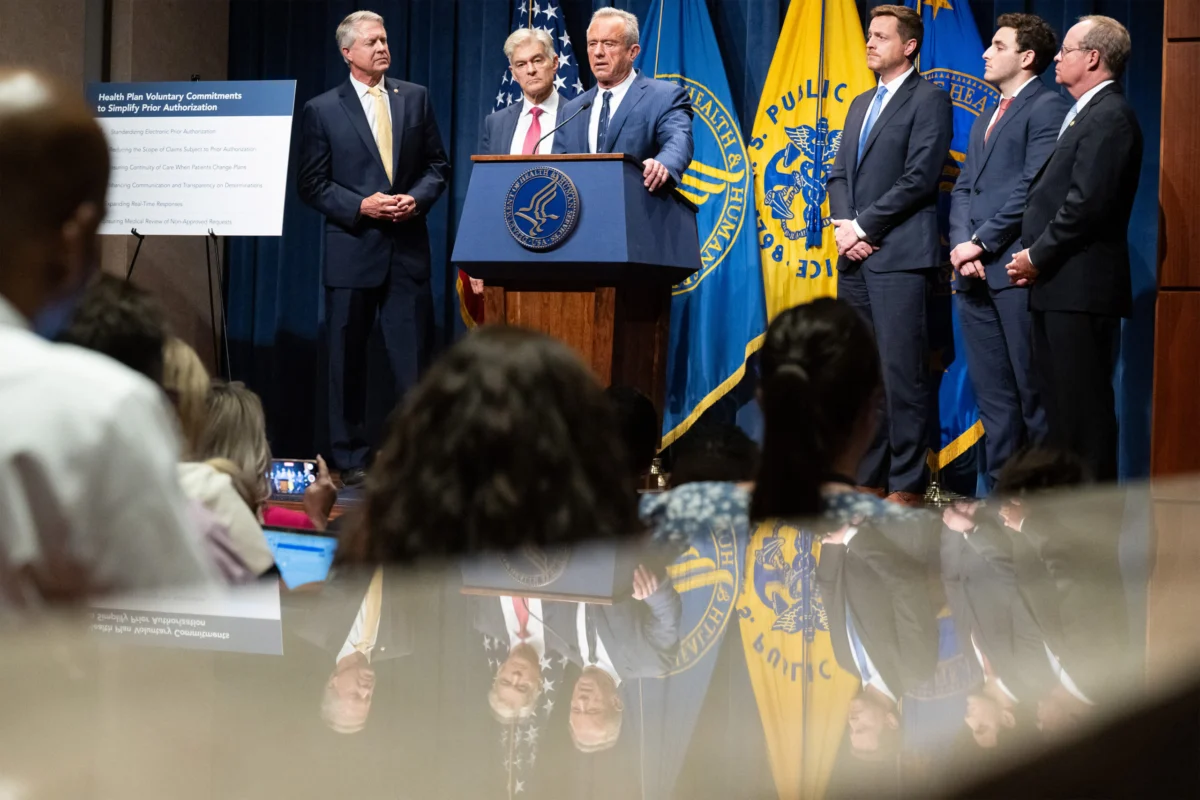
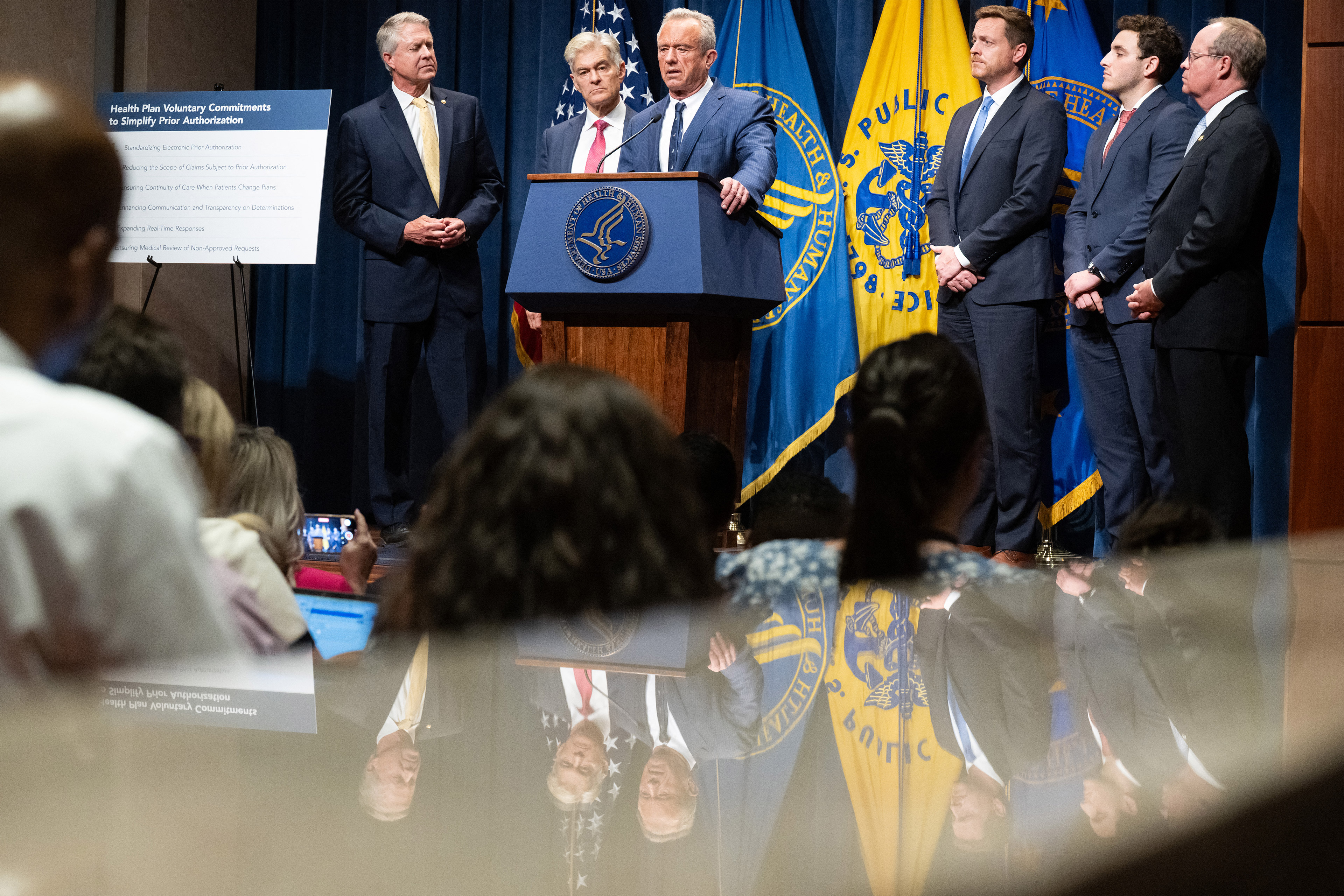
One year after the Trump administration heralded a significant pledge from major health insurers to streamline prior authorization, a critical process for accessing medical care, a growing chorus of patients, advocates, and physicians claims little has changed, with some insurers now indicating they will not fully implement the promised initiatives. This development raises serious questions about the efficacy of voluntary industry commitments and the ongoing challenges faced by individuals navigating the complex healthcare system.
The initiative, announced in June 2023, involved dozens of health insurers signing a six-part pledge aimed at reducing the bureaucratic hurdles associated with prior authorization. This process, often referred to as preauthorization or precertification, requires patients or their healthcare providers to obtain approval from insurers before certain treatments, procedures, or medications can be covered. While the insurance industry contends that prior authorization is a vital tool for controlling costs, preventing fraud, and ensuring patient safety, critics argue it frequently leads to unnecessary delays, denials of medically necessary care, and significant emotional and financial burdens on patients.
A Year of Unfulfilled Promises?
The American Health Insurance Plans (AHIP), the industry trade group that spearheaded the pledge, reported that its member companies have eliminated an estimated 6.5 million prior authorizations, representing an 11% reduction since the pledge was announced. AHIP spokesperson Chris Bond stated, "Prior authorization is a vital patient safeguard," emphasizing the industry’s commitment to patient well-being. However, these figures have been met with skepticism from those on the front lines of healthcare.
U.S. Rep. Greg Murphy (R-N.C.), a physician and co-chair of the GOP Doctors Caucus, expressed deep frustration, stating, "It has never been this bad for patients." Murphy, who was present at the pledge’s announcement, described the voluntary commitment as lacking "teeth" and expressed "zero faith" in the industry’s ability to self-regulate. This sentiment is echoed by patient advocates like Sally Nix, who has a chronic illness and calls the pledge "performative." Nix argues that the reported reductions fail to capture the full picture, as insurers may be creating new loopholes or continuing to deny care through other means.
Sabrina Corlette, a research professor at the Center on Health Insurance Reforms at Georgetown University, offered a candid assessment, noting that voluntary pledges rarely lead to substantial improvements for patients. "In the absence of clear rules, policies, standards, and mandates," Corlette explained, "insurance companies are going to do what makes sense for them to do financially." This perspective highlights a fundamental tension: while insurers are driven by financial considerations, patients and providers prioritize timely and effective medical treatment.
The Department of Health and Human Services (HHS), which was involved in the pledge’s announcement under the Trump administration, did not respond to inquiries regarding its oversight or accountability mechanisms for the insurers. This lack of transparency fuels concerns about the administration’s follow-through on ensuring compliance.
The Roots of the Prior Authorization Debate
The practice of prior authorization has been a fixture in health insurance for decades. Its proponents argue that it serves as a crucial gatekeeper, preventing unnecessary or inappropriate medical services, thereby controlling escalating healthcare costs and reducing waste. The process can be invoked for a wide spectrum of care, from routine diagnostic tests and urgent care visits to complex and life-saving treatments like chemotherapy.
However, the sheer volume and often opaque nature of prior authorization requirements have drawn increasing ire. The controversial killing of UnitedHealthcare CEO Brian Thompson in December 2024, while not directly linked to prior authorization policies, ignited a national conversation and a wave of anger regarding insurance denials and the perceived prioritization of profits over patient care. This incident amplified the voices of patients and clinicians who have long advocated for reform.
The frustration surrounding prior authorization is a rare area of bipartisan agreement in Congress. On July 15, the House Ways and Means Committee unanimously advanced a bill that would mandate Medicare Advantage plans to disclose all services subject to prior authorization and report data on denials and appeals to the federal government. This legislative push underscores the widespread dissatisfaction with the current system.
When the pledge was initially announced, Centers for Medicare & Medicaid Services (CMS) Administrator Mehmet Oz acknowledged the public outcry, stating, "There’s violence in the streets over these issues." He expressed hope for tangible results, but the current sentiment suggests those hopes have largely been unmet.
The Nuances of Reduction and Denial
Mike Gartner, founder of Health Access Innovation, an organization assisting patients with insurance denials, believes the 11% reduction cited by AHIP "hides a lot of nuance." He contends that these figures may not accurately reflect the experience of patients needing the most expensive or specialized care, such as individuals undergoing cancer treatment, who continue to face significant access barriers.
AHIP clarified that its reported reductions pertain to medical services and do not include prescription medications, a category that often involves its own set of prior authorization challenges. The trade group has not provided a detailed breakdown of which specific services have been removed from prior authorization requirements or how these reductions vary among individual insurers.
CMS Administrator Oz had previously stated that the federal government would be "evaluating progress" and "driving accountability," even foreshadowing the creation of "public dashboards" to track insurer performance. The absence of such dashboards and the lack of response from federal officials on accountability measures further fuel concerns about the pledge’s effectiveness.
A Family’s Struggle with Network Status
The personal impact of these systemic issues is starkly illustrated by the experience of Betsy Adler and Justin Young of Stillwater, Minnesota. Days after their daughter Coco was born with a serious heart defect in February, the family found themselves facing mounting out-of-network medical bills. During Adler’s pregnancy, the family had switched to Medica, a health insurer that had signed the prior authorization pledge. Adler asserted that she had diligently confirmed with her employer’s HR department and Medica’s website that her maternal-fetal specialists and hospital were in-network prior to the plan’s effective date.
Despite these assurances, Medica began processing some claims as out-of-network. By mid-March, the family had accrued over $4,000 in out-of-network charges, in addition to thousands more for in-network care. Adler’s attempts to resolve the issue proved frustrating. She recounted being told by a Medica representative that a referral from her primary care provider had not been submitted. Subsequent efforts to rectify this were met with further obstacles, including a requirement to obtain a referral from a clinic she had never visited, only to be informed later that the referral was not received due to a malfunctioning fax machine.
"I have a critically ill child," Adler recalled, grappling with the emotional toll. "I can either spend my emotional energy at war with Medica, or I can let it go and just enjoy my time with my daughter."
Medica spokesperson Greg Bury declined to comment on the specific case due to patient privacy regulations but issued a statement affirming the company’s commitment to working with Adler to clarify coverage and responsibilities.
One of the six key promises made by insurers in the pledge was to honor a 90-day grace period, known as "continuity of care," for patients switching insurance plans, effective January 1st of the current year. This provision is intended to allow patients to continue receiving authorized services and medications under their previous insurer. However, as Georgetown’s Corlette pointed out, the pledge’s wording might not obligate insurers to maintain an out-of-network provider’s in-network status if the patient switches plans. For Adler and Young, this meant Medica was not compelled to cover providers as in-network, even if they had been under their previous plan. Faced with escalating costs, the family switched insurance providers again when Coco was a month old.
Retroactive Denials and Ambiguous Authorizations
Sally Nix, the patient advocate, highlighted another area of concern: retroactive denials. She stated that the pledge does not prevent insurers from revoking payment for pre-approved care after it has been rendered. "Patients are going to see a lot more retroactive denials," Nix predicted, referencing her own experience where her insurer approved and then subsequently denied a claim for pain-relieving injections.
Jocelyn Austin, a 49-year-old from Amherst, New York, faced a similar situation. After nearly two decades of relying on prescribed sleeping and anxiety medications, she underwent inpatient treatment for substance abuse, a program that her insurer, Independent Health, had initially approved. Austin reported being substance-free since her discharge. However, in December, she received a bill for over $12,000, indicating her insurer had not paid for the treatment, despite her having paid $10,000 upfront to meet her out-of-network deductible. Crucially, the approval letters from Independent Health contained a disclaimer stating that "authorization is not a guarantee of claim payment."
Frank Sava, a spokesperson for Independent Health, explained that the denial was issued because the services provided were deemed "inconsistent with the care that was authorized" and the medical record did not sufficiently support the billed services. He noted that these findings were independently reviewed and confirmed. Despite an explanation of benefits indicating the provider, not the patient, was responsible for the cost, the treatment facility continued to pursue payment from Austin. She remains adamant that insurance companies "should be held accountable."
Technological Hurdles and Transparency Gaps
Another commitment outlined in the pledge was the adoption of new technology to standardize electronic submission of prior authorization requests. CMS noted that over half of prior authorizations were still being processed via paper, phone, or fax. In April, AHIP announced an update regarding this initiative, stating that participating insurers would adopt new standards on a rolling basis, with full implementation scheduled for January 1, 2027.
However, eight insurers that initially signed the pledge did not endorse this April update: Alignment Health Plan, EmblemHealth, HealthFirst, Independent Health, Medica, MVP Health Care, Point32Health, and SummaCare. These companies collectively cover beneficiaries across the nation. While most provided statements affirming their commitment to prior authorization reform, they did not agree to interviews.
Alignment Health cited concerns about the transfer of "confidential member health information through a non-standardized process involving third-party participation," suggesting such extensive data sharing was not originally contemplated. Medica echoed similar sentiments regarding "significant technical and operational hurdles." EmblemHealth, however, indicated it would sign onto the commitment after being questioned by KFF Health News.
AHIP spokesperson Chris Bond acknowledged that "there is still significant work ahead" but expressed optimism that more plans would join the initiative.
The pledge also included a commitment to enhance transparency and provide "clear, easy-to-understand explanations" to patients regarding coverage decisions—a standard already mandated by the Affordable Care Act. Yet, Gartner of Health Access Innovation observes that insurers frequently fail to adequately explain denials, often providing "inconsistent and contradictory information." Both Gartner and Rep. Murphy suspect that insurers are increasingly leveraging artificial intelligence to generate denials, hoping that patients will become discouraged and abandon their claims.
"They craft the pathways to basically deny things immediately with the hope that people will give up," Murphy stated. He expressed a desire for former President Trump to issue executive orders addressing these issues, lamenting, "The problem is the insurance industry is the strongest lobby in this town."
The ongoing struggles faced by patients and the perceived lack of meaningful change one year after a high-profile pledge underscore the persistent challenges in reforming the prior authorization process and highlight the critical need for greater regulatory oversight and enforcement to ensure that patient care remains the paramount priority.