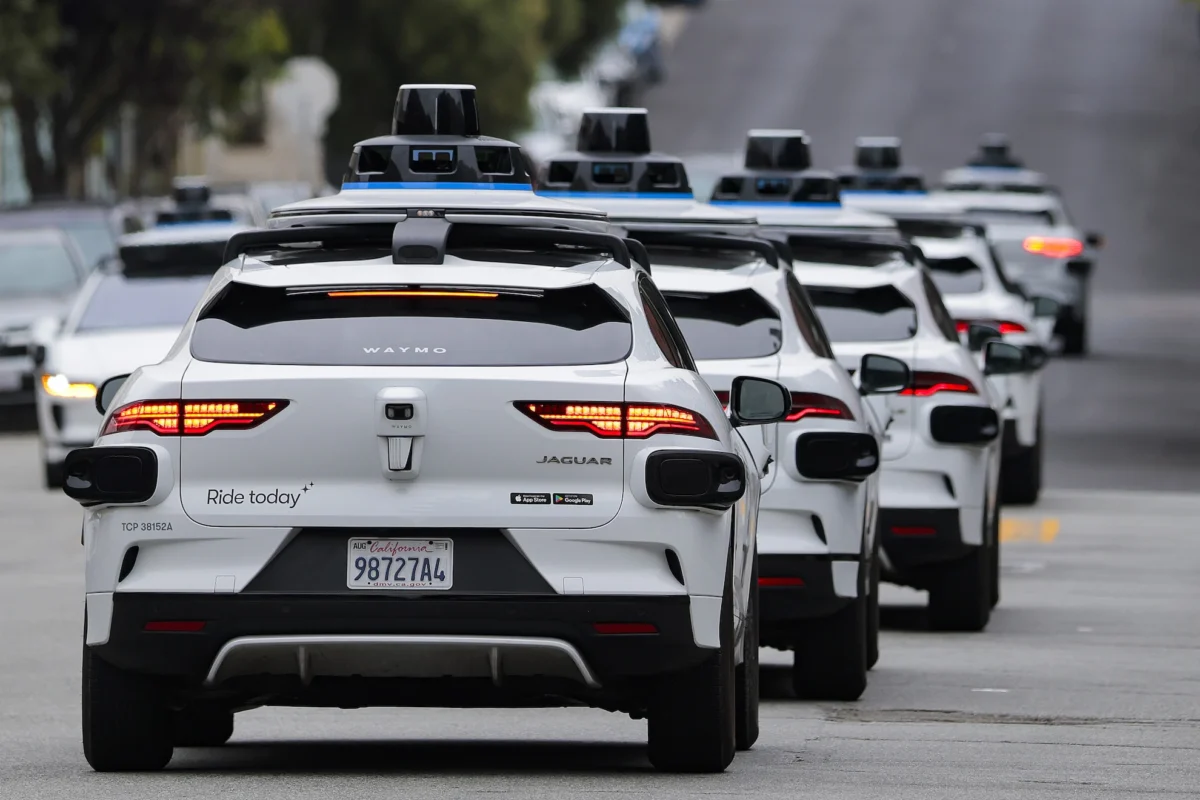
San Francisco’s streets, a complex testing ground for autonomous vehicle technology, once again witnessed a disruption in robotaxi services on July 18, 2026, when Waymo, the Alphabet-owned self-driving subsidiary, temporarily paused its operations. The interruption, which occurred around 12:30 PM PDT, was a direct consequence of a significant power outage that affected approximately 7,000 Pacific Gas and Electric Company (PG&E) customers across various districts of the city. While service was swiftly restored, the incident reignited ongoing debates regarding the resilience of autonomous vehicles (AVs) in the face of infrastructure failures and intensified calls from city officials for more robust state-level regulations governing their operation.
The Incident: A Brief Interruption, Lingering Questions
The mid-day power outage struck without immediate public cause, plunging several neighborhoods into darkness and impacting critical urban infrastructure. For Waymo, whose autonomous vehicles navigate San Francisco’s intricate street grid using a sophisticated array of sensors, AI, and real-time data, such an event necessitated an immediate and cautious response. According to notifications shared by Waymo with its customers, the robotaxi service was "temporarily paused," with a specific advisory that "freeway routes are unavailable." This strategic decision underscores the inherent vulnerabilities of highly connected and data-dependent systems like autonomous vehicles to disruptions in essential utilities.
Upon inquiry from TechCrunch, a Waymo spokesperson initially stated, "We are making temporary adjustments to our service while we monitor local conditions. We know riders depend on us, and we will return to normal operations as soon as possible." This preliminary statement highlighted the company’s immediate priority: assessing the scope of the outage and ensuring the safety of its fleet and potential passengers. Following the initial report, a subsequent update from Waymo provided more detail, clarifying that the company "decided to pause service for approx. one hour to assess the scale of the power outage affecting a large portion of San Francisco and coordinate with local officials." This coordinated response is crucial for AV operators, as seamless integration with city emergency services and infrastructure management is paramount during widespread disruptions. Ultimately, Waymo’s robotaxi service was able to resume full operations shortly after the power situation stabilized and assessments confirmed safe operating conditions.
Chronology of a Disruption
The events of July 18, 2026, unfolded rapidly, showcasing both the swift impact of infrastructure failures on advanced technology and the equally swift response mechanisms in place.
- Pre-12:30 PM PDT: A power outage begins affecting multiple districts in San Francisco, impacting an estimated 7,000 PG&E customers. The cause, while not immediately specified, likely involved a localized equipment failure or unforeseen event within the extensive PG&E network.
- Approximately 12:30 PM PDT: Waymo’s operational center detects the widespread power disruption. Recognizing the potential for compromised navigation systems, communication networks, and the general urban environment, the company initiates a temporary service pause.
- Immediate Aftermath: Waymo’s in-app communication system alerts customers to the service interruption, specifically noting the unavailability of freeway routes, which often rely on consistent infrastructure and clear visibility that might be compromised during an outage.
- Waymo’s Initial Response: The company releases a statement acknowledging the "temporary adjustments" and the ongoing monitoring of "local conditions," emphasizing a commitment to resuming normal operations swiftly.
- Coordination and Assessment: Over the subsequent hour, Waymo’s teams work to understand the full extent of the outage, its geographical spread, and its potential impact on sensor performance, connectivity, and the safety of its operational domain. This period likely involved internal data analysis and, crucially, coordination with San Francisco’s emergency services and PG&E to ascertain the stability of the grid.
- Service Resumption: After approximately one hour of assessment and coordination, and as power began to be restored in affected areas, Waymo announced the resumption of its robotaxi services, signaling a return to normal operations for its fleet.
This sequence highlights the critical decision-making processes inherent in managing a fleet of autonomous vehicles in dynamic urban environments, especially when confronted with external systemic failures.
Waymo’s San Francisco Presence: A Hub of Innovation and Challenge
San Francisco has been a pivotal proving ground for Waymo, representing one of the most challenging and complex urban environments for autonomous driving. The city’s dense population, intricate street layouts, diverse weather conditions, and active pedestrian and cycling culture push the boundaries of AV technology. Waymo has been progressively expanding its service area and operational hours, aiming to provide a reliable and accessible mobility option for residents and visitors.
The regulatory environment in California, overseen primarily by the California Public Utilities Commission (CPUC) and the Department of Motor Vehicles (DMV), has allowed for the commercial deployment of robotaxis. However, this deployment has not been without significant public and governmental scrutiny. While proponents laud the potential for increased safety, reduced congestion, and improved accessibility, critics frequently point to operational glitches and interference with emergency services as reasons for heightened caution. Waymo’s operations, alongside those of other AV companies, are under constant observation, with every incident contributing to the ongoing evaluation of their safety and reliability.
A Pattern of Disruption: Past Incidents Fueling Regulatory Demands
The July 18 power outage was not an isolated incident for Waymo or the autonomous vehicle industry in San Francisco. The city has unfortunately witnessed several high-profile instances where AVs have struggled or failed to operate seamlessly during broader urban disruptions, leading to escalating concerns from city officials and the public.

One notable event occurred in December of the previous year (2025), when a city-wide blackout caused a significant number of Waymo vehicles to stall on San Francisco streets. This incident created unexpected obstacles for emergency responders and exacerbated traffic congestion in areas already grappling with the effects of the power loss. The inability of the AVs to safely clear the roadways without human intervention highlighted a critical gap in their operational resilience.
Another significant incident unfolded on the Fourth of July, during a major fireworks display near the Golden Gate Bridge. Amidst the celebratory chaos and surge in traffic, a similar incident involving Waymo vehicles reportedly paralyzed traffic, creating bottlenecks and posing challenges for crowd control and emergency access. While the exact cause was linked to the unusual traffic patterns and potential GPS signal interference common during large public gatherings, the outcome was consistent: AVs struggling to adapt to abnormal urban conditions.
These recurring incidents have provided ammunition for San Francisco Mayor Daniel Lurie, who has emerged as a vocal proponent for more stringent state regulations. Following the Waymo traffic fiasco on the Fourth of July, Mayor Lurie explicitly called for "tougher state regulations" to "adequately address how autonomous vehicles operate during major incidents, planned or not." His concerns, shared by other city departments like the San Francisco Fire Department (SFFD) and the Police Department (SFPD), center on public safety, the unimpeded movement of emergency vehicles, and the prevention of widespread traffic gridlock caused by AVs that are unable to navigate unforeseen circumstances. The city’s stance reflects a growing impatience with what they perceive as a reactive rather than proactive approach to AV oversight.
Supporting Data and Broader Implications
Power outages, while often localized, can have cascading effects on modern urban infrastructure. Data from PG&E indicates that San Francisco, like many major cities, experiences a significant number of outages annually, ranging from minor flickers to extensive blackouts caused by weather, equipment failure, or even unexpected events like excavation damage. Each outage tests the resilience of everything from traffic signals to communication networks. For autonomous vehicles, which rely heavily on an uninterrupted flow of data, stable GPS signals, and consistent access to high-bandwidth communication, such disruptions pose fundamental challenges.
The incidents involving Waymo underscore several critical implications for the autonomous vehicle industry and urban planning:
- Dependency on Robust Infrastructure: AVs are not entirely autonomous; they are deeply integrated into and dependent on existing urban infrastructure. Power outages, network failures, or even widespread GPS jamming can severely compromise their ability to perceive, plan, and execute movements safely. This highlights the need for significant investment in "smart city" infrastructure that is resilient to such disruptions, including redundant power sources, robust 5G networks, and alternative navigation systems.
- Operational Redundancy and Failsafes: The incidents prompt questions about the current level of operational redundancy and failsafe mechanisms within AV systems. While Waymo’s decision to pause service is a safety-first approach, the ability of vehicles to safely clear roads or navigate to designated safe zones during a system-wide failure is paramount. This may involve enhanced on-board processing for offline mapping, more sophisticated battery backup systems, and improved capabilities for human remote assistance or intervention when connectivity is lost.
- Regulatory Harmonization: The ongoing tension between state-level regulatory bodies (CPUC, DMV) and local municipalities (San Francisco) is a significant hurdle. Local governments argue that they bear the brunt of operational failures and thus need more authority over AV deployment and emergency protocols. The current framework often leads to fragmented oversight, where local concerns are not adequately addressed at the state level. The mayor’s call for tougher state regulations is an attempt to bridge this gap, pushing for a unified and comprehensive approach to AV safety and operational standards during emergencies.
- Public Perception and Trust: Each incident, regardless of its severity, erodes public trust in autonomous technology. For AVs to achieve widespread adoption, the public needs to be confident in their safety and reliability, especially during unforeseen circumstances. Repeated disruptions or instances where AVs impede emergency services can foster skepticism and resistance, hindering the long-term growth and acceptance of the technology.
- Interoperability with Emergency Services: The challenge of AVs interfering with emergency responders is a critical concern. Future regulations and technological developments must ensure that AVs can detect and appropriately respond to emergency vehicles, and crucially, that they can be remotely moved or overridden by emergency personnel if necessary. Protocols for communication and coordination between AV operators and city emergency services during crises need to be robust and frequently tested.
Official Responses and the Path Forward
Waymo, as a leader in the autonomous driving space, consistently emphasizes its commitment to safety and continuous improvement. Their statements following the July 18 incident reflect a standard protocol of assessment, coordination, and swift restoration of service. However, the recurring nature of these incidents places increased pressure on the company to demonstrate not just the capability of its technology in ideal conditions, but its resilience in adverse ones. This includes developing more robust systems for operating in degraded environments or, at minimum, for safely disengaging and moving out of the way when conditions become untenable.
PG&E, responsible for the city’s power infrastructure, typically responds to outages by deploying crews to identify the cause, make necessary repairs, and restore power as quickly as possible. While the immediate cause of the July 18 outage was not widely publicized, such incidents highlight the vital role of a stable and modern energy grid in supporting advanced technological services.
The most forceful response continues to come from San Francisco city officials. Mayor Lurie’s consistent advocacy for stronger state oversight signals a growing determination to ensure that the rapid advancement of autonomous technology does not compromise urban safety or functionality. This includes advocating for specific regulations that mandate how AVs behave during power outages, communication failures, or large-scale public events, and potentially requiring AV operators to invest in infrastructure improvements or contingency plans that benefit the broader public good.
Conclusion: A Balancing Act Between Innovation and Resilience
The temporary pause of Waymo’s robotaxi service in San Francisco on July 18, 2026, due to a power outage serves as a potent reminder of the intricate relationship between cutting-edge autonomous technology and the foundational urban infrastructure it relies upon. While Waymo’s swift resumption of service demonstrated its operational agility, the incident, set against a backdrop of previous disruptions, reinforces the urgent need for enhanced resilience in autonomous systems and clearer regulatory frameworks.
As autonomous vehicles become increasingly integrated into the fabric of smart cities, the industry faces the critical challenge of proving their reliability not just in everyday operations, but also during unforeseen crises. This demands not only continued technological innovation but also a collaborative effort between AV developers, infrastructure providers, and regulatory bodies to establish robust protocols, build resilient systems, and foster public trust. The ongoing dialogue in San Francisco between tech innovators and city governance will undoubtedly shape the future trajectory of autonomous mobility, emphasizing that the path to widespread adoption must be paved with uncompromising safety, unwavering reliability, and seamless integration with the dynamic realities of urban life.