New York Governor Kathy Hochul has enacted a landmark executive order establishing a one-year moratorium on the development of new large-scale data centers across the state. This move, announced Tuesday, represents the first statewide suspension of its kind in the United States, signaling a significant shift in how state governments balance the rapid expansion of the digital economy with the preservation of energy resources and utility affordability. The executive order comes as technology giants continue to pour billions into infrastructure to support the burgeoning demands of artificial intelligence (AI), placing unprecedented strain on aging power grids and local water supplies.
Under the terms of the order, the New York State Department of Public Service (DPS) is prohibited from issuing new permits for "hyperscale" data centers for a period of twelve months. During this hiatus, the agency is tasked with conducting a comprehensive environmental and economic impact study. The primary objective of this assessment is to determine how these massive facilities affect the state’s electricity prices, grid stability, and carbon reduction goals. Governor Hochul’s administration has also signaled that the state will explore new regulatory frameworks to require data centers to either contribute more significantly to the cost of energy infrastructure or provide their own independent power sources.
The Motivation Behind the Moratorium
The decision to halt data center expansion is rooted in growing alarm over the "energy-intensive" nature of modern computing. Large-scale data centers, which house thousands of servers running around the clock, consume vast amounts of electricity. According to the International Energy Agency (IEA), data centers currently account for approximately 1% to 1.5% of global electricity use, but that figure is projected to skyrocket as generative AI models—which require significantly more processing power than traditional search engines—become more prevalent.
In New York, the concern is twofold: the impact on the state’s Climate Leadership and Community Protection Act (CLCPA) goals and the direct financial burden on residential consumers. The CLCPA mandates that New York achieve 70% renewable energy by 2030 and a zero-emission power grid by 2040. The sudden influx of high-demand data centers threatens to outpace the state’s development of wind and solar energy, potentially forcing the state to rely longer on fossil-fuel-burning peaker plants.
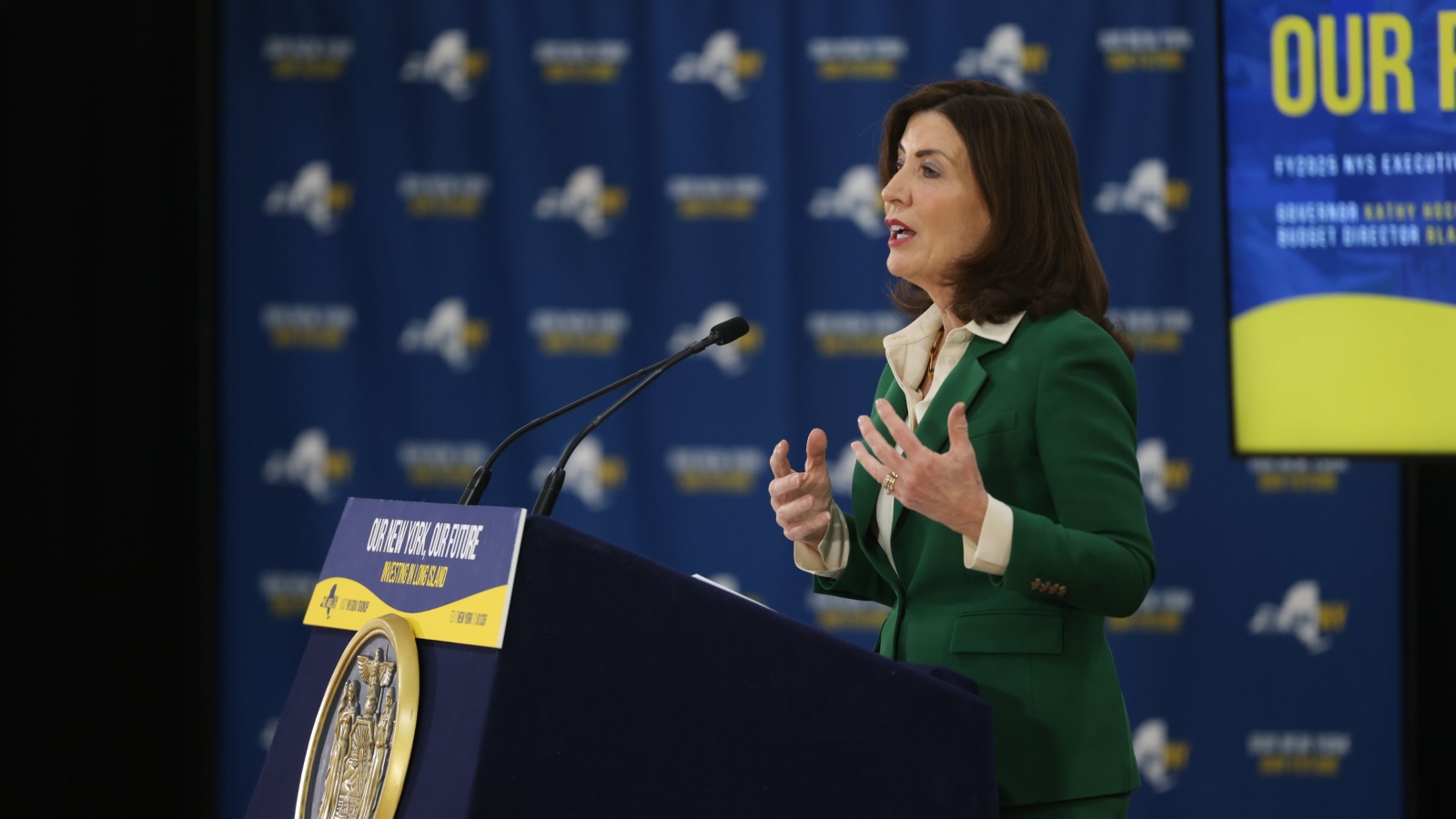
"As data center development threatens to hike up utility bills, deplete our natural resources, and create uncertainty for New Yorkers, it’s my responsibility to take action and lead," Governor Hochul stated. The administration’s focus is on ensuring that the tech industry’s growth does not come at the expense of the average New Yorker’s ability to afford basic utilities.
A Growing National Conflict
New York’s moratorium arrives as several other states grapple with similar dilemmas. In Maine, Governor Janet Mills recently vetoed a legislative attempt to impose a statewide ban on data centers, citing concerns that such a move could stifle economic growth and innovation. However, in regions like Northern Virginia—home to "Data Center Alley"—local residents and environmental groups have become increasingly vocal in their opposition to new projects, citing noise pollution, the visual impact of massive industrial buildings, and the diversion of renewable energy away from residential use.
The New York order is unique because it bypasses the legislative process to take immediate executive action. While the state legislature passed its own version of a data center moratorium (Bill S10642) last month, Hochul has yet to sign that specific piece of legislation. Her executive order provides a more controlled, time-bound approach that allows the executive branch to lead the research phase while maintaining a dialogue with the tech sector.
Chronology of the Data Center Surge
The path to this moratorium has been paved by a decade of rapid digital transformation, accelerated by the COVID-19 pandemic and the 2023-2024 AI boom.
- 2018–2021: Tech companies like Amazon, Google, and Microsoft began expanding their footprint in New York, lured by tax incentives and the state’s proximity to financial hubs.
- Early 2023: The launch of advanced generative AI models led to a global "arms race" for GPU-heavy data centers. New York saw a spike in permit applications for large-scale facilities in the Hudson Valley and Western New York regions.
- Late 2023: Local municipalities began reporting concerns regarding "grid congestion." In some areas, the proposed energy demand from a single data center exceeded the total consumption of the surrounding county.
- April 2024: Maine’s governor vetoed a statewide ban, setting a precedent that New York lawmakers closely observed.
- June 2024: The New York State Legislature passed Bill S10642, seeking a moratorium on data centers that utilize fossil-fuel-based energy.
- July 2024: Governor Hochul issued the executive order, establishing the nation’s first comprehensive statewide pause on all large-scale data center permits.
Infrastructure and Economic Safeguards
Beyond the environmental study, the Governor’s order includes several directives aimed at protecting local communities. The New York State Urban Development Corporation, doing business as Empire State Development, has been ordered to create a new "Community Negotiation Framework." This tool is intended to help local governments secure better terms when negotiating with multi-billion-dollar tech firms.
The framework will focus on several key pillars:
- Grid Investment: Requiring companies to pay for the upgrades to transformers and transmission lines necessitated by their presence.
- Labor Standards: Ensuring that data center construction and operation provide high-paying, unionized jobs for local residents.
- Social Infrastructure: Encouraging tech companies to invest in community benefits such as child care facilities, public parks, or direct financial support for local school districts.
- Clean Energy Contributions: Establishing a dedicated fund where data centers must contribute capital to help the state expand its renewable energy portfolio.
Furthermore, Governor Hochul has called on the state legislature to repeal existing sales tax exemptions for large-scale data centers. Currently, many of these facilities benefit from millions of dollars in tax breaks intended to spur job creation—incentives that critics argue are no longer necessary given the industry’s profitability and the relatively low number of permanent jobs created once a data center is operational.
Technical Implications: Water and Power
A significant portion of the DPS analysis will focus on the "water-energy nexus." Data centers require massive amounts of water for cooling systems to prevent servers from overheating. In some configurations, a large data center can consume millions of gallons of water per day, often competing with agricultural or municipal needs.
The environmental analysis will look into "closed-loop" cooling technologies and air-cooling alternatives, potentially making these technologies a requirement for any future permits issued after the moratorium expires. The state will also evaluate the feasibility of "behind-the-meter" power generation, where data centers build their own dedicated solar or nuclear small modular reactors (SMRs) to avoid drawing from the public grid.
Industry and Stakeholder Reactions
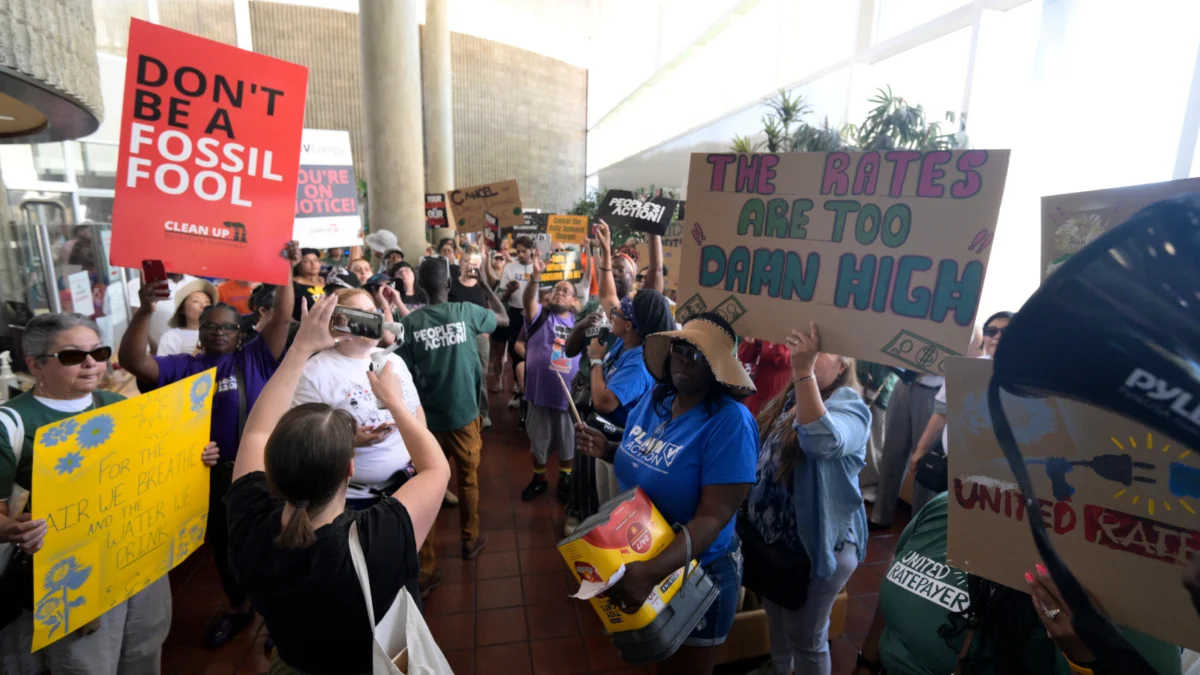
The reaction to the moratorium has been polarized. Environmental advocacy groups have largely praised the move as a necessary safeguard. "We cannot allow the tech industry’s thirst for power to derail our climate goals or drive New Yorkers into energy poverty," said a spokesperson for a leading environmental non-profit.
Conversely, representatives from the technology and construction sectors have expressed concern that the pause could drive investment to neighboring states like New Jersey or Pennsylvania. Industry analysts suggest that while a one-year pause is manageable, any extension could lead to a permanent loss of digital infrastructure investment, which is vital for New York’s ambition to remain a global leader in finance and technology.
Utility companies have taken a more neutral stance, acknowledging the strain on the grid while emphasizing the need for clear regulatory guidance. The New York Independent System Operator (NYISO) has previously warned that the state’s "reliability margins" are shrinking, and a coordinated approach to high-load consumers is essential to preventing brownouts or blackouts during peak summer months.
Analysis of Long-Term Implications
The New York moratorium is likely to serve as a bellwether for other states. If the DPS study finds that data centers are indeed a primary driver of rising utility costs, it could lead to a permanent tiered-pricing system where industrial-scale computing operations pay significantly higher rates than residential consumers.
Furthermore, this move highlights a growing tension in modern governance: the conflict between the desire for technological progress and the physical limits of infrastructure. As AI becomes integrated into every facet of the economy, the physical "clouds" that power it must land somewhere. New York’s decision asserts that the right to host that infrastructure is not absolute and must be balanced against the public good.
As the one-year clock begins, all eyes will be on the Department of Public Service. Their findings will not only shape the future of the tech industry in New York but may also provide the blueprint for a national regulatory standard for the data center era. For now, the "pause" button has been hit, forcing a moment of reflection in the middle of a high-speed digital revolution.