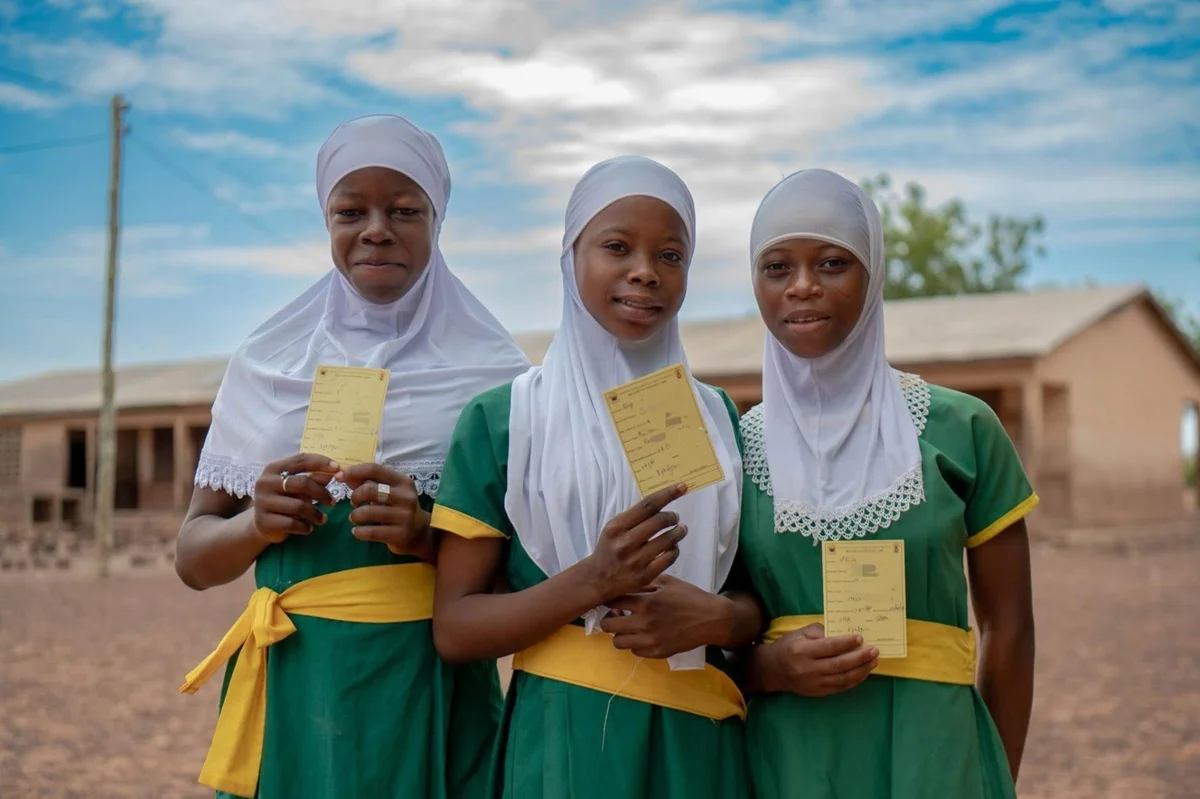
In 2025, 90% of infants globally – or nearly 116 million – received at least one dose of a diphtheria, tetanus, and pertussis (DTP) vaccine, and 85% – or 110 million – completed the full three-dose series, according to the annual WHO-UNICEF Estimates of National Immunization Coverage (WUENIC) released today. While both indicators rose by one percentage point from the previous year, global coverage remains one point below 2019 levels, hovering within the same narrow range since 2009.
The latest WUENIC report, a comprehensive annual assessment of global immunization trends, paints a complex picture of progress and persistent challenges in child vaccination. Despite a welcome rebound in global coverage rates following the significant disruptions caused by the COVID-19 pandemic, millions of children continue to miss out on essential life-saving vaccines. This underscores the urgent need for renewed commitment and targeted interventions to reach every child, regardless of their circumstances.
The Persistent Challenge of "Zero-Dose" Children and Dropouts
The WUENIC data reveals an estimated 13.5 million "zero-dose" children who did not receive a single vaccine in their first year during 2025. While this figure represents a reduction of nearly 750,000 children compared to the previous year, this positive trend is significantly offset by a rising number of children who initiate the vaccination schedule but do not complete it. The majority of these children reside in countries supported by Gavi, the Vaccine Alliance, highlighting the critical role of this partnership in global immunization efforts and the vulnerabilities within these programs.
Further compounding the issue, a staggering 7.3 million infants globally are estimated to have received their first DTP dose but dropped out before receiving their first measles dose. This high drop-out rate has contributed to stalled measles coverage, with only 84% of children receiving the first measles dose (MCV1) and 77% receiving the second dose (MCV2). These figures fall considerably short of the 95% threshold recommended by health authorities to prevent outbreaks of this highly contagious and potentially deadly virus. The consequences are stark: 57 countries reported large or disruptive measles outbreaks in 2025, a clear indicator of the growing vulnerability of unvaccinated populations.
A Post-Pandemic Bounce-Back Tempered by Underlying Weaknesses
"Governments and health workers have helped global vaccination rates bounce back after dropping significantly during the COVID-19 pandemic," stated UNICEF Executive Director Catherine Russell. "But millions of vulnerable children are still being left unprotected due to conflict, displacement, and poverty. We must reach every child, and we must rebuild trust where it is fraying. No child should suffer from a disease that a simple vaccine can prevent."
The report indicates that 100 countries have managed to maintain at least 90% coverage with the full three-dose DTP vaccine series since 2019, a testament to the resilience of some national immunization programs. However, progress in expanding this group of high-coverage countries has been slow. Of the countries that were below 90% coverage in 2019, only 30 have improved their rates over the past six years. A concerning 65 countries are either stagnating or falling behind, a group that includes 13 fragile, conflict-affected, or vulnerable countries (FCV).
Regional Disparities and the Shadow of Conflict
Geographically, the Americas and South-East Asia regions have demonstrated a full recovery and improvement in their immunization performance compared to their pre-pandemic 2019 baselines, with South-East Asia now emerging as the highest-performing region. While Africa, the Eastern Mediterranean, and Europe regions saw gains in coverage last year, their immunization rates still remain below pre-COVID-19 pandemic levels. In contrast, the Western Pacific region experienced a decline, positioning it as the region furthest below its 2019 baseline.
Beneath these global and regional averages lie persistent threats that contribute to significant variability and volatility in country-level vaccination coverage. Fragile, conflict-affected, and vulnerable settings disproportionately bear the brunt of immunization gaps. More than half of all zero-dose children reside in these FCV settings, despite these countries accounting for only about a third of the world’s child population. In these environments, immunization programs are frequently undermined by political instability, ongoing insecurity, or chronic underfunding. The report cites Syria as an example, where in a single year, the country lost 6 percentage points in DTP1 coverage and 12 percentage points in MCV1 coverage due to conflict. However, the report also highlights remarkable progress, with Sudan recording the largest single-country gain globally last year, boosting DTP1 coverage by 35 percentage points and MCV1 coverage by 22 percentage points. This significant improvement underscores the profound impact that enhanced access to services can have, even amidst challenging circumstances.
Middle-Income Countries Face New Hurdles
Even in middle- and high-income countries where vaccines are readily accessible, coverage rates are showing a worrying decline. This trend is attributed to shifting political commitments, structural challenges within health systems, and, in some cases, rising vaccine hesitancy. South Africa, for instance, has seen its DTP1 coverage fall by 20 percentage points since 2019, with a continued decline observed in 2025. Similarly, Bosnia and Herzegovina, after achieving the largest increase in MCV1 coverage in its region in 2024, experienced a significant 23-point drop in the past year. These instances suggest that complacency and systemic issues can erode hard-won immunization gains.
The Invaluable Role of Immunization
"Every child, whether born into wealth or poverty, peace or conflict, deserves the lifegiving protection that vaccines provide. Immunization is one of the most cost-effective, most equitable, and most reliable interventions for protecting children’s health and well-being," emphasized Dr. Tedros Adhanom Ghebreyesus, WHO Director-General. "Our greatest security begins with ensuring that everyone, wherever they may live, is protected from deadly diseases that vaccines have the power to prevent."
Over the past quarter-century, sustained investments from governments and partners, coupled with strong community engagement and robust public trust, have led to a 40% reduction in the annual number of zero-dose children. Countries supported by Gavi, the Vaccine Alliance, have seen children benefit from protection against an expanding range of diseases, with average coverage across a full course of WHO-recommended vaccines reaching 74% today.
"The historic levels of immunization that we are seeing across lower-income countries shows what can be achieved when all stakeholders work together towards a shared objective," said Dr. Sania Nishtar, CEO of Gavi, the Vaccine Alliance. "As Gavi heads into a new five-year period, our great challenge now will be to maintain this momentum in the face of funding constraints, geopolitical uncertainty, and increasing outbreaks – while working harder to reach those children that still do not have access to immunization."
Strained Data Systems and Future Funding Concerns
Despite the positive signs of recovery in immunization coverage, the foundations that have enabled past progress are now under significant strain. The full impact of international health financing cuts announced over the past two years is not yet reflected in the current WUENIC estimates. However, the data systems crucial for monitoring these impacts and preventing backsliding are already showing signs of weakness. The report highlights a sharp decline in the number of national immunization surveys undertaken and submitted, with only 18 completed for this round, a significant drop from 50 in 2024 and an average of 33 per year between 2015 and 2019. This weakening of investments in data systems, essential for identifying and reaching unvaccinated children, poses a serious risk of preventable outbreaks and deaths.
WHO and UNICEF, in collaboration with Gavi, the Vaccine Alliance, and other partners, are actively working to advance the global Immunization Agenda 2030 (IA2030) goal. This initiative aims to ensure that vaccines reach everyone, everywhere, at every age. However, the current trajectory indicates that the world is falling further off track to achieve the global target of reducing the number of zero-dose children.
A Call to Action for Renewed Commitment
To enact the necessary course correction and bridge the critical immunization gaps, WHO and UNICEF are issuing a strong call to governments and relevant partners. The agencies urge a renewed focus on strengthening primary health care systems, investing in robust data and monitoring mechanisms, and addressing the multifaceted drivers of vaccine inequity, including conflict, poverty, and misinformation. Specific recommendations are expected to be detailed in forthcoming policy briefs and global health forums, emphasizing a united front to safeguard child health worldwide.
About the WUENIC Estimates:
The WHO and UNICEF Estimates of National Immunization Coverage (WUENIC) provide the world’s most extensive and comprehensive dataset on immunization trends for vaccines administered through routine health systems. Based on country-reported data from 185 countries for 2025, these estimates cover vaccinations against 13 diseases typically delivered at clinics, community centers, outreach services, or through health worker visits. WUENIC estimates are revised annually as new country data become available, and figures in this release should not be directly compared against previous years’ published reports due to ongoing data revisions.
About the Immunization Agenda 2030 (IA2030):
The IA2030 is a global strategy developed by WHO, UNICEF, Gavi, and other partners. It aims to achieve ambitious goals for preventing diseases through immunization, ensuring equitable access to vaccines for everyone, everywhere, and at every age.
About UNICEF:
UNICEF, the United Nations agency dedicated to children, works tirelessly to protect the rights of every child, especially the most disadvantaged and those in the most challenging environments. Operating in over 190 countries and territories, UNICEF is committed to ensuring children survive, thrive, and reach their full potential.
About WHO:
The World Health Organization (WHO) is the United Nations agency focused on global health. Guided by science and dedicated to the well-being of all people, WHO leads and champions international efforts to ensure everyone, everywhere has an equal opportunity for a safe and healthy life. With a presence in over 150 locations, WHO is at the forefront of responding to health emergencies, preventing diseases, addressing the root causes of health issues, and expanding access to essential medicines and healthcare. Its mission is to support all countries in promoting, providing, and protecting health.