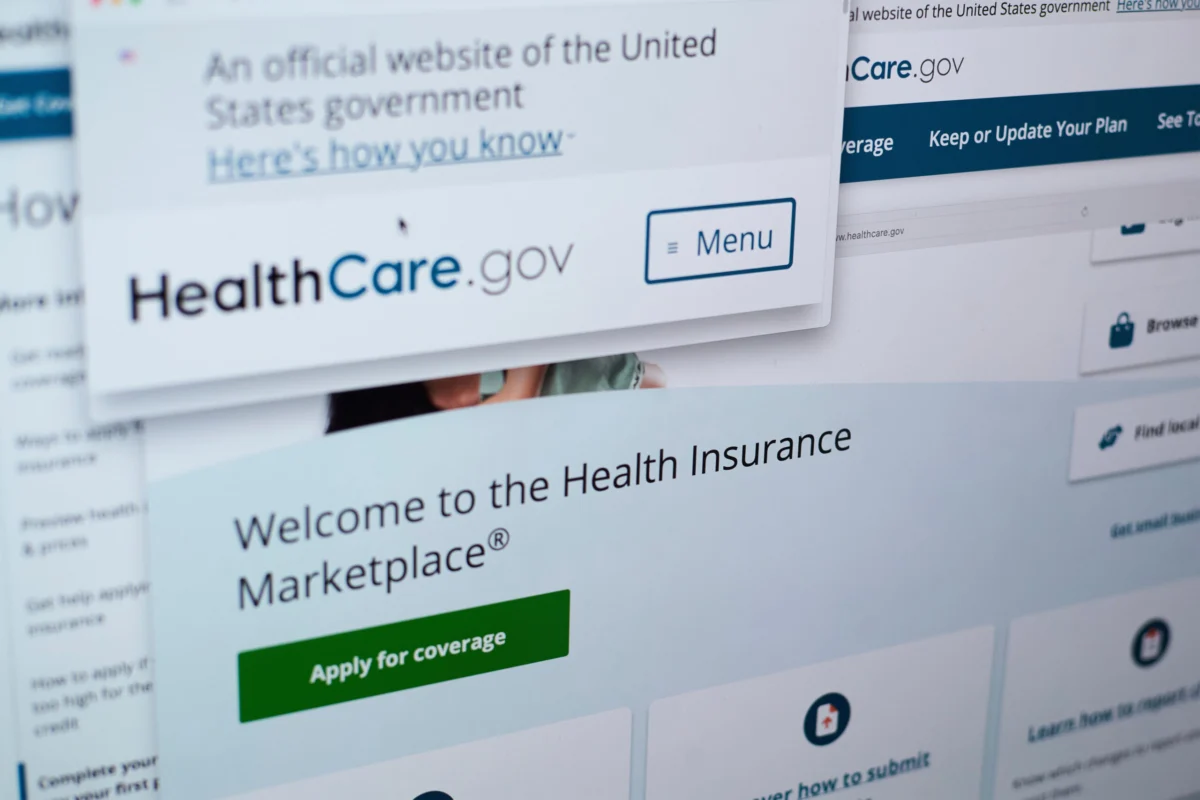
Open enrollment for Affordable Care Act (ACA) health insurance plans is officially underway, bringing a complex web of regulatory changes, heightened verification protocols, and continued financial pressures for millions of Americans. As consumers across the country log on to healthcare exchanges or meet with insurance brokers, they face a marketplace transformed by stricter federal oversight aimed at curbing fraud, lingering adjustments from the expiration of enhanced subsidies, and a fresh wave of double-digit premium increases.
The standard open enrollment period for 2027 coverage runs from November 1, 2026, through January 15, 2027, across the majority of the United States. However, consumers in select state-run marketplaces—such as Idaho, Connecticut, and Massachusetts—operate under distinct timelines, with several jurisdictions offering early window-shopping tools to allow enrollees to preview rates and plan options ahead of the official kickoff.
Despite these familiar seasonal rhythms, the broader landscape of the ACA marketplace has shifted dramatically. Policy experts project a continued contraction in overall enrollment figures, driven primarily by the expiration of enhanced financial subsidies at the end of 2025. The rollback of those temporary federal boosts has increased out-of-pocket costs for millions, prompting a segment of the population to scale back coverage or drop out of the marketplace entirely. Conversely, the Trump administration has pointed to the falling enrollment numbers as a validation of aggressive fraud-reduction initiatives, citing the cancellation of policies for roughly 760,000 enrollees flagged for improper or unauthorized sign-ups earlier this year, though a small fraction of those individuals have successfully navigated appeals to regain coverage.
Enhanced Identity Verification and Strict Agent Protocols
One of the most consequential changes facing consumers this year involves unprecedented levels of scrutiny regarding consumer identities and broker authorizations. Designed to combat unauthorized policy switches and fraudulent enrollments, the new rules enacted by the Centers for Medicare & Medicaid Services (CMS) introduce significant friction into the application process, particularly for individuals utilizing agents or brokers within the federal marketplace, which serves 29 states. State-based exchanges, which operate under independent regulatory frameworks, have generally reported lower rates of fraudulent activity and maintain separate compliance procedures.
Under the updated federal guidelines, any consumer working with an agent or broker must authenticate that representation through a one-time confirmation code or secure link. This authorization token is delivered via text message, email, or an automated phone call originating from the private enrollment platforms utilized by the broker. Returning consumers who have outdated or inaccurate contact details on file with the federal exchange must update their information via Healthcare.gov or by calling marketplace customer service before they can proceed.
Furthermore, CMS has established a strict "high-risk" classification framework that requires targeted individuals to undergo rigorous identity-proofing protocols before authorizing an agent. Consumers categorized as high-risk include first-time applicants, existing policyholders whose applications involve an interstate move, individuals partnering with a new or unfamiliar broker, and accounts with monthly premium obligations of $30 or less.
Industry professionals note that the focus on low-premium plans stems from vulnerabilities exploited by bad actors. Policies with minimal or zero monthly costs are frequently targeted by rogue agents who execute unauthorized enrollments without the consumer’s knowledge. In some instances, unscrupulous agents pay the nominal monthly premium out of pocket to secure lucrative commission payouts, leaving the policyholder entirely unaware until they attempt to utilize medical services.
While regulatory bodies defend the measures as essential consumer protection, insurance advocates warn of unintended consequences. Representatives from brokerage associations caution that up to one in five consumers could find themselves trapped in complex identity-verification loops, potentially abandoning the enrollment process altogether out of frustration. High-risk consumers must verify their identities through CMS-approved third-party credit bureaus like Experian, answering highly specific security questions. Those who fail this digital verification must either contact help desks or manually upload identification documents—such as a driver’s license, passport, or immigration paperwork—directly to a Healthcare.gov account.
Analysts point out that these requirements pose distinct hurdles for vulnerable populations. Individuals lacking established credit files, those who have recently relocated, or people who have undergone legal name changes frequently trigger verification failures, even when their applications are entirely legitimate.
The Broker Moratorium and Legal Battles
Compounding the administrative hurdles for consumers is a sweeping regulatory restriction targeting the insurance workforce itself. In September, CMS instituted a strict moratorium barring new agents and brokers from registering to sell ACA coverage for the 2027 plan year unless they were actively registered with the federal marketplace during 2026. Consequently, newly licensed professionals are locked out of assisting consumers until February at the earliest, missing the entirety of the open enrollment window.
CMS justified the moratorium by noting that a disproportionate share of compliance violations and consumer complaints during the previous year stemmed from newly registered intermediaries. The agency reported ejecting hundreds of non-compliant brokers over the past twelve months.
While established brokerage heads generally applaud efforts to purge bad actors from the system, many have criticized the blunt nature of the regulatory tool. Smaller agencies that traditionally scale up their staffing by hiring and training new brokers ahead of open enrollment have found themselves severely short-staffed. Industry leaders argue that the restriction inadvertently protects massive, centralized call centers—entities often linked to the aggressive marketing practices that regulatory authorities sought to curtail in the first place. Because large call centers maintain year-round operational footprints and permanent staffing levels, they are uniquely positioned to absorb the shock of the moratorium, unlike independent local agencies.
The directive has triggered immediate legal retaliation. Prominent industry groups, including the National Association of Benefits and Insurance Professionals (NABIP) and Health Agents for America, filed lawsuits against the administration in federal court. These legal challenges argue that the blanket ban unfairly penalizes thousands of newly minted, law-abiding agents who invested considerable time and capital into professional training, while depriving consumers of much-needed guidance.
Given the shrunken pool of available agents, consumer advocates strongly advise enrollees to secure appointments early. As the workforce contracts under regulatory pressure, remaining brokers are expected to reach maximum client capacity at an accelerated pace.
Cost Pressures, Subsidies, and Premium Trajectories
Financial affordability remains the single most pressing concern for marketplace participants. The permanent expiration of enhanced subsidies at the end of 2025 fundamentally altered the financial equation for ACA enrollees. While lower- and middle-income families continue to receive subsidies, the financial support is markedly less generous. The structure of these subsidies remains tied to the cost of local benchmark plans—specifically, the second-lowest-cost silver-tier option available in a given geographic region—which helps absorb some of the broader market shocks.
Nevertheless, premium growth continues to outpace general inflation. Although the average premium increase of approximately 15% for the upcoming year is lower than the staggering 26% spike recorded the previous year, it still represents a substantial financial burden. Insurers point to persistent macroeconomic pressures, including climbing healthcare service costs, general inflation, and widespread labor shortages within the medical sector, as the primary catalysts for rising premiums. Furthermore, underwriters factor in the risk that healthier consumers might exit the market in response to higher costs, leaving behind a risk pool with higher average medical needs.
Eligibility for ACA subsidies remains strictly income-based, with a hard cutoff for households earning more than 400% of the federal poverty guidelines. For the current open enrollment cycle, that threshold corresponds to $63,840 for an individual, $86,560 for a two-person household, and $109,280 for a family of three. Households hovering just above these income limits face severe affordability cliffs, forcing many to evaluate whether comprehensive health coverage fits within their household budgets.
Compounding these cost concerns, out-of-pocket maximum limits are scheduled to climb significantly. For 2027, the statutory cap on out-of-pocket expenses—which includes deductibles, copayments, and coinsurance—will rise by roughly 13%, reaching $12,000 for individual coverage and $24,000 for family plans. While reduced maximums remain available for lower-income households earning up to 2.5 times the federal poverty level, the rising caps mean consumers will absorb a greater share of medical expenses before their insurance policies begin covering 100% of in-network care.
Health policy analysts emphasize that consumers should exercise extreme caution regarding automatic policy renewals. Because insurance carriers routinely adjust provider networks, formularies, and premium rates year over year, allowing a plan to auto-renew without comparative analysis can lead to unexpected financial strain. Marketplace participants are strongly encouraged to log into exchange platforms, evaluate emerging insurer offerings, and review deductible structures alongside monthly premiums to identify optimal coverage alternatives. This review process has taken on added urgency as several major national carriers, including Cigna, have scaled back their geographical footprints or completely exited specific ACA marketplace service areas.
Legislative Shifts in Immigrant Eligibility
In addition to financial and verification hurdles, regulatory changes stemming from federal legislation enacted last year have restructured eligibility requirements for specific populations. The legislative changes stripped subsidy eligibility from numerous categories of lawfully present immigrants.
Under the updated rules, individuals holding temporary H-1B work visas, refugees, asylees, people with temporary protected status (TPS), and applicants with pending green-card applications are no longer eligible to receive financial assistance through the ACA marketplace. Subsidy eligibility is now restricted to three primary immigrant classifications: permanent legal residents (green-card holders), specific categories of Cuban and Haitian entrants, and citizens of Pacific Island nations covered under Compacts of Free Association, including Micronesia, the Marshall Islands, and Palau.
Outlook for the 2027 Coverage Year
As the open enrollment window progresses, the ACA marketplace stands at a critical crossroads. The convergence of stringent identity-checking mechanisms, broker workforce limitations, elevated out-of-pocket maximums, and the lingering financial adjustments following the rollback of enhanced subsidies creates a demanding environment for consumers. Insurance experts recommend early preparation, meticulous comparison of available plan designs, and proactive engagement with verified marketplace professionals to ensure continuity of care and financial protection throughout the 2027 coverage year.