In a landmark move that signals a significant shift in how states manage the rapid expansion of the digital economy, New York Governor Kathy Hochul issued an executive order on Tuesday establishing the nation’s first statewide moratorium on the construction of large-scale, hyperscale data centers. The executive order, effective immediately, imposes a one-year pause on new permits for these facilities as the state grapples with the escalating demands that artificial intelligence (AI) and cloud computing are placing on the regional power grid and consumer utility rates.
The decision arrives at a critical juncture for the technology sector. Driven by a global race to develop and deploy generative artificial intelligence, tech giants including Amazon, Google, and Microsoft have been investing hundreds of billions of dollars into massive computing hubs. However, the sheer scale of energy required to power these "digital factories" has begun to clash with state-level climate goals and the economic interests of residential energy consumers.
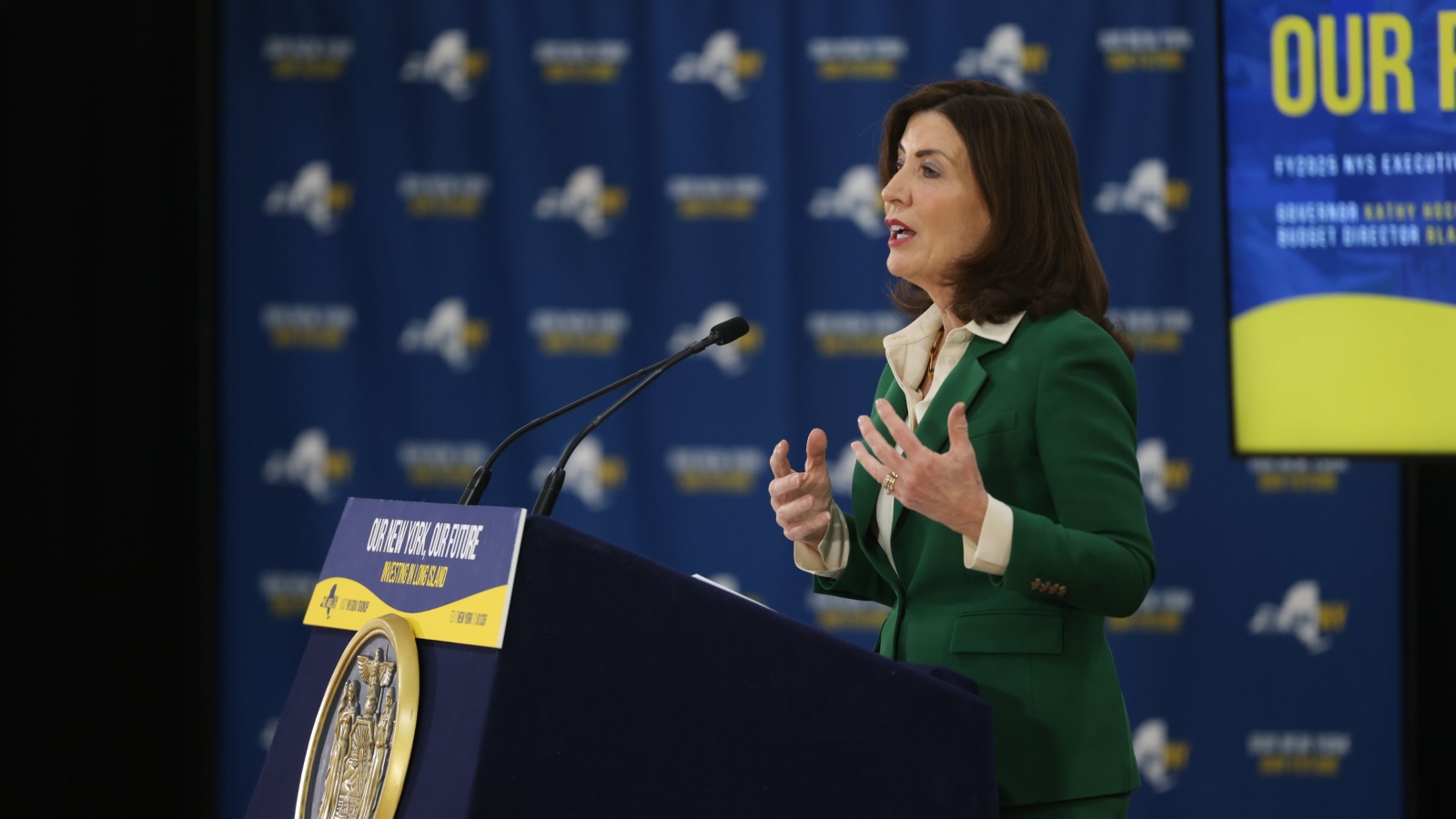
As data center development threatens to hike up utility bills, deplete our natural resources, and create uncertainty for New Yorkers, it’s my responsibility to take action and lead, Governor Hochul stated in an official release. The Governor emphasized that while New York remains open to technological innovation, such growth cannot come at the expense of the state’s energy security or its commitment to a green energy transition.
The Scope of the Executive Order and Agency Directives
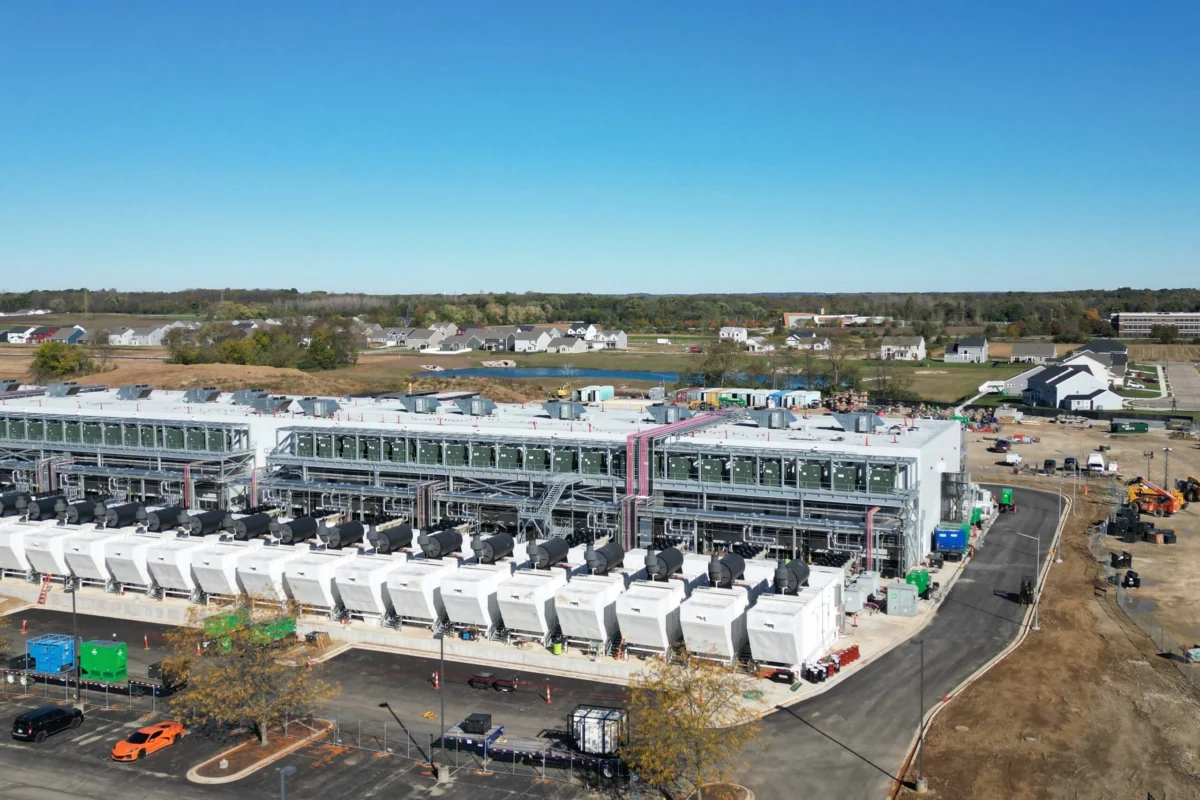
The executive order specifically targets "hyperscale" data centers—facilities that typically exceed several hundred thousand square feet and consume massive amounts of electricity, often equivalent to the power needs of small-to-mid-sized cities. Under the terms of the order, the New York State Department of Public Service (DPS) is prohibited from issuing new permits or approvals for these facilities for a period of 12 months.
During this hiatus, the DPS is tasked with conducting a comprehensive environmental and economic impact analysis. This study will focus on three primary areas:
- Grid Reliability: Assessing whether the current infrastructure can handle the projected load of new data centers without compromising service to residential and existing industrial customers.
- Utility Pricing: Determining the extent to which the high energy demand of data centers drives up wholesale electricity prices, which are ultimately passed on to New York households.
- Resource Consumption: Analyzing the impact on local water supplies, as many data centers require millions of gallons of water daily for cooling purposes.
Furthermore, Hochul’s order initiates a formal proceeding to reform how these facilities are billed. The administration is exploring a "pay-to-play" model where data centers would be required to either pay a premium for grid access or supply a significant portion of their own energy through behind-the-meter renewable sources, such as on-site solar arrays or battery storage systems.
A Growing Conflict: AI Ambitions vs. Energy Realities
The moratorium highlights a growing tension between the "AI Gold Rush" and the physical limitations of the American power grid. Data centers currently account for approximately 4% of total U.S. electricity consumption, a figure that the International Energy Agency (IEA) projects could double by 2026. In New York, the challenge is compounded by the state’s ambitious Climate Leadership and Community Protection Act (CLCPA), which mandates a zero-emission electricity sector by 2040.
The computing power required for a single AI query is estimated to be ten times greater than a standard Google search. This exponential increase in demand has led developers to seek out regions with stable power supplies and generous tax incentives. Upstate New York, with its historically lower energy costs and access to hydroelectric power from the Niagara River, has become a prime target for developers. However, state officials worry that the sudden influx of high-demand users could cannibalize the clean energy needed to decarbonize the state’s heating and transportation sectors.
Legislative Context and Chronology of the Ban
The Governor’s executive action follows a period of intense legislative maneuvering in Albany. In June 2026, the New York State Legislature passed a more restrictive data center moratorium bill (S10642), which sought to impose a three-year ban on facilities that did not use 100% renewable energy from day one.
While that bill remains on the Governor’s desk awaiting a signature or veto, Hochul’s executive order serves as a middle-ground approach. By choosing a one-year moratorium via executive action, the Governor maintains greater control over the regulatory process and allows state agencies to lead the fact-finding mission rather than relying solely on legislative mandates.
New York’s move also stands in contrast to recent actions in other states. Earlier this year, Maine Governor Janet Mills vetoed a similar statewide moratorium, citing concerns that it would stifle economic growth and push high-paying tech jobs to neighboring states. Conversely, in Virginia—home to "Data Center Alley"—local municipalities have begun implementing their own zoning restrictions as residents complain about noise, aesthetics, and rising taxes. New York’s action marks the first time a state executive has intervened at the scale of an entire state.
Economic Framework and Community Protections
Recognizing that data centers do provide some economic benefits, including construction jobs and property tax revenue, Governor Hochul directed the Empire State Development (ESD) agency to create a new "Community Negotiation Framework." This framework is intended to empower local municipalities when dealing with multi-billion-dollar tech corporations.
The framework will require developers to offer "tangible community benefits" in exchange for operating in New York. These benefits may include:
- Infrastructure Improvements: Direct funding for local road, sewer, and electrical upgrades.
- Child Care Investments: Subsidies or the construction of facilities to support the local workforce.
- Labor Standards: Requirements for prevailing wages and the use of project labor agreements during construction.
- Grid Contribution Fund: A proposed mandatory investment fund where data center operators must contribute capital toward the state’s clean energy grid and transmission projects.
In a move that may face significant pushback from the tech industry, Hochul also called on the state legislature to repeal existing sales tax exemptions for large data centers. These exemptions, originally designed to attract the burgeoning tech industry a decade ago, are now viewed by critics as unnecessary subsidies for the world’s wealthiest companies.
Reactions from Stakeholders
The announcement has elicited a spectrum of reactions from environmental groups, industry advocates, and energy experts.
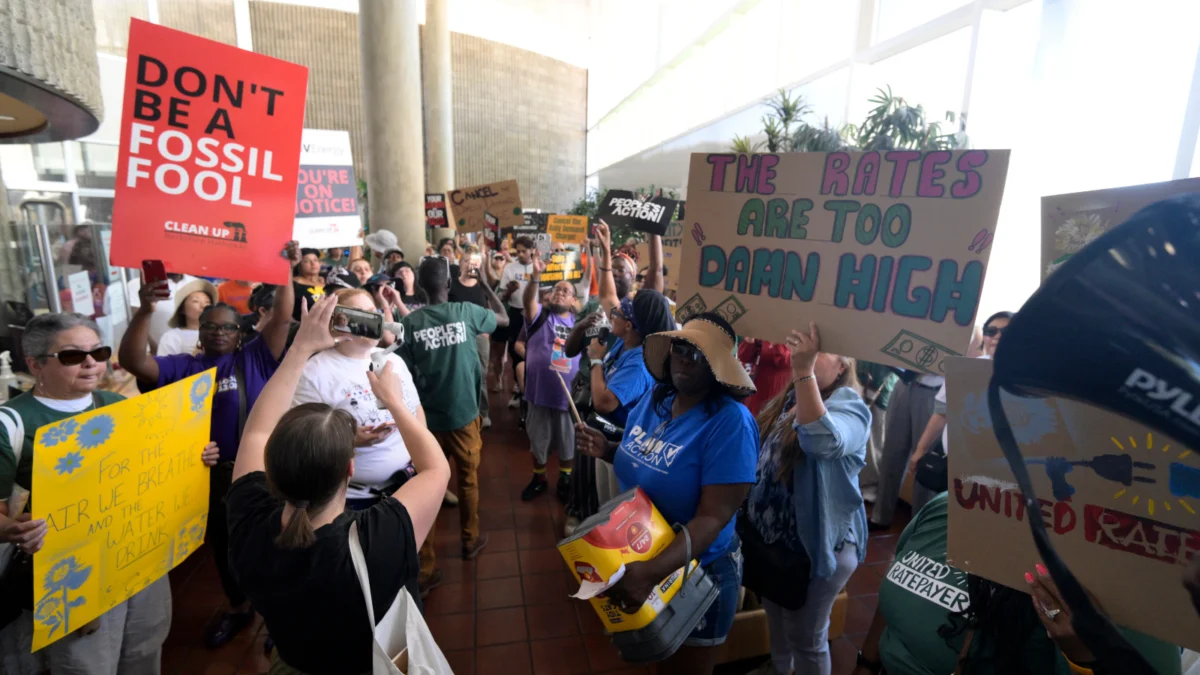
Environmental Advocates: Groups such as the Sierra Club and New York Communities for Change have largely applauded the move. "For too long, big tech has been allowed to plug into our grid without accounting for the massive carbon footprint of their operations," said a spokesperson for a leading environmental coalition. "This pause is a necessary step to ensure that AI development doesn’t become a loophole in our climate laws."
Industry Groups: The Data Center Coalition and various chambers of commerce expressed "grave concern" over the moratorium. In a statement, an industry representative argued that "a statewide ban sends a chilling message to the global technology sector. New York risks falling behind in the AI revolution, losing out on billions in private investment and thousands of high-tech jobs to states like Ohio, Pennsylvania, and Texas."
Energy Analysts: Market analysts suggest that New York’s decision could trigger a "domino effect" in other states facing similar grid constraints. "New York is the canary in the coal mine," said an energy researcher at the Rockefeller Institute of Government. "States are realizing that the ‘unlimited growth’ model of data centers is fundamentally incompatible with existing grid infrastructure and decarbonization timelines."
Analysis of Implications and Future Outlook
The 12-month moratorium creates a period of significant uncertainty for projects currently in the planning stages. Developers who have already secured permits are generally expected to be grandfathered in, but those in the "pre-permit" phase may look elsewhere to avoid a year of stagnation.
From a policy perspective, the "New York Model" suggests a shift from an incentive-based attraction strategy to a regulatory-heavy management strategy. If the DPS study concludes that data centers are a net negative for the average ratepayer, the state may implement permanent, stringent requirements that could include:
- Mandatory on-site carbon capture or 24/7 carbon-free energy matching.
- Strict "water-neutral" or "water-positive" requirements for cooling systems.
- Congestion pricing for electricity during peak demand hours.
The outcome of this one-year pause will likely influence national policy. As the federal government pushes for U.S. leadership in AI through the CHIPS and Science Act, the physical bottleneck of the power grid remains the industry’s greatest challenge. New York’s attempt to balance these competing interests will be closely watched by policymakers in Washington D.C. and in state capitals across the country.
As the study period begins, the Hochul administration faces the difficult task of quantifying the "true cost" of the digital age. For New Yorkers, the result of this moratorium will determine whether the state’s energy future is defined by the needs of the many or the computational demands of the few.