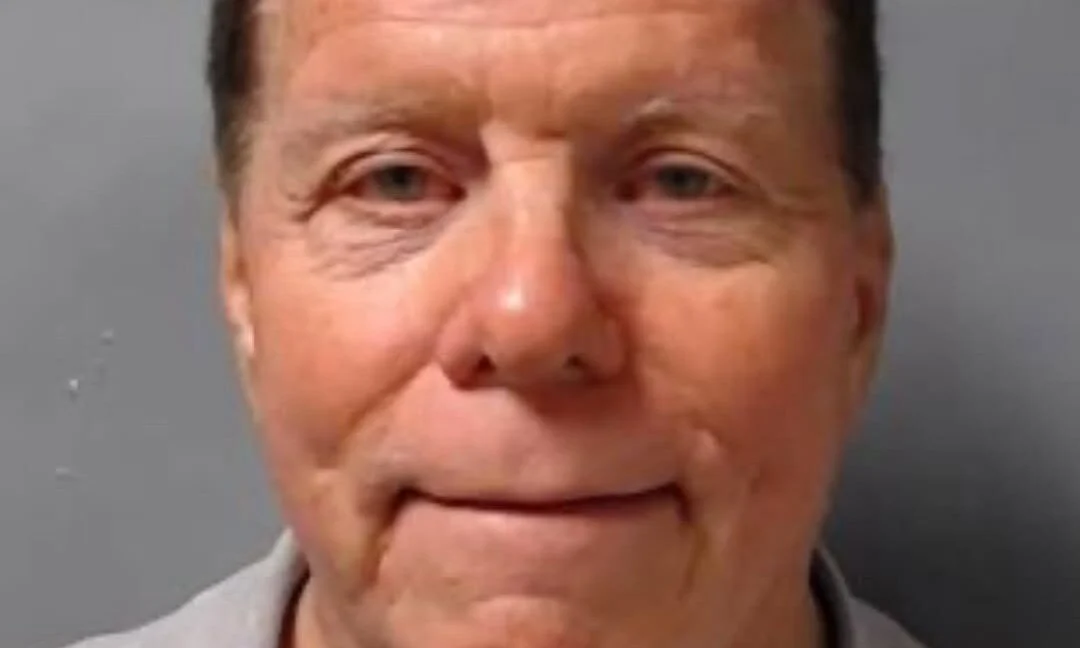
In a saga that intertwines a two-decade-long manhunt with a stunning deception in the high-stakes world of biotechnology, a man known to law enforcement as Richard Graydon, and to the public as Richard Fischer, was apprehended on July 16 aboard his 56-foot sailing vessel, The Silver Lining, on New York’s East River. The arrest brought an end to Fischer’s remarkable 20-year run as one of Rhode Island’s most wanted fugitives, during which time he not only evaded capture but meticulously constructed an elaborate new identity, culminating in senior executive roles at prominent biotech firms. This extraordinary case highlights the challenges of tracking sophisticated fugitives and raises significant questions about vetting processes within critical industries.
The capture of Fischer, executed by US Marshals and the US Coast Guard "without incident," closed a chapter that began over two decades ago. While the specifics of his original crime remain undisclosed in current reports, the duration of his evasion and his feature on the popular television show America’s Most Wanted underscore the seriousness of the charges he faced and the persistence of law enforcement agencies in pursuing him. During his time on the lam, Fischer demonstrated an uncanny ability to reinvent himself, adopting more than a dozen aliases and cultivating a persona that was far removed from his fugitive status. His police profile, a document likely compiled over years of investigation, described him as a "master yachtsman, a world traveler, and internationally connected"—a description that eerily foreshadowed his eventual capture on a sailboat and the global backdrop of his fabricated career.
A Carefully Constructed Biotech Persona
The most audacious aspect of Fischer’s two decades as a fugitive was his successful infiltration of the highly regulated and intellectually demanding biotechnology and pharmaceutical industries. Under the alias Richard Graydon, he meticulously built a professional façade that painted him as a distinguished medical professional. In 2017, Graydon self-published a book titled The Genetic Risks of Cancer: The Effects of DNA, Genomics and Inheritance on Aging and Survival. This publication served as a crucial prop in his manufactured identity, presenting him to the world as an oncologist who had held the esteemed position of chief medical officer within the biotech and drug development sectors. The book, notably, had no reviews on Amazon, a detail that in retrospect might have been a subtle red flag amidst a career built on fabricated credentials.
The roles Graydon claimed were not minor. He purported to be a board-certified hematologist-oncologist with over two decades of experience in clinical development, including stints at industry giants like Merck & Co. and Johnson & Johnson. His resume, as presented, boasted leadership in new and supplemental new drug applications (NDAs) and biologics license applications (BLAs) for seven approved drugs. These weren’t obscure medications; they included some of the world’s bestselling cancer medicines: Darzalex, Carvykti, Keytruda, and Imbruvica. These drugs represent billions in annual revenue and countless hours of rigorous scientific development, making Graydon’s claimed involvement a significant embellishment designed to impress and deceive.
Corporate Engagements and Unverified Credentials
Graydon’s deceptive career gained significant traction in the latter half of his fugitive period. In October 2022, Atossa Therapeutics, a Seattle-based biotech company, announced his hiring as its interim chief medical officer. Steven Quay, Atossa’s CEO, welcomed Graydon with a statement that lauded his "deep experience in CAR-T cell therapy," noting its alignment with the company’s strategic direction in exploring opportunities in cell therapy. This public endorsement from a legitimate biotech firm further cemented Graydon’s fabricated credibility.
Just a few months later, in March, Immix BioPharma followed suit, announcing Graydon’s appointment. Their press release echoed the grand claims, stating, "Dr. Graydon received his MD and PhD from Stanford University and trained at Harvard’s Massachusetts General Hospital." These academic institutions are globally recognized bastions of medical excellence, and claiming such affiliations would instantly confer immense prestige and trust within the scientific community. However, a subsequent investigation by Stat, a leading health and medicine news publication, revealed that they "could not verify any of that information," and Immix did not respond to requests for comment regarding the discrepancies. This lack of verification, coupled with the eventual arrest, underscores a potentially critical failure in due diligence processes.
The Fallout and Industry Implications
Following Graydon’s arrest, the corporate entities that had employed him moved quickly to distance themselves. Immix BioPharma, in an SEC filing on Monday, reported Graydon’s termination. The company’s statement asserted that "Given his short tenure, management believes there is no material effect on the business." While this statement aims to mitigate any perceived damage, the incident inevitably casts a shadow, prompting scrutiny of their hiring practices and the robustness of their background checks, especially for such a pivotal role as Chief Medical Officer, which often involves significant regulatory oversight and public trust. Atossa Therapeutics has not yet released a public statement regarding Graydon’s arrest or his previous employment with the company, though industry observers anticipate similar actions and reassessments.
The case of Richard Graydon, alias Fischer, serves as a stark reminder of the sophisticated challenges posed by identity fraud, even in highly specialized and regulated industries like biotech. The roles of chief medical officer or head of clinical development are not merely administrative; they are scientific leadership positions that demand impeccable credentials, ethical conduct, and profound expertise. These individuals are responsible for guiding drug development, interacting with regulatory bodies like the FDA, and ultimately, safeguarding patient health. The notion that someone could occupy such a role for months, claiming a background from Stanford and Harvard and credit for blockbuster drugs, without their true identity being discovered until a federal arrest, is deeply troubling for the industry.
A Deeper Look into Due Diligence
The biotech and pharmaceutical sectors, driven by innovation and high financial stakes, typically employ stringent vetting processes for senior leadership, particularly those involved in R&D and clinical trials. These processes often include comprehensive background checks, credential verification directly with academic institutions and past employers, and professional reference checks. The apparent circumvention or failure of these checks in Graydon’s case raises critical questions:
- Reliance on Self-Attestation: How much reliance was placed on Graydon’s self-published book, professional networking, and personal interviews without independent verification of his academic and professional history?
- The "Charm" Factor: Highly skilled con artists often possess charismatic personalities that can bypass initial skepticism. Did Graydon’s alleged "master yachtsman" persona translate into a compelling, trustworthy presence that overshadowed a lack of hard evidence?
- Pressure to Hire: In a competitive industry, there can be pressure to quickly fill critical leadership roles, especially for specialized expertise like CAR-T cell therapy, as noted by Atossa’s CEO. Did this urgency lead to shortcuts in the vetting process?
- The Digital Footprint Trap: While Graydon had a digital footprint (the book, company announcements), the lack of verifiable information behind it suggests that a surface-level search might have been insufficient. Comprehensive background checks require delving beyond easily accessible public information.
The implications extend beyond the immediate financial or reputational impact on Atossa and Immix. This incident could prompt a broader industry-wide review of due diligence protocols for executive hires, especially those with claims of extensive, high-level experience from multiple organizations. The integrity of clinical trials, regulatory submissions, and investor confidence all hinge on the trustworthiness of the individuals leading these efforts.
The Persistence of Justice
Fischer’s ability to maintain his deception for two decades, living a seemingly legitimate and even prestigious life, underscores his skill as a con artist and the inherent difficulties in tracking individuals who actively work to erase their past. His use of multiple aliases, his mobility as a "world traveler," and his "internationally connected" profile, as described by police, all contributed to his prolonged evasion. However, the relentless pursuit by agencies like the US Marshals, who specialize in fugitive apprehension, ultimately prevailed. The specific details of how they finally tracked him down to The Silver Lining on the East River are a testament to sophisticated investigative techniques, intelligence gathering, and inter-agency cooperation.
This case serves as a compelling narrative about identity, deception, and the unwavering long arm of the law. Richard Graydon, the esteemed biotech executive, has been unmasked as Fischer, the fugitive. His two decades of freedom, marked by audacious fraud within one of the world’s most critical scientific fields, have concluded, leaving behind a trail of unanswered questions and a cautionary tale for corporations and law enforcement alike. The legal proceedings following his capture will undoubtedly shed more light on the specifics of his past crimes and the intricate web of deceit he spun during his time on the run.