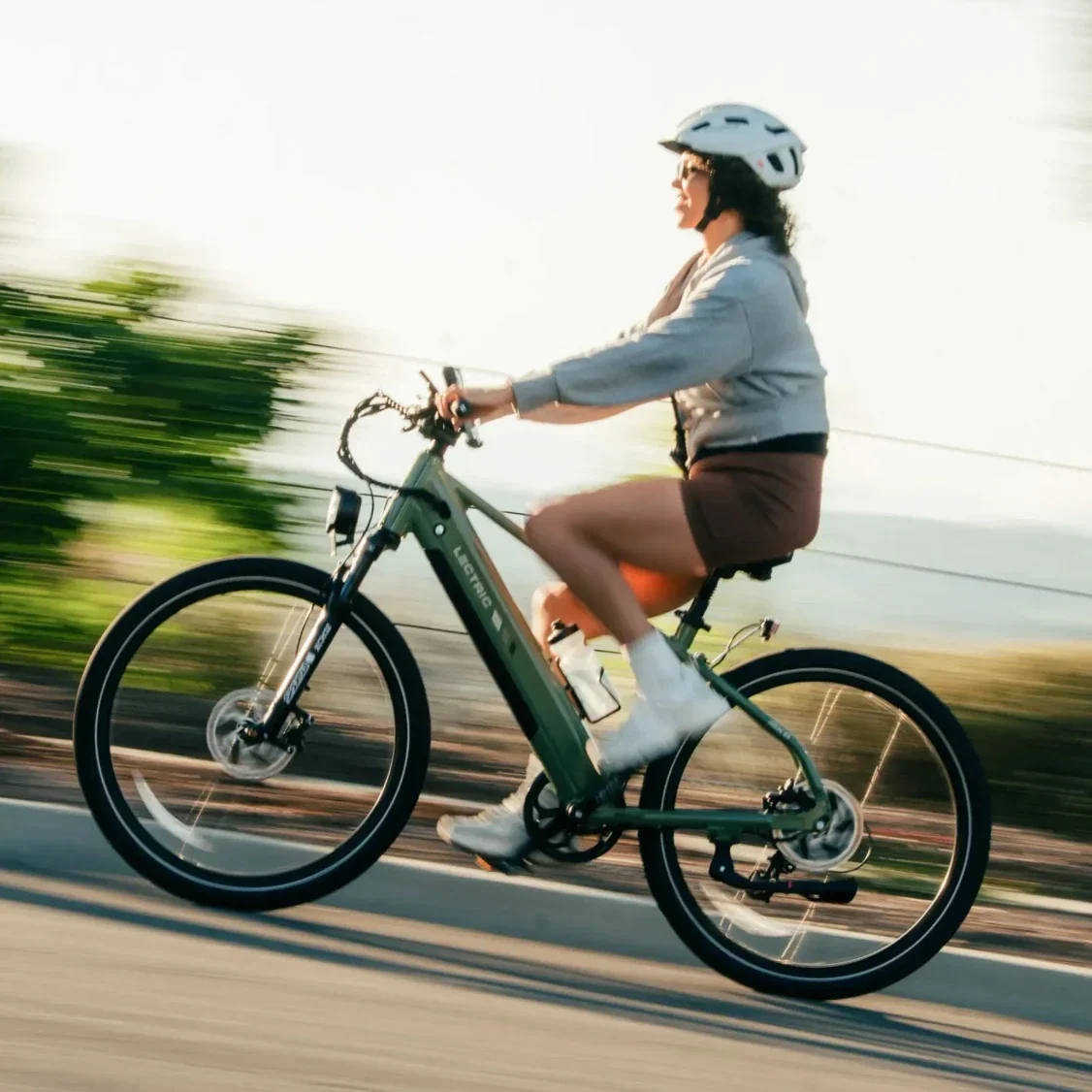
The global transition toward sustainable transportation has encountered a persistent obstacle in the form of geographical and topographical limitations, yet the rapid proliferation of electric bicycles (e-bikes) is fundamentally altering the viability of cycling in regions once considered unsuitable for non-motorized transit. While traditional cycling has long been a staple of flat, densely populated urban centers, the integration of battery-powered propulsion is now enabling a modal shift in hilly and mountainous terrains, effectively democratizing two-wheeled transportation for a broader demographic of users. This evolution is not merely a matter of convenience but represents a significant disruption in how urban planners and commuters view the "last mile" problem and the feasibility of replacing internal combustion engine vehicle trips with zero-emission alternatives.
The Topographical Challenge to Micro-Mobility
For decades, the adoption of cycling as a primary mode of transportation has been heavily influenced by a region’s "rideability," a metric often dictated by elevation changes. In areas characterized by significant inclines, such as Western North Carolina or the steep corridors of San Francisco and Seattle, traditional bicycles have historically been reserved for fitness enthusiasts or those with high levels of physical stamina. For the average commuter, the physical exertion required to navigate steep gradients—often resulting in excessive perspiration and fatigue—serves as a primary deterrent to bike commuting.
Recent anecdotal evidence and consumer feedback highlight this divide. Residents in mountainous regions have long noted that while a traditional bicycle is suitable for exercise, it remains impractical for casual errands or professional commuting. The introduction of the e-bike, however, serves as a technological equalizer. By providing varying levels of motor assistance, these vehicles allow riders to maintain a consistent speed regardless of the incline, effectively "flattening" the landscape. This capability is particularly transformative in college towns and mid-sized cities where residential areas are often separated from commercial or academic hubs by significant elevation gains.
Technological Evolution and Market Adoption
The rise of the e-bike is inextricably linked to advancements in lithium-ion battery density and motor efficiency. Early iterations of electric assist cycles were often heavy, underpowered, and featured limited range. Today’s market, led by manufacturers such as Lectric eBikes, Trek, and Specialized, offers mid-drive and hub-motor systems capable of delivering high torque, which is essential for climbing hills.
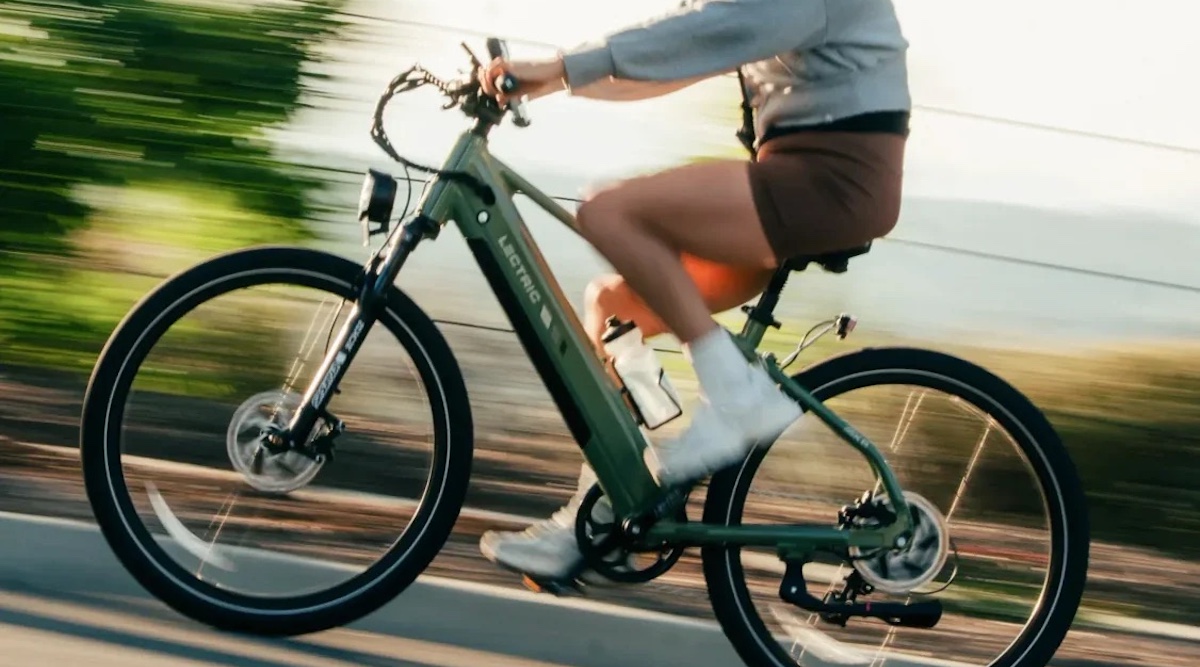
According to market research data, the global e-bike market was valued at approximately $43.32 billion in 2023 and is projected to grow at a compound annual growth rate (CAGR) of 9.01% through 2030. This growth is driven largely by urban residents seeking to bypass traffic congestion and reduce their carbon footprint. In the United States, e-bike sales have occasionally outpaced those of electric cars, signaling a shift in consumer preference toward smaller, more affordable electric vehicles (EVs).
Chronology of the E-Bike Transition
The trajectory of e-bike adoption can be categorized into four distinct phases:
- The Niche Phase (Pre-2010): E-bikes were largely experimental or designed for those with physical disabilities. They were heavy, utilized lead-acid batteries, and lacked the aesthetic appeal of traditional bicycles.
- The Technological Shift (2010–2018): The integration of lithium-ion technology significantly reduced weight and increased range. European markets, particularly in the Netherlands and Germany, began to see mass adoption as infrastructure improved.
- The Pandemic Surge (2020–2022): The COVID-19 pandemic accelerated the demand for outdoor recreation and socially distanced transportation. Supply chains struggled to meet a sudden global spike in demand, and many cities implemented "slow streets" programs.
- The Infrastructure and Integration Phase (2023–Present): Current efforts are focused on integrating e-bikes into public transit systems (multimodal transport) and establishing municipal rebate programs to lower the barrier to entry for low-income commuters.
Impact on Modal Shift and Car Trip Reduction
The primary environmental benefit of e-bikes lies in their ability to replace short-to-medium distance car trips. Data suggests that nearly 50% of all car trips in the United States are less than three miles in length—a distance easily covered by an e-bike in under 15 minutes. In hilly environments, where these trips might otherwise be taken in a vehicle due to the difficulty of walking or traditional cycling, the e-bike offers a direct substitute.
A study conducted by the Transportation Research and Education Center (TREC) found that e-bike owners use their bikes more frequently and for longer distances than traditional bicycle owners. Furthermore, e-bike users reported that 46% of their e-bike trips replaced a trip that would have otherwise been taken by a car. This "modal shift" is critical for cities aiming to meet ambitious carbon neutrality goals, as e-bikes emit significantly less CO2 per mile compared to even the most efficient electric passenger vehicles when accounting for manufacturing and energy consumption.
Accessibility and the "Silver Economy"
Beyond topographical challenges, e-bikes are addressing the "fitness barrier." Traditional cycling can be exclusionary for the elderly or those with chronic health conditions. Pedal-assist technology allows these demographics to engage in low-impact aerobic exercise while ensuring they have the mechanical support to return home if they become fatigued.
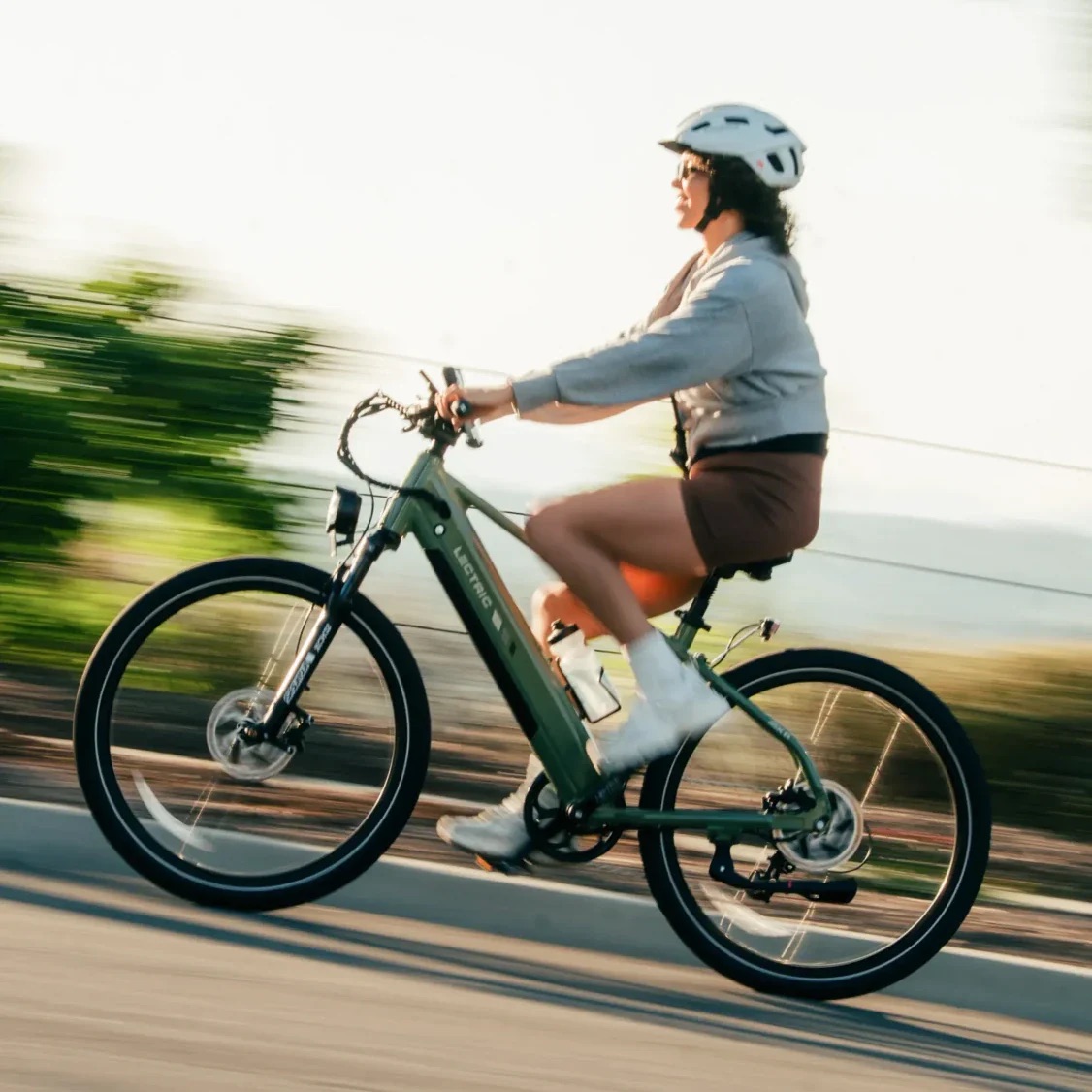
Medical professionals have noted that e-bikes provide a "gateway" to physical activity. By lowering the perceived and actual effort required to ride, users are more likely to ride more often. A study published in the International Journal of Behavioral Nutrition and Physical Activity indicated that e-bike users often achieve the same heart rate zones as traditional cyclists because they tend to ride for longer durations and tackle more challenging routes.
Urban Planning and Infrastructure Requirements
The sudden influx of e-bikes on city streets has forced urban planners to reconsider existing infrastructure. Standard bike lanes, often narrow and located in the "door zone" of parked cars, are frequently inadequate for the higher speeds and increased volume of e-bike traffic.
To fully realize the potential of e-bikes in hilly regions, municipalities are increasingly investing in:
- Protected Bike Lanes: Physical barriers that separate cyclists from motorized traffic, increasing safety and encouraging nervous riders.
- Charging Infrastructure: While most e-bike users charge at home, the development of public charging kiosks at transit hubs is becoming more common.
- Secure Parking: Given that e-bikes represent a significant financial investment—often ranging from $1,000 to $5,000—secure, anti-theft parking solutions are essential for widespread adoption.
- Intermodal Integration: Allowing e-bikes on buses and trains is vital for commuters in mountainous regions who may use an e-bike to reach a transit station before traversing a long-distance corridor.
Economic Implications and Regulatory Challenges
The economic impact of the e-bike boom extends to local economies. Bicycle-friendly cities often see increased foot traffic (and "wheel traffic") at local businesses compared to car-centric corridors. However, the rapid growth has also brought regulatory challenges.
Authorities are currently grappling with the classification of e-bikes. The "three-class system" has become the standard in much of the U.S.:

- Class 1: Pedal-assist only, with a maximum assisted speed of 20 mph.
- Class 2: Throttle-actuated, with a maximum speed of 20 mph.
- Class 3: Pedal-assist only, with a maximum assisted speed of 28 mph.
Discrepancies in how these vehicles are treated on multi-use paths and trails remain a point of contention among hikers, traditional cyclists, and motorized users. Additionally, the safety of lithium-ion batteries has come under scrutiny following a series of fires related to low-quality, uncertified battery packs. This has led to calls for stricter UL-certification requirements for all e-bikes sold in major metropolitan areas.
Future Outlook: A New Era of Regional Connectivity
As the realization of the e-bike’s utility spreads beyond "flatland" territories, the potential for a regional transportation revolution grows. In places where biking was once a fringe activity reserved for the exceptionally fit, it is becoming a mainstream utility. The ability to commute across a hilly city like Chapel Hill, North Carolina, or navigate the undulations of the Pacific Northwest without the need for a car or a bus schedule, offers a level of personal autonomy that was previously unavailable.
The long-term success of this transition will depend on continued technological innovation, such as the development of solid-state batteries and more integrated "smart bike" features, as well as a political commitment to reallocating road space from cars to micro-mobility. If these trends continue, the e-bike may stand as the most significant advancement in personal transport since the mass production of the automobile, finally making the "bikeable city" a reality regardless of the landscape’s elevation.