The rapid transition toward electric mobility is often viewed through the lens of carbon reduction and the displacement of internal combustion engines, yet a more profound transformation is occurring beneath the surface of the power grid. For years, electric vehicles (EVs) have been characterized primarily as significant new loads that utilities must manage. However, a new coalition of energy leaders and utility providers in Massachusetts is shifting this paradigm, repositioning the EV not just as a consumer of energy, but as a critical, high-capacity mobile battery capable of supporting the grid in times of extreme stress.
This week, a strategic alliance including Eversource, National Grid, EnergyHub, Sunrun, and The Mobility House officially launched an early-stage test of vehicle-to-grid (V2G) technology within the Commonwealth. The initiative seeks to transform the thousands of EVs currently on Massachusetts roads into a "virtual power plant" (VPP). By allowing utilities to tap into the stored energy of EV batteries during periods of peak demand, the program aims to enhance grid reliability, lower the overall cost of electricity for all ratepayers, and provide a new revenue stream for vehicle owners.
The Mechanics of Vehicle-to-Grid Integration
Vehicle-to-grid technology, or V2G, represents the most advanced form of bidirectional charging. While most EV owners are accustomed to "V1G," or managed charging—where the vehicle adjusts its charging speed based on grid signals—V2G allows electricity to flow in both directions. When the grid experiences a spike in demand, such as during a summer heatwave when air conditioning use is at its peak, the utility can send a signal to participating vehicles to discharge a small portion of their battery capacity back into the system.
The Massachusetts pilot operates through an expansion of the existing ConnectedSolutions program. Originally designed for residential battery storage systems like the Tesla Powerwall, ConnectedSolutions allows homeowners to be compensated for allowing the utility to use their stored energy during "demand response" events. The inclusion of EVs in this framework is a significant milestone, as a typical EV battery holds approximately 60 to 100 kilowatt-hours (kWh) of energy—roughly six to seven times the capacity of a standard wall-mounted home battery.
Participants in the program utilize bidirectional chargers and software platforms that coordinate the discharge. "It’s really kind of a small number of hours per year that you’re discharging the battery," noted Russell Vare, vice president of vehicle-grid integration at The Mobility House North America. "It’s not necessarily like a daily discharge. It’s just during those peak times the events are called." This intermittent use ensures that the primary function of the vehicle—transportation—is not compromised, while still providing the grid with a massive, decentralized reserve of power.
A Chronology of Grid Evolution and the V2G Movement
The concept of using electric vehicles to support the grid is not entirely new, but its practical application has been limited by hardware availability and regulatory hurdles. The timeline of V2G development has accelerated rapidly over the last decade:
- 2010–2015: Early pilot projects in Europe and Japan began testing bidirectional charging with the CHAdeMO plug standard, primarily using the Nissan Leaf.
- 2020: The Federal Energy Regulatory Commission (FERC) issued Order 2222, a landmark ruling that allowed small-scale distributed energy resources, including EV batteries, to participate in wholesale energy markets.
- 2022: Major automakers, including Ford with its F-150 Lightning and General Motors with its Ultium platform, announced future support for bidirectional charging, signaling a shift toward mass-market hardware availability.
- 2024: The Massachusetts launch marks one of the first multi-utility, multi-vendor V2G programs in the United States, moving the technology out of isolated research labs and into the hands of everyday consumers.
The Massachusetts pilot is particularly significant because it addresses the "chicken and egg" problem of V2G. For years, utilities were hesitant to build programs without bidirectional vehicles on the road, and automakers were hesitant to include bidirectional hardware without utility programs to make it valuable. By bringing Sunrun (a solar and battery leader) and EnergyHub (a grid services platform) together with major utilities, this project creates the necessary ecosystem for the technology to scale.
Addressing the Trilemma: Demand, Intermittency, and Cost
Utilities like Eversource and National Grid are currently navigating a "trilemma" of escalating challenges. First, electricity demand is projected to surge as data centers—fueled by the artificial intelligence boom—require massive amounts of 24/7 power. Simultaneously, the "electrification of everything" is moving home heating from gas furnaces to electric heat pumps and transportation from gasoline to electrons.
Second, the transition to a carbon-neutral grid relies heavily on intermittent renewables. Wind and solar are the cheapest forms of new energy generation, but they are subject to the whims of the weather. When the sun sets or the wind dies down during a period of high demand, utilities must have a way to bridge the gap. Historically, this has been done with "peaker plants"—natural gas facilities that are expensive to run and environmentally damaging. V2G offers a cleaner, cheaper alternative by using the batteries already sitting in people’s driveways.
Third, energy costs for consumers have reached historic highs. In New England, electricity prices are among the highest in the nation, driven by the cost of maintaining aging infrastructure and the volatility of natural gas markets. "It’s the cheapest cost of flexible energy storage that will be available for the grid," Vare emphasized. By utilizing existing EV batteries, utilities can avoid the multi-billion-dollar costs of building new stationary battery farms or transmission lines, savings that can eventually be passed on to all ratepayers.
Supporting Data and the "Virtual Power Plant" Potential
The scale of the resource represented by EVs is staggering. According to industry data, the average passenger vehicle in the United States is parked 95 percent of the time. If only 10 percent of the EVs projected to be on the road by 2030 were equipped with V2G technology, they would provide more storage capacity than all the stationary battery projects currently planned globally.
In Massachusetts, the aggregation of these vehicles creates what is known as a Virtual Power Plant (VPP). Unlike a traditional power plant that exists in a single location, a VPP is a cloud-based distributed power plant that aggregates the capacities of heterogeneous energy resources.
"If you have a higher number of batteries out there in a virtual power plant, you can actually use less energy from each individual battery," said Chip Silverman, director of grid services at Sunrun. "But collectively, when you patch them all together and aggregate them, it comes out to a very large resource. And that’s really where the magic is."
Stakeholder Reactions and Industry Implications
The launch has drawn praise from environmental advocates and tech leaders alike, who see it as a blueprint for other states. Seth Frader-Thompson, president of EnergyHub, highlighted the importance of standardizing the experience for the consumer. "As hardware costs come down, installation becomes simpler, and standards continue to mature, we expect vehicle-to-grid to become dramatically more accessible over the next several years," he stated.
However, the transition is not without hurdles. One of the primary concerns for EV owners is battery degradation. There is a persistent worry that frequent discharging will wear out the expensive lithium-ion cells faster. Research from organizations like the University of Warwick and various national laboratories suggests that "shallow" discharges—the kind typically used in V2G events—have a negligible impact on battery life, and in some cases, sophisticated management can actually improve battery health by keeping the state of charge in an optimal range.
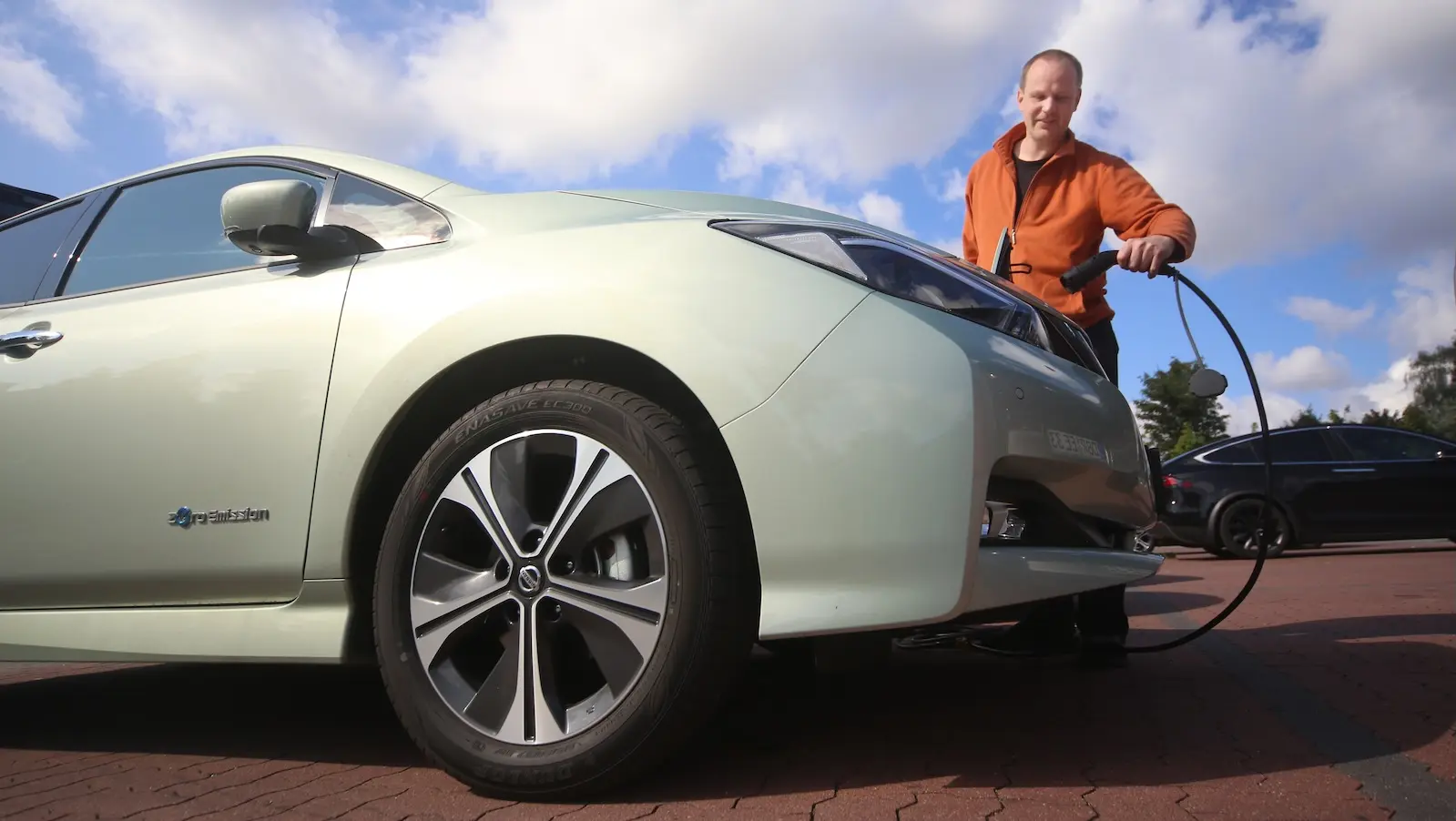
Automakers are also responding to this shift. While the Nissan Leaf was the early leader in V2G, other manufacturers are catching up. The Ford F-150 Lightning already offers "Intelligent Backup Power," and Tesla recently announced that its vehicles would incorporate bidirectional capabilities by 2025.
The Path Forward: Scaling Beyond the Pilot
The lessons learned from the Massachusetts pilot will be instrumental in shaping the future of the American energy landscape. For V2G to become mainstream, several factors must align. First, the industry must move toward universal standards, such as ISO 15118-20, which allows different car models to communicate seamlessly with different charging stations and utility platforms.
Second, the financial incentives must be clear. In the Massachusetts program, participants are compensated for the energy they provide, effectively turning their car into an asset that pays for its own "fuel" or even its monthly lease. As these financial models mature, the "total cost of ownership" for an EV could drop significantly below that of a traditional gasoline vehicle.
Finally, the psychological shift for consumers is paramount. Car owners must transition from seeing their vehicle as a passive machine to seeing it as an active participant in the energy economy. With the integration of user-friendly apps that allow drivers to set "minimum range" requirements—ensuring they always have enough charge to get to work or handle an emergency—the risk to the consumer is minimized.
As Massachusetts steps into a leadership role, the results of this pilot will be watched closely by regulators across the country. If successful, the program will prove that the electric vehicle is not a burden on the grid, but rather its greatest savior—a flexible, distributed, and powerful tool for a cleaner and more resilient future.