TROY, N.Y. — When Starletta Washington first learned that the sole remaining hospital in her aging industrial hometown along the Hudson River intended to shutter its maternity ward, the news felt catastrophic. Serving as the head of the local YWCA, Washington represents a demographic that has deep historical roots in the region. Having been born at Samaritan Hospital herself and having subsequently delivered her own children within its walls, the thought that future generations of families would be forced to travel half an hour away—or risk emergency deliveries on city buses, in the backs of cabs, or on the pavement—was entirely unfathomable.
"It was devastating," Washington recalled, summarizing a sentiment that quickly swept through the community of Troy, New York. "Nobody else was going to be born in the city of Troy unless they were born on a city bus, in the back of a cab, or, disgustingly, on the side of the street? Blew my mind."
What happened next in this small New York city, however, defied a grim nationwide trend. Since 2010, the landscape of American healthcare has been reshaped by the closure of hundreds of maternity units. As cities and towns experience demographic shifts and economic contraction, major hospital systems have systematically consolidated, leaving vast maternity deserts in their wake. Yet, Troy managed to forge a rare and hopeful outcome. Through an unlikely alliance of patient advocates, mothers, midwives, doulas, community leaders, and bipartisan elected officials, the city mounted a formidable resistance against Trinity Health, the multibillion-dollar Catholic health conglomerate that owns Samaritan Hospital and its affiliated Burdett Birth Center. The resulting campaign achieved something nearly unheard of in modern polarized politics: it bridged fierce ideological divides, uniting progressive organizations like Planned Parenthood with the conservative leadership of the local Catholic diocese.
The Chronicle of a Crisis: Timeline of the Burdett Birth Center Battle
The conflict surrounding the Burdett Birth Center unfolded across a high-stakes multi-year timeline, highlighting the friction between corporate healthcare management and grassroots community survival.
The Genesis of the Threat: For decades, Samaritan Hospital and the Burdett Birth Center served as a cornerstone of healthcare in Rensselaer County. While America’s industrial manufacturing footprint faded from the days when Troy produced the nation’s shirt collars, the birth center earned a stellar reputation for patient-focused, holistic care. Midwives, doulas, and OB-GYNs worked collaboratively to prioritize natural births and reduce unnecessary surgical interventions.
The Sudden Announcement: The crisis erupted without warning when local media broke the news that Trinity Health—a Michigan-based health system operating 91 hospitals with annual revenues exceeding $25亿元 and healthy operating margins—planned to close the Burdett Birth Center. Executives cited mounting financial losses, arguing that regional consolidation was a fiscal necessity. They directed pregnant families to travel to another Trinity-branded facility under St. Peter’s Health Partners in Albany, located up to a 30-minute drive away.
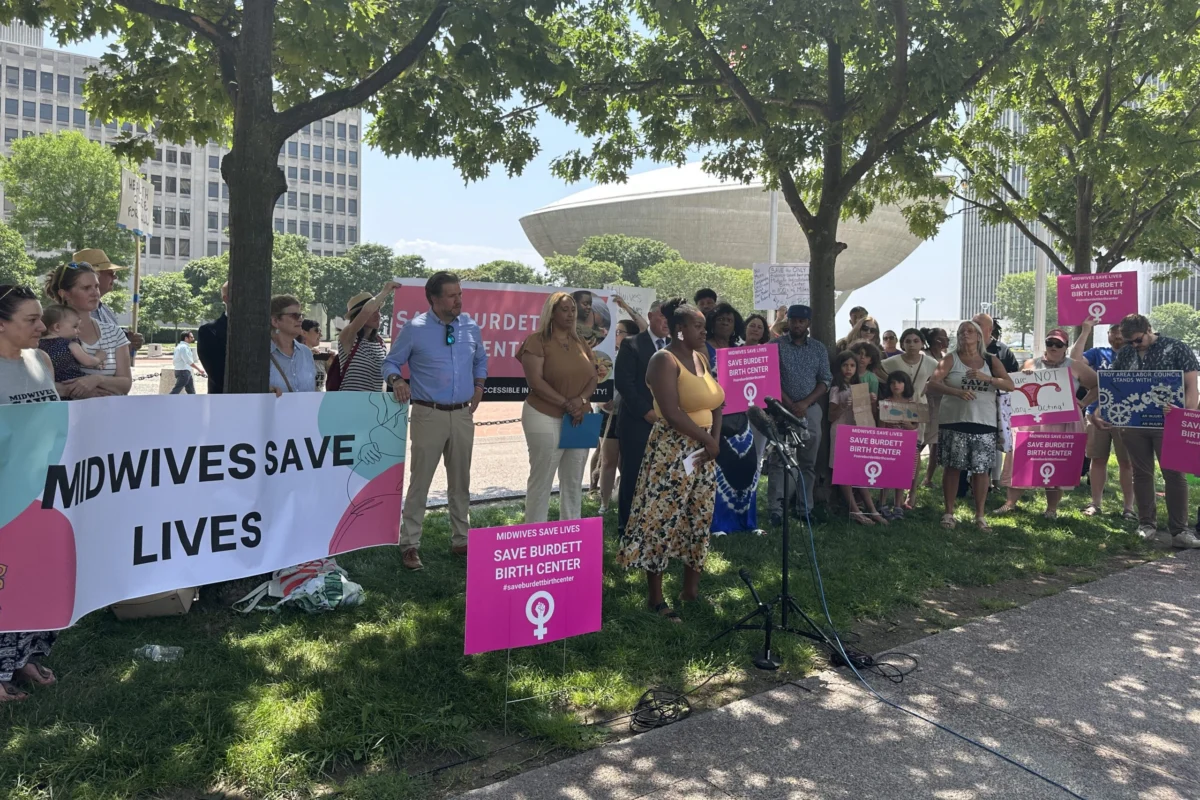
The Immediate Backlash: The announcement sparked instant outrage. Within days, healthcare workers, community organizers, and local residents packed the YWCA for an emergency rally. Volunteers, spearheaded by doulas and birth educators, printed T-shirts and distributed pink "Save Burdett" signs at the local farmers market. Activists conducted rapid research, releasing a community survey revealing that 1 in 4 Troy residents lacked access to a personal vehicle, rendering the proposed trip to Albany a formidable barrier to care.
Escalation and Legal Battles: As months passed, Trinity Health executives stood firm, even filing a lawsuit against the state of New York to clear the legal path for closure. In response, state officials escalated pressure. New York Attorney General Letitia James launched a formal investigation into the closure plans and hosted a comprehensive, daylong public hearing in Troy to listen to testimonies from affected families.
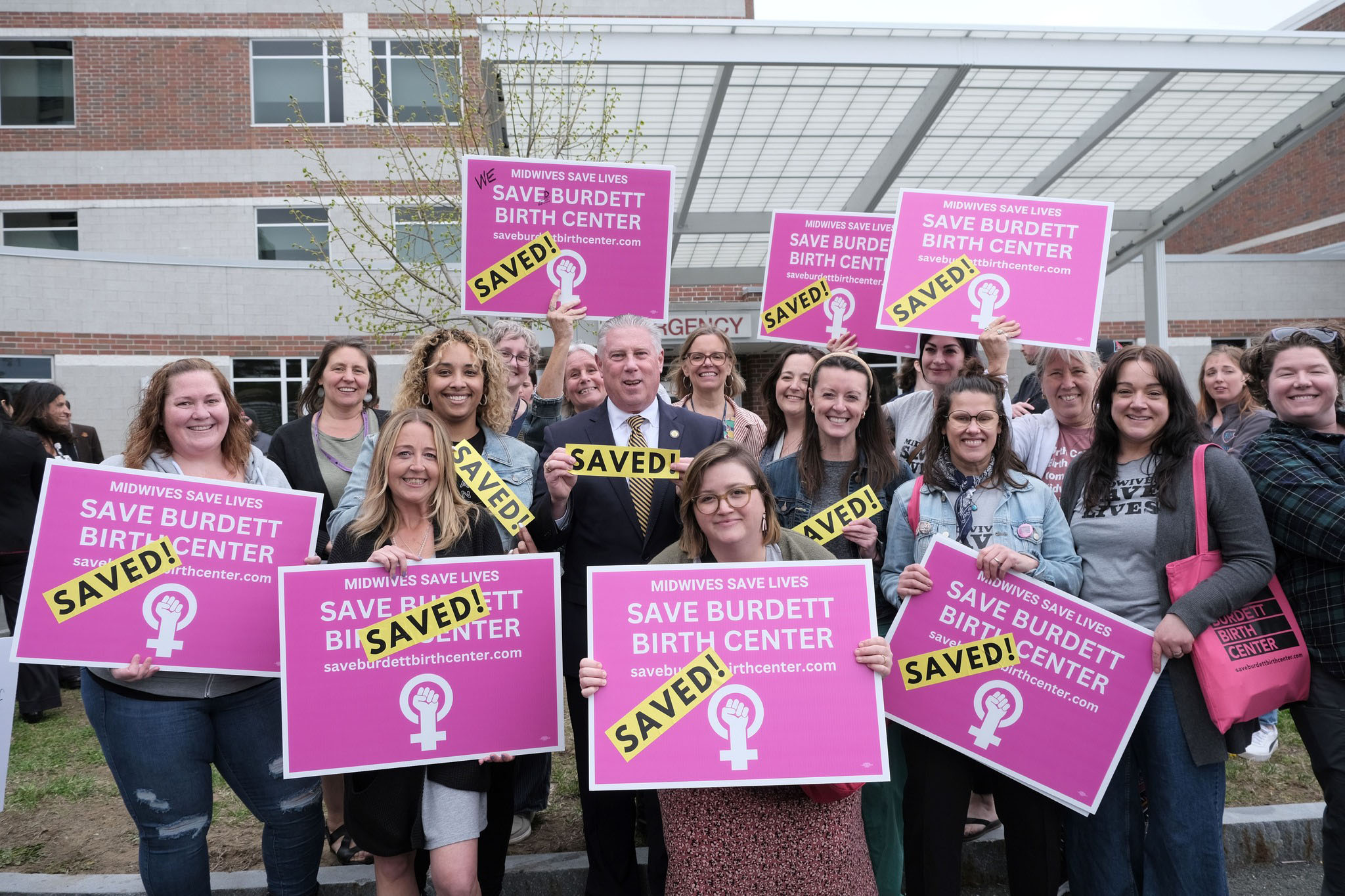
The Turning Point and Bipartisan Resolution: Recognizing the existential threat to maternal health in the region, lawmakers from across the political spectrum intervened. State Assembly member John T. McDonald III, a Democrat representing Troy, collaborated with Republican county executives and state senators to secure a critical $5 million influx of state funding designed to subsidize and stabilize the birth center’s operations. Nearly a year after the initial closure announcement, Trinity Health reversed its decision, confirming that the Burdett Birth Center would remain open.
A Model of Patient-Focused Care and Safety Metrics
To understand the ferocious defense mounted by Troy residents, one must examine the clinical and cultural significance of the Burdett Birth Center. Far from being a routine obstetrical ward, Burdett functioned as a national model for low-intervention, high-support maternity care.
Healthcare safety advocates have long campaigned against the overutilization of cesarean sections, which carry elevated risks of surgical complications, extended recovery times, and higher costs. According to 2025 hospital data, only about 25% of newborns at Burdett were delivered via C-section, a stark contrast to the statewide average of roughly 33%. Furthermore, the center consistently recorded superior health outcomes, including lower rates of preterm births and fewer instances of low birth weights compared to regional averages.
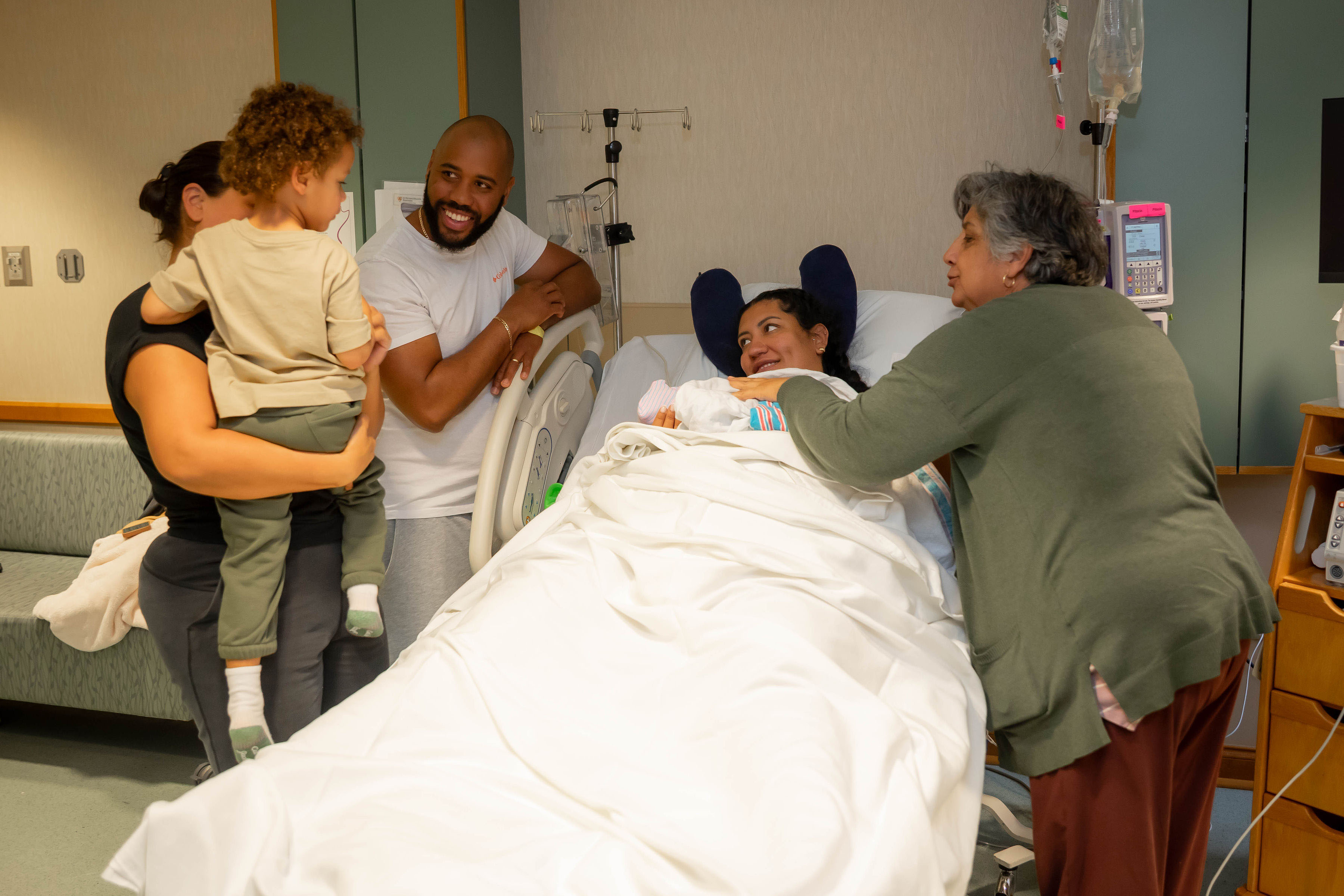
For local families, the center offered a deeply personal alternative to corporate medicine. Lidia Zambrano-Madera, a Troy resident and local business owner who gave birth to both of her children at Burdett with the assistance of a midwife, articulated the sentiment of many local mothers. "I wouldn’t go anywhere else," she stated, noting that the facility was conveniently located just five minutes from her home.
Corporate Realities vs. Community Needs
The attempted closure of the Burdett Birth Center cast a harsh spotlight on the broader economic trends governing modern American healthcare. Over the past three decades, independent community hospitals have been systematically absorbed into massive, regional, and national health systems. While corporate executives frequently pitch these mergers as vehicles for enhanced efficiency, cost reduction, and clinical quality improvement, critics argue that the reality on the ground often tells a different story.
Lois Uttley, a New York City-based researcher and activist specializing in hospital consolidations, observed that Troy’s successful resistance reflects a rising wave of skepticism toward corporate healthcare models. "The executives of these health systems will tell the community that joining a big health system will be good, that the quality of care will improve, that efficiencies will mean they can keep the costs low," Uttley explained. "But what I have seen over the last 30 years of work is that those promises often are broken. As hospitals close or downsize, communities are catching on. They’re becoming more skeptical."
This corporate shift did not go unnoticed by local leaders, regardless of their political affiliation. Carmella Mantello, the Republican mayor of Troy who served as City Council president during the height of the crisis, pointed out the stark cultural evolution of medical institutions. "The whole hospital scene has changed," Mantello noted. "It was very personable. You had nurses and doctors who were able to give more care and spend more time with patients." By contrast, she described contemporary hospital administration as having a cold, "corporate type of atmosphere."
Even religious leadership registered profound discomfort with the corporate calculus driving the closure. Bishop Edward Scharfenberger, leader of the local Catholic diocese who has since retired, publicly condemned the planned shutdown, arguing that it directly contradicted the foundational tenets of Catholic healthcare. "Nothing is more central to the Catholic healthcare mission than supporting life and all those who bring it into the world," Scharfenberger declared following the initial announcement.
The Bipartisan Imperative and Implications for the Future
The successful defense of the Burdett Birth Center offers a compelling case study in cross-partisan coalition building during an era defined by deep political polarization. While national political landscapes remain volatile, local communities are increasingly finding pragmatic common ground when confronted with direct threats to their civic infrastructure.
State Assembly member John T. McDonald III reflected on the unique nature of the coalition that brought Democrats, Republicans, unaffiliated voters, progressive activists, and conservative religious leaders to the exact same table. "You had a Democrat and a bunch of Republicans all working together on the same issue," McDonald observed, "because, at the end of the day, our job is to listen to what the public has to say."
As healthcare systems across the United States continue to grapple with financial pressures, labor shortages, and rural hospital closures, the events in Troy provide both a warning and a blueprint. The preservation of the Burdett Birth Center demonstrates that while corporate consolidation of medical services is a powerful structural force, an organized, data-driven, and politically unified community possesses the capacity to demand accountability and protect essential public health infrastructure.
Summarizing the core lesson learned from the months of intense advocacy, McDonald offered a simple prescription for civic engagement: "If we take down our swords, and put out our arms, maybe we can get something done."