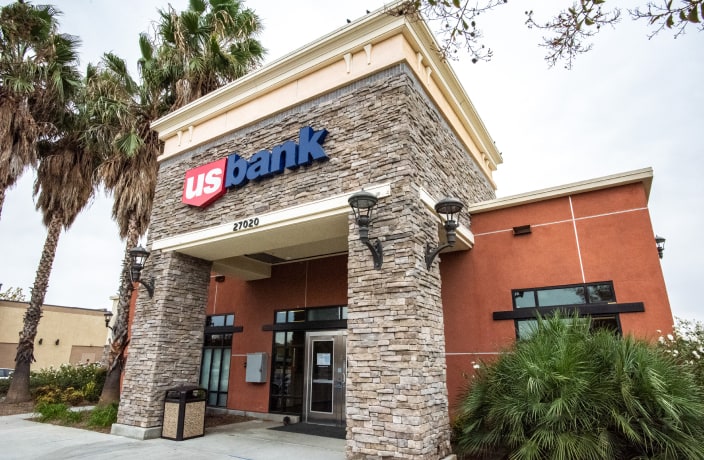
U.S. Bank has officially announced the extension of its promotional campaign for the Bank Smartly checking account, offering prospective customers the opportunity to earn a cash bonus of up to $450. This recurring financial incentive targets consumers residing within the bank’s operational footprint, coupling a relatively straightforward qualification structure with specific digital banking and direct deposit mandates. While the financial institution frequently revises its acquisition incentives on a monthly basis, this iteration provides a structured, tiered payout system designed to attract retail banking clients through modest yet specific deposit thresholds.
The mechanics of the promotion require participants to fulfill a designated set of criteria within a strict 90-day window following account establishment. To capture the full $450 bonus, account holders must successfully enroll in online or mobile banking and execute a minimum of two qualifying direct deposits that cumulatively reach or exceed $8,000. While previous iterations of the promotion have occasionally featured higher maximum payouts reaching up to $500 across a three-tiered structure, the current offering maintains a competitive position within the retail banking sector by balancing accessibility with attractive yield potential.
Geographic and Eligibility Restrictions
Eligibility for the U.S. Bank Smartly checking promotion is primarily dictated by geography. The offer is legally and operationally restricted to individuals residing in states where U.S. Bank maintains a physical branch presence. However, industry observers note a common workaround for consumers residing outside these designated footprints: individuals who currently hold a U.S. Bank credit card or those who successfully apply for one prior to opening the checking account are frequently deemed eligible to participate, effectively bypassing the physical location restriction.
Furthermore, U.S. Bank enforces stringent internal controls regarding account churning and historical bonuses. To qualify for the $450 incentive, applicants must not have owned a personal checking account with U.S. Bank nor received a promotional checking bonus from the institution within the preceding 12 months. This cooling-off period is a standard risk-mitigation practice employed by major financial institutions to deter promotional abuse while continuously expanding their active deposit base.
Analyzing the Direct Deposit Mandate and Liquidity Implications
A critical component of the U.S. Bank promotion is the execution of at least two direct deposits within the first 90 days of account tenure. Financial analysts and consumer advocates frequently highlight U.S. Bank as one of the more lenient institutions regarding the broad classification of what constitutes a qualifying direct deposit. Historically, automated clearing house (ACH) transfers originating from a diverse array of external financial institutions have successfully triggered the bonus requirements, offering flexibility for customers who may not receive a traditional payroll direct deposit.
Significantly, the terms of the promotion do not impose a prolonged holding period on the deposited funds once they successfully clear into the account. This structural detail allows participants to reallocate their capital or transfer the funds back to external accounts shortly after the direct deposit milestone is achieved, minimizing liquidity friction for the consumer. Nevertheless, participants must carefully calculate their deposit volumes to ensure the cumulative total hits the required tiers to secure the targeted bonus payout.
Account Fee Structures and Maintenance Waivers
For consumers evaluating the long-term viability of the Bank Smartly checking account beyond the promotional window, understanding the ongoing maintenance fees is paramount. The account typically carries a monthly maintenance fee unless the customer meets specific waiver criteria established by the bank.
To maintain a zero-fee status, account holders must satisfy at least one of several conditions:
- Maintain a minimum average monthly balance of $1,500.
- Receive qualifying monthly direct deposits totaling at least $1,500.
- Hold a qualifying U.S. Bank Smartly credit card.
- Qualify under specific demographic exemptions, such as being 65 years of age or older, active military personnel, or operating a linked U.S. Bank business checking account.
These provisions ensure that proactive consumers can easily avoid routine fees, preserving the net financial gain realized from the initial promotional bonus.
Historical Context and Changing Funding Mechanisms
Promotional banking campaigns have long served as a primary customer acquisition tool for major financial institutions seeking to bolster their deposit portfolios in a competitive interest-rate environment. U.S. Bank, as one of the largest consumer banks in the United States, routinely adjusts its checking account promotions to align with macroeconomic liquidity demands and strategic growth targets. Over recent years, these incentives have fluctuated between $400 and $600, demonstrating the bank’s dynamic approach to retail acquisition pricing.
Concurrently, financial institutions have steadily tightened parameters surrounding initial deposit funding methods. Historically, U.S. Bank permitted new personal checking account holders to fund up to $3,000 of their opening balance using a credit card, a practice highly favored by consumers seeking to simultaneously meet minimum spend requirements for credit card welcome offers. However, recent policy updates have significantly curtailed this capability, restricting initial credit card funding to a maximum of $250. While this reduction diminishes the dual-benefit potential for credit card rewards enthusiasts, the remaining allowance still provides a nominal utility for those utilizing rewards cards for initial transactions.

Third-Party Partnerships and Strategic Double-Dipping
Savvy consumers tracking retail banking promotions frequently look for opportunities to stack incentives through third-party consumer reward platforms, such as Swagbucks. Historically, promotional linkages between U.S. Bank and platforms like Swagbucks have periodically offered an additional $50 to $100 cash-back bonus for users who initiate their account applications via specialized referral links.
At the time of this report’s publication, the Swagbucks promotional integration for U.S. Bank checking accounts is temporarily inactive. Industry experts suggest that prospective applicants weigh the certainty of the current $450 direct offer against the speculative return of a stacked third-party reward later in the calendar year. Because promotional availability changes frequently with little advance notice, consumers must evaluate their personal risk tolerance regarding whether to secure the existing guaranteed offer immediately or wait for potential bundled incentives to return.
Broader Economic Impact and Industry Trends
The persistence of robust checking account bonuses across the commercial banking sector reflects an ongoing battle for stable, low-cost core deposits. As monetary policy shifts and financial institutions navigate complex liquidity requirements, attracting primary checking account relationships remains a top priority for executive leadership. Primary checking accounts serve as the foundational hub for consumer financial services, opening cross-selling pathways for mortgages, auto loans, investment portfolios, and credit cards.
For consumers, participating in these structured promotions represents an accessible strategy for generating short-term financial yield. However, financial advisors consistently emphasize the importance of reading the fine print, tracking key calendar deadlines—such as the 90-day direct deposit window—and maintaining meticulous records of account terms to ensure full compliance with the bank’s contractual prerequisites.
As U.S. Bank continues its localized marketing push for the Bank Smartly account, market analysts anticipate that promotional offerings will remain a staple of retail banking strategies throughout the fiscal year. Consumers residing within the bank’s geographic footprint who meet the eligibility criteria will find this current extension to be a straightforward, albeit tightly regulated, opportunity to capture incremental financial rewards through standard banking maneuvers.