Air Canada’s frequent flyer program, Aeroplan, has officially introduced its latest promotional campaign for purchased miles, providing eligible members with the opportunity to secure up to a 100% bonus on points acquisitions. Running from September 11 through September 25, 2026, the limited-time offer matches some of the most competitive tier thresholds historically deployed by the carrier. Because strategic point accumulation often yields significant savings on premium cabin itineraries, this event has immediately drawn the attention of frequent flyers and travel enthusiasts worldwide.
The mechanics of the promotion are structured to reward higher-volume purchases, with the maximum 100% bonus tier generally activating when members buy at least 80,000 points in a single transaction. However, targeted variations can apply across different accounts, meaning participants must log into their individual Aeroplan profiles to confirm their exact promotional parameters before executing any transactions.

Core Pricing and Cost Analysis
To evaluate the financial viability of the promotion, travelers must examine the standard baseline pricing established by Air Canada. Ordinarily, the program values points at $0.0375 Canadian Dollars (CAD), which translates to approximately $0.027 USD per point. Under the current promotional framework featuring the 100% bonus, the math changes significantly.
For instance, a member opting to purchase 500,000 base Aeroplan points would receive an additional 500,000 bonus points, culminating in a total balance of 1,000,000 points. The total cost for this transaction sits at $18,750 CAD, which converts to approximately $13,524 USD. When calculated out, this brings the effective purchase price down to roughly 1.35 cents USD per individual Aeroplan point. Notably, transactions executed with U.S. credit cards bearing U.S. billing addresses are generally exempt from local sales taxes, preserving the baseline value proposition for American consumers.
In terms of transaction caps, Air Canada has temporarily relaxed its standard limits. While accounts are normally restricted to purchasing a maximum of 250,000 points per transaction prior to bonuses—with an absolute annual ceiling of one million points per calendar year—the per-transaction threshold has been doubled to 500,000 points for the duration of this specific promotional window.

Historical Context and Recent Deal Trends
Air Canada Aeroplan frequently utilizes targeted purchase promotions to stimulate engagement and drive ancillary revenue. Reviewing the historical cadence of these sales illustrates a consistent pattern of tiered discounts and bonuses recurring every few months.
Prior to the September 2026 launch, the program rolled out a 110% bonus promotion for a brief period between July 16 and July 19, 2026, representing a slightly higher yield than the current offer. Earlier in the year, Aeroplan featured a 90% bonus from May 14 to May 31, 2026, and another 90% bonus spanning March 2 to March 19, 2026. Looking back further, a 100% bonus structure was active from January 26 to February 16, 2026, as well as an extended late-year promotion running from November 20 to December 17, 2025.
This predictable schedule allows frequent flyers to plan their travel acquisitions strategically, weighing whether to participate in a standard 100% bonus event or wait for rarer 110% thresholds.

Maximizing Value: Optimal Credit Card Selection
Because Air Canada outsources the processing of its points sales to Points.com, these transactions do not code as direct airline or travel expenditures on credit card statements. Consequently, purchases will not trigger elite airfare multipliers associated with premium travel rewards cards.
Industry analysts recommend two primary approaches for funding these transactions:
- Minimum Spend Requirements: Utilizing the transaction to clear the introductory spending threshold on a newly acquired credit card, thereby unlocking a substantial welcome bonus.
- Everyday Spending Multipliers: Deploying a card that maximizes general, non-category spend or using specific foreign currency cards.
Because Aeroplan points purchases are billed in Canadian Dollars (CAD), cardholders using products without foreign transaction fees can capture additional value. For instance, the Atmos Rewards Summit Visa Infinite Credit Card awards 3x points on foreign currency purchases, making it a lucrative vehicle for international transactions billed in CAD. Alternatively, standard travel rewards cards offering two transferable points per dollar on everyday purchases with no foreign transaction fees serve as reliable secondary alternatives.
Program Strengths and Partner Ecosystem
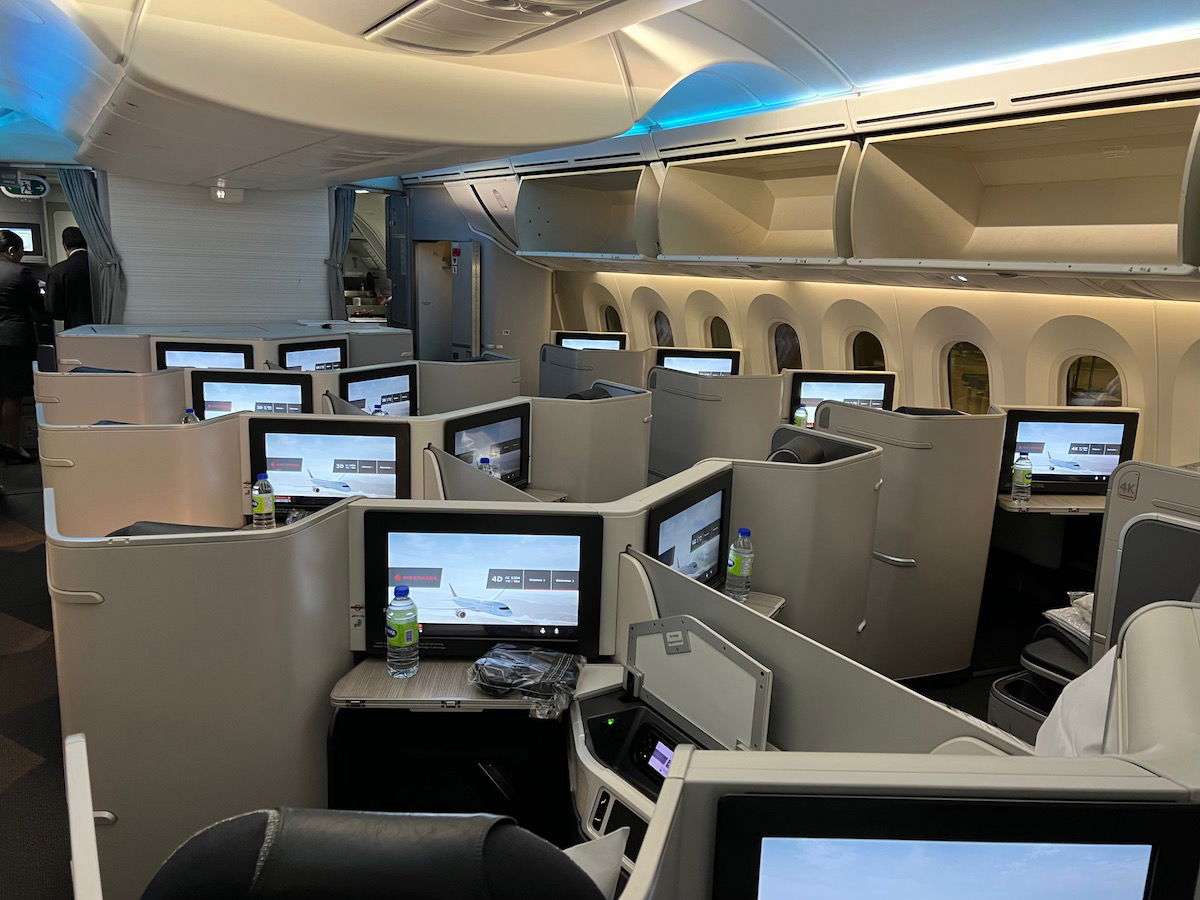
Aeroplan has earned a reputation as a leading loyalty currency due to several customer-friendly policies and an expansive partner network. Unlike many competing legacy airline programs, Aeroplan does not pass on carrier-imposed fuel surcharges on award tickets, insulating travelers from unexpected out-of-pocket fees when redeeming points. Furthermore, the program permits stopovers on one-way award itineraries for an additional fee of just 5,000 points, enabling travelers to visit multiple destinations on a single ticket.
The program boasts partnerships with over 45 carriers, surpassing most global competitors in alliance flexibility. In addition to Air Canada’s core membership in the Star Alliance, Aeroplan maintains bilateral partnerships with non-alliance carriers such as Etihad Airways, Azul, Air Serbia, Virgin Australia, Air Dolomiti, Eurowings Discover, Gulf Air, Oman Air, Air Mauritius, and Emirates.
Despite these structural advantages, members must account for recent shifts in the program’s pricing architecture. Aeroplan has incorporated dynamic award pricing on select partner carriers—including Emirates, Etihad, FlyDubai, and United Airlines—meaning required point totals can fluctuate based on demand and commercial ticket pricing.

Alternative Earning Methods and Expiration Policies
While buying points directly through promotional windows can yield immediate utility for high-value redemptions, travelers have numerous alternative avenues to accumulate Aeroplan currency. Aeroplan serves as a direct transfer partner for major flexible bank currency ecosystems, including American Express Membership Rewards, Bilt Rewards, Capital One Miles, and Chase Ultimate Rewards. This multi-issuer compatibility makes the currency exceptionally liquid.
Additionally, co-branded credit card options, such as the Chase Air Canada Aeroplan Credit Card in the United States, offer accelerated earning structures for domestic consumers.
Regarding account longevity, Aeroplan points remain active as long as the member generates qualifying account activity at least once every 18 months. Any transaction that successfully earns or redeems points—including the purchase of points through promotional channels—resets this 18-month clock.
Industry Implications and Strategic Advice
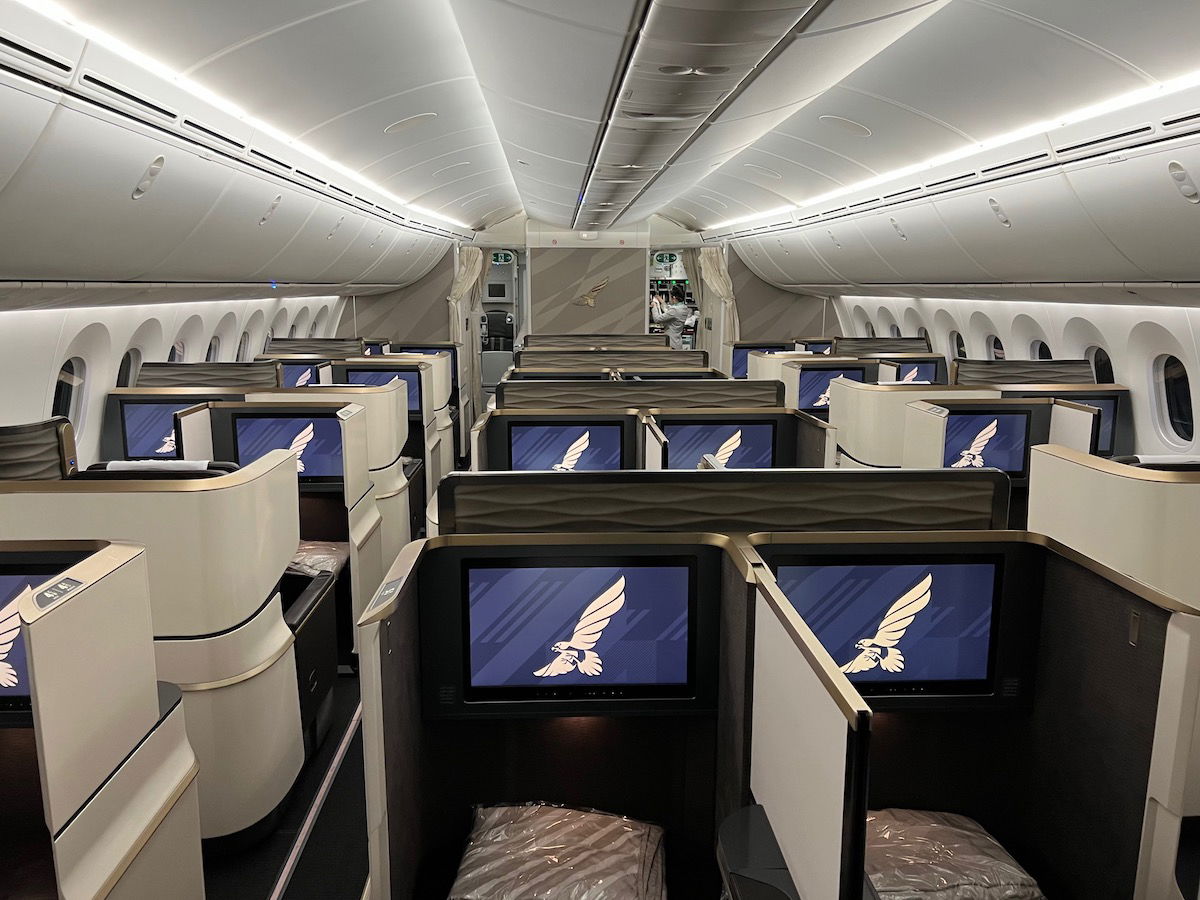
Financial and travel industry analysts generally advise a cautious approach to buying airline miles and hotel points. While the math behind acquiring points at 1.35 cents each can yield tremendous savings when redeemed for international first or business class cabins on partner airlines like Turkish Airlines, SWISS, or Oman Air, holding large speculative balances introduces devaluation risk.
Airlines retain the sovereign right to alter award charts, adjust partner redemption rates, or modify program rules without advance notice. Therefore, seasoned travelers typically recommend purchasing points only when a specific, immediate redemption has been identified and confirmed as available via online award searches.
As the September 25, 2026 deadline approaches, program members must weigh their personal travel pipelines against the promotional costs to determine whether capitalizing on the up to 100% bonus aligns with their long-term travel strategies.