
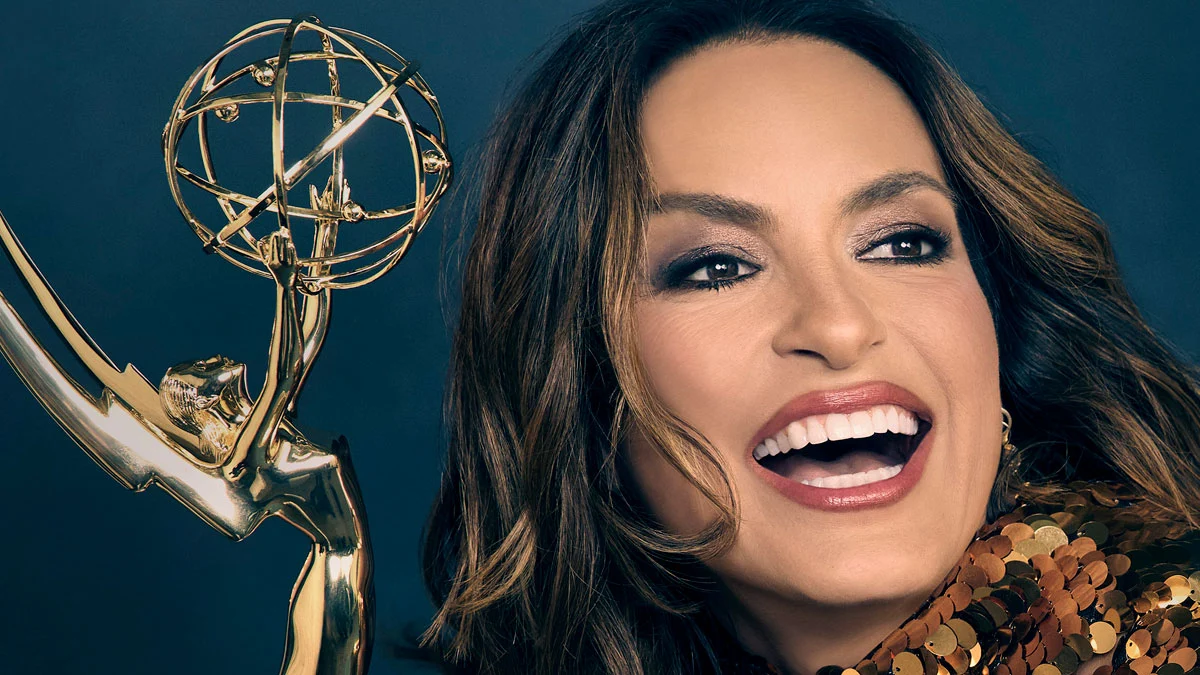
The 78th Primetime Emmy Awards, held on Monday, September 14, 2026, arrive at a pivotal juncture for the television industry. Broadcast from the Peacock Theater in Los Angeles and aired on NBC, this year’s ceremony serves as a definitive snapshot of a medium undergoing a profound metamorphosis. As the television landscape continues to consolidate around streaming ecosystems, the 2026 nominations underscore a clear divide: the overwhelming dominance of digital platforms versus the fading footprint of traditional network television. With Mariska Hargitay, fresh off her own dual-Emmy victory for the HBO documentary My Mom Jayne, serving as host, the ceremony marks a transition toward a future where the distinction between "prestige" television and high-concept streaming content has effectively vanished.
A Shifting Industry Landscape
For the past decade, the Emmy Awards have mirrored the "Streaming Wars," yet the 2026 ballot reflects a state of near-total saturation. The list of major contenders is dominated by established powerhouses—The Pitt, Hacks, Paradise, The Bear, The Diplomat, and Shrinking—all of which have seen multiple nomination cycles. This cycle, however, introduces a nuanced tension between legacy streaming hits and breakout freshmen series. Apple TV’s Pluribus and the atmospheric Widow’s Bay have emerged as the primary "new blood" threats, challenging the status quo.
Perhaps most telling is the scarcity of traditional broadcast representation. Abbott Elementary stands as the singular broadcast entity competing in the major series categories, a stark reality check compared to the landscape of 2016, where network stalwarts routinely anchored the marquee awards. This trend suggests that the Television Academy is no longer evaluating television as a singular craft across different delivery methods, but rather prioritizing the serialized, high-budget production models championed by streaming giants.
The Drama and Comedy Frontrunners
In the Drama Series category, The Pitt has entered the evening as the statistical favorite. Having maintained a high level of critical and viewership consistency through its second season, the show represents the current industry preference for gritty, character-driven narratives. However, the Comedy Series race offers a more complex narrative. While Hacks concludes its celebrated run—a factor that historically sways voters toward a "final season" sentiment—it faces a formidable challenger in the horror-comedy hybrid Widow’s Bay. Having secured eight trophies during the Creative Arts Emmys over Labor Day weekend, Widow’s Bay has demonstrated a technical and artistic consensus that may well translate into a surprise upset for the reigning champion.
The Spotlight on Lead Acting
The category of Lead Actress in a Drama highlights the intersection of legacy talent and evolving performance styles. Rhea Seehorn, whose long-overdue recognition for Better Call Saul remains a sore point for many critics, is now a frontrunner for her work on Pluribus. Her primary competition is Zendaya, contending for the final season of Euphoria. While the third season of the HBO drama received a polarized reception—with critics noting that Sam Levinson’s conclusion for the character of Rue lacked the narrative cohesion of previous outings—Zendaya’s status as a cultural icon and two-time Emmy winner for the same role makes her a persistent, formidable variable in the voting process.
The Changing Face of Variety
The Outstanding Variety Series category has witnessed a historic disruption this year. For years, the category was synonymous with the dominance of Last Week Tonight With John Oliver. The inclusion of Saturday Night Live into this specific category, combined with the heightened visibility of late-night hosts, has created a crowded field. The race appears to have narrowed between the recently canceled The Late Show With Stephen Colbert and the enduring Jimmy Kimmel Live!.
In an era of intense political polarization, both shows have maintained high relevance. The camaraderie between the hosts, who have engaged in a highly public, good-natured cross-promotional campaign for one another, highlights a rare moment of unity in a sector currently grappling with the uncertainty of the late-night talk show format’s future. Analysts suggest that a win for Colbert would serve as a tribute to the legacy of his tenure, whereas a win for Kimmel would represent an endorsement of his program’s longevity.
The Limited Series Contention
In the Limited Series category, the field is markedly less crowded with "buzzy" contenders than in previous years. The competition is effectively a three-way standoff: the return of past champion Beef, the high-production-value FX biopic Love Story: John F. Kennedy Jr. & Carolyn Bessette, and HBO’s DTF St. Louis. Given that David Harbour and Linda Cardellini have already secured wins for their supporting performances in DTF St. Louis, the series is currently viewed by oddsmakers and industry pundits as the momentum-heavy favorite to take the top prize.
Chronology of the 2026 Awards Season
The lead-up to this year’s ceremony was characterized by several key milestones:
- May 2026: The Television Academy announces the official eligibility window for all series, confirming the inclusion of late-blooming streaming hits.
- July 2026: Nomination announcements confirm the shift toward streaming dominance, with broadcast networks receiving their lowest count of major nominations in the history of the awards.
- August 30-31, 2026: The Creative Arts Emmy Awards are held. Widow’s Bay dominates the technical categories, signaling a potential shift in voting preferences for the Primetime ceremony.
- September 14, 2026: The 78th Primetime Emmy Awards ceremony.
Broader Implications and Industry Impact
The implications of the 2026 Emmy Awards extend far beyond the gold statues handed out tonight. The industry is currently contending with the aftermath of the recent strikes and the subsequent re-evaluation of production budgets. The fact that many of the nominated shows, such as The Diplomat and Shrinking, rely on tight, ensemble-based storytelling rather than the massive, CGI-heavy spectacles of years past, suggests a return to character-centric television.
Furthermore, the "campaigning" seen between late-night hosts reflects a broader industry trend toward collective advocacy. As streaming platforms begin to implement more aggressive cost-cutting measures, creators and performers are finding that their leverage lies in the strength of their public image and the loyalty of their fanbases.
The Academy’s decision to include Saturday Night Live in the Variety Series category is also seen by media analysts as a strategic move to bolster viewership. By including a show with a massive, consistent audience, the Academy hopes to reverse the declining ratings of the broadcast itself. Whether this will successfully bridge the gap between niche streaming audiences and the broader public remains to be seen.
Conclusion
As the evening progresses, the distribution of awards will serve as a bellwether for the next twelve months of television production. A win for Widow’s Bay would solidify the influence of cross-genre storytelling, while a win for The Pitt would affirm the industry’s commitment to the "prestige drama" model that has defined the last decade. Regardless of the outcome, the 2026 Emmy Awards remain the most significant indicator of how the medium is evolving, reflecting not just the shows that audiences watch, but the platforms upon which they choose to watch them. With Mariska Hargitay at the helm, the ceremony promises to balance the gravity of these industry shifts with the celebratory spirit that defines the annual television ritual. Live updates on the winners will continue throughout the evening, providing a full accounting of which programs have successfully navigated the complexities of this transitionary year.








Leave a Reply