
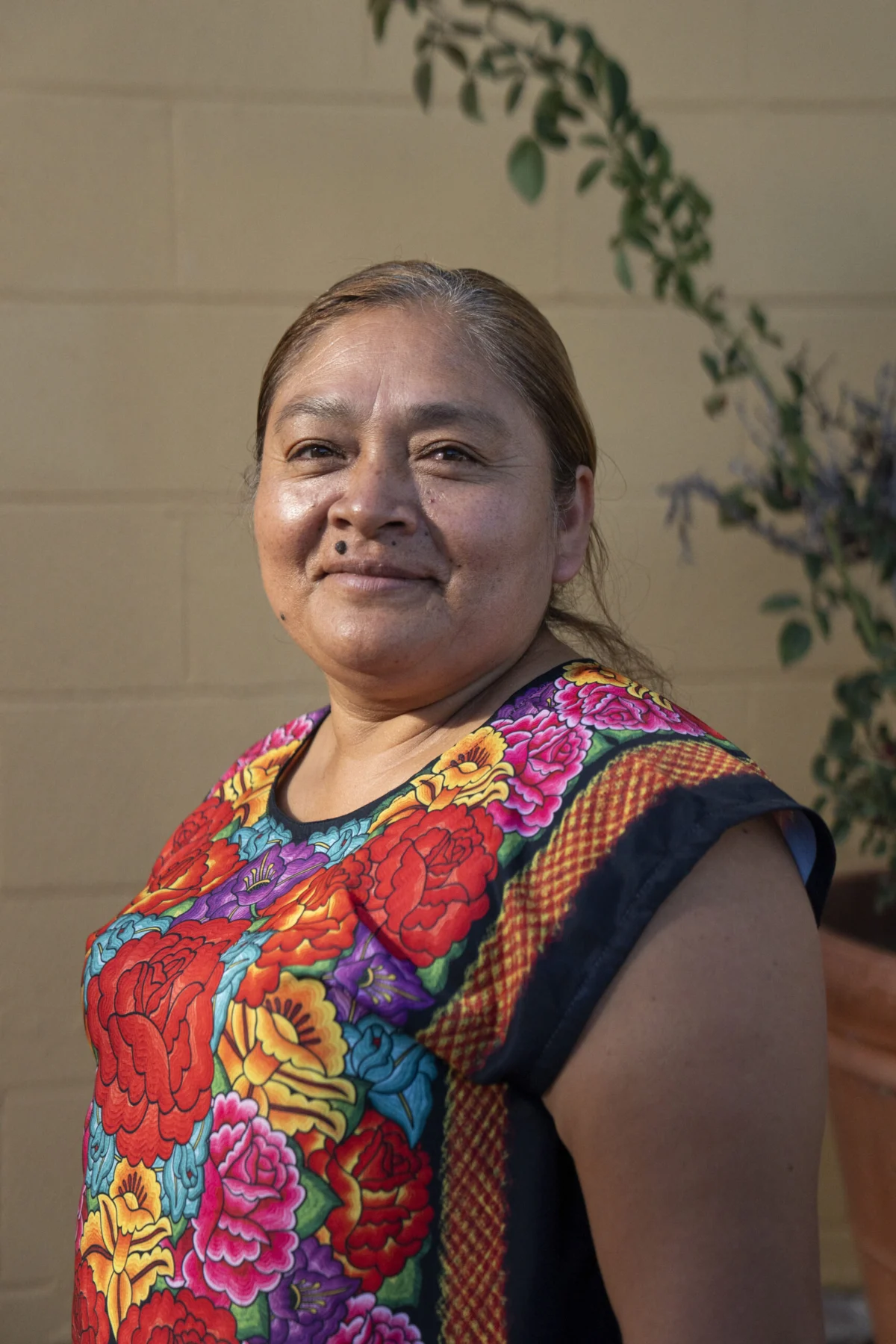
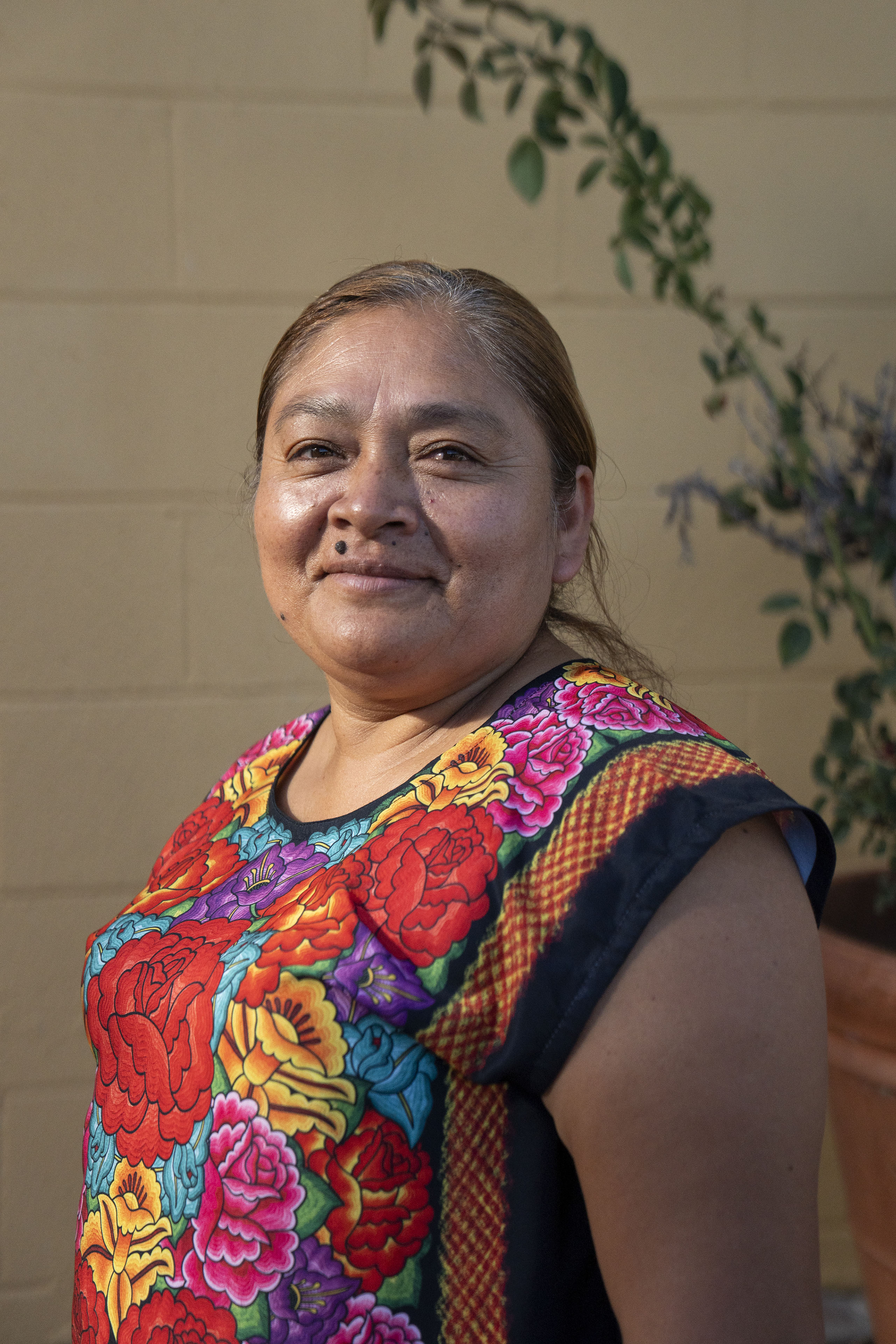
The doorway of a neighbor’s apartment in Oxnard, California, served as the backdrop for a heartbreaking encounter on a chilly December morning. Norma Gómez, a project manager for the Mixteco Indigena Community Organizing Project, stood on the threshold holding bags filled with essentials—food, diapers, baby wipes, and winter clothes. Peering up at her was a six-year-old girl, her dark eyes briefly illuminating with a fragile glimmer of hope.
“Are you the person who’s going to bring my mom back?” the child asked.
Gómez, whose organization provides critical food assistance to families targeted by Immigration and Customs Enforcement (ICE) raids in this coastal agricultural community, felt an immediate knot tighten in her chest. The little girl and her baby brother had been left entirely on their own after federal agents apprehended both of their parents right outside their home. Reluctant to shatter the child’s optimism with the harsh reality of bureaucratic detentions, Gómez offered a guarded, gentle evasion: “We’re working on that.”
Across the United States, this harrowing scenario has repeated itself thousands of times. Since President Donald Trump returned to office and initiated an aggressive, sweeping immigration enforcement campaign, millions of mixed-status and immigrant families have been thrown into severe turmoil. While policy debates in Washington largely focus on economic metrics, border security, and federal logistics, a parallel humanitarian crisis is quietly unfolding in classrooms, pediatric clinics, and living rooms across the nation. The collateral damage of these policies is increasingly borne by children—the vast majority of whom are American citizens.
The Scope of Separation and Institutional Disruption
The modern wave of immigration enforcement has triggered unprecedented levels of family separation and psychological distress. According to recent data from tracking organizations and policy institutes, the federal government has detained the parents of an estimated 205,000 children through April, a figure that continues to climb steadily. Furthermore, analysis from investigative newsrooms indicates that thousands of minors themselves have been swept directly into detention facilities.
The ripple effects of these actions extend far beyond immediate family units. Millions of children living in mixed-status households are losing vital lifelines. Recent legislative changes, including a sweeping federal tax-and-spending law enacted last summer, have systematically curtailed immigrant eligibility for critical public benefits, including food assistance and health insurance coverage. Simultaneously, updated "public charge" rules implemented by the administration grant immigration officers broad discretionary power to deny legal status or green cards to lawfully present immigrants if they or their family members have utilized safety-net programs.
Consequently, healthcare advocates estimate that more than one million U.S. citizen children are at risk of being disenrolled—or have already been pulled away—from essential health and nutrition programs like Medicaid and the Children’s Health Insurance Program (CHIP). Fearing surveillance and arrest, parents are increasingly reluctant to take their children to school, seek routine medical care, or engage in community and recreational activities. Student absenteeism has spiked in districts with high immigrant populations, and attendance at community health centers has plummeted as families retreat into the shadows.
A Chronology of Policy Shifts and Escalating Enforcement
The intensification of immigration crackdowns represents the realization of a cornerstone agenda item from President Trump’s second term. The timeline of these policy rollbacks and institutional shifts illustrates a rapid, methodical dismantling of protections for immigrant and mixed-status families:
- January 2025 (Inauguration Day): The administration issues an executive order aimed at challenging birthright citizenship for children born to parents without legal status or those residing in the country on temporary visas. Although ultimately blocked by the Supreme Court, the order immediately sparks widespread panic and confusion among expectant mothers and families.
- February 2025: The psychological toll of the shifting political climate manifests tragically. Reports emerge from North Carolina and other states detailing instances of immigrant youths experiencing severe distress, culminating in suicides linked directly to harassment and community anxiety over family immigration status.
- Summer 2025: Congress passes a major budget and tax reconciliation package that significantly restricts federal safety-net eligibility, effectively freezing many low-income immigrant families out of vital nutritional and medical assistance programs.
- Late 2025: High-ranking administration officials ramp up rhetoric regarding mass deportations. Social media declarations by policy architects characterize incoming migrant populations as threats to domestic stability, fueling widespread fear across urban centers and rural agricultural hubs alike.
- Spring to Summer 2026: Enforcement actions accelerate significantly, backed by multi-billion-dollar funding boosts for ICE and Customs and Border Protection. The administration moves to dismantle or stall protections under Temporary Protected Status (TPS) and the Deferred Action for Childhood Arrivals (DACA) program, placing hundreds of thousands of U.S. citizen children at immediate risk of parental separation. In July, new public charge rules take effect, intensifying administrative barriers to healthcare and social services.
Official Rationales and Competing Perspectives
Proponents of the administration’s policies maintain that aggressive immigration enforcement is essential for national security, economic preservation, and the restoration of the rule of law. White House officials and Republican lawmakers argue that mass deportations and stricter enforcement measures ultimately benefit American citizens by alleviating strain on public infrastructure, lowering housing costs, protecting domestic jobs, and eliminating criminals from communities.
Defending the administration’s focus on border security and interior enforcement, White House spokesperson Lauren Bis deflected criticism regarding the welfare of children, pointing instead to the policies of the previous administration. In an email statement, Bis emphasized what she described as the ongoing crisis of youth exploitation: "The real story is the psychiatric impact on the tens of thousands of children who were smuggled across the border—many by human and sex traffickers."
Furthermore, prominent administration figures have repeatedly argued that lenient immigration frameworks incentivize unlawful entry and burden taxpayer-funded systems. Stephen Miller, a key architect of the administration’s immigration strategy, asserted on social media that unchecked migration imports systemic socioeconomic challenges from developing nations.
In sharp contrast, economists, sociologists, and legal scholars challenge these assertions. Decades of demographic and economic research indicate that immigrants—both documented and undocumented—pay billions in taxes, rely on welfare at significantly lower rates than native-born citizens, and experience rapid economic and social integration the longer they reside in the United States.
The Broader Impact: Psychological Trauma and Public Health Costs
For the children caught in the crossfire, the consequences are profound and potentially irreversible. Wendy Cervantes, director of immigration and immigrant families at the Center for Law and Social Policy, expressed deep concern over the long-term trajectory of this generation. “This type of stress can have long-term developmental harm and can really inhibit their ability to do well in school, to have good health outcomes, and to grow into thriving, stable adults,” Cervantes noted.
Psychiatrists, pediatricians, and community health workers report an unprecedented surge in anxiety, depression, and trauma-related symptoms among minors in immigrant communities. Daycare operators have reported toddlers arriving with packed bags in anticipation of sudden parental disappearances. In extreme cases, the psychological weight has proven fatal; tragic incidents, such as the suicide of a 19-year-old in Georgia following his father’s deportation, have underscored the acute vulnerability of youths grappling with sudden family fracture.
This widespread trauma carries a substantial societal price tag. A landmark federal study published in Health Affairs estimated that health conditions stemming from childhood trauma accounted for $292 billion in healthcare expenditures in a single recent year, drawing heavily on taxpayer-funded programs like Medicaid. Public health experts warn that the systematic disruption of family units will likely generate multi-generational medical and economic costs that far outweigh any immediate fiscal savings achieved through enforcement actions.
Community Resilience and Alternative Solutions
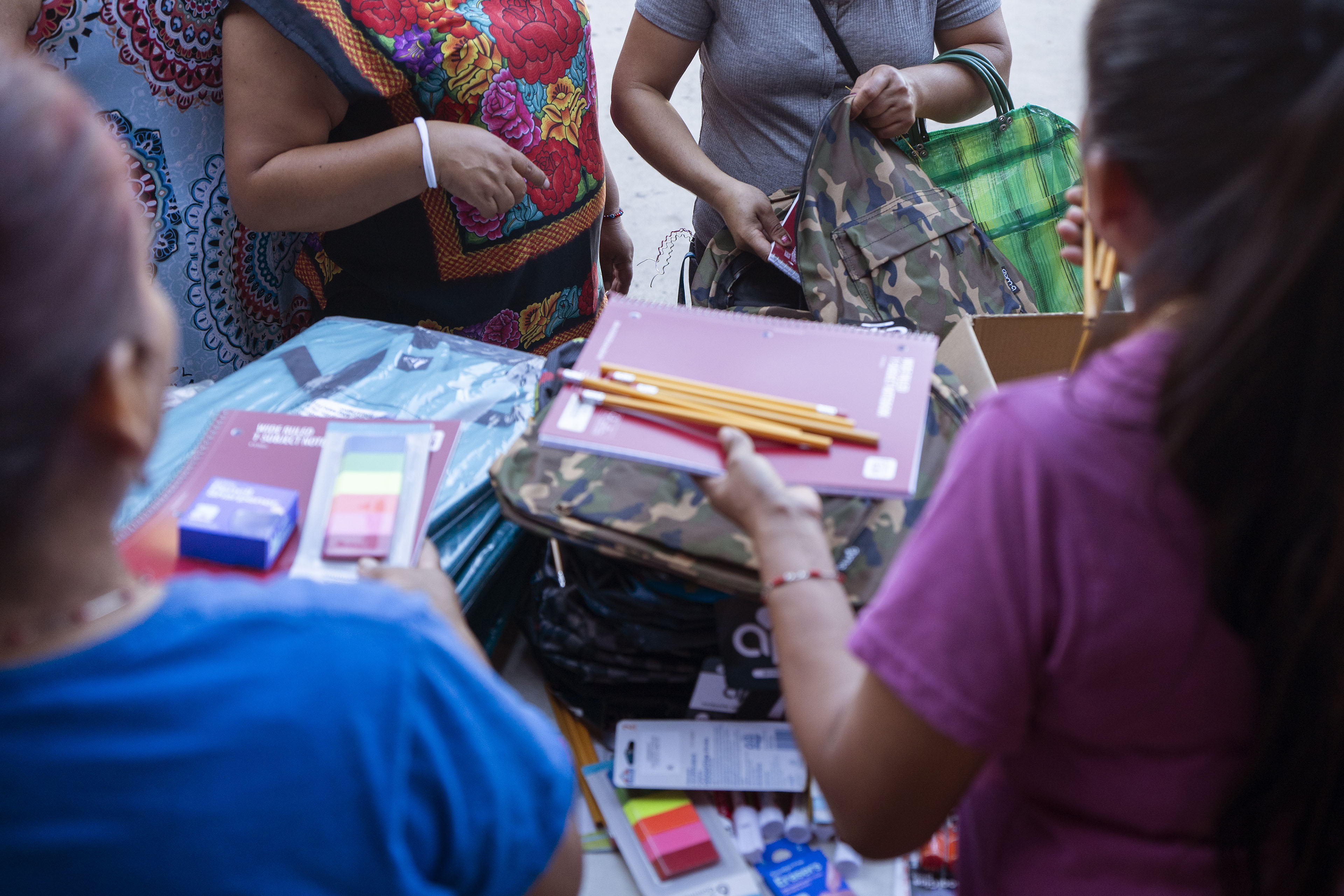
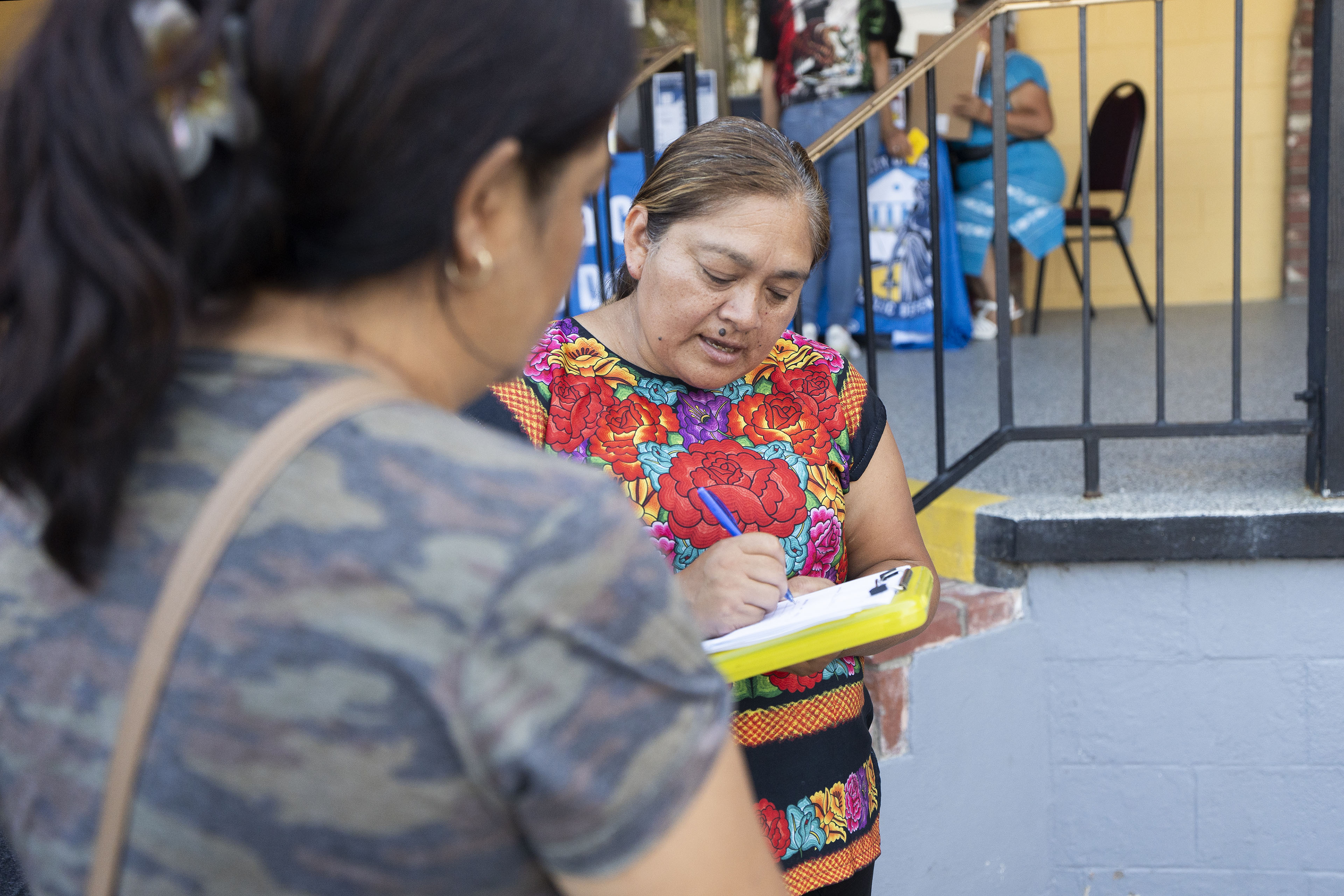
Despite the pervasive climate of fear, local networks, mutual aid groups, and grassroots organizations are mobilizing to shield vulnerable families. In communities throughout California and across the nation, volunteers organize food distributions, establish free mental health clinics, coordinate walking groups to safely escort children to school, and assist parents in drafting emergency legal plans for alternative child custody in the event of a raid.
Academic researchers and child advocates emphasize that mitigating this crisis will ultimately require structural policy reforms. Pointing to past federal initiatives—such as the Family Case Management Program launched during the Obama administration—experts argue that non-punitive, community-based approaches can successfully ensure compliance with immigration proceedings while preserving family integrity and sparing children from toxic stress.
As case managers like Mabel Alavez at the Venice Family Clinic in Los Angeles continue to navigate the daily realities of terrified parents and anxious children, the future remains uncertain. For first-generation American youths striving to build a stable life, the added burden of constant vigilance creates an extraordinary hurdle. As Alavez reflected: “It’s hard for me to imagine how they could possibly do that in addition to what’s going on now. I do feel like there will be a big impact on them. What that might look like, I’m not exactly sure.”








Leave a Reply