BAKERSFIELD, Calif. — For 41-year-old Ulises Hernandez, navigating the state’s healthcare system has been a lifelong reality. A lifelong resident of California’s Central Valley, Hernandez has relied on Medicaid—known in California as Medi-Cal—for as long as he can remember to manage his health needs from a wheelchair. But a routine procedure earlier this fall turned into an alarming ordeal that he says exposed the fragile state of the American healthcare safety net.
In September, during a dental procedure, a crown slipped down Hernandez’s throat. The incident forced him into an eight-hour emergency room wait for urgent medical intervention, followed by more than two days without food or water. Sitting in his wheelchair outside the Bakersfield office of Republican U.S. Representative David Valadao, Hernandez joined fellow constituents and activists to protest looming federal spending cuts. Reflecting on his hospital stay, Hernandez described the agonizing experience as a terrifying window into the future of healthcare under newly enacted federal policy.
“I couldn’t eat, I couldn’t drink, I couldn’t do anything, and I was in pain,” Hernandez said, just days after being discharged. “I’m livid.”
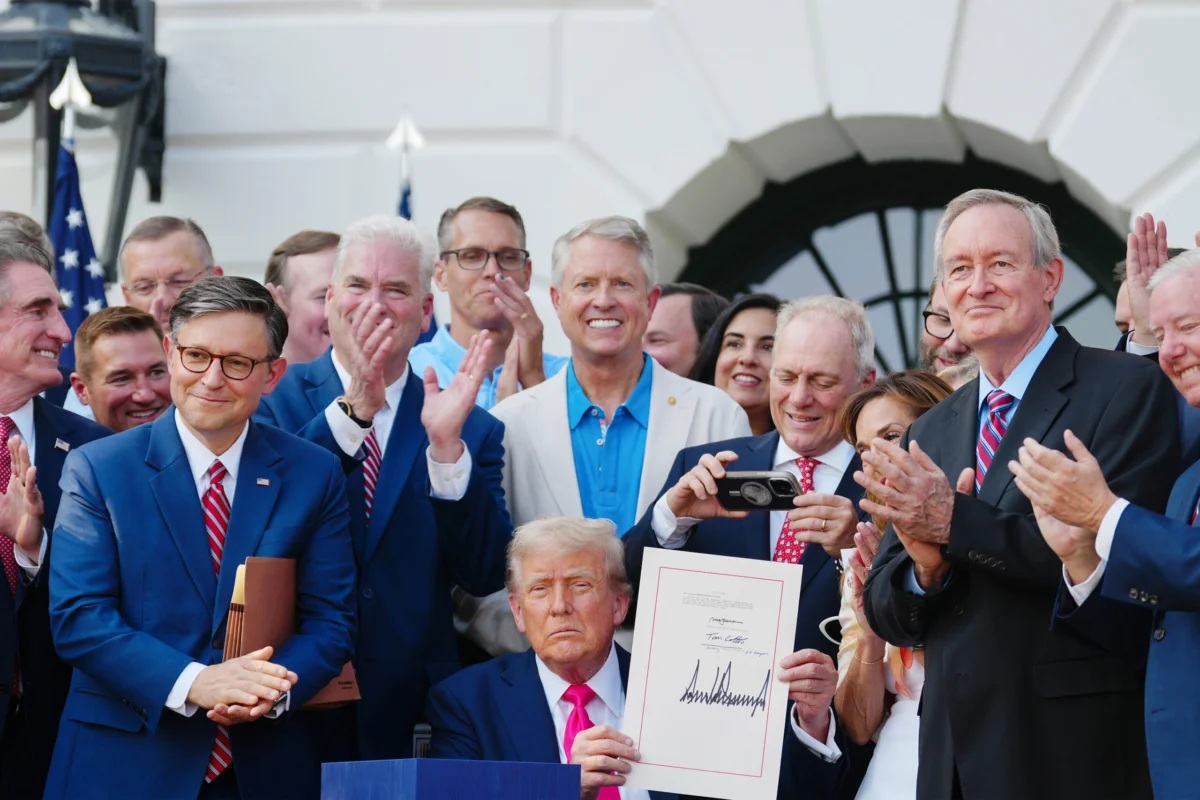
Hernandez’s frustration is directed squarely at Rep. Valadao, whom he accuses of betraying vulnerable constituents by voting in favor of the controversial federal tax-and-spending legislation known as the One Big Beautiful Bill Act. The sweeping legislative package is projected to reduce federal Medicaid spending by more than $900 billion nationwide through 2034. It achieves these reductions by instituting stricter eligibility criteria, increasing the frequency of required re-evaluations, and scaling back the flow of federal matching funds to individual states.
The political fallout from this vote has transformed what was already a competitive Central Valley congressional district into a national battleground. Hernandez, like many voters in the region who depend on government-backed health coverage, plans to cast his ballot for Democratic challenger Randy Villegas. The outcome of the race could prove decisive in determining which party controls the U.S. House of Representatives.
Fertile Ground, High Unemployment, and a Healthcare Reliance
The political dynamics of the Central Valley are shaped by its unique geography and economy. Bakersfield is an oil town where pump jacks punctuate the horizon and wide city streets recall an era of rapid industrial expansion. Nearby, the dry bed of the Kern River stands as a testament to the heavy water demands of the surrounding agricultural empire. Kern County is one of the nation’s most productive agricultural regions, often celebrated as the nation’s breadbasket, yet it suffers from persistent, high rates of unemployment and deep-seated economic challenges.
These socioeconomic factors have created an environment where government-sponsored healthcare is not a luxury, but an economic necessity for a massive portion of the population. Approximately 60% of the constituents residing in Valadao’s congressional district are enrolled in Medicaid. For these families, shifts in federal policy regarding healthcare access carry immediate, everyday consequences.
Policy analysts warn that the local impact of the federal legislation will be severe. According to projections by the Center for American Progress, an estimated 60,000 residents in Valadao’s district alone could lose their health coverage by 2034. This projected loss stems from a combination of the new Medicaid restrictions and the scheduled expiration of enhanced premium tax credits for insurance plans purchased through the Affordable Care Act (ACA) marketplace.
On a statewide level, researchers estimate that the new rules will force more than 2 million Californians off their healthcare coverage. Furthermore, California stands to lose approximately $30 billion annually in federal healthcare funding—a reduction larger than that of any other state in the nation.
A History of Resilience Meets a Redrawn Political Map
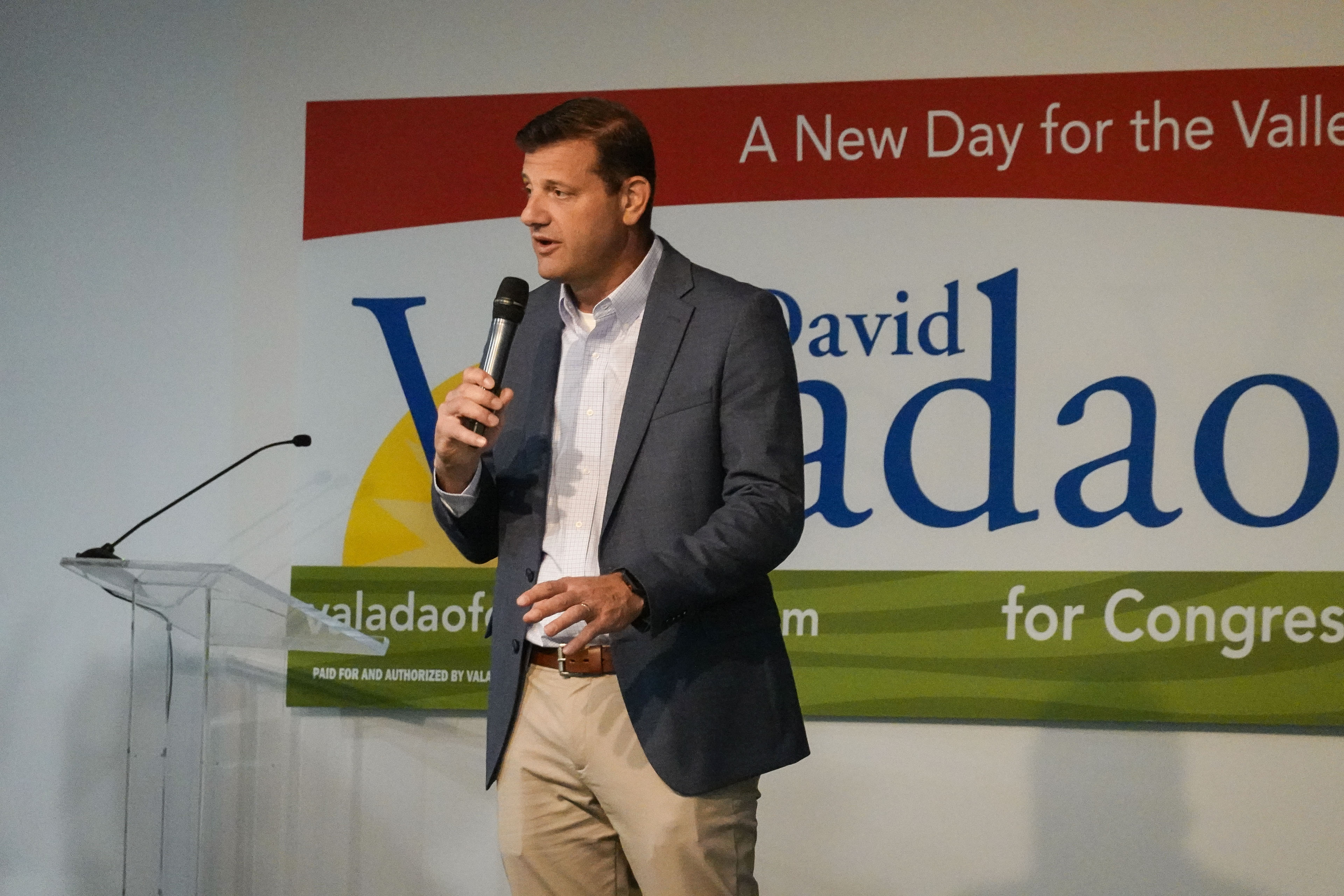
Despite the heavy Democratic voter registration advantage in the district—where registered Democrats have outnumbered Republicans by double digits since Valadao was first elected in 2012—the incumbent Republican has repeatedly defied political gravity. Valadao has won six of his seven congressional campaigns by carefully tailoring his platform to local concerns, focusing heavily on water infrastructure, agricultural policy, and regional economic development. He has also frequently distanced himself from national party leadership and the platform of Donald Trump. Notably, Valadao remains the last Republican House incumbent who voted to impeach Trump following the January 6, 2021, attack on the U.S. Capitol to still be actively running for congressional reelection.
Jeffrey Cummins, a political science professor at California State University-Fresno, notes that Valadao’s historical success has relied heavily on appealing to moderate, agriculture-focused voters who cross party lines.
“This is an area where, even when we see the registration advantage for Democrats, they are moderate Democrats who tend to be concerned with agricultural issues, and Valadao in the past has successfully appeased those voters,” Cummins said.
However, the political landscape shifted dramatically last year when California’s congressional district map was redrawn as part of a nationwide redistricting cycle. The newly configured Central Valley seat is significantly more favorable to Democrats than its predecessor. Coupled with widespread voter fatigue and rising anxiety over inflation and healthcare costs, Cummins suggests the incumbent faces his most difficult electoral test to date.
“Valadao knows that he’s on notice,” Cummins said.
The Challenger’s Populist Platform
Enter Randy Villegas, a political science professor and progressive populist endorsed by Vermont Senator Bernie Sanders. Villegas has seized upon the healthcare debate, championing the "Medicare for All" framework and centering his campaign on the defense of the social safety net.
During an October 6 televised debate, Villegas directly attacked Valadao’s legislative record, arguing that the Republican’s vote on the federal spending package threatens to devastate local families. Villegas criticized the inclusion of new work requirements and mandatory eligibility checks occurring twice a year—provisions deliberately structured to take effect following the midterm elections.
“The system that we have now, we pay twice as much as other countries across the world, despite the fact that we have worse healthcare outcomes,” Villegas told debate viewers. He contends that a single-payer universal healthcare system is the only structural solution to America’s escalating medical cost crisis.
Nationwide polling underscores the potency of the healthcare issue for voters. According to a September KFF tracking poll, healthcare remains a top voter concern regarding household affordability, with the electorate trusting Democrats over Republicans on the issue by a decisive 2-to-1 margin. This vulnerability cost Valadao his seat in 2018, when Democratic opponents successfully targeted his past votes to repeal the ACA and his alignment with national Republican leadership.
Campaign Trail Realities and Official Responses
As election day approaches, both campaigns have flooded the district with capital, turning the Central Valley contest into one of the most expensive House races in the country. Data compiled by AdImpact reveals that political action committees and party committees from both sides of the aisle have booked more than $16 million each in advertising through Election Day, representing an extraordinary level of financial saturation for a single congressional seat.
The ads are permeating the daily lives of residents in unexpected ways. Seslie Maese, a stay-at-home mother and registered Republican from Bakersfield, shared that her 7-year-old son regularly encounters political advertisements while watching children’s programming online. Though her son simply repeats slogans from the screen without grasping their political context, Maese finds herself deeply unsettled by the content.
As an undecided voter who is officially registered with the GOP, Maese said that reports regarding Valadao’s vote to restrict Medicaid access have severely damaged her trust in the incumbent. For Maese, political inconsistency is a deal-breaker.
“He just hasn’t come through with anything he said,” Maese remarked outside a local library, “especially since he cut off a lot of Medicaid.”
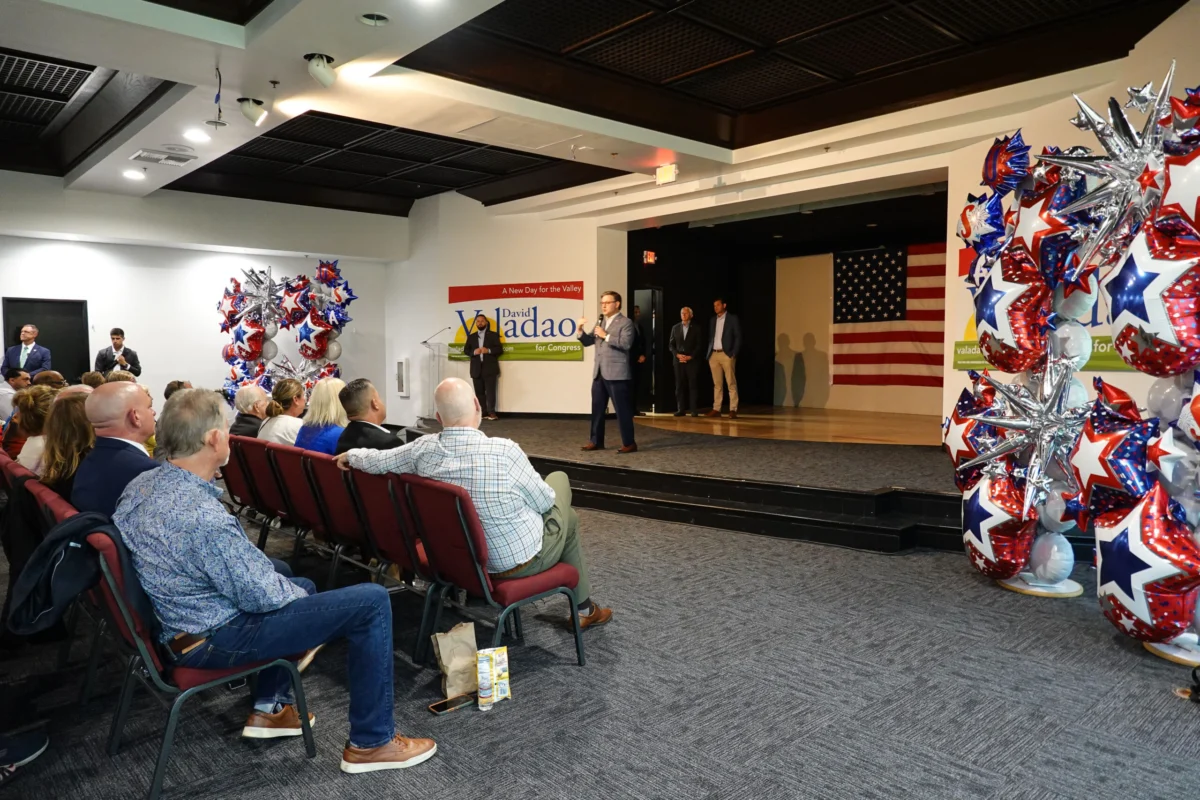
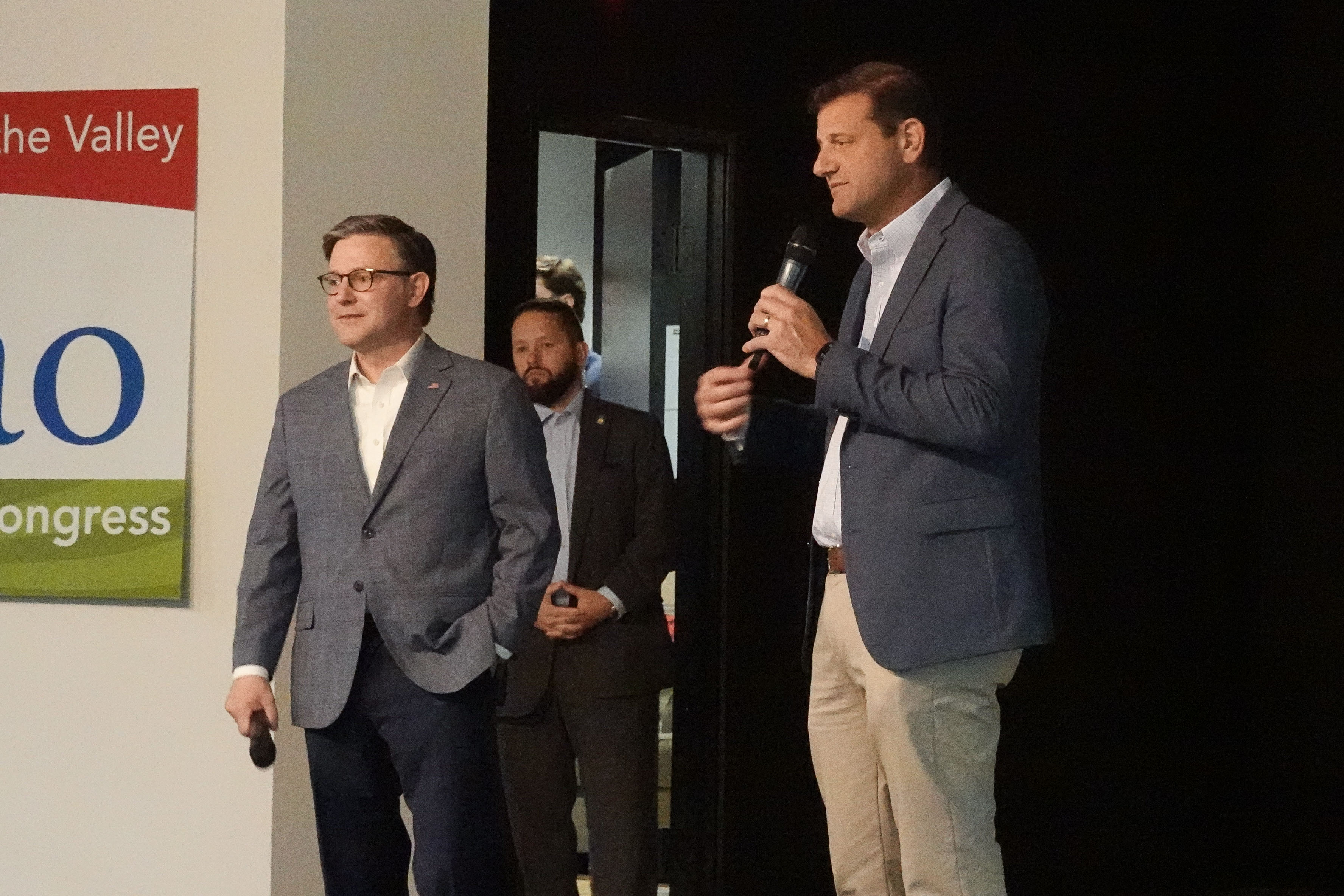
Meanwhile, the incumbent campaign has leaned into high-profile national support. On September 30, Valadao participated in an exclusive, $1,000-a-ticket fundraiser alongside House Speaker Mike Johnson, who embarked on a rapid six-week tour across 22 states to shore up the Republican House majority. The invite-only reception, held in an office building just outside the district’s boundaries, featured a stage framed by red, white, and blue star-shaped balloons.
Notably, neither Valadao nor Speaker Johnson mentioned Medicaid or the rising cost of healthcare during their formal remarks to the approximately 50 attendees. When approached by reporters following the event, Valadao repeatedly declined to answer questions regarding his vote for the One Big Beautiful Bill Act or its projected impact on his constituents’ healthcare access, asserting instead that the press was “distorting the truth.”
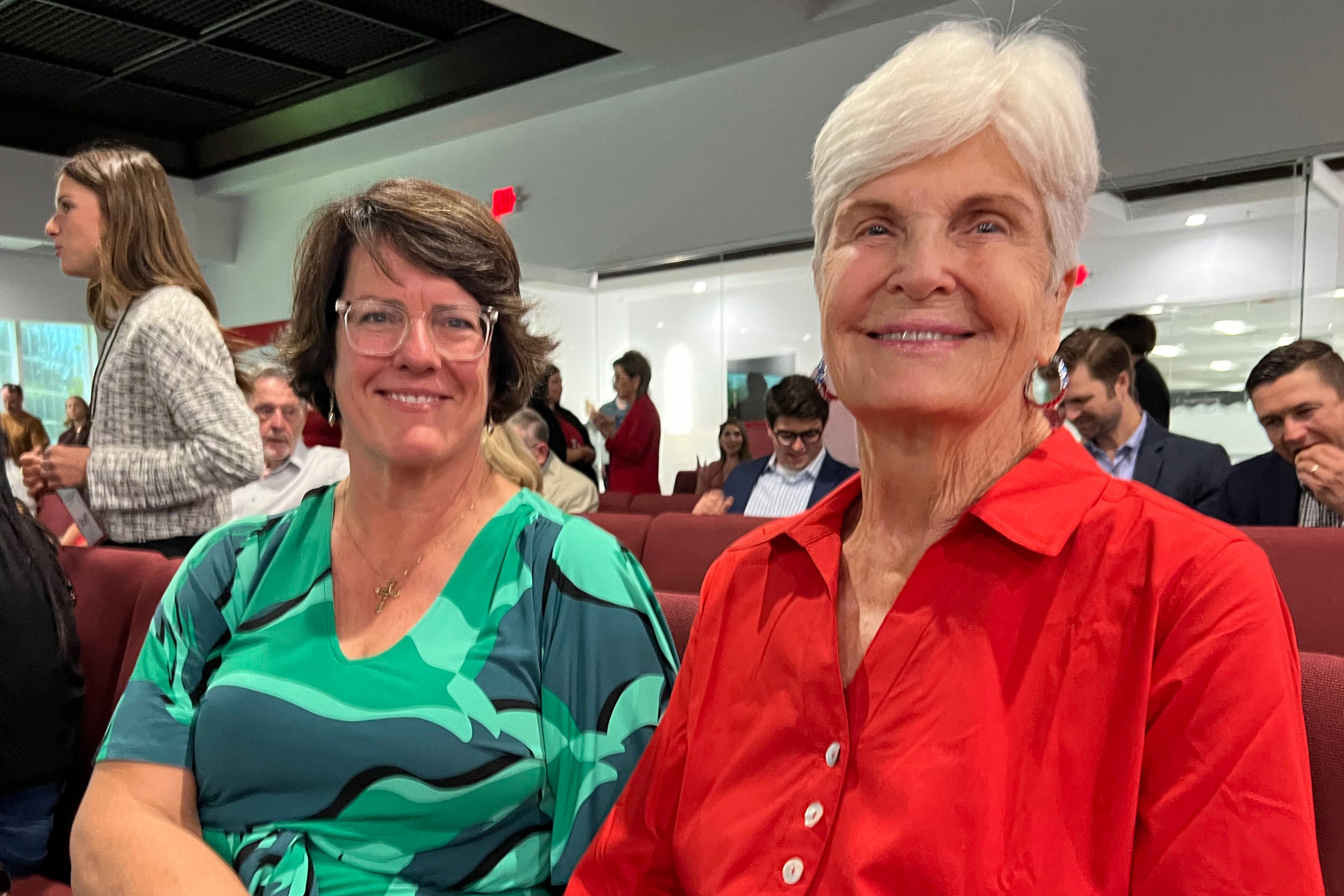
Interestingly, a review of the attendees at the exclusive fundraiser revealed that none of the guests resided within Valadao’s current congressional district. Among them was Charlotte Brandt, a retired nurse who lives in the neighboring district represented by fellow Republican Vince Fong. Brandt traveled to the event to voice her strong support for Valadao, whom she described as “a hero for the Central Valley” due to his legislative focus on water rights, oil production, and agricultural support.
Brandt’s daughter, Allison Brandt Oliver, echoed her mother’s sentiments, expressing support for the stricter Medicaid eligibility standards enacted by Congress. Oliver argued that government spending must be strictly prioritized for individuals who actively contribute to the U.S. economy.
Defending his legislative record during the October debate, Valadao maintained that his negotiations ensured the inclusion of community engagement provisions rather than outright service reductions. The rules mandate that certain adult beneficiaries prove they are actively working, participating in job training, or volunteering to maintain eligibility.
“It’s not an actual cut,” Valadao stated during the debate. “We need people to actually put in and make a fair effort to try to cover their expenses and be a part of their community. This is not an unreasonable ask.”
Broader Implications and Outlook
As voters prepare to head to the polls on November 3, the race in California’s Central Valley serves as a microscopic view of a broader national debate. The collision between fiscal conservatism and the preservation of the healthcare safety net has mobilized voters on both sides of the ideological spectrum.
Whether moderate voters in the agricultural hub will prioritize traditional local issues like water and agriculture—as they have in past election cycles—or swing toward the Democratic challenger over concerns about Medicaid cuts and healthcare affordability remains the central question of the 2026 midterms. With millions of dollars in advertising saturating the airwaves and constituents like Ulises Hernandez demanding accountability, the outcome in California’s newly drawn swing seat could ultimately help decide the balance of power in Washington.