
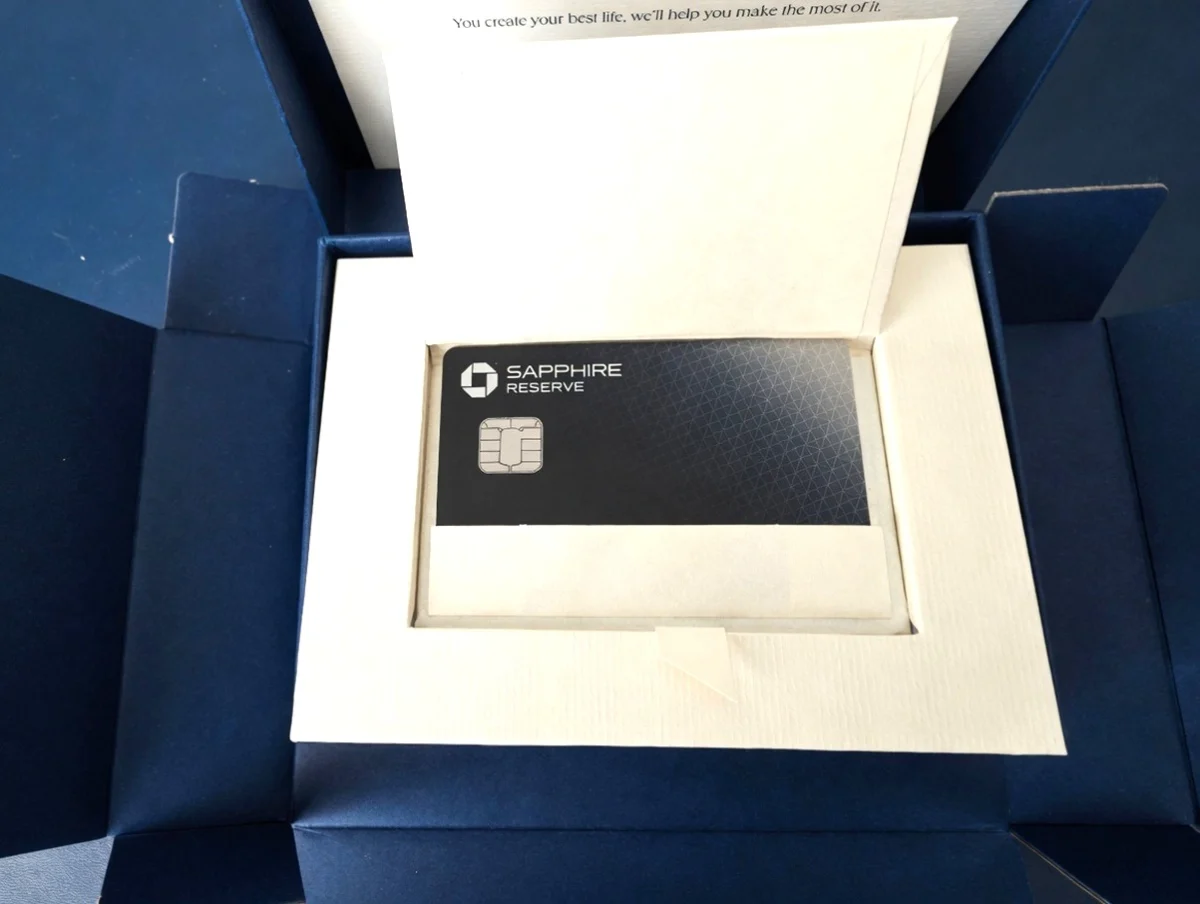
Chase has officially expanded the utility of its Ultimate Rewards ecosystem with the launch of Invest Your Points, a new feature that allows cardholders to convert their credit card points directly into cash for deposit into J.P. Morgan investment accounts. Announced on September 16, this initiative marks a strategic shift for the banking giant as it seeks to deepen the integration between its retail credit card products and its wealth management platforms.
Under the new terms, Ultimate Rewards points can be redeemed at a fixed valuation of one cent per point. For example, 100,000 points—a common bonus threshold for premium cards like the Chase Sapphire Reserve—translate into $1,000 of investable capital. This functionality is accessible through the Chase mobile application and online banking portal by navigating to the "Benefits & Travel" section, selecting "Redeem Rewards," and choosing the "Invest Your Points" option.
Contextualizing the New Redemption Model
The move represents an effort by JPMorgan Chase & Co. to retain capital within its proprietary ecosystem. Previously, cardholders seeking to invest the value of their rewards would need to redeem points for a cash statement credit or a direct deposit into a checking account, and then manually transfer those funds to a brokerage account. By streamlining this process, Chase reduces friction for customers who are already engaged in self-directed investing.
However, financial analysts note that while the feature adds convenience, it does not necessarily represent the highest possible return on investment for the average consumer. Since Chase has long allowed point redemptions for cash at a rate of one cent per point, the "Invest Your Points" feature essentially repackages an existing liquidity option rather than creating new, added value. For many users, the primary benefit is psychological and logistical, providing a more direct path to building a portfolio without the intermediate steps of cash transfers.
Chronology of Chase Rewards Evolution
Chase’s rewards program has undergone significant transformation over the past decade. The introduction of the Sapphire Reserve in 2016 fundamentally changed the landscape of premium credit cards by offering a high-value travel portal and a robust transfer partner program. Following the market disruptions of 2020, Chase introduced the "Pay Yourself Back" (PYB) feature, which allowed users to redeem points at an elevated value against specific categories of spending, such as groceries or home improvement, during periods when travel was restricted.
The "Invest Your Points" feature is the latest iteration of this flexibility. While PYB remains a temporary feature tied to specific merchant categories and time-limited offers, "Invest Your Points" appears to be a permanent addition to the platform’s interface. This suggests that Chase is focusing on long-term engagement, incentivizing users to view their credit card spending not just as a means to fund travel, but as a mechanism for long-term wealth accumulation.
Comparative Analysis: Is Investment the Optimal Strategy?
When evaluating the "Invest Your Points" feature, cardholders must compare the one-cent-per-point valuation against other redemption pathways. In many instances, utilizing points for travel through the Chase travel portal or transferring them to airline and hotel partners can yield significantly higher returns.
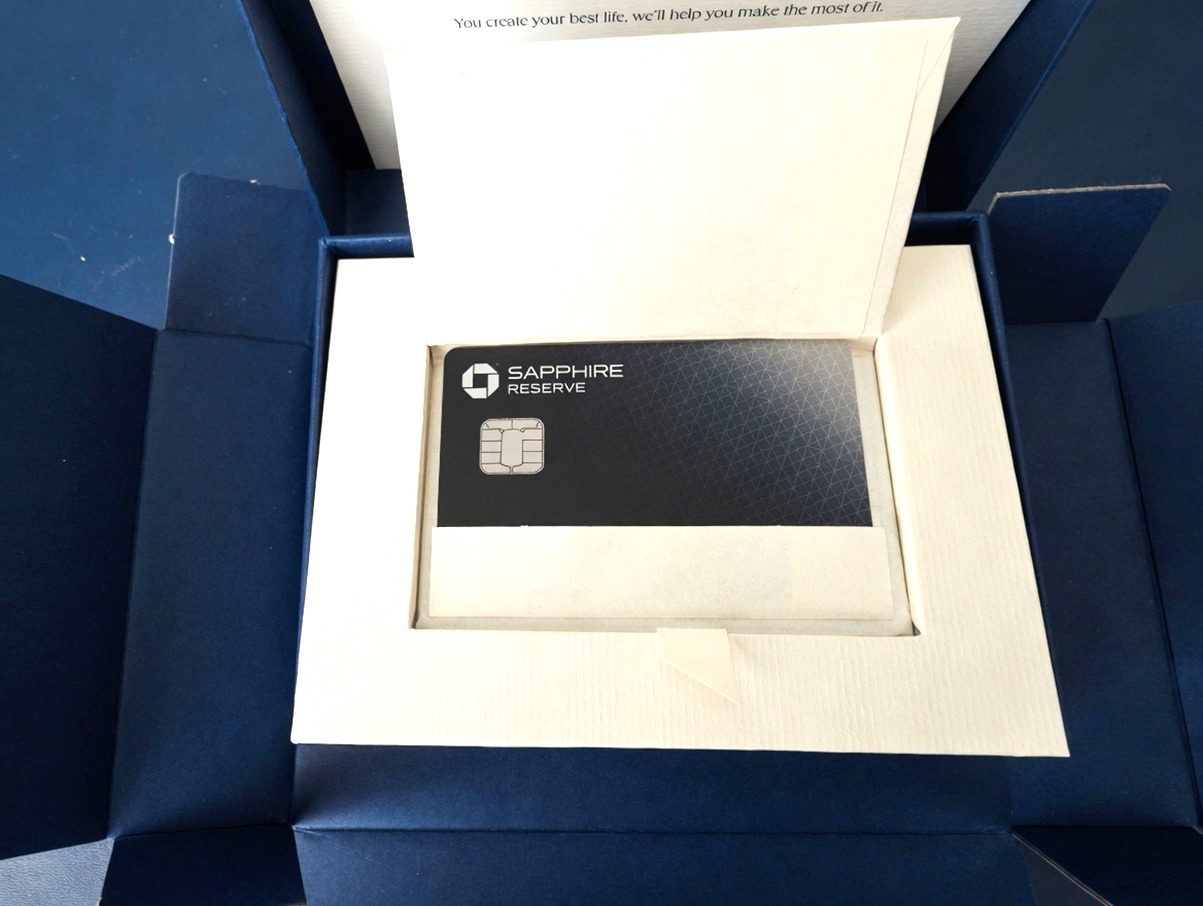
For instance, if a cardholder redeems points for a luxury travel experience that carries a market value of two cents per point, the effective value of 100,000 points is $2,000. If that same user chose the "Invest Your Points" route, they would receive only $1,000. In this scenario, the user would be sacrificing $1,000 in potential value. If the individual’s objective is to maximize the amount of money they have available to invest, the most effective strategy is to redeem points for travel costs they were already planning to incur, thereby freeing up their own liquid cash to deposit into an investment account.
Current Pay Yourself Back Valuations
The "Pay Yourself Back" program remains the primary competitor to the new investment feature in terms of value. As of the most recent updates effective through September 30, 2026, the following valuations apply to various card products:
- Sapphire Reserve/J.P. Morgan Reserve: Eligible charities remain the most lucrative redemption at 1.5 cents per point. Annual fee credits are valued at 1.25 cents per point, while gas and public transit purchases provide 1.2 cents per point.
- Sapphire Preferred: This card offers 1.25 cents per point for eligible charity donations, 1.1 cents for pet supply and veterinary services, and 1.05 cents for public transit.
- Ink Business Series: Business owners can leverage points for 1.25 cents each toward charitable donations, or 1.1 cents for shipping, internet, cable, and phone services.
When compared to these rates, the one-cent valuation for the "Invest Your Points" feature is clearly positioned as a baseline option. It serves as an alternative to a standard cash-back redemption rather than a replacement for high-value travel or PYB redemptions.
Broader Implications for Wealth Management
The integration of credit card rewards with brokerage accounts signals a broader trend in financial services: the "all-in-one" banking model. By embedding investment tools directly into the rewards interface, Chase is positioning itself to capture a larger share of the "financial wellness" market. This strategy is particularly effective for younger investors who may not have large sums of initial capital but are consistent users of credit card products.
Industry observers also point to the data-driven advantages for Chase. By observing how customers redeem points—whether they favor immediate liquidity (cash), short-term savings (travel), or long-term growth (investments)—the bank can better tailor its financial products to individual risk profiles and consumer habits.
Strategic Considerations for Consumers
For the average consumer, the decision to use "Invest Your Points" should be guided by their current financial goals and the alternative value of their points. If a cardholder has no plans for immediate travel and is not interested in the specific merchant categories eligible for "Pay Yourself Back," the investment feature provides a convenient way to put idle points to work in a market-linked account.
However, those who travel frequently or have recurring expenses that qualify for higher PYB rates should exercise caution. The opportunity cost of redeeming points at one cent per point when higher-value options are available can be substantial over the lifetime of a rewards program.
Ultimately, the launch of "Invest Your Points" is a testament to the maturation of the credit card rewards industry. It reflects a move away from purely experiential rewards toward a more integrated approach that encompasses both spending and savings. While it may not be the optimal mathematical choice for the "points and miles" enthusiast, it offers a simplified, accessible, and disciplined way for the mainstream consumer to translate credit card activity into long-term financial assets. As the program matures, it is likely that Chase will continue to refine these features, potentially offering promotional rates or specialized investment vehicles in the future to further incentivize the adoption of this new redemption pathway.










Leave a Reply