

Delta Air Lines has officially unveiled its most ambitious domestic expansion strategy to date at Los Angeles International Airport (LAX), aiming to cement its position as the preeminent carrier at the vital West Coast hub. Historically, LAX has served as a fiercely contested battleground where the three major U.S. legacy carriers—Delta, United Airlines, and American Airlines—have continuously vied for market supremacy, frequently trading the top spot over successive decades.
With this latest announcement, Delta is signaling that it no longer wishes to simply share the crown. Instead, the airline is executing a calculated, long-term growth plan designed to capture a permanent competitive advantage, target lucrative corporate clientele, and secure absolute dominance in the Southern California aviation market.
The Scope of the Expansion: New Routes and Increased Frequencies
The newly announced schedule rollout is slated to take effect in phases, beginning in late 2026 and continuing through the middle of 2027. During this timeframe, Delta will introduce two entirely new nonstop routes from LAX, while simultaneously boosting frequencies on seven pre-existing markets.
While the initial rollout targets key domestic sectors, the strategic implications of these additions point directly toward capturing high-value business travelers and connecting Southern California to critical domestic business and leisure hubs. By increasing frequencies on established routes, Delta aims to provide business flyers with the schedule depth and flexibility that corporate travel departments demand when negotiating preferred carrier agreements.
At its projected summer 2027 operational peak, Delta—alongside its joint-venture and SkyTeam alliance partners—will operate more than 200 daily departures out of LAX, serving nearly 70 distinct destinations worldwide. Furthermore, airline executives emphasize that Delta will stand alone as the only carrier at the airport offering multiple daily flights to all of LAX’s top 10 origin-and-destination markets. This relentless frequency density is a cornerstone of modern hub-and-spoke economics, designed to crowd out competitors and lock in loyal frequent flyers.
The Strategic Battle for LAX: A Historical Perspective

To understand the significance of Delta’s current push, one must examine the unique operational dynamics of Los Angeles International Airport. Unlike Atlanta (ATL), Detroit (DTW), or Minneapolis-Saint Paul (MSP)—where Delta enjoys undisputed, fortress-hub status—LAX has long been characterized by a decentralized market share. No single airline has ever maintained an ironclad monopoly on passenger volume at the airport.
For years, American Airlines and United Airlines maintained massive presences supported by robust international gateways and extensive domestic feeds. Meanwhile, low-cost and ultra-low-cost carriers like Southwest Airlines and Alaska Airlines continually exert downward pressure on yields. Over the past decade, Delta has systematically invested in its infrastructure at LAX, most notably through the multi-billion-dollar modernization and consolidation of Terminals 2 and 3—now collectively known as the Delta Sky Way at LAX. This state-of-the-art facility features a centralized check-in lobby, expansive security checkpoints, a flagship Delta Sky Club, and airside connections to the Tom Bradley International Terminal.
With the physical infrastructure now fully realized and optimized, Delta is shifting its focus from terminal development to schedule saturation. By deploying additional capacity into competitive markets—frequently overlapping with rival hubs and focus cities—Delta is testing the limits of profitability in an airport notorious for margin compression due to intense capacity wars.
Corporate Strategy and the Focus on Premium Offerings
In its public communications surrounding the LAX expansion, Delta leadership placed heavy emphasis on what the airline defines as the "premium experience." In official press releases and investor briefings, the carrier frequently highlights its upgraded onboard hard products, expanded Delta One lounge access, bespoke culinary partnerships (such as high-profile collaborations with popular dining brands), and fast-track airport processing.
Aviation industry analysts note that this branding strategy aligns with broader post-pandemic consumer trends. Across the commercial aviation sector, airlines have reported that premium cabin demand—spanning First Class, Business Class, Premium Economy, and high-tier loyalty status holders—has rebounded far more robustly than basic economy demand. Consequently, network planners are prioritizing aircraft configurations featuring higher proportions of premium seating, even on domestic transcontinental and regional trunk routes out of major coastal hubs like Los Angeles and New York.
By saturating LAX with high-frequency, premium-configured flights, Delta is positioning itself to capture the lucrative coastal entertainment, technology, and finance sectors headquartered in Southern California. Corporate travel managers based in Los Angeles will now find fewer reasons to book away from Delta, given the sheer volume of nonstop frequencies now available across the airline’s network.
Industry Reactions and Market Implications
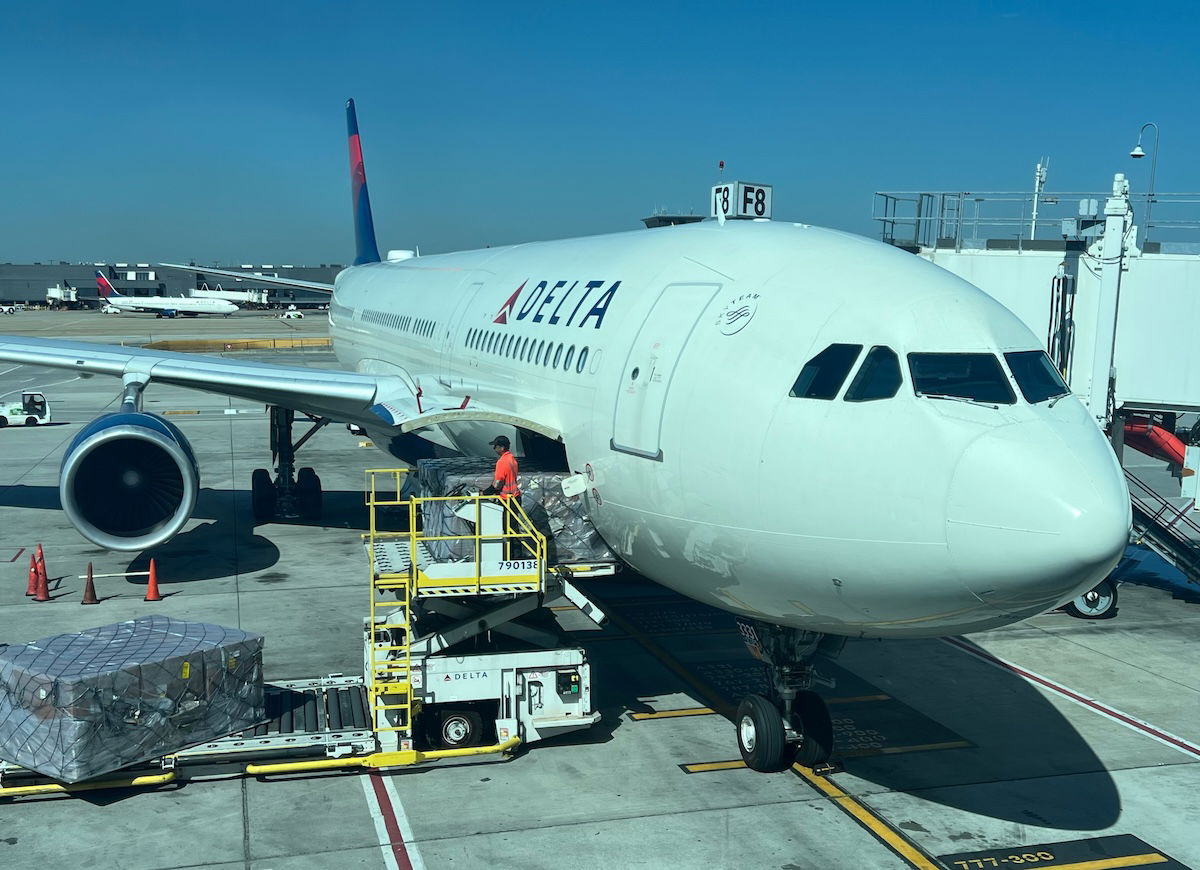
The announcement has naturally drawn the attention of industry observers, competitors, and frequent flyer communities. While Delta’s operational ambition is clear, financial analysts remain cautiously optimistic regarding the bottom-line profitability of such aggressive capacity growth.
LAX is widely recognized as one of the most cost-prohibitive airports in the United States for airline operations, driven by ongoing capital improvement projects, high landing fees, and costly gate leases. Furthermore, because American Airlines and United Airlines retain formidable loyalty bases and extensive corporate contracts in California, any attempt by Delta to seize market share will inevitably trigger defensive capacity responses or fare matching from its primary rivals.
Historically, domestic expansion at LAX has often led to yield dilution when carriers flood the market with excess seats during off-peak periods. Whether Delta can sustain these new routes and frequencies while maintaining robust unit revenues will depend heavily on sustained macroeconomic strength and continued high demand for premium corporate travel.
Looking Ahead: The Road to Summer 2027
As Delta moves closer to its projected summer 2027 operational peak, all eyes will be on how the airline integrates its newly minted routes and expanded frequencies into the complex ecosystem of Los Angeles International Airport.
The success of this expansion will serve as a critical test case for legacy carrier hub strategies in highly fragmented, multi-airline coastal markets. If Delta succeeds in establishing a permanent, profitable lead at LAX, it could rewrite the playbook for how major network airlines compete in secondary and tertiary hub environments where no single player has historically held undisputed sway.
For travelers, the immediate result of Delta’s push is clear: increased competition, greater schedule flexibility, and an escalating battle for passenger loyalty among the nation’s top carriers at one of the world’s busiest aviation gateways.










Leave a Reply