
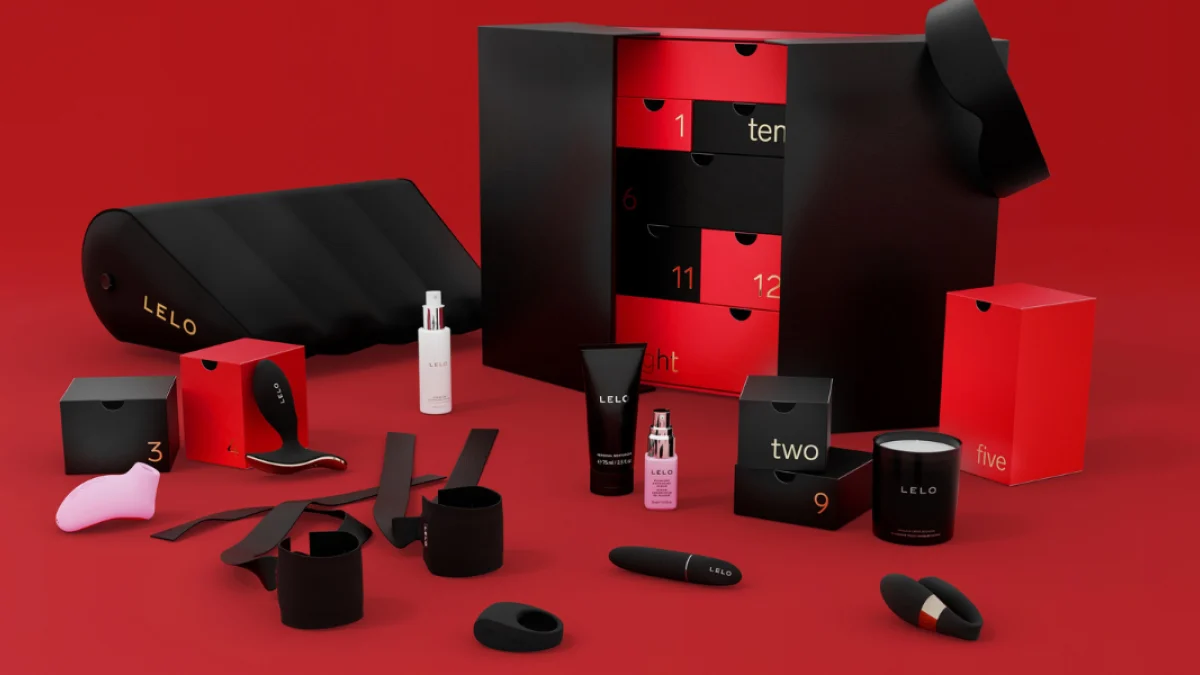
The luxury sexual wellness brand LELO has officially entered the seasonal holiday market with the launch of its inaugural Couples Calendar. Priced at $399, this curated collection marks a significant departure from traditional advent calendar offerings, which have historically relied on sample-sized products or low-cost fillers. By providing a selection of full-sized, high-end wellness devices and intimacy accessories, the brand is positioning itself within the luxury lifestyle sector rather than traditional adult retail.
Market Evolution of Seasonal Advent Calendars
The advent calendar format, originally a tradition rooted in religious observation, has undergone a profound commercial transformation over the last decade. Once dominated by chocolate and small stationery items, the market has expanded to include high-end cosmetics, luxury fragrances, and, increasingly, sexual wellness products. Data from retail analytics firms indicates that the "wellness gift box" category has seen a compound annual growth rate (CAGR) of approximately 8.2% since 2020.
Consumers are increasingly seeking "experience-based" gifts rather than purely decorative items. LELO’s entry into this space reflects a broader trend toward the destigmatization of sexual wellness, with brands now operating with the same aesthetic rigor and packaging standards as luxury fashion or beauty houses. This shift is designed to appeal to gift-givers looking for premium, functional items that align with modern lifestyle and wellness trends.
Composition and Economic Value Proposition
The primary critique of advent calendars in the luxury sector has historically been the "value-to-cost" ratio. Many high-end calendars have faced public scrutiny for including "filler" items—products with minimal retail utility or low intrinsic value. LELO’s strategy for its 2026 debut centers on the inclusion of full-sized hardware, which significantly shifts the value proposition.
According to preliminary disclosures, the calendar features a selection of the brand’s flagship intimacy devices, which typically retail individually for upwards of $100. By bundling these with secondary accessories, such as premium massage candles and high-quality restraints, the total retail value of the collection exceeds $500. For the end-user, this represents an effective discount of over 20% compared to purchasing the items individually. From a procurement standpoint, this model is designed to mitigate the "sampler" fatigue that has plagued other luxury calendars, providing the consumer with tangible, long-term utility.
Industry Context and Competitive Positioning
The sexual wellness industry has experienced a period of rapid professionalization. As global supply chains have stabilized and e-commerce platforms have streamlined their logistics, brands like LELO have moved away from legacy distribution models to focus on direct-to-consumer (DTC) prestige channels.
The inclusion of luxury-tier items in a 12-day format suggests a strategic focus on the "giftability" of sexual wellness. In recent years, major beauty brands have set a high bar for luxury advent calendars, often charging premium prices that have sparked debates regarding the necessity of certain inclusions. LELO’s marketing approach draws a sharp contrast to these trends by prioritizing hardware performance and material quality—specifically medical-grade silicone and body-safe materials—over the transient nature of consumables.
Sociological Implications of Modern Intimacy Products
The adoption of such calendars into mainstream holiday shopping lists serves as a barometer for shifting social norms. The inclusion of intimacy-enhancing tools in a product category traditionally reserved for decorative or cosmetic goods suggests that sexual health is being increasingly categorized under the broader "wellness" umbrella.
Psychologists and relationship experts often emphasize the importance of novelty and communication in long-term partnerships. By presenting these items as part of a structured, 12-day experience, the brand is facilitating a framework for couples to engage with intimacy in a scheduled, deliberate manner. The removal of the "taboo" element through high-end, elegant industrial design has allowed such products to move from the margins of retail into the center of the holiday gifting season.
Retail Logistics and Consumer Accessibility
The move to an advent calendar format is also a sophisticated supply chain maneuver. By bundling inventory, the brand can manage seasonal stock levels more effectively while driving higher average order values (AOV). For the consumer, the $399 price point places the item firmly in the category of "aspirational luxury," making it a competitive choice for shoppers who might otherwise consider high-end jewelry or tech gadgets as holiday gifts.
Furthermore, the brand’s focus on full-sized products addresses a common sustainability critique of the advent calendar industry: excessive packaging waste. While many calendars result in high volumes of single-use plastic containers, the longevity of high-performance wellness devices suggests a more sustainable approach to consumer goods, where the item remains in the household long after the holiday season has concluded.
Comparative Market Analysis: Luxury Gifting Trends
When compared to other luxury sectors, the pricing of the LELO calendar remains competitive. Industry observers have noted that while luxury fashion houses often charge thousands for items that may provide limited functionality, the wellness sector continues to focus on "utility-based luxury." The deliberate choice to include, for example, a massage candle alongside electronic devices, suggests a holistic approach to intimacy that balances technical hardware with sensory, ambient products.
This multi-faceted approach is common in the wellness space, where "holistic" is a primary marketing pillar. By providing a 12-day journey, the brand is not merely selling a product; it is selling a curated experience. This model is currently being replicated across various lifestyle brands, from artisanal coffee companies to skincare lines, as companies seek to increase customer lifetime value through experiential retail.
Future Outlook for the Sector
As we look toward future holiday cycles, it is expected that the intersection of wellness and gifting will continue to expand. The success of LELO’s initial foray will likely determine whether other competitors in the sexual wellness space adopt similar bundle strategies. Current projections suggest that if the product meets consumer demand, the "luxury intimacy calendar" could become a standard seasonal staple, much like the advent calendars currently offered by luxury department stores and prestige beauty conglomerates.
However, the challenge for such brands remains the navigation of varying international advertising regulations regarding adult-oriented products. The ability to market these calendars on mainstream social media and search platforms is limited by strict content policies, which often forces brands to rely heavily on email marketing, influencer partnerships, and organic search traffic.
Conclusion: The Shift Toward Curated Intimacy
The introduction of the LELO Couples Calendar serves as an indicator of a broader market maturation. By moving away from the "novelty" approach and embracing a "luxury lifestyle" aesthetic, the brand is validating the importance of sexual wellness in the modern consumer’s daily life.
For the average consumer, the shift represents a normalization of intimate health products as premium gifts. Whether this trend will lead to a permanent change in how intimacy devices are merchandised in physical retail environments remains to be seen, but the initial reception suggests a strong appetite for products that combine technical innovation with the festive tradition of the advent season. As the boundary between self-care, wellness, and intimacy continues to blur, the products offered in such collections will likely become even more integrated into the daily routines of the modern household.








Leave a Reply