
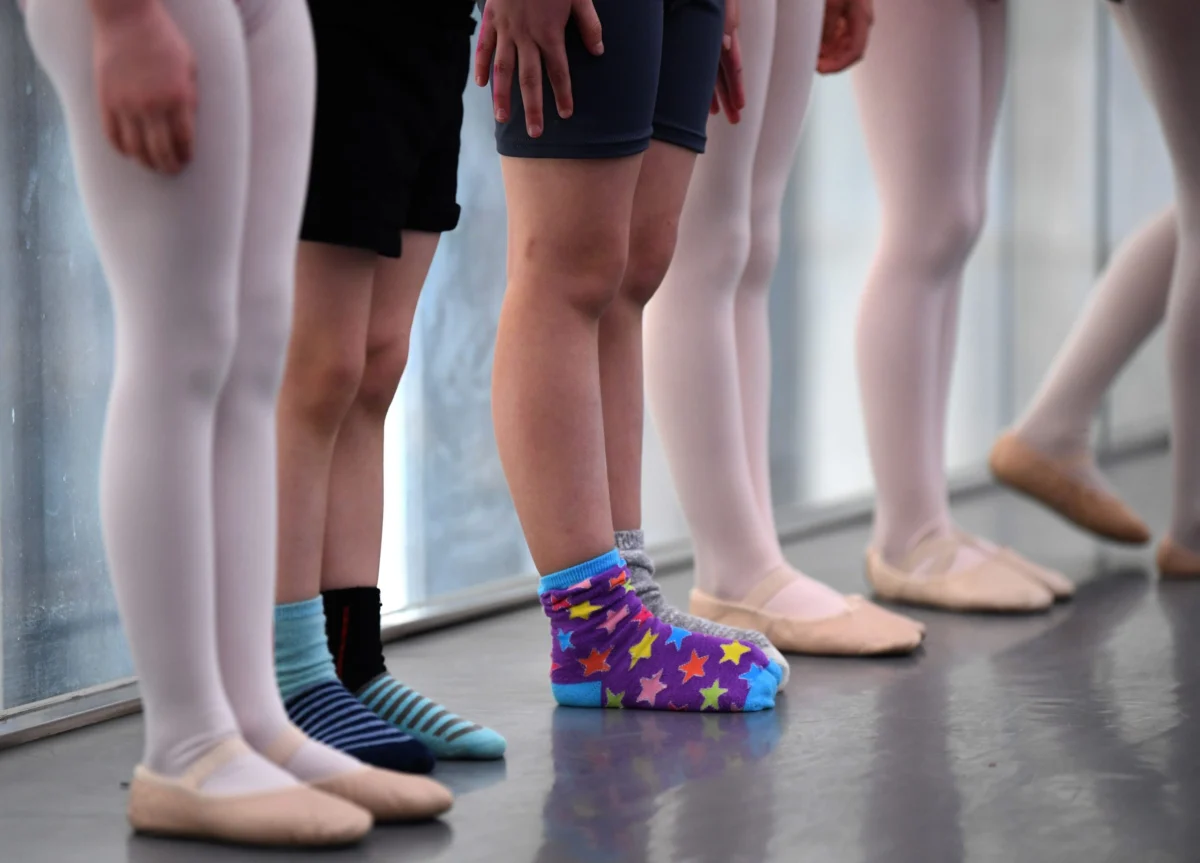
In the quiet, dust-mote-filled corner beneath a grand piano, a young fourth-grader once sat, her incessant chatter silenced by a deliberate instructional pivot. The teacher, Jacques d’Amboise—a titan of the New York City Ballet—did not scold her. Instead, he directed her gaze toward the floor, where the rhythmic tapping of sneakers and socks transformed into a visual language of discipline and grace. That singular moment, experienced in a New York City public school, would eventually spark a lifelong inquiry into the transformative power of arts education. Today, that student, Erica Rosenfeld Halverson, serves as a professor of education, recognizing that the "magic" of that encounter was, in fact, the result of a highly skilled teaching artist plying a trade that remains simultaneously vital and critically undervalued.
The Evolution and Role of the Teaching Artist
Teaching artists occupy a unique, hybrid space in the American educational landscape. They are practitioners—dancers, muralists, poets, and musicians—who bridge the gap between professional artistry and classroom pedagogy. Unlike traditional instructors who adhere strictly to standardized curricula, teaching artists prioritize the cultivation of "soft skills" that are often sidelined in high-stakes testing environments: creativity, collaborative risk-taking, and kinesthetic intelligence.
Historically, the integration of professional artists into the school system gained momentum during the mid-20th century, spurred by the belief that arts exposure was a fundamental component of a holistic education. Organizations like the National Dance Institute (NDI), founded by d’Amboise in 1976, became pioneers in this field. By bringing rigorous, professional-level dance instruction into public school classrooms, these organizations sought to democratize access to the arts, regardless of a student’s socioeconomic status.
Chronology of a Disconnect: The Economic Reality
While the impact of these programs on student achievement—including improved attendance, higher academic engagement, and enhanced social-emotional regulation—is well-documented, the infrastructure supporting these educators has remained fragile.
- 1976: Jacques d’Amboise founds the National Dance Institute, establishing a model for arts-in-education that emphasizes long-term community partnerships.
- 1990s–2000s: The expansion of arts programming in public schools faces cyclical challenges due to budget fluctuations and the rise of No Child Left Behind (NCLB) policies, which often prioritized core subjects at the expense of the arts.
- 2020–2025: Post-pandemic educational environments place a renewed emphasis on arts for student wellness, yet the economic reality for teaching artists reaches a breaking point.
- July 2025: A pivotal report, Paying for Professionalism, highlights the systemic compensation crisis, revealing that the majority of teaching artists operate in a state of precarious, seasonal employment.
Data and Financial Precarity
The professional status of the teaching artist is currently characterized by significant instability. According to the 2025 report from the New York City Arts in Education Roundtable, a significant majority of these professionals report that their compensation is insufficient to cover the escalating costs of urban living.
Key findings from recent labor studies regarding this workforce include:
- Fragmented Employment: Most teaching artists maintain "portfolio careers," juggling contracts across multiple nonprofits to piece together a living wage.
- Lack of Benefits: A staggering percentage of teaching artists lack access to health insurance, retirement contributions, or paid sick leave, largely due to their classification as independent contractors or part-time seasonal employees.
- High Turnover Rates: The financial strain leads to an exodus of talent. When experienced artists leave the field for more stable industries, the school communities suffer a loss of institutional memory and, more importantly, the severance of long-term mentoring relationships with students.
The Pedagogical Implications of Stability
When an organization provides structural support—such as year-round employment, professional development, and administrative assistance—the pedagogical outcomes shift dramatically. At NDI, which celebrates its 50th anniversary this year, the model has proven that continuity is the bedrock of success.
By ensuring that teaching artists are not merely "guests" but embedded members of the school faculty, these individuals gain the ability to tailor their instruction to the specific cultural and developmental needs of the student body. In classrooms where artists stay for years rather than semesters, the classroom teacher-artist collaboration deepens. The teachers, in turn, report learning new pedagogical approaches that allow them to identify latent abilities in students—such as spatial reasoning or non-verbal communication—that might otherwise go unnoticed in a traditional classroom setting.
Policy and Institutional Recommendations
To address these systemic failings, experts in educational policy and arts administration suggest several pathways for reform:
- Contractual Reform: School districts and partnering arts nonprofits must move away from short-term, "gig-based" funding models. Contracts should ideally incentivize longevity, offering multi-year agreements that provide security for the artist and consistency for the student.
- Philanthropic Prioritization: Donors and grant-making foundations are urged to shift their focus from "programmatic outcomes"—which often emphasize the number of students reached—to "organizational infrastructure." Investing in the well-being of the staff is increasingly viewed as the most sustainable way to achieve long-term educational impact.
- Integration of Arts in Budgeting: As schools look for ways to boost student morale and engagement, integrating arts education as a core component of the district budget, rather than a "supplementary" expense, is essential for professionalizing the roles of those who deliver it.
The Broader Impact: Beyond the Classroom
The transformation observed by Halverson under the piano was not a one-off instance of serendipity; it was a testament to the power of a stable, consistent educational presence. Research in the field of "arts-integrated learning" has shown that such experiences foster cultural empathy, as students from diverse backgrounds learn to navigate language and social barriers through shared creative expression.
When a student learns that dance or painting is a legitimate, viable way to process the world, the curriculum becomes something they participate in rather than something they endure. However, this level of engagement is predicated on the presence of an artist who is mentally and financially equipped to return week after week.
Conclusion
The challenge of sustaining the teaching artist workforce is a fundamental test for modern education. If arts education is to be recognized as a catalyst for life-changing growth, the individuals who facilitate that change cannot be treated as disposable resources.
The legacy of leaders like Jacques d’Amboise serves as both a blueprint and a warning. While his vision successfully captured the imagination of thousands of students, the long-term viability of that vision depends on a fundamental shift in how society values the labor of the artist-educator. Whether through policy reform, increased philanthropic oversight, or a cultural shift in how we perceive the "teaching" component of the arts, the goal remains clear: to build an educational ecosystem where the teacher, the artist, and the student are all supported, respected, and empowered to remain in the room for the long haul.









Leave a Reply