
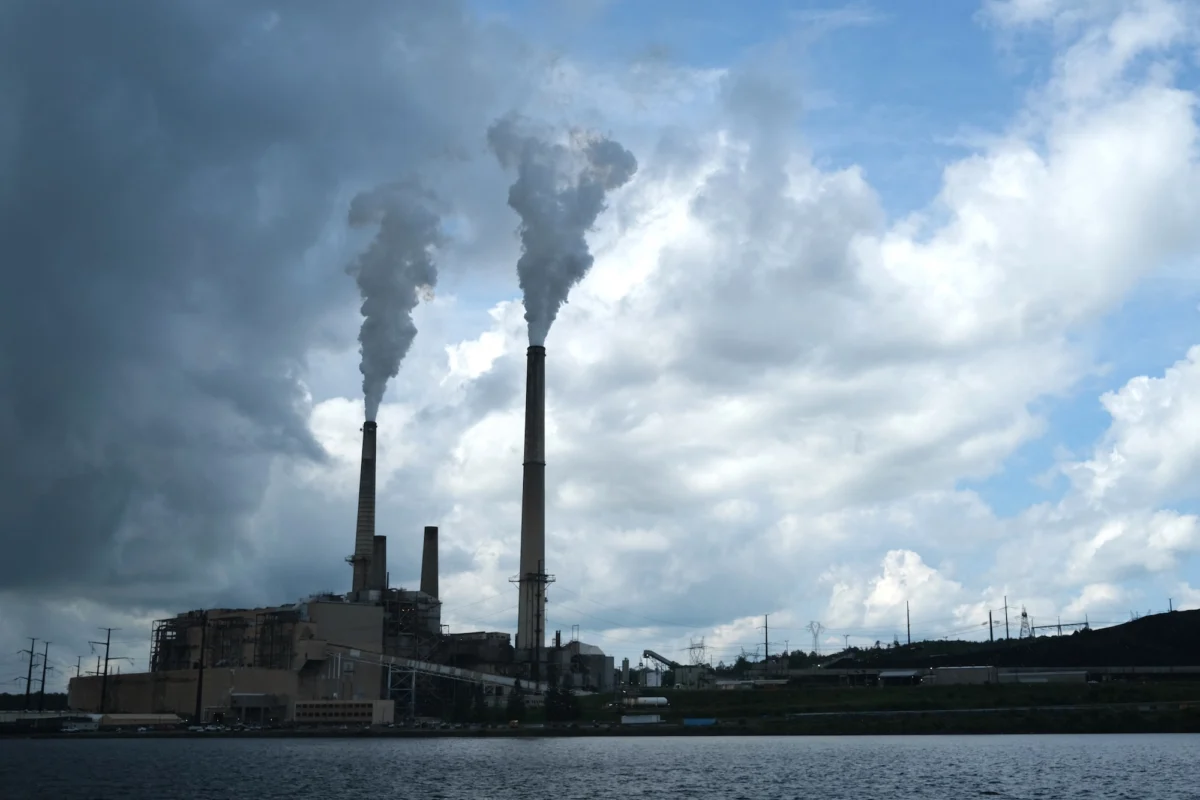
While Silicon Valley tech executives and artificial intelligence oligarchs publicly debate the speculative, existential risks of superintelligent machines turning on humanity, a more immediate and tangible threat to human health is quietly unfolding across the American landscape. According to a comprehensive new report released by the Environmental Protection Network (EPN)—an organization comprising veteran scientists and administrators from the Environmental Protection Agency (EPA)—the unprecedented expansion of artificial intelligence data centers is rapidly outstripping the nation’s environmental guardrails. This infrastructure boom, fueled by a sweeping deregulation agenda under the Trump administration, is setting the stage for a major public health crisis driven by industrial air pollution.
The core of the issue lies in the staggering energy demands of modern artificial intelligence. Training and operating advanced large language models requires massive computing power, translating to a relentless, insatiable appetite for electricity. To meet this demand, technology companies and utility providers are racing to build thousands of new data centers across the United States. However, this rush for computational supremacy is colliding directly with environmental protections. Former EPA officials warn that the federal government is systematically dismantling the very regulatory frameworks designed to protect local communities from the toxic byproducts of power generation and industrial expansion.
Anatomy of a Regulatory Retreat
Since January 2025, the EPA has initiated or completed at least 30 distinct policy rollbacks targeting pollution safeguards, environmental permitting processes, and facility inspection standards. Under the leadership of EPA Administrator Lee Zeldin, the agency has sharply pivoted away from stringent enforcement in favor of what the administration describes as a business-friendly, compliance-first approach.
In a policy memorandum circulated last year, Administrator Zeldin explicitly stated that the agency is fully committed to positioning the United States as the global leader in artificial intelligence. To achieve this, the memo outlines plans to eliminate "heavy-handed regulations" to ensure that the private sector can rapidly build and power the vast network of data centers deemed essential to making America the undisputed AI capital of the world.
This ideological shift has manifested in concrete policy changes. The administration has proposed controversial rule alterations that would allow developers to bypass traditional pre-construction air pollution permitting, enabling them to begin building data centers and their associated energy facilities before comprehensive environmental reviews are completed. Furthermore, EPA enforcement personnel have reportedly been directed to avoid actions that could "unduly burden or significantly disrupt" domestic energy production and power generation, effectively prioritizing grid expansion over clean air mandates.
The Human Toll: Pollution, Particulates, and Premature Death
The consequences of rolling back environmental regulations to accommodate the tech boom are far from abstract. Generating the gigawatts of electricity required by modern data centers has forced a heavy reliance on fossil fuels, often in ways that reverse decades of hard-won environmental progress.
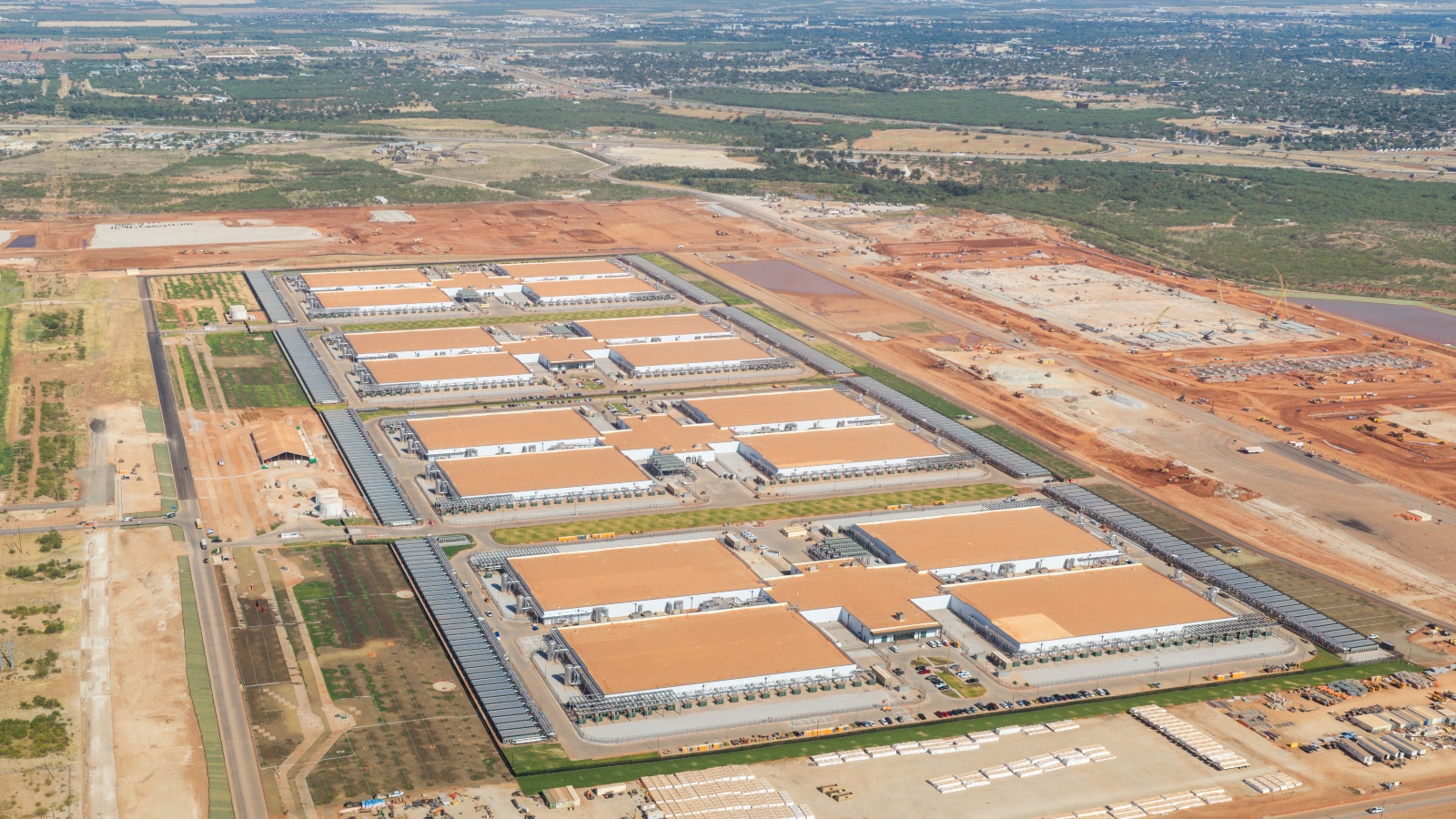
In numerous regions across the country, utilities have chosen to keep aging, highly polluting coal-fired power plants online well past their scheduled decommissioning dates specifically to feed the energy demands of nearby server farms. In other instances, hyperscale data center operators—such as xAI with its massive "Colossus" facility—have bypassed local grid limitations altogether by deploying onsite, fossil-fuel-powered gas turbines. These localized power generation units often operate with fewer emissions controls than traditional utility-scale power plants, pumping nitrogen oxides, volatile organic compounds, and fine particulate matter directly into surrounding neighborhoods.
The cumulative public health toll of these policy decisions is projected to be severe. Researchers and former environmental regulators point to alarming data underscoring the dangers of increased air pollution. A recent study cited in the EPN report estimates that the elevated pollution associated with the nationwide AI infrastructure boom could lead to roughly 1,300 additional premature deaths annually.
Dr. Lynn Goldman, a pediatrician, epidemiologist, and former EPA assistant administrator, emphasized the immediacy of these health threats during a recent press briefing. While some chronic illnesses like cancer may take years or decades to manifest following exposure to industrial toxins, other severe health impacts are immediate. Short-term exposure to elevated levels of fine particulate matter (PM2.5) and ozone is directly linked to acute cardiovascular events, including heart attacks, stroke exacerbation, asthma attacks, and a higher incidence of adverse birth outcomes such as premature births and low birth weights.
"The AI industry’s race for competitive advantage should not be a matter of life or death," Dr. Goldman stated. "American families should not have to pay for the artificial intelligence boom with their health and the health of their children."
Gutting the Scientific Watchdogs
Compounding the danger of relaxed environmental standards is the simultaneous dismantling of the federal government’s internal scientific capacity. For decades, the EPA relied on a robust, independent workforce of toxicologists, chemists, atmospheric scientists, modelers, and engineers to evaluate emerging industrial threats and establish science-based safety standards.
Dan Costa, who dedicated 35 years of his career to studying air pollution at the EPA, reflected on the historical mission of the agency during the EPN briefing. He noted that generations of researchers worked collaboratively with academic institutions to serve the public interest rather than corporate agendas, striving to protect citizens from the well-documented hazards of industrial air pollution.
However, that institutional knowledge and workforce have been severely compromised. The Trump administration has significantly restructured and scaled back the EPA’s core research offices, reallocating resources away from independent environmental monitoring and enforcement. Costa argued that this dual approach—dramatically transforming the nation’s energy and technological infrastructure while simultaneously blinding the government to its environmental consequences—defies basic logic.
"Transforming the nation’s energy system while diminishing its scientific capacity to understand what the impacts are going to be makes no sense," Costa said.
Geography of the Crisis: Rural America in the Crosshairs
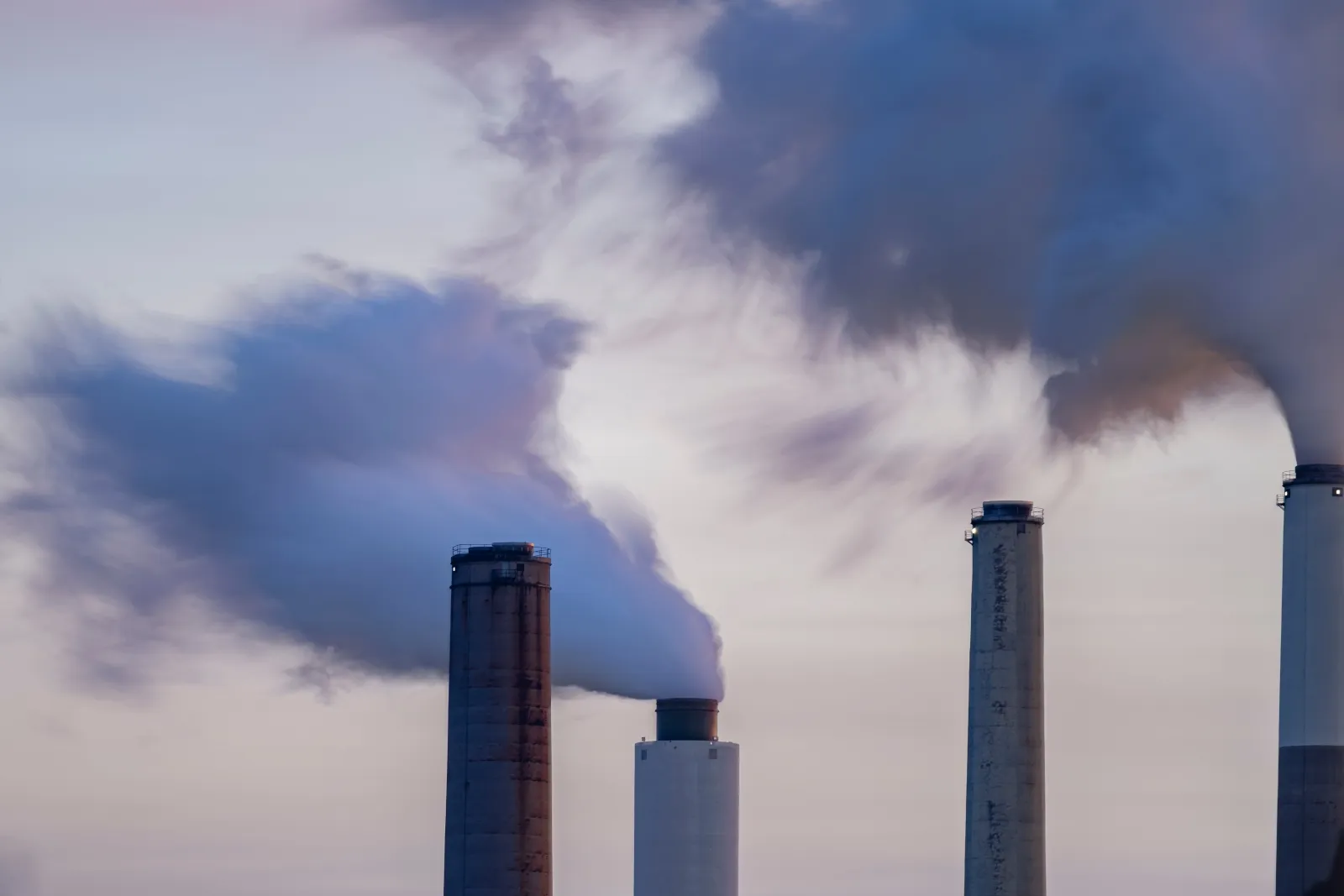
The environmental burden of the data center expansion is not distributed evenly across the population. While major technology companies are headquartered in affluent urban enclaves like San Francisco, Seattle, and New York, the physical infrastructure required to sustain them is overwhelmingly being constructed in rural areas and smaller communities.
Recent data from the Pew Research Center highlights that the vast majority of new data centers approved or planned in the United States since 2025 are slated for rural or semi-rural locations. These areas are often chosen by developers due to lower land acquisition costs, abundant space for expansive cooling systems, and proximity to existing transmission corridors or sub-stations.
Rural communities, however, frequently lack the municipal resources, specialized environmental monitoring equipment, and legal infrastructure necessary to contest complex industrial permitting decisions. When a hyperscale data center or an adjacent gas-turbine power plant moves into a rural county, local residents often absorb the entirety of the local environmental degradation—including increased water consumption, strained local electrical grids, and localized air pollution—while deriving very few direct economic benefits outside of a handful of permanent facility management jobs.
A Critical Crossroads for Energy and Environment
The collision between rapid technological advancement and environmental deregulation has created a profound policy dilemma for the United States. Proponents of the current regulatory approach argue that stringent environmental mandates create bottlenecks that threaten national security, economic competitiveness, and technological leadership, asserting that the United States must outpace geopolitical rivals in the race to achieve artificial intelligence dominance regardless of short-term environmental costs.
Conversely, public health advocates, environmental scientists, and former regulatory officials contend that sacrificing public health for the sake of technological expediency represents a catastrophic policy failure. They argue that true national leadership encompasses sustainable development, ensuring that the foundational infrastructure of the future does not come at the direct expense of the health and well-being of the citizenry.
As the number of operational data centers continues to climb past the 3,000 mark—with another 1,500 facilities currently in various stages of planning and construction—the debate over the true cost of artificial intelligence is intensifying. Without a reestablishment of rigorous environmental oversight, independent scientific monitoring, and strict enforcement of the Clean Air Act, the hidden price of the AI revolution will continue to be paid in the lungs, hearts, and lives of everyday Americans.









Leave a Reply