
As Capitol Hill lawmakers prepare to leave Washington for the final stretch of the midterm election campaigns, a bipartisan group of senators has quietly scrambled to finalize a high-stakes legislative package. This proposed energy permitting reform bill is viewed by energy analysts, utility operators, and industrial leaders as an absolute necessity to prevent a nationwide power crisis. Yet, despite mounting urgency fueled by an unprecedented surge in electricity demand, the negotiations remain fraught with political friction, public relations hurdles, and deep-seated skepticism over the future of renewable energy and artificial intelligence infrastructure.
The core objective of the legislation is to overhaul what industry advocates and federal lawmakers across the political aisle agree is a profoundly broken federal permitting process. For decades, infrastructure development in the United States—ranging from high-voltage transmission lines and natural gas pipelines to utility-scale solar arrays and wind farms—has been bogged down by complex environmental impact studies, multi-agency bureaucratic reviews, and relentless legal challenges from environmental organizations and local opponents. Industry leaders frequently warn that these systemic delays paralyze the nation’s energy grid just as demand reaches historical highs.
The Convergence of Surging Power Demand and Big Tech
The push for reform is not happening in a vacuum. For years, U.S. electricity consumption remained relatively flat, largely offset by efficiency gains such as the widespread adoption of LED lighting during the 2010s. However, that era of flat demand has officially ended. Americans are rapidly electrifying their daily lives, transitioning toward heat pumps, energy-efficient home appliances, and electric vehicles to meet long-term climate emissions targets. Simultaneously, federal policy has prioritized bringing heavy manufacturing back to domestic soil, a monumental industrial shift that requires massive, reliable blocks of power.
Complicating matters further is the explosive, unprecedented growth of the tech industry’s data center footprint. Driven by the massive computational requirements of generative artificial intelligence and cloud computing, data centers are consuming electricity at staggering rates. This sudden load is straining local power grids, driving up supply chain bottlenecks, and threatening to outpace the development of new generation capacity.
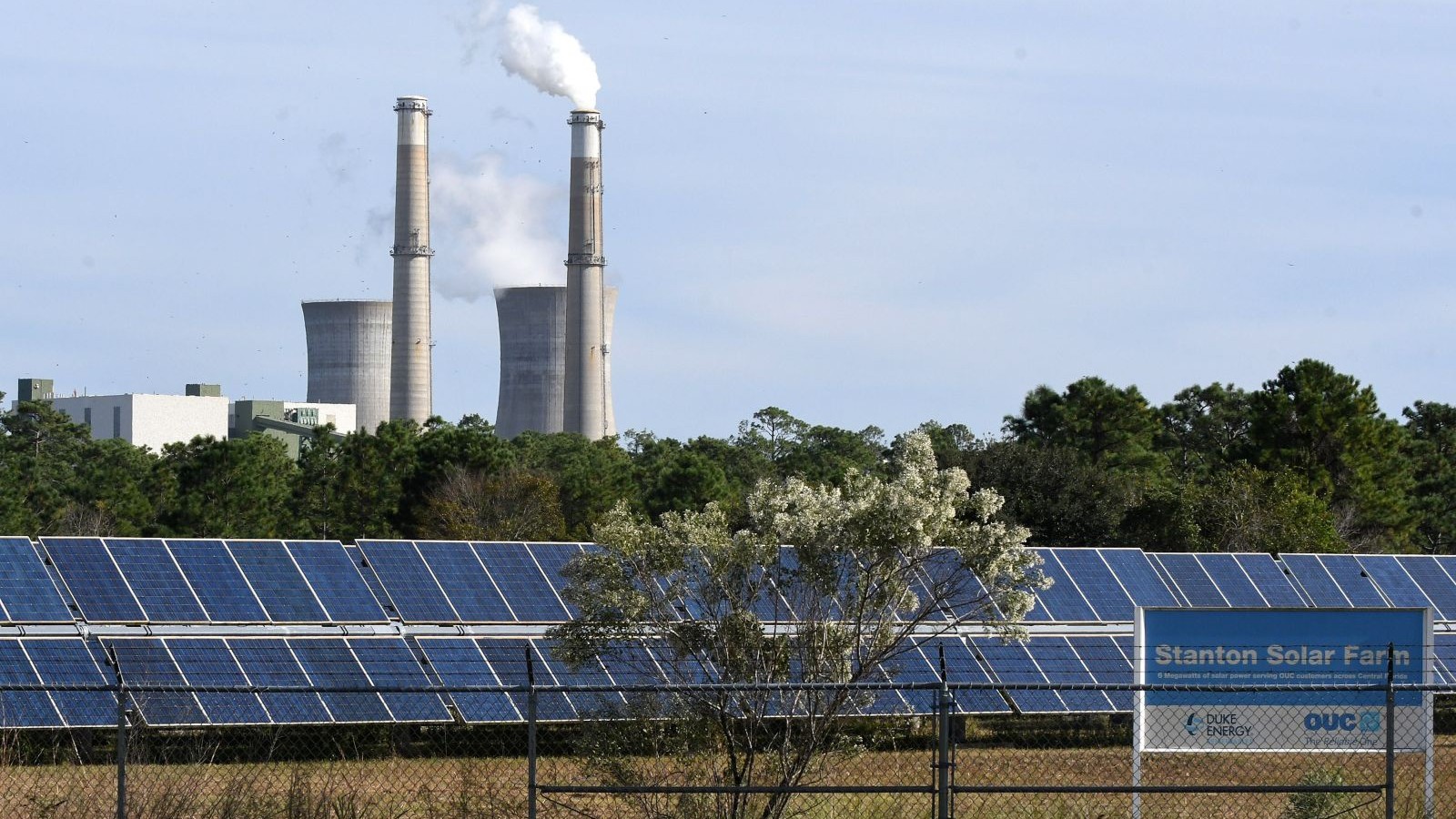
While energy developers—particularly in the surging solar and natural gas sectors—argue that federal permitting reform is the only way to avoid systemic power shortages, the political calculus surrounding these projects has turned perilous. Natural gas remains the single largest source of electricity generation in the United States and serves as a primary fuel source for the rapid deployment of new data centers. Meanwhile, solar power and battery storage account for nearly 80 percent of all new power generation expected to come online across the country.
The PR Nightmare: The Toxicity of Data Centers
Despite the undeniable need for more electrical infrastructure, lawmakers face a formidable public relations trap. Polling data compiled by Washington-based public opinion research firms, such as Redbud Consulting, indicates that data centers have become a toxic subject for American voters. Bipartisan surveys reveal that Democrats, Republicans, and independents alike overwhelmingly oppose the construction of data centers within their local communities.
This widespread grassroots animosity has created a severe dilemma for legislators facing reelection in November. While politicians recognize the economic and technical necessity of upgrading the electrical grid to support modern infrastructure, framing these reforms as a direct handout to Big Tech or data centers causes public support to plummet. Consequently, lawmakers are forced to walk a delicate rhetorical tightrope, emphasizing grid reliability, domestic manufacturing, and clean energy expansion while downplaying the role of data center integration.
Geopolitical Competition and the Global Energy Race
Beyond domestic grid stability, proponents of the permitting overhaul argue that the legislation is vital for national security and international competitiveness. Lawmakers from both parties, alongside administration officials and industry executives, have increasingly framed the energy build-out as a zero-sum race against geopolitical rivals, chief among them China.
During panel discussions at the Clean Energy Week conference in Washington, D.C., prominent lawmakers warned that cumbersome regulatory frameworks and environmental red tape are hobbling the United States on the global stage. Proponents of the bill argue that delaying the construction of modern energy systems and AI infrastructure hands a strategic advantage to foreign competitors who face fewer regulatory constraints. However, public opinion researchers note that messaging centered strictly on outcompeting China has lost some of its resonance with everyday voters, who are increasingly focused on domestic pocketbook issues.
Legislative Chronology and Past Failures
Efforts to reform federal energy permitting are not new, but previous attempts have routinely collapsed under the weight of partisan disagreements. Most notably, the Energy Permitting Reform Act of 2024 successfully advanced out of committee but ultimately stalled before reaching a full vote on the Senate floor.
The current legislative push represents the most serious bipartisan compromise attempted to date. The highest-ranking members of the Senate’s two primary energy-related committees have spent months negotiating the complex text of the draft bill. Although the specific details of the draft remain unreleased, energy stakeholders and congressional staffers anticipate that the legislation would:
- Streamline environmental and social review requirements that federal agencies must satisfy before issuing project permits.
- Loosen stringent provisions within the Clean Water Act and the Endangered Species Act that frequently stall interstate transmission lines and natural gas pipelines.
- Introduce legal protections that shield successfully issued permits from protracted post-approval lawsuits.
- Apply regulatory relief equally to both renewable energy projects and fossil fuel infrastructure, creating a compromise that appeals to a broad coalition of energy interests.
Tim Pawlenty, president of the Solar Energy Industry Association, captured the sentiment of the energy sector by bluntly warning that the nation’s energy pipeline would remain severely constrained without immediate legislative intervention.
The Executive Branch Hurdle and Bipartisan Complications
Progress on the current draft has faced unique political headwinds, particularly concerning the executive branch. President Donald Trump signaled a willingness to lift roadblocks on renewable energy projects to entice hesitant Democrats into supporting the overarching permitting deal. However, congressional Democrats expressed deep skepticism, questioning whether legislative changes would translate into practical implementation by the executive branch.
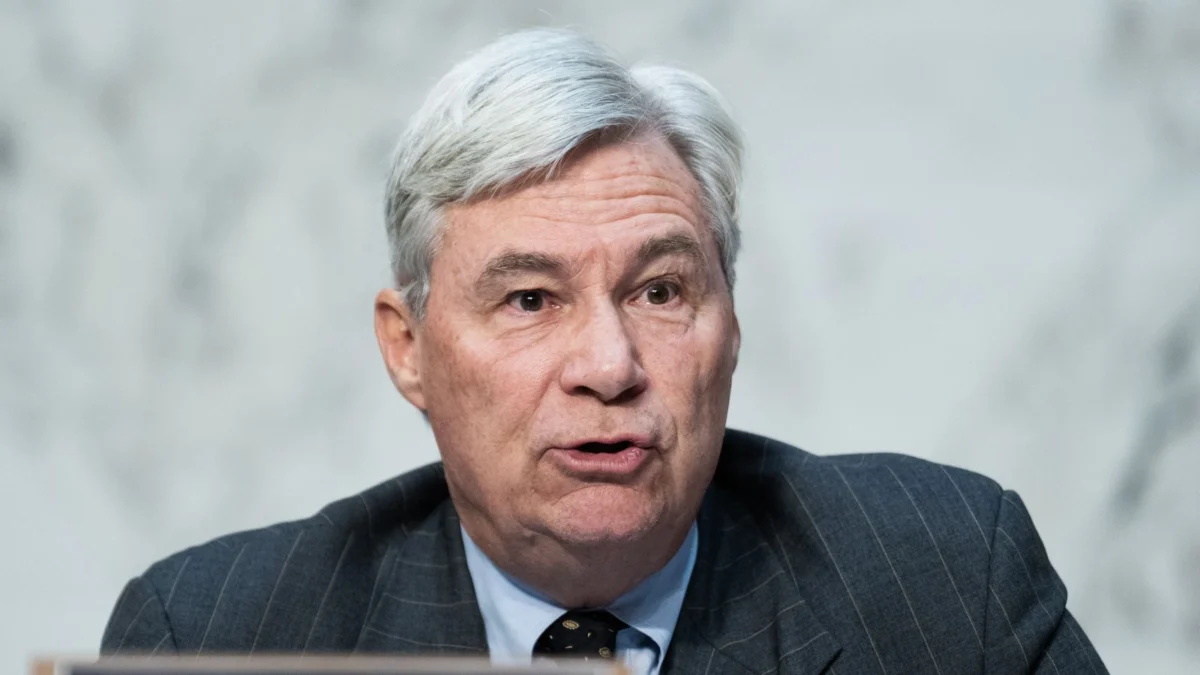
During press briefings on Capitol Hill, Senator Sheldon Whitehouse, a Democrat from Rhode Island and one of the four primary negotiators on the bill, emphasized the need for absolute clarity. Whitehouse noted that while the administration’s overtures were encouraging, lawmakers needed explicit assurances regarding what a "return to regular order" for wind and solar developments would look like in practice. These unresolved administrative details temporarily slowed the bill’s momentum.
Compounding these delays, political reporting from Capitol Hill indicated that key senators ultimately chose to push back the finalization of the text until after the midterm elections. This delay introduces significant uncertainty, as the bill will now have to compete with a crowded post-election legislative calendar, the outcome of congressional races, and potential shifts in the balance of power in Washington.
Public Sentiment, Ratepayer Protection, and the Path Forward
Recognizing deep public anxiety over rising utility bills—with recent surveys showing that 70 percent of Americans report an increase in their energy costs over the past year—legislators have pursued parallel tracks to address consumer concerns. A recent poll conducted by Redbud Consulting underscored that while voters are wary of tech-industry expansion, 71 percent strongly support expanding renewable energy as a core component of the national grid.
Reflecting this voter awareness, the House of Representatives recently passed a ratepayer protection bill designed to compel states to ensure that data centers bear the financial burden of generating their own electricity, thereby shielding everyday consumers from surging utility costs. While that specific House bill stalled in the Senate due to criticisms from Democrats who viewed the measure as insufficiently rigorous, it highlighted a growing legislative consensus: any future energy expansion must incorporate safeguards for ordinary ratepayers.
As lawmakers fan out across the country for the midterm campaign trail, the fate of the energy permitting reform bill hangs in the balance. Whether the bipartisan coalition can successfully bridge the gap between industrial necessity, environmental protection, and public skepticism remains one of the defining legislative questions facing the federal government.









Leave a Reply