
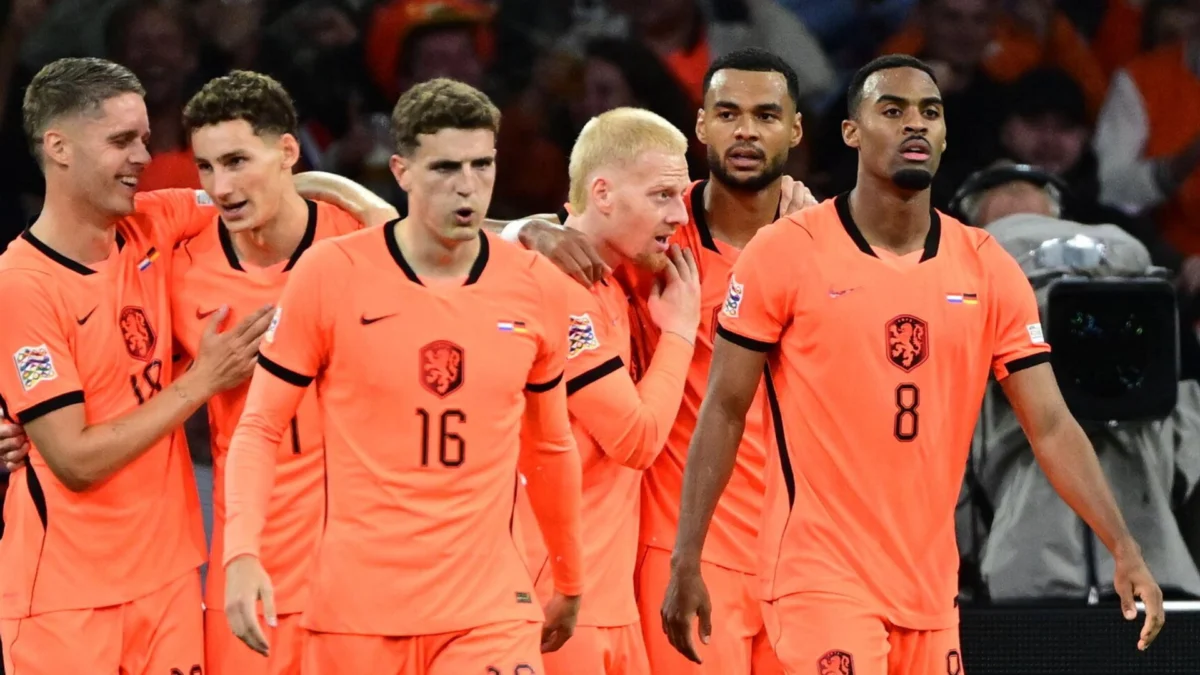
The UEFA Nations League Group A2 campaign ignited on Thursday evening with a high-stakes clash between European heavyweights the Netherlands and Germany. The fixture, held in Amsterdam, served as the much-anticipated debut for new German head coach Jurgen Klopp and a fresh start for the Dutch side under the stewardship of Xavi Hernandez. In a match defined by tactical intrigue, physical attrition, and VAR interventions, the spoils were ultimately shared following a dramatic stoppage-time volley from Cody Gakpo that nullified Felix Nmecha’s earlier strike.
The Tactical Landscape and Managerial Transitions
The match marked a significant turning point for both national programs. Jurgen Klopp, the former Liverpool manager, was appointed to the German hot seat in July following a tumultuous period that saw the team suffer a surprising exit in the last 32 of the World Cup against Paraguay under predecessor Julian Nagelsmann. Klopp’s arrival has been heralded as a necessary reset for a German side attempting to recapture the tactical dominance that historically defined their international pedigree.
Conversely, the Netherlands entered this cycle under the guidance of Xavi Hernandez, who assumed the role in August. The Dutch federation sought a complete stylistic overhaul following the departure of Ronald Koeman, whose tenure concluded after a disappointing World Cup campaign that mirrored Germany’s early elimination. Thursday’s match was the first empirical test of how these two tactical heavyweights would adapt to the demands of international football.
A Chronology of the 90 Minutes
The match began with a sense of urgency, though it was immediately tempered by personnel issues. Germany suffered a pre-match blow when playmaker Jamal Musiala was withdrawn from the starting XI due to acute muscle pain. Despite the setback, Germany initially appeared to be the more composed side, though the Netherlands signaled their intent early.
In the 15th minute, the home crowd erupted when captain Virgil van Dijk rose to meet a corner, powering a header into the back of the net. However, the celebration was short-lived; a VAR review concluded that the Liverpool defender had committed a foul on German goalkeeper Marc-Andre ter Stegen in the process of reaching the ball, leading to the goal being disallowed.
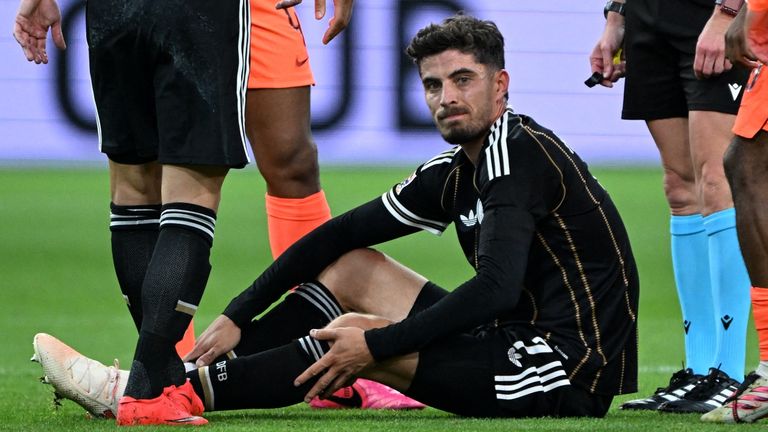
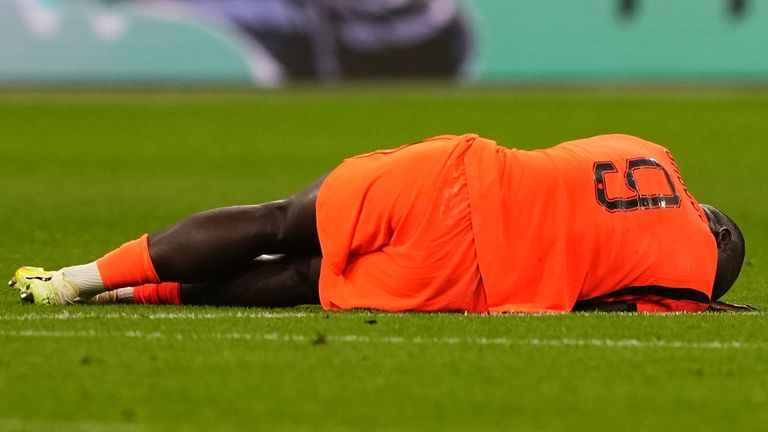
The first half proved costly from an injury perspective for both sides. Arsenal’s Kai Havertz, tasked with leading the German line, was forced off the pitch in the 30th minute. Two minutes later, the visitors capitalized on the momentum shift. Philipp Treu, demonstrating composure on the flank, delivered a precise cutback into the path of Felix Nmecha, who finished clinically to put Germany 1-0 ahead. The injury carousel continued for the Netherlands shortly thereafter, as Sunderland’s Brian Brobbey was removed from the field with a suspected hamstring injury, forcing Xavi to burn an early substitution.
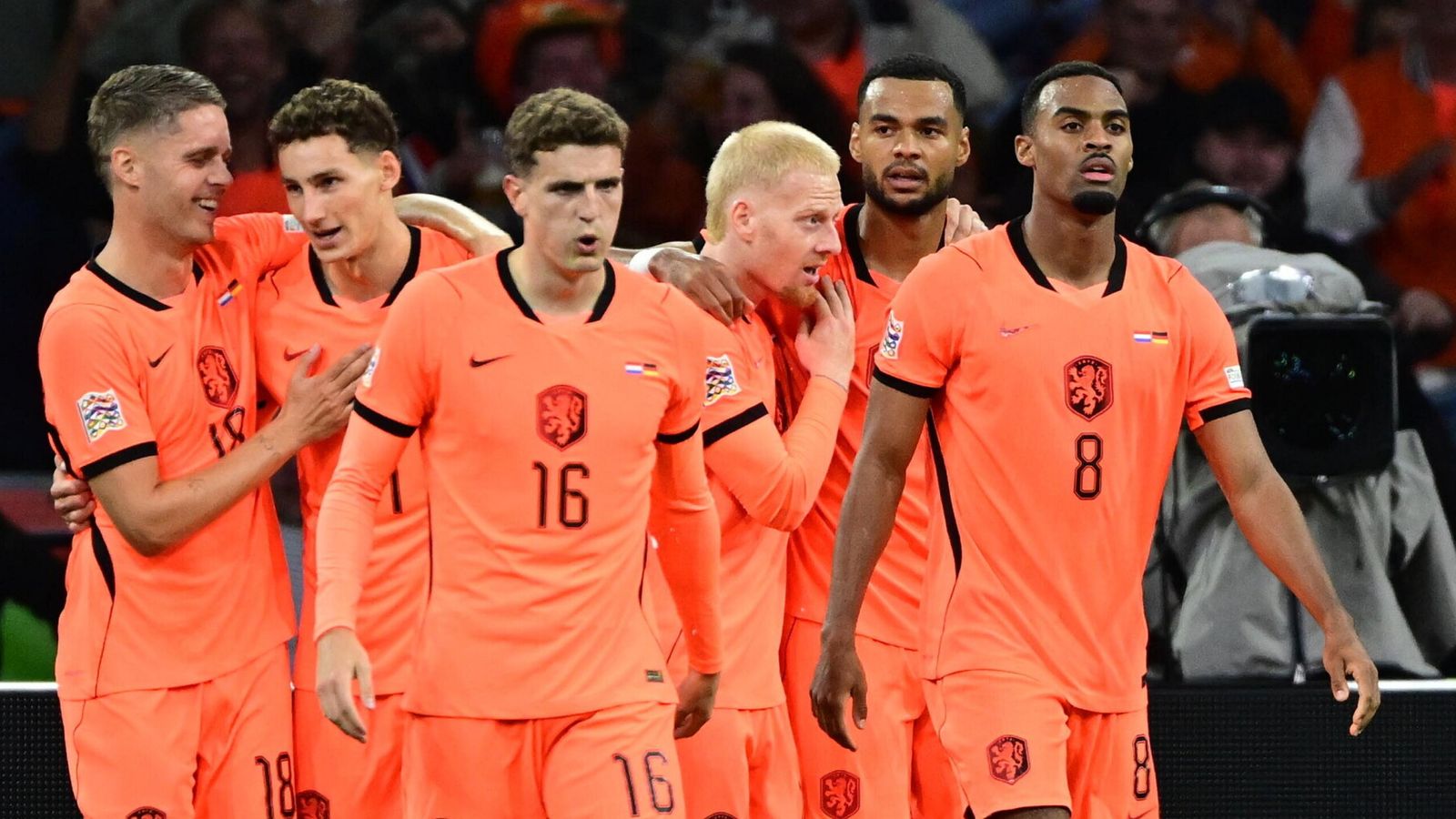
The second half saw Germany attempt to manage the tempo, with Karim Adeyemi missing a golden opportunity to extend the lead to 2-0 when he failed to convert from inside the six-yard box. As the clock wound down, the Netherlands intensified their offensive pressure. Ter Stegen was the standout performer for Germany during this period, producing a string of high-quality saves to deny the Dutch attackers. However, the pressure eventually told in stoppage time. A rapid transition allowed Gakpo to find space in the box, where he connected with a volley that bypassed the outstretched Ter Stegen to secure a 1-1 draw.
Statistical Context and Player Performance
The draw reflects a game of fine margins. Germany’s inability to capitalize on the Adeyemi miss proved to be the decisive factor in their failure to secure three points. For the Netherlands, the equalizer was a testament to their persistence in the final third.
Key Match Metrics:
- Possession: Netherlands 54% – 46% Germany
- Shots on Target: Netherlands 6 – 4 Germany
- Total Completed Passes: Netherlands 482 – 410 Germany
- Corners: Netherlands 7 – 3 Germany
The injury concerns for both Havertz and Brobbey will be the subject of further medical assessment by their respective club staff. For Germany, the absence of Musiala prior to kick-off clearly disrupted their attacking rhythm, while the Dutch defense remained resolute despite the absence of several key starters later in the match.
Official Responses and Managerial Sentiment
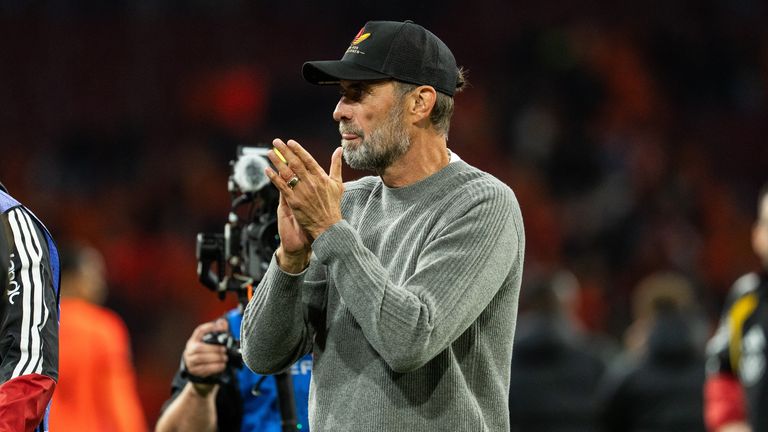
While post-match press conferences were brief, both managers acknowledged the intensity of the fixture. Jurgen Klopp, addressing the media after his first match, noted the resilience of his squad despite the defensive lapse in the final minutes. "We had moments of great control, but at this level, if you don’t convert the second goal, you invite pressure," Klopp stated, hinting at the high standards he expects as he builds toward the next major tournament.
Xavi Hernandez praised his team’s refusal to accept defeat. "We played with a new philosophy tonight, and the character shown to fight until the final whistle is what I want to see from this group," he noted. The Dutch manager emphasized that while the result is a starting point, the focus remains on long-term tactical integration.
Broader Implications for Group A2
The draw leaves both nations in a precarious but stable position within Group A2. With the group stage in its infancy, the result allows both managers time to assess their squads before the next round of fixtures. The defensive vulnerabilities shown by both sides suggest that the upcoming matches will likely be decided by which team can better manage the transition from offense to defense.
For Germany, the challenge remains to integrate Klopp’s high-pressing system without compromising defensive solidity. For the Netherlands, Xavi’s priority will be refining the final-third efficiency that was largely absent for the majority of the match until Gakpo’s late intervention.
Erling Haaland Leads Norway to Victory
In a separate Nations League A4 fixture held in Oslo, the spotlight shifted to Erling Haaland, who continued his prolific scoring form. Norway secured a 3-2 victory over Denmark in an encounter that highlighted the sheer individual brilliance of the Manchester City striker.
Oscar Bobb opened the scoring for the hosts in the 14th minute, with Haaland doubling the lead shortly after. Denmark, however, staged a resilient comeback. A stunning free-kick from Brentford’s Mikkel Damsgaard halved the deficit before former Manchester United forward Rasmus Hojlund equalized on the hour mark. With the game finely poised, Haaland demonstrated his clinical nature, netting the winning goal with 16 minutes remaining.
The goal marked a significant milestone for Haaland, who has now registered 64 senior international goals in just 56 appearances—a strike rate that remains virtually unparalleled in modern football. This victory provides Norway with a crucial early advantage in Group A4, signaling that they will be a force to be reckoned with in this Nations League cycle.
Future Outlook
As the Nations League continues, the focus shifts to recovery and tactical preparation. For Germany and the Netherlands, the draw provides a foundation of parity. The immediate concern for both federations will be the fitness of their key assets, with international breaks often proving costly for club teams relying on these players for domestic campaigns. The tactical blueprints laid out by Klopp and Xavi in Amsterdam are clearly in their formative stages, and the upcoming group matches will provide a clearer picture of whether these managers can elevate their nations to the next level of global competition.








Leave a Reply