
President Donald Trump has indicated that his administration is in no immediate rush to negotiate a diplomatic settlement with Iran, firmly dismissing Tehran’s latest overture for a ceasefire. Speaking outside the White House, the U.S. leader addressed reporters to clarify his position, maintaining that the Islamic Republic remains in a severely compromised economic and strategic posture. While acknowledging that a future accord remains a possibility, Trump characterized the terms put forward by the Iranian government as entirely unacceptable, signaling that Washington feels little pressure to compromise as the broader geopolitical standoff approaches a critical juncture.
The rejection comes amid a complex backdrop of military escalation, shifting energy logistics, and domestic political considerations in the United States. According to reports from the Wall Street Journal, the American commander-in-chief has privately conveyed to close aides that he anticipates resuming direct military strikes against Iranian targets following the upcoming midterm elections. By delaying major offensive escalations until after the midterms, the administration hopes to mitigate the immediate political fallout associated with potential spikes in domestic retail gasoline prices, a perennial concern for American voters during periods of protracted Middle Eastern conflict.
The Genesis of the Standoff and Chronology of the Crisis
The current friction represents the culmination of nearly eight months of open naval warfare and economic strangulation in the Persian Gulf region. The crisis began unfolding when hostilities erupted, leading to the effective closure of the Strait of Hormuz—the world’s most vital maritime chokepoint for petroleum transit. In the early weeks of the conflict, the closure sent shockwaves through global energy markets, threatening to plunge industrial economies into a severe supply deficit.
During the initial phase of the conflict, Iran successfully leveraged its geographical advantage and asymmetric capabilities, deploying naval mines, fast-attack craft, and anti-ship missile batteries to deter commercial traffic. In July, a brief diplomatic breakthrough and a temporary, fragile ceasefire allowed maritime trade to resume partially. However, this respite was short-lived. Violations quickly mounted, and systematic attacks on commercial shipping lanes resumed, forcing the U.S. military to adopt more aggressive protective postures.
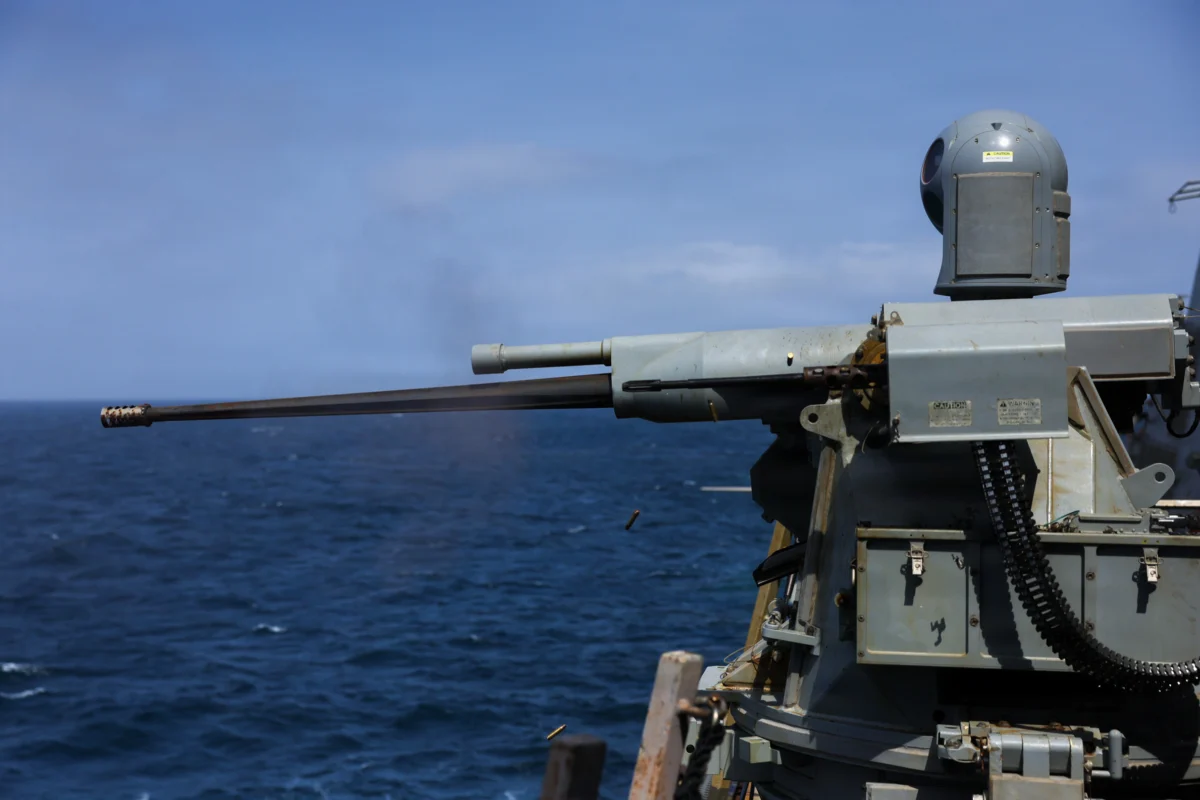
To mitigate the constant threat of Iranian anti-ship missiles and explosive drones, U.S. Central Command (CENTCOM) initially limited protective escort operations exclusively to nighttime hours. While this strategy reduced the probability of successful Iranian strikes, it severely constrained the volume of petroleum capable of traversing the contested waterway each day. Recognizing the bottleneck, the U.S. military subsequently executed a series of targeted airstrikes designed to degrade Iran’s coastal radar and target-detection infrastructure. Simultaneously, U.S. Navy clearance divers and mine-sweeping vessels cleared explosive ordnance from the primary navigation channels, paving the way for a major operational shift.
Diplomatic Overtures and Unfavorable Terms
Tehran’s rejected proposal offered a multifaceted compromise intended to relieve crushing domestic pressure. Under the terms of the aborted agreement, Iran proposed a seven-day cessation of hostilities, during which the Strait of Hormuz would be completely reopened to international shipping, and negotiations over the country’s disputed nuclear program would resume. In exchange, Tehran demanded that the United States lift its crippling naval blockade, unfreeze billions of dollars in sovereign Iranian assets held abroad, and lift comprehensive sanctions targeting the nation’s vital crude oil exports.
President Trump’s outright rejection of these conditions reflects Washington’s assessment that time has shifted decisively to the side of the United States and its regional allies. The stringent U.S. naval blockade, compounded by successive rounds of financial sanctions, has plunged the Iranian economy into a profound depression, fueling hyperinflation, severe fuel shortages, and widespread civil discontent that severely tests the internal stability of the regime under Supreme Leader Mojtaba Khamenei. Consequently, the White House sees little incentive to grant major sanctions relief in exchange for a temporary, week-long ceasefire that could merely allow Tehran to regroup militarily.
Surge in Oil Transit and Logistical Realities
Despite the ongoing hostilities, global energy markets have demonstrated a remarkable degree of resilience, avoiding the catastrophic price spikes initially feared by economists. This stability is largely attributable to the steady recovery of oil volumes clearing the Strait of Hormuz under the direct protection of the U.S. military.
Data compiled by maritime intelligence firm Tanker Trackers revealed that the volume of crude oil exiting the blockade line has experienced a dramatic upward trajectory. By mid-September, total crude exiting the Persian Gulf through the strait reached an estimated 13 million barrels per day—effectively doubling the volume recorded just weeks prior. Independent energy analyst Rory Johnston corroborated these figures, placing the recent seven-day average slightly higher at approximately 13.5 million barrels per day.
This operational rebound has been facilitated by two primary factors. First, Saudi Arabia altered its logistical strategy, shifting its primary export routes back through the Persian Gulf. Earlier in the conflict, Riyadh had heavily relied on its trans-peninsular East-West Pipeline to divert crude shipments to Red Sea ports, bypassing the volatile Gulf waters altogether. However, a series of drone and missile strikes launched against Saudi energy infrastructure by Iran-backed Houthi insurgents in Yemen and aligned militias in Iraq forced the kingdom to reassess the safety and viability of the overland bypass, prompting a return to maritime exports.
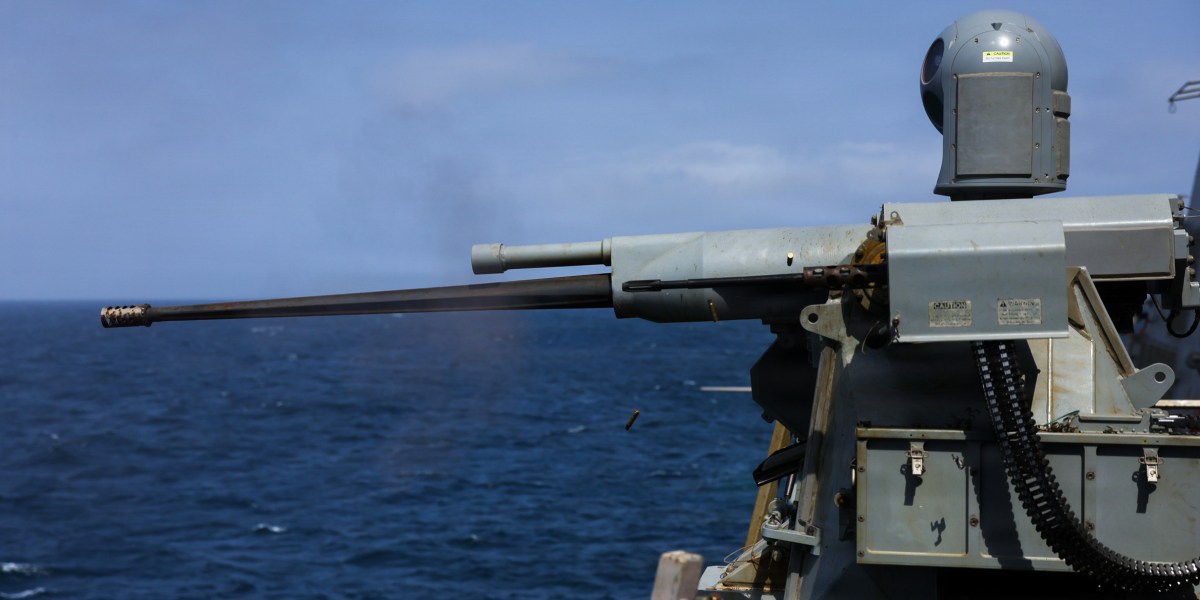
Second, the resumption of daytime transits through the Strait of Hormuz—made possible by diminished Iranian defensive capabilities and active U.S. naval escorts—has drastically increased daily throughput capacity.
The Hidden Costs of Secure Passage
While the sheer volume of oil escaping the Persian Gulf has brought a measure of relief to global supply chains, the logistical reality remains extraordinarily expensive. Moving petroleum through an active combat zone introduces massive risk premiums that ultimately distort market efficiencies.
Industry experts emphasize that while the barrels are successfully reaching international markets, the financial overhead required to achieve this is extraordinarily steep. Shipping companies operating in the corridor must offer substantial hazard pay to attract maritime crews willing to brave the volatile zone. Furthermore, maritime insurance underwriters have levied exorbitant premium rates for hulls transiting the war-zone perimeter.
According to Rory Johnston, the marginal cost of extracting these barrels from the Persian Gulf under current security conditions exceeds $30 to $40 per barrel, a figure that conspicuously excludes the massive financial and operational burden absorbed directly by the U.S. military. Analysts warn that this high cost structure creates a precarious financial equilibrium. If global crude prices experience a sharp downward correction, or if regional oil exporters attempt to artificially inflate their asking prices to offset security expenditures, the current model of military-escorted transit could quickly become economically unviable for producers and shippers alike.
Broader Geopolitical and Economic Implications
The ongoing stalemate in the Persian Gulf carries profound implications for global security, economic stability, and international diplomacy. For the United States, the successful enforcement of a partial blockade while keeping global energy supplies relatively stable represents a significant strategic achievement. It allows Washington to exert maximum economic pressure on Tehran without triggering the kind of global energy shock that could destabilize allied Western economies or severely damage the U.S. domestic political landscape ahead of the midterms.
Conversely, the Iranian leadership finds itself trapped in an increasingly narrow corridor of options. The combination of U.S. naval dominance, degraded military infrastructure, and a suffocating economic blockade leaves Tehran with dwindling leverage. While the regime continues to project defiance through its regional proxy networks, the internal socio-economic costs of the war continue to mount, raising long-term questions regarding the durability of the current government structure under sustained external pressure.
As the conflict stretches toward its eighth month, international observers remain on high alert for any sudden shifts in strategy. With Washington signaling its intent to maintain military pressure and potentially escalate operations once domestic political milestones have passed, the prospects for a lasting diplomatic resolution appear distant. For now, the delicate dance of military escorts, high-cost maritime logistics, and simmering geopolitical tension remains the defining reality of the world’s most critical energy corridor.









Leave a Reply