
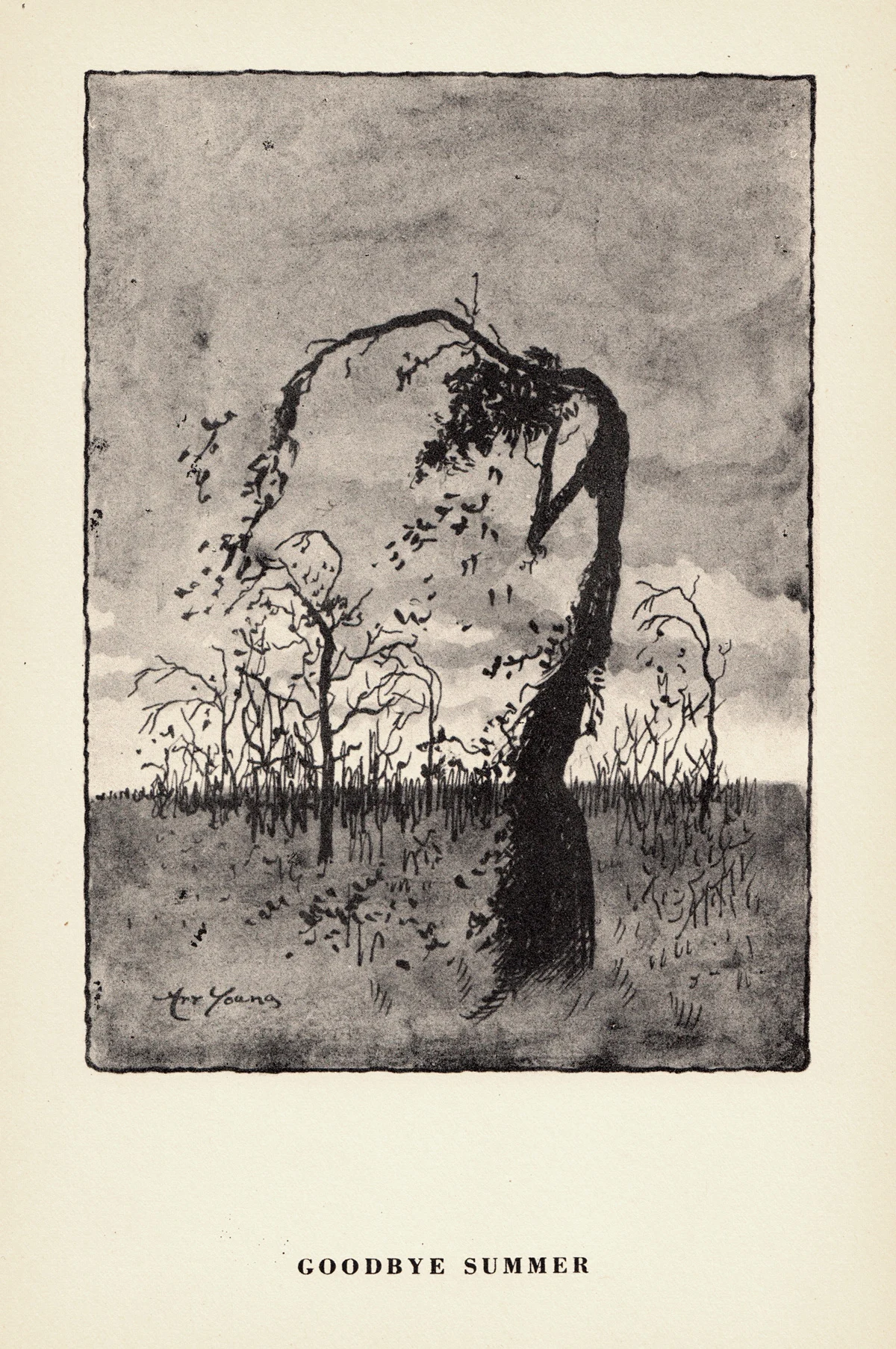
The transition from the summer solstice to the autumnal equinox marks a period of profound physical and psychological shift, a phenomenon long documented in literature, meteorology, and human history. While modern society often views autumn as a seasonal decline—a cooling down toward the dormancy of winter—the renowned French novelist Sidonie-Gabrielle Colette, writing in her autobiographical collection Earthly Paradise, challenged this perception. Her perspective, rooted in early childhood observation, frames the season as a vibrant beginning. This re-evaluation of the autumnal cycle invites a broader analysis of how environmental shifts influence human cognition, cultural development, and the personal experience of aging.
The Meteorology and Ecology of the Equinox
Autumn is scientifically defined by the Earth’s axial tilt, which dictates the distribution of solar energy across the hemispheres. During the autumnal equinox, the sun is positioned directly above the Earth’s equator, resulting in nearly equal periods of day and night. Meteorologically, this transition initiates the cooling of the Northern Hemisphere, triggering deciduous trees to cease chlorophyll production. This biological shutdown reveals the anthocyanins and carotenoids—the reds, oranges, and yellows—that characterize the season.

From an ecological perspective, this period is defined by high productivity. Data from agricultural sectors consistently indicate that autumn serves as the primary window for the harvest of late-season crops, including squashes, grains, and pome fruits. The biological urgency of this season is not one of decay, but of finality in production. As Colette observed, the "rage to grow" gives way to a concentration of energy, a shift that is as much about preservation as it is about the preparation for the dormant cycle of winter.
Chronology of a Literary Perspective
Colette’s lifelong fascination with autumn began in the late 1880s. Her schoolgirl essays, which famously drew criticism from teachers for her refusal to categorize the season as a period of loss, laid the foundation for her later literary meditations on the passage of time.
- 1885–1890: During her formative years in Saint-Sauveur-en-Puisaye, Colette began documenting her sensory responses to the environment, prioritizing scent and tactile observation over traditional academic definitions.
- 1900–1920: As she rose to prominence in the French literary scene, Colette’s writing increasingly incorporated themes of nature, human desire, and the fluidity of life stages.
- 1954: The posthumous publication of Earthly Paradise: An Autobiography of Colette Drawn from Her Lifetime Writings compiled these observations, offering a retrospective look at her early, contrarian views on the seasons.
Sensory Perception and Cognitive Impacts
Scientific research into environmental psychology suggests that Colette’s reliance on her "most animal of senses"—smell—is a valid cognitive approach to environmental interpretation. Olfactory memory is processed in the limbic system, particularly the amygdala and hippocampus, which are central to emotion and memory retrieval. The scent of "half-dried mud," "burning twigs," and "mushrooms," as described by Colette, serves as a neurological anchor that connects human experience to the seasonal cycle.

This connection to the environment serves as a "common ground" for human experience. In a social landscape often fragmented by political and ideological divisions, the predictability of the seasons provides a universal framework. The shared experience of weathering a storm or acknowledging the first evening chill creates a communal baseline, a form of societal cohesion that transcends individual demographics.
The Philosophy of Aging as a Seasonal Transition
Colette’s comparison of autumn to the "autumn of life" provides a framework for understanding the later stages of human development. In gerontology, the "paradox of aging" refers to the observation that, despite the physical decline associated with senescence, psychological well-being often remains stable or even increases in later adulthood.
Colette’s mother, whom she described as entering her later years with "the gaiety of those who have nothing more to lose," serves as a case study in this phenomenon. This perspective aligns with current socio-emotional selectivity theory, which posits that as individuals age and perceive their time as finite, they prioritize emotionally meaningful goals and relationships over information-seeking or future-oriented ambitions. The "serenity" Colette observed is effectively a shift in focus toward the immediate present—the "palpable immediacy" of the season.

Analysis of Implications
The implication of viewing autumn as a "beginning" rather than a "decline" is significant for public health and cultural discourse. By reframing late-stage development as a time of abundance rather than depletion, societies can better value the contributions of older generations. The aesthetic appreciation of the season, from the changing foliage to the harvest, acts as a psychological buffer against the anxieties of mortality.
Furthermore, the literary output of figures like Colette demonstrates that the "style of things" we love in childhood—the patterns of perception we establish early on—forms the core of our aesthetic and intellectual identity throughout our lives. This continuity provides a buffer against the trauma of transition, suggesting that the "antennae" of the child remain active well into the senior years.
Cultural and Environmental Synthesis
The discourse surrounding the seasons is not merely a matter of aesthetic preference but a reflection of the human need for order. Historically, myths—from the Greek myth of Persephone to the harvest festivals of various indigenous cultures—have used the autumnal transition to explain the duality of life and death. Colette’s contribution to this discourse is her insistence on the "ecstatic echoes" of the season.

While the summer represents the zenith of energy, the autumn represents the distillation of that energy. The second flowering of the chestnut tree or the late-season adventure of wildlife are not anomalies; they are evidence of a persistent vitality. As we move into an era defined by rapid climate change, the observation of these subtle signs—the "subterranean stream" of the natural world—becomes increasingly vital. Understanding the nuance of our environment allows for a more resilient engagement with the changes that, regardless of human intervention, continue to define our existence.
Conclusion
Colette’s reflections in Earthly Paradise remain a touchstone for those exploring the intersection of the natural world and the human spirit. Her rejection of the "decline" narrative in favor of a "beginning" offers a robust alternative to the melancholic view of aging. By anchoring her observations in sensory reality, she provides a roadmap for finding stability within the transient nature of time. Whether viewed through the lens of a schoolgirl’s essay or the wisdom of an elderly writer, the season of autumn serves as a potent metaphor for the cycles of existence, reminding us that every phase of life, much like every season, carries its own unique splendor and potential for growth.





Leave a Reply